
Dog Health & Nutrition: Dog Health & Nutrition: Understanding Dog Health And Nutrition
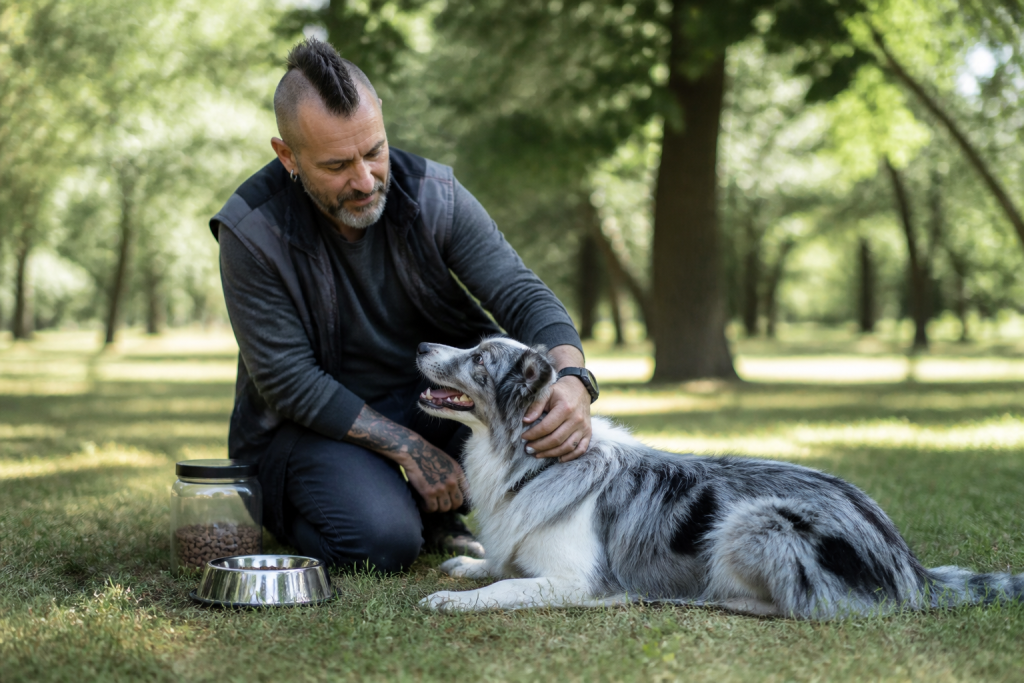
Dog health and nutrition depend on consistent care, appropriate food, regular observation, and timely veterinary support. A nourishing diet supplies energy, maintains muscles, supports immunity, and helps every body system function effectively. However, nutrition is only one part of wellness. Exercise, dental care, parasite prevention, emotional security, sleep, and preventive examinations all influence a dog’s quality of life.
Every dog has individual needs. Age, breed, body size, activity level, reproductive status, medical history, and environment affect daily requirements. A growing puppy needs nutrients for developing bones and organs, while an adult may need balanced maintenance food. A senior dog may benefit from adjusted calories, highly digestible protein, and support for mobility. Choosing food solely because it is popular or attractively packaged can therefore be misleading.
A health focused approach begins with observation. Notice changes in appetite, thirst, stool, weight, energy, coat condition, breathing, and behavior. Small changes can be early clues to dental disease, allergies, digestive problems, pain, endocrine disorders, or other conditions. Records of meals, treats, medications, and symptoms can help a veterinarian identify patterns.
Building A Balanced Diet
Essential Nutrients
Dogs require water, protein, fats, carbohydrates, vitamins, and minerals in suitable proportions. Protein provides amino acids for muscles, skin, hair, enzymes, hormones, and tissue repair. Fats are concentrated energy sources and help the body absorb fat soluble vitamins. Specific fatty acids, including omega three fats, may support skin, coat, and normal inflammatory responses.
Carbohydrates are not universally harmful. Properly prepared grains, vegetables, and other carbohydrate sources can provide energy, fiber, and useful nutrients. Fiber supports intestinal movement and may help maintain healthy stool consistency. Some dogs tolerate particular ingredients better than others, but a frightening ingredient list does not automatically indicate superior nutrition.
Water is essential and should be available at all times. Increased thirst may occur after exercise or warm weather, but persistent excessive drinking, especially alongside frequent urination, vomiting, weakness, or weight loss, deserves veterinary assessment. Wet food can increase water intake, although it does not replace a clean drinking supply.
Choosing Commercial Food
A complete and balanced commercial diet is usually the most practical foundation for a healthy dog. Look for a food formulated for the dog’s life stage and intended size, with nutritional adequacy information from a reputable regulatory authority. Packaging terms such as premium, natural, holistic, or human grade may sound persuasive, but they do not by themselves prove that a food meets an individual dog’s needs.
Compare feeding directions with the dog’s body condition and activity. Instructions are starting estimates, not absolute rules. Weighing food with a kitchen scale can improve accuracy, especially for small dogs. Sudden changes in diet can cause digestive upset, so transition gradually over approximately seven to ten days, unless a veterinarian recommends another method.
Ingredients deserve thoughtful interpretation. An ingredient appearing first is present in greater quantity by weight, yet the list alone cannot reveal digestibility, nutrient availability, manufacturing quality, or the complete nutritional profile. Reputable manufacturers should provide clear contact information, feeding guidance, quality control practices, and a way to answer consumer questions.
Home Prepared And Raw Diets
Home prepared diets can be appropriate when designed by a veterinary nutrition specialist. Recipes found online may lack calcium, essential vitamins, trace minerals, or correct energy balance. Substituting ingredients casually can create deficiencies over time, even when a dog appears healthy initially.
Raw diets present additional concerns, including bacterial contamination, bones that may fracture teeth or obstruct the intestine, and nutritional imbalance. Dogs, people, and other household animals can be exposed to pathogens through food, bowls, surfaces, or feces. Families with young children, older adults, pregnant people, or immunocompromised members should discuss these risks carefully with a veterinarian.
Portion Control And Healthy Weight
Obesity is one of the most common preventable health problems in dogs. Excess body fat increases strain on joints, worsens heat intolerance, and raises the risk of diabetes, breathing difficulty, cardiovascular stress, and certain cancers. Weight management is therefore a health intervention, not merely a cosmetic concern.
Assess body condition by feeling the ribs, viewing the dog from above, and observing the abdomen from the side. In an ideal condition, ribs are easy to feel beneath a thin covering, a waist is visible from above, and the abdomen rises gently toward the hind legs. Thick coats can hide changes, so hands are more reliable than appearance alone. Ask a veterinary professional to demonstrate a body condition score.
Measure meals rather than estimating with an overflowing cup. Count treats, chews, table scraps, supplements, and food used for medication within the daily calorie allowance. Treats should generally remain a small portion of total intake. Lower calorie options, such as tiny pieces of appropriate vegetables, may help, but confirm safety first because some foods are toxic.
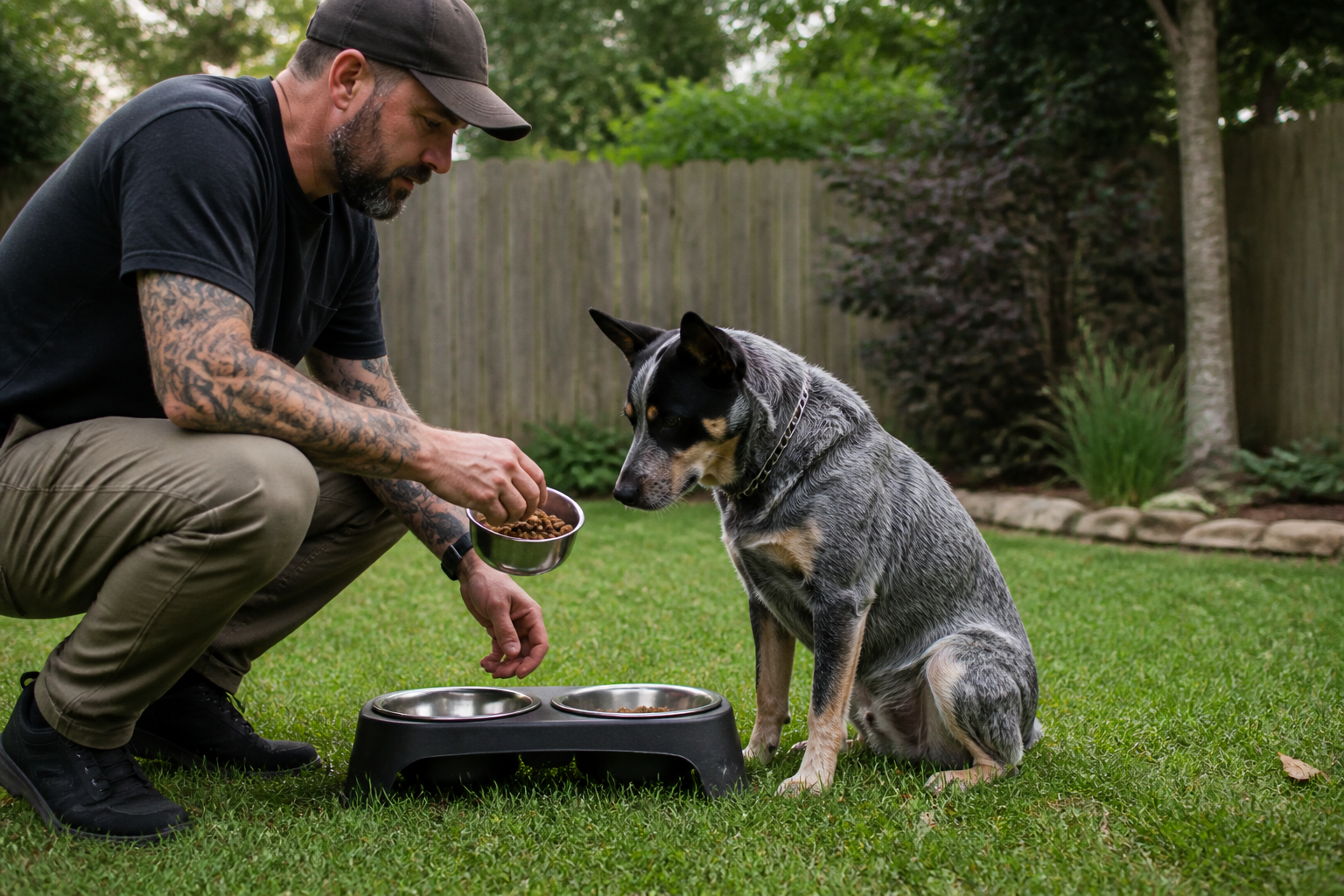
Weight loss should be gradual and supervised. A veterinarian can calculate a suitable calorie target and check for medical causes of weight gain, such as hormonal disease or medication effects. Never sharply restrict food without guidance, because inadequate nutrition can cause weakness and nutrient deficiencies.

Feeding Through Life Stages
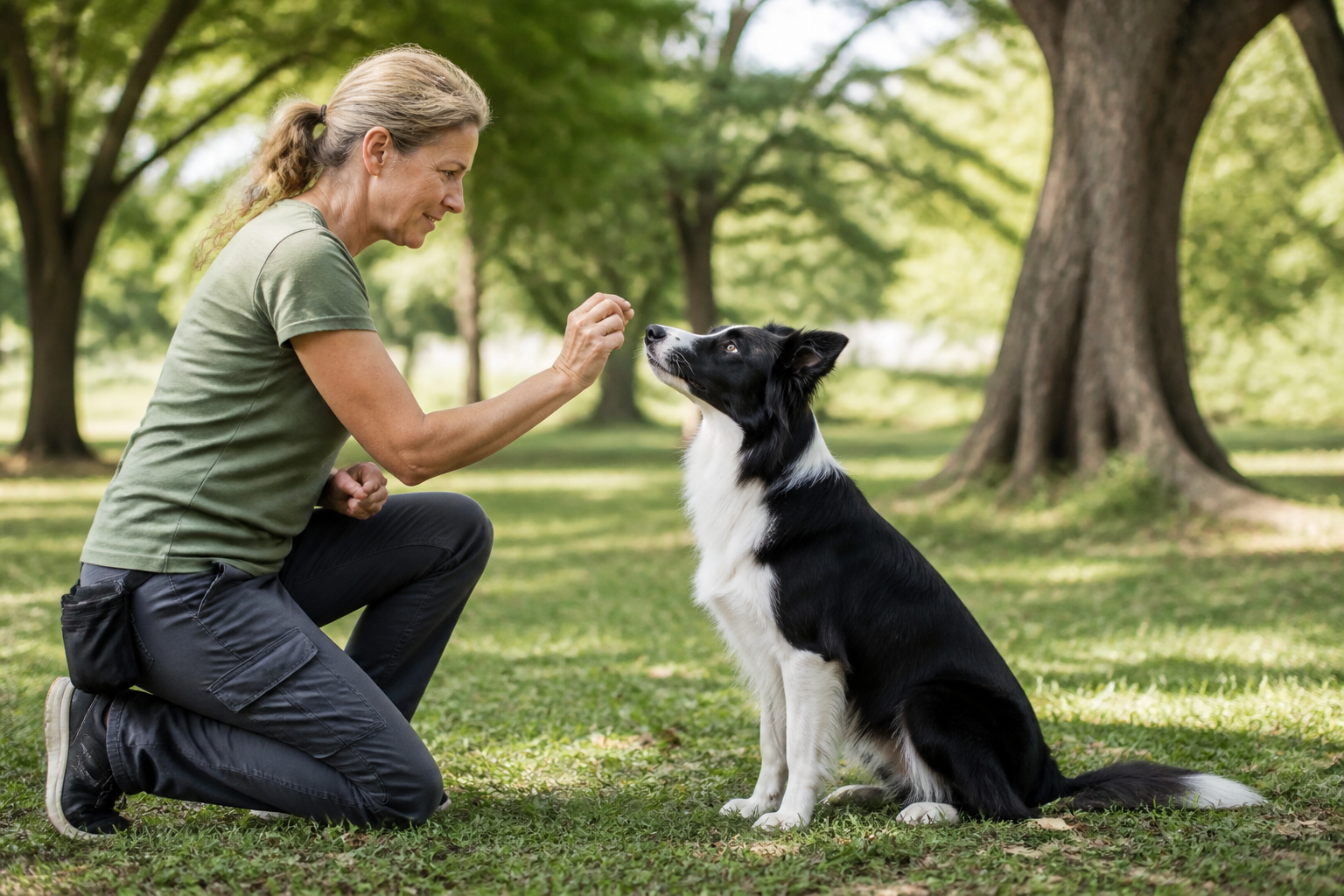
Puppies require energy dense food formulated for growth, but excessive calories can accelerate growth and stress developing bones, particularly in large breeds. Feed according to expected adult size and monitor body condition. Puppies often need several small meals daily. Training rewards should be included in the overall plan.
Adult dogs commonly thrive on consistent portions and predictable schedules. Highly active working dogs, pregnant or nursing dogs, and dogs exposed to cold conditions may need specialized energy adjustments. Any change should reflect measured body condition, stool quality, performance, and veterinary advice rather than assumptions about breed.
Senior dogs vary widely. Some become less active and require fewer calories, while others lose weight because of dental disease, chronic illness, or reduced appetite. Senior food may provide useful characteristics, but there is no universal formula. Regular examinations and blood tests can identify problems before outward signs become severe.
Supplements, Safety, And Digestion
Supplements are not automatically beneficial. Calcium, vitamin D, iron, and certain herbal products can become dangerous when given unnecessarily or in excessive amounts. Joint products may help some dogs, but product quality and appropriate dosing vary. Tell the veterinarian about every supplement, including oils and treats, because interactions with medications are possible.
Digestive health is reflected in appetite, stool, comfort, and regularity. Occasional mild changes may follow stress or a dietary transition, but repeated vomiting, persistent diarrhea, blood, black stool, abdominal pain, dehydration, or refusal to eat requires professional attention. Puppies, elderly dogs, and dogs with chronic disease can deteriorate quickly.
Food allergies are less common than many owners believe, and itching can have numerous causes, including fleas, environmental allergens, infections, and parasites. A properly controlled elimination diet, supervised by a veterinarian, is more reliable than repeatedly switching foods. During a trial, every treat, chew, flavored medication, and supplement must be considered.
Certain foods are unsafe. Chocolate, xylitol, grapes, raisins, onions, garlic, alcohol, caffeine, macadamia nuts, and yeast dough can cause serious illness. Cooked bones can splinter, while fatty leftovers may trigger digestive disease or pancreatitis. Store food securely and teach household members, especially children, not to share scraps.
Exercise, Dental Care, And Preventive Wellness
Nutrition works best alongside suitable movement. Daily walks, play, scent activities, training, and safe opportunities to explore support muscles, coordination, cardiovascular fitness, and mental health. Exercise should match age, body condition, breed tendencies, weather, and medical status. Increase intensity gradually and watch for limping, excessive panting, reluctance, or prolonged fatigue.
Mental enrichment is equally important. Food puzzles, supervised chewing, positive reinforcement training, and scent games can reduce boredom without relying on excessive calories. Rotate activities and make challenges achievable. Reward calm behavior as well as obedience, helping dogs develop confidence and emotional regulation.
Dental disease can cause pain, tooth loss, bad breath, and infection. Daily brushing with toothpaste designed for dogs is the most effective home practice. Human toothpaste may contain unsafe ingredients. Dental diets, chews, and professional cleanings can complement brushing, but they do not make every mouth healthy. A veterinarian should examine red gums, loose teeth, bleeding, swelling, or difficulty chewing.
Preventive care includes vaccinations, parasite control, identification, grooming, and routine examinations. Fleas, ticks, intestinal worms, and heartworm disease can harm health and may be preventable. Medication choices should reflect regional risks, lifestyle, age, and medical history. Do not use products intended for another species unless a veterinarian specifically approves them.
Practical Daily Routine
A useful routine begins with fresh water, measured food, and a brief health check. Observe the eyes, nose, mouth, coat, posture, movement, appetite, and stool. Provide exercise and enrichment, then allow adequate rest. Wash bowls regularly, store food according to label directions, and discard spoiled or contaminated items.
Keep a written record of weight, diet, medications, vaccinations, parasite prevention, and notable symptoms. Monthly photographs can reveal gradual changes in body shape or coat. This information is valuable during appointments and helps different caregivers follow the same plan.
When introducing a new food, change one variable at a time. Maintain the old food initially, add a small amount of the new food, and increase it gradually while monitoring stool, appetite, and behavior. If severe signs appear, stop experimentation and contact a veterinary professional.
Frequently Asked Questions
How Often Should A Dog Eat?
Many adult dogs do well with two measured meals daily. Puppies, dogs with specific medical conditions, and some highly active dogs may need different schedules. Consistency helps owners notice appetite changes and can reduce begging caused by irregular feeding. A veterinarian can recommend timing for a particular dog.
Is Grain Free Food Healthier?
Grain free does not automatically mean healthier, safer, or more nutritious. Dogs can digest properly prepared grains, and grain allergies are uncommon. Some diets with unusual ingredient combinations have been associated with nutritional concerns in certain circumstances. Discuss diet selection with a veterinarian, especially before making a long term change.
Can Dogs Eat Human Food?
Some plain foods, including small portions of cooked lean meat, certain vegetables, or appropriate fruit, may be safe. They should not replace a complete diet and must fit within calorie limits. Avoid toxic ingredients, rich sauces, excessive fat, bones, and heavily seasoned foods. When uncertain, do not offer it until safety is confirmed.
How Do I Know If My Dog Is Overweight?
You should be able to feel the ribs without pressing through a thick fat layer, see a waist from above, and notice an abdominal tuck from the side. A veterinarian can assess body condition objectively and identify medical contributors. Regular weighing is especially useful for small dogs, whose changes can be difficult to see.
Should I Give A Daily Multivitamin?
A complete, balanced diet generally supplies necessary vitamins and minerals, so routine supplementation may be unnecessary or harmful. Supplements can be appropriate for diagnosed deficiencies or specific conditions, but selection and dosage should come from veterinary guidance. Bring the product container to appointments so ingredients can be reviewed accurately.
When Is Loss Of Appetite An Emergency?
Urgency depends on duration, age, health history, and accompanying signs. Immediate advice is appropriate for repeated vomiting, severe diarrhea, pain, bloating, weakness, breathing difficulty, collapse, suspected poisoning, or inability to keep water down. Puppies, diabetic dogs, and frail seniors may need attention after a shorter period without food.
Are Homemade Treats Safe?
Homemade treats can be safe when prepared from suitable ingredients and offered sparingly. Avoid toxic foods, excessive fat, artificial sweeteners containing xylitol, and choking hazards. Treats should remain nutritionally secondary. Label containers and tell all caregivers what ingredients were used, particularly if the dog has allergies or medical restrictions.
Conclusion
Dog health and nutrition are built through informed, consistent decisions rather than a single perfect product. Choose a complete diet suited to life stage, measure portions, protect a healthy body condition, provide clean water, and introduce changes gradually. Combine nutrition with exercise, enrichment, dental care, parasite prevention, vaccinations, and regular veterinary examinations.
Observe the individual dog and respond to meaningful changes instead of following trends blindly. Commercial food, carefully formulated home diets, and selected supplements may all have a place, but safety and nutritional adequacy matter more than marketing language. Treats, chews, and table food should support the plan rather than quietly undermine it.
Most importantly, use professional guidance when a dog is growing, pregnant, elderly, overweight, chronically ill, taking medication, or showing concerning symptoms. A thoughtful partnership between owner and veterinarian can detect problems early, refine feeding choices, and preserve comfort. With balanced nutrition, appropriate care, and attentive observation, dogs are better positioned to remain energetic, resilient, and engaged throughout their lives.