

Dog Health & Nutrition: Dog Health & Nutrition: Understanding Dog Health and Nutrition
A healthy dog depends on more than a full bowl. Nutrition, preventive care, exercise, sleep, dental hygiene, and emotional security work together to support a long, active life. The best feeding plan is practical, individualized, and based on the dog’s age, size, breed characteristics, activity level, body condition, medical history, and living environment. Although general guidance is useful, a veterinarian should help evaluate unusual symptoms, persistent weight changes, allergies, chronic disease, and changing nutritional needs.
A complete diet supplies energy, protein, fats, carbohydrates, vitamins, minerals, and water in appropriate proportions. “Complete and balanced” usually means a food has been formulated to meet recognized nutrient standards for a particular life stage. Puppies, adults, pregnant dogs, nursing mothers, and seniors do not necessarily need identical recipes. Food labels can help owners compare products, but feeding amounts are starting points rather than unchangeable rules.
Choosing a Suitable Food
Reading the Label
Begin by identifying the intended life stage and the manufacturer’s feeding statement. Look for a clear ingredient list, nutritional adequacy information, calorie content, batch details, and feeding directions. Ingredients are listed by weight before processing, so the first items are not always a complete picture of nutritional quality. A food containing named animal proteins, digestible carbohydrates, appropriate fats, and essential micronutrients may be suitable, while marketing phrases alone cannot establish superiority.
Different dogs thrive on different formulas. Some need a controlled-calorie food because they gain weight easily. Others require increased calories for intense activity, recovery, pregnancy, or growth. Dogs with kidney, liver, pancreatic, intestinal, urinary, or endocrine conditions may need therapeutic diets prescribed or supervised by a veterinarian. Never assume that a “natural,” grain-free, raw, or homemade diet is automatically healthier. Safety and nutrient balance matter more than fashionable labels.
Protein, Fat, and Carbohydrates
Protein provides amino acids for muscle, skin, coat, enzymes, immune defenses, and tissue repair. Growing puppies and highly active dogs may have increased requirements, but excessive protein is not a universal solution for weakness or aging. The quality, digestibility, and overall balance of the diet are important. Dogs with diagnosed disease may need specific protein adjustments, so medical advice should guide changes.
Fat is energy dense and supports cell membranes, hormones, skin, and coat condition. Essential fatty acids, including omega three fats, may help support inflammatory balance, although supplements should be selected carefully. Too much fat can contribute to weight gain or digestive upset, and it may be inappropriate for dogs prone to pancreatitis. Carbohydrates can provide energy and fiber. Dogs can digest properly prepared carbohydrates, and fiber can support stool quality, gut function, and satiety.
Wet, Dry, and Mixed Feeding
Dry food is convenient, generally easy to measure, and often economical. Wet food contributes water and may help dogs with poor appetite or dental discomfort, although it is not a substitute for veterinary dental care. A mixed approach can increase palatability, but total calories must be calculated across all foods. Sudden switches commonly cause vomiting or diarrhea, so transition gradually over approximately seven days, adjusting more slowly if the dog has a sensitive digestive system.
Store food in a cool, dry place, preferably in its original bag inside a clean, sealed container. Wash bowls regularly, prevent moisture contamination, and observe expiration dates. Refrigerate opened canned food and use it according to label guidance. Discard food that smells rancid, appears moldy, or has been exposed to pests. Clean, fresh water should be available throughout the day, with extra attention during heat, exercise, illness, or travel.
Portion Control and Body Condition
Obesity is one of the most common preventable health problems in companion dogs. Excess body fat increases stress on joints and may raise the risk of diabetes, breathing difficulty, heart strain, skin disease, and reduced mobility. Measuring meals with a kitchen scale or standardized measuring cup is more reliable than estimating by sight. Treats, chews, table scraps, pill pockets, and training rewards all contribute calories.
A practical goal is to keep extras near ten percent of daily calories, while the main complete diet supplies the remaining nutrition. Low-calorie rewards, such as small pieces of suitable vegetables, may help, but even healthy foods require moderation. Avoid foods that are toxic or dangerous, including chocolate, grapes and raisins, onions, garlic, xylitol, alcohol, macadamia nuts, cooked bones, and excessively fatty leftovers.
Assessing Body Condition
A healthy dog should have ribs that can be felt beneath a thin layer of fat without being sharply visible, except in certain naturally lean breeds. From above, the waist should be noticeable behind the ribs; from the side, the abdomen should rise toward the hind legs. Body condition scores provide a structured assessment, but photographs and weight records also help identify gradual change. Weighing a small dog at home or using a clinic scale every few weeks can reveal trends early.
Weight loss should be gradual and planned. Severe restriction can cause hunger, muscle loss, and nutrient deficiencies. A veterinarian can estimate calorie needs, examine underlying causes, and create an appropriate reduction plan. Puppies, pregnant dogs, and dogs with chronic illnesses require special caution.

Life Stage Nutrition
Puppies
Puppies need concentrated nutrition for growth, but rapid growth can harm developing bones, particularly in large and giant breeds. Feed a food designed for the puppy’s expected adult size, follow a veterinary schedule, and avoid excessive calcium supplementation unless prescribed. Several measured meals may support digestion and stable energy. Monitor growth, stool quality, appetite, and body condition rather than encouraging maximum weight gain.
Adult Dogs
Adult maintenance diets should support a stable, healthy body condition and normal activity. Feeding frequency varies; many dogs do well with two meals daily. Active working dogs may need carefully timed meals, while dogs prone to stomach problems may benefit from smaller portions. Exercise and feeding routines should be consistent, but avoid vigorous activity immediately after a large meal, especially in deep-chested breeds at risk of gastric dilatation and volvulus.
Senior Dogs
Aging does not automatically require a senior formula, but older dogs often benefit from calorie adjustment, highly digestible ingredients, and monitoring of protein, phosphorus, sodium, or fat when clinically indicated. Muscle loss can occur even when body weight appears normal. Regular veterinary examinations, dental assessment, blood testing, and mobility checks help distinguish ordinary aging from treatable disease. Food should be changed for a documented reason, not simply because a package uses the word “senior.”
Supplements and Special Diets
Supplements can be useful when a deficiency, condition, or veterinarian-supported goal justifies them. They can also create problems. Fat-soluble vitamins may accumulate to harmful levels, minerals can interfere with absorption, and herbal products may interact with medicines. Joint supplements, fish oil, probiotics, and calming products vary in evidence and quality. Choose products with transparent labeling and independent quality testing when possible, and provide the complete ingredient list to the veterinarian.
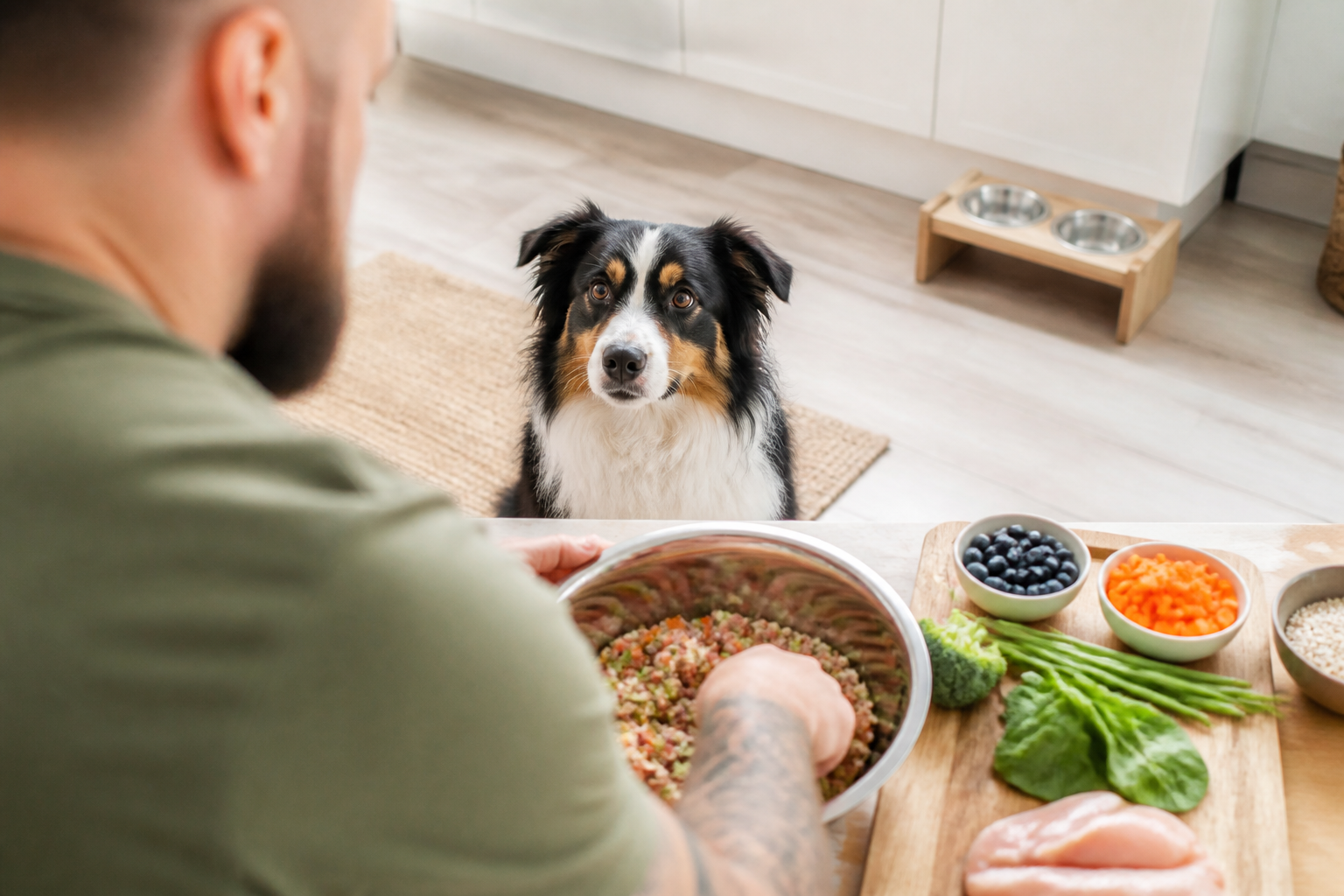
Homemade diets require careful formulation by a veterinary nutrition professional. Meat, rice, and vegetables may seem wholesome but can lack calcium, essential fatty acids, iodine, zinc, or other nutrients. Raw diets carry risks of bacterial contamination, bone injury, gastrointestinal obstruction, and imbalanced nutrition. These risks affect dogs and household members, particularly children, older adults, pregnant people, and immunocompromised individuals. If a special diet is necessary, use a verified recipe and review it periodically.
Food allergies are less common than many owners assume, and symptoms such as itching, ear inflammation, vomiting, or diarrhea can have multiple causes. A veterinary elimination diet, followed by controlled reintroduction, is more reliable than repeatedly purchasing limited-ingredient products. Do not change several variables at once, because doing so makes the trigger difficult to identify.
Exercise, Dental Care, and Daily Wellness
Nutrition works best alongside appropriate movement. Daily walks, play, scent activities, training, and safe exploration support cardiovascular fitness, coordination, mental stimulation, and healthy weight. Exercise should match age, breed, weather, body condition, and medical status. Build endurance gradually, provide rest, and watch for limping, excessive panting, weakness, reluctance to move, or delayed recovery. Heatstroke is an emergency; never leave a dog in a parked vehicle.
Dental disease can cause pain, bad breath, tooth loss, and infection. Brushing with dog-specific toothpaste is the most effective home care, introduced gradually with rewards. Human toothpaste may contain xylitol or other unsafe ingredients. Dental diets, chews, and water additives can complement brushing but should not replace professional examination. Choose chews appropriate to the dog’s size and chewing style, and avoid very hard objects that can fracture teeth.
Sleep and stress also influence health. Dogs need a predictable resting area, opportunities to retreat, positive training, and social interaction suited to their temperament. Chronic stress may appear as excessive licking, digestive upset, destructive behavior, appetite changes, or withdrawal. Veterinary evaluation is appropriate when behavioral or physical changes persist.
Preventive Veterinary Care
Routine examinations allow early detection of dental disease, obesity, heart problems, parasites, pain, and organ dysfunction. Vaccination schedules should reflect local disease risks, age, lifestyle, travel, and previous medical history. Parasite prevention may include protection against fleas, ticks, heartworms, and intestinal worms. Products must be selected for the individual dog; some medications are unsafe for particular breeds, ages, or health conditions.
Keep an accessible record of foods, medications, supplements, vaccinations, laboratory results, weight, and symptoms. During appointments, describe appetite, water consumption, urination, stool, activity, coughing, vomiting, and changes in behavior. Seek prompt veterinary care for repeated vomiting, bloody diarrhea, breathing difficulty, collapse, seizures, inability to urinate, severe pain, suspected toxin exposure, or sudden abdominal swelling.
Frequently Asked Questions
How much should my dog eat?
Start with the calorie or portion guidance on a complete food, then adjust according to body condition, activity, age, and weight trend. Because calorie density differs between products, compare calories rather than cups alone. Your veterinarian can calculate a safer target for weight loss, growth, pregnancy, or disease management.
Are treats unhealthy?
Treats are not automatically unhealthy. Small, measured rewards can strengthen training and enrichment. Keep them within the daily calorie plan, choose safe ingredients, and reduce the main meal slightly when necessary. Avoid sharing foods containing toxic ingredients, cooked bones, excessive salt, or rich fats.
Should dogs eat grain-free food?
Most dogs can digest grains and do not need grain-free food. A prescription or carefully selected alternative may be appropriate for an individual allergy or medical issue, but grain-free is not inherently superior. Discuss diet-associated concerns and ingredient substitutions with a veterinarian before making a change.
Is a raw diet better?
There is no universal evidence that raw feeding improves overall health, while documented risks include pathogens, dental injuries, obstruction, and nutrient imbalance. If you are considering raw food, consult a veterinarian or veterinary nutrition specialist and evaluate household health risks carefully.
Can I give human supplements?
Do not give human supplements without professional advice. Ingredients, concentrations, sweeteners, and dosing can differ substantially from canine products. Xylitol, excessive vitamin D, iron, and certain herbs can be dangerous. Bring the package or a clear photograph to your veterinarian before use.
How often should food be changed?
Change food only for a reason, such as life-stage needs, intolerance, availability, or veterinary recommendation. Transition gradually over about a week by mixing increasing amounts of the new diet. Slow down if loose stool, vomiting, reduced appetite, or discomfort develops, and seek advice if symptoms continue.
What signs suggest poor nutrition?
Warning signs include unexplained weight change, poor muscle, dull coat, persistent itching, chronic loose stool, repeated vomiting, low energy, excessive hunger, or abnormal thirst. These signs are not specific to diet, so an examination is important rather than relying on supplements or abrupt food changes.
Conclusion
Dog health and nutrition are ongoing practices, not a single purchase or perfect recipe. Feed a complete diet suited to the dog’s life stage and medical needs, measure portions, limit extras, provide clean water, and monitor body condition. Combine balanced nutrition with exercise, dental care, sleep, enrichment, parasite prevention, vaccinations, and regular veterinary examinations.
Individualization is the central principle. A growing puppy, athletic adult, overweight companion, allergic dog, and aging patient may all require different strategies. Observe changes, record useful information, and introduce one adjustment at a time whenever possible. Professional guidance is especially important for homemade diets, supplements, chronic disease, pregnancy, rapid weight change, and serious symptoms. With informed choices and consistent attention, owners can support energy, resilience, comfort, and a better quality of life throughout their dogs’ years.