

Dog Health & Nutrition: Dog Health & Nutrition: Understanding Dog Health And Nutrition
A dog’s health depends on more than a full bowl. Nutrition supplies energy, supports immunity, maintains organs, and helps the body repair itself, while daily care, exercise, preventive medicine, and emotional security complete the picture. A thoughtful health and nutrition plan considers a dog’s age, breed, size, activity level, medical history, environment, and individual preferences. The best approach is practical rather than fashionable: choose a complete diet, serve an appropriate amount, monitor the body, and seek professional guidance when changes appear.
Food is one part of a larger product experience. A well-designed dog health and nutrition program may include balanced meals, measured treats, fresh water, dental support, safe enrichment, weight monitoring, and clear feeding instructions. These elements should work together without creating unnecessary complexity. Owners should also remember that nutritional needs can change quickly. A growing puppy, pregnant dog, working adult, and elderly companion cannot be expected to thrive on identical routines.
Choosing A Complete And Balanced Diet
A suitable commercial food should state that it is complete and balanced for a particular life stage. This statement indicates that the formula is intended to provide required nutrients when fed according to its directions. Look for foods made by established manufacturers that employ qualified nutritionists, conduct quality testing, and provide transparent contact information. Ingredient lists are useful, but they do not tell the entire nutritional story. A recognizable ingredient is not automatically superior, and an unfamiliar name is not automatically harmful.
Dogs need proteins, fats, carbohydrates, vitamins, minerals, and water. Protein provides amino acids for muscles, skin, enzymes, hormones, and immune function. Fat supplies concentrated energy and helps absorb fat-soluble vitamins. Essential fatty acids support the skin barrier and coat, although excessive fat can contribute to weight gain or digestive upset. Carbohydrates can provide energy and fiber, even though dogs do not require a specific carbohydrate ingredient. Fiber influences stool quality, intestinal movement, and the activity of beneficial microbes.
Reading Labels Carefully
The guaranteed analysis lists minimum or maximum percentages of selected nutrients, but those figures require context. A food with more protein is not necessarily better if it does not suit the dog’s age, kidneys, digestion, or calorie needs. Compare calorie information, feeding directions, ingredient quality controls, and the manufacturer’s nutritional adequacy statement. If a dog has a diagnosed disease, a veterinary therapeutic diet may be more appropriate than an ordinary retail formula.
Transition between foods gradually over about a week. Begin with a small portion of the new food mixed into the familiar diet, then increase the new proportion every day or two. Slower transitions may help sensitive dogs. Vomiting, persistent diarrhea, refusal to eat, facial swelling, or severe itching requires prompt veterinary advice.
Portion Control And Healthy Weight
Obesity is one of the most common preventable health problems in companion dogs. Excess body fat increases stress on joints, raises the risk of metabolic disease, worsens breathing, and can shorten healthy lifespan. Feeding instructions on packaging are starting points, not precise prescriptions. They may overestimate needs for sedentary animals or underestimate requirements for active individuals.
Measure food with a standard kitchen scale whenever possible. Cups can vary substantially, especially with different kibble shapes. Divide the daily ration into two meals for many adults, while puppies, small breeds, and dogs with particular medical needs may benefit from more frequent feeding. Count treats, chews, table scraps, supplements, and food used during training as part of daily calories. Ideally, extras should provide no more than about ten percent of total intake.
A healthy dog should have ribs that are easy to feel beneath a thin covering, a visible waist when viewed from above, and an abdominal tuck when viewed from the side. Thick coats can conceal changes, so hands are more reliable than eyesight alone. Record weight regularly and watch trends rather than reacting to a single measurement. If weight rises, reduce calories gradually and increase appropriate activity after discussing the plan with a veterinarian.
Water, Treats, And Supplements
Fresh, clean water must be available every day. Increased drinking can occur after exercise or in warm weather, but persistent excessive thirst or urination may signal kidney disease, diabetes, hormonal disorders, or medication effects. Never restrict water unless a veterinarian specifically instructs you to do so.
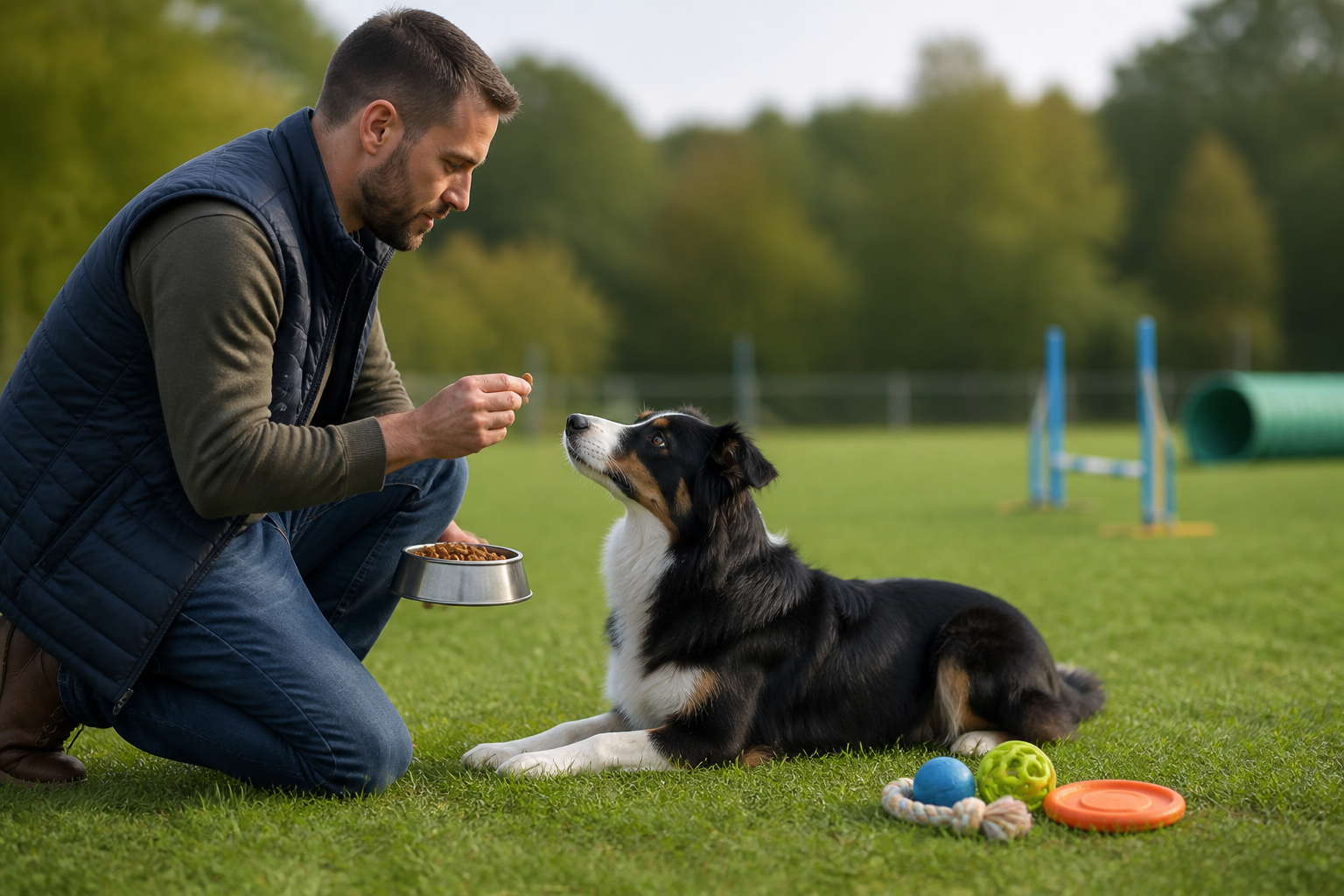
Treats should be small, purposeful, and safe. Low calorie treats can support training without overwhelming the diet. Some dogs enjoy tiny pieces of cooked lean meat, vegetables, or fruit, but safe preparation matters. Avoid grapes, raisins, onions, garlic, chocolate, xylitol, alcohol, macadamia nuts, cooked bones, and heavily seasoned foods. Fatty leftovers may trigger pancreatitis in susceptible animals. Choking hazards and foods that splinter should also be excluded.
Supplements are not automatically beneficial. Fish oil, joint products, probiotics, vitamins, and herbal preparations can interact with medicines or provide excessive nutrients. A complete diet usually makes routine multivitamins unnecessary. Ask a veterinarian before adding any supplement, particularly when a dog is pregnant, taking medication, or living with liver, kidney, gastrointestinal, or bleeding disorders.

Nutrition Across Life Stages
Puppies
Puppies grow rapidly and need controlled nutrition rather than unlimited food. Large and giant breeds are especially vulnerable to skeletal problems when growth is too fast or calcium intake is poorly managed. Use a diet designed for the puppy’s expected adult size when the manufacturer provides that distinction. Feed measured meals, monitor body condition, and avoid encouraging excessive weight.
Puppies also need safe chewing opportunities, gradual socialization, vaccination according to veterinary advice, parasite prevention, and adequate sleep. Sudden lethargy, repeated vomiting, diarrhea, weakness, or a swollen abdomen deserves urgent attention because young animals can deteriorate quickly.
Adults
Adult dogs need enough energy to maintain a stable, lean body. Activity may vary dramatically between a companion who naps indoors and a dog that hikes, hunts, herds, or trains daily. Working dogs may require more calories, but increasing portions blindly can cause digestive problems. Adjust food based on workload, body condition, stool quality, and recovery.
Senior Dogs
Aging dogs may lose muscle while gaining fat, so weight alone is not enough. Senior nutrition should preserve lean tissue, support comfortable movement, and accommodate changes in dental health or organ function. Some older dogs need softer textures, smaller meals, or diets prescribed for kidney, heart, liver, or gastrointestinal disease. Confusion, weakness, chronic pain, appetite changes, and altered bathroom habits should be evaluated rather than dismissed as normal aging.
Food Safety And Feeding Practices
Store dry food in a cool, dry place, preferably in its original bag inside a clean, sealed container. Retaining the original packaging preserves the lot number and expiration information if a concern arises. Wash food and water bowls regularly, and refrigerate opened wet food according to label instructions. Discard food that smells abnormal, shows mold, or has been contaminated by pests.
Raw diets require particular caution. Raw meat may carry bacteria that infect dogs and people, and homemade formulas can be deficient or excessive in essential nutrients. Freezing does not eliminate every hazard, and bones can damage teeth or the digestive tract. If a household includes children, older adults, pregnant people, or anyone immunocompromised, food safety deserves special consideration. Discuss any raw or homemade plan with a veterinary nutrition professional.
Slow feeders, puzzle bowls, and food toys can reduce rapid eating and provide mental stimulation. However, inspect them frequently for broken pieces, supervise initial use, and choose a design suitable for the dog’s size and chewing strength. Feeding enrichment should not replace exercise, training, affection, or rest.
Recognizing Health Problems
Changes in appetite, thirst, stool, urine, weight, energy, coat, breathing, or behavior often provide early clues. A dog that refuses food once but remains bright may simply have a minor upset; persistent refusal, repeated vomiting, bloody stool, breathing difficulty, collapse, seizures, pale gums, or suspected poisoning requires immediate professional care. Do not give human pain relievers or leftover prescriptions. Many common human medicines are dangerous to dogs.
Maintain a health record containing vaccinations, parasite treatments, medications, allergies, weight measurements, diet changes, and notable symptoms. Photos and short videos can help a veterinarian assess coughing, limping, seizures, or unusual behavior. Routine examinations allow professionals to check teeth, heart, skin, joints, body condition, and organ health before problems become advanced.
Dental And Preventive Care
Dental disease can cause pain, bad breath, tooth loss, and inflammation. Daily brushing with toothpaste made for dogs is the most reliable home measure, but introduce it gradually. Never use human toothpaste, especially products containing xylitol. Dental diets, chews, and professional cleanings may help, yet no product replaces an examination when gums bleed or chewing changes.
Preventive care also includes vaccines, parasite control, grooming, nail maintenance, identification, and safety planning. Exercise should match age, structure, fitness, temperature, and medical status. Avoid intense activity during heat, and provide rest, shade, and water.
Frequently Asked Questions
How often should I feed my dog?
Many healthy adult dogs do well with two measured meals daily. Puppies commonly need three or four smaller meals, while individual medical conditions may require another schedule. Consistency supports digestion and makes changes in appetite easier to notice. Your veterinarian can recommend timing based on age, breed, lifestyle, and health.
Is grain free food healthier?
Not automatically. Grains can provide useful nutrients and fiber, and their presence does not prove poor quality. Dogs with a confirmed allergy may need a carefully selected alternative, but true food allergies are less common than many owners assume. Discuss persistent itching, ear infections, or digestive problems with a veterinarian before changing diets.
Can dogs eat homemade food?
They can eat a homemade diet, but a recipe must be nutritionally complete and carefully formulated. Meat alone, or meat with rice and vegetables, usually lacks appropriate calcium, vitamins, minerals, or essential fatty acids. Use a veterinary nutritionist’s recipe and follow it precisely, including required supplements.
Should I leave food out all day?
Free-choice feeding can encourage overeating and makes appetite changes difficult to detect. It may be unsuitable for multi-dog homes, dogs with medical conditions, or animals prone to guarding. Measured meals generally provide better control, although a veterinarian may recommend flexible access for a particular patient.
What is the best food for allergies?
There is no universal best food. A veterinarian may recommend a strict elimination trial using a hydrolyzed or genuinely novel protein diet. During the trial, every treat, chew, flavored medicine, and supplement must be considered. Improvement followed by relapse after reintroduction helps confirm a dietary reaction.
How can I help an overweight dog?
Ask a veterinarian to assess body condition, calorie needs, joint comfort, and possible medical contributors. Measure every calorie, reduce extras, and increase activity gradually. Weight loss should be steady, not extreme. Prescription weight management diets can provide volume and nutrients with fewer calories, making adherence easier.
Are supplements necessary for joint or coat health?
Some supplements may help selected dogs, but quality, dosage, and evidence vary. They can also interact with medicines or worsen certain conditions. Begin with a complete diet and veterinary assessment. A supplement should have a specific purpose, reliable labeling, and a monitoring plan rather than being added simply because it is popular.
Conclusion
Dog health and nutrition are most successful when they are individualized, measurable, and reviewed regularly. Choose a complete diet suited to life stage, measure portions, maintain a lean body, provide clean water, limit unsafe extras, and introduce changes gradually. Combine nutrition with dental care, exercise, preventive medicine, enrichment, and attentive observation.
Owners do not need to follow every trend to care well for a dog. They need dependable information, consistent routines, and a willingness to seek help when something changes. Product labels can guide everyday decisions, while veterinarians can interpret symptoms, design therapeutic diets, and address complex nutritional needs. By treating food as part of a complete health system, families can support stronger bodies, calmer routines, and more comfortable, active lives for their canine companions.