Dog Health & Nutrition: Dog Health & Nutrition: Understanding Dog Health And Nutrition
Dog health and nutrition are closely connected. A balanced diet supplies energy, supports growth, maintains muscles, strengthens immunity, and helps the body repair itself. However, nutrition is only one part of responsible care. Exercise, preventive veterinary visits, dental hygiene, mental stimulation, safe housing, and observation of changing behavior all contribute to a dog’s quality of life. The best feeding plan therefore considers the individual animal rather than relying on a fashionable ingredient, a dramatic label, or advice intended for a different dog.
A useful nutrition approach begins with accurate information. Owners should know their dog’s age, current weight, ideal body condition, activity level, reproductive status, medical history, allergies, and medications. Puppies need nutrients for development, while adults need maintenance and senior dogs may benefit from adjustments supporting joints, digestion, or organ function. Large breed puppies have especially precise mineral requirements because excessive growth can affect developing bones. Pregnant and nursing dogs also require carefully increased calories and nutrients under professional guidance.
Choosing A Complete Diet
A commercial food described as complete and balanced should meet established nutritional standards for the dog’s life stage. Read the packaging carefully, because a food intended only for intermittent feeding may not provide every essential nutrient. Ingredients can help identify major components and possible sensitivities, but the ingredient list alone does not prove that one product is superior. Nutritional adequacy, quality control, digestibility, feeding research, and the manufacturer’s transparency are all important.
Choose a formula suited to the dog’s age and size, then compare its calorie content with the recommended daily amount. Feeding directions are useful starting points, not absolute rules. Two dogs of the same weight can require noticeably different quantities because metabolism and activity vary. Measure meals with a standard cup or, more accurately, a kitchen scale. Free feeding can encourage overeating, especially in dogs that are inactive or highly food motivated.
Evaluating Ingredients And Claims
Protein provides amino acids for muscles, skin, blood, enzymes, and immune functions. Fat supplies concentrated energy and helps the body absorb fat soluble vitamins. Carbohydrates can provide energy and fiber, although dogs differ in their tolerance and needs. Vitamins and minerals must remain in appropriate proportions; more is not always better. Excessive supplementation can be harmful, particularly with vitamins A and D or minerals such as calcium.
Terms such as natural, premium, holistic, grain free, or human grade may sound persuasive, but they require context. Grain free does not automatically mean healthier, and grains are not inherently harmful for most dogs. Some dogs have genuine food allergies, yet these are less common than environmental allergies or food intolerance. If a dog has persistent itching, ear problems, vomiting, or diarrhea, a veterinarian should investigate rather than relying on unverified marketing claims.
Managing Portions And Body Condition
Maintaining an appropriate body condition is one of the most effective ways to support long term health. Excess weight increases strain on joints, raises the risk of metabolic disease, and can reduce stamina. A very thin dog may lack adequate calories, have an underlying illness, or be losing nutrients through digestive problems. Owners should regularly feel the ribs, inspect the waist from above, and view the abdominal tuck from the side. Ribs should be easy to feel beneath a thin covering of fat, without being sharply visible in a healthy average dog.
Treats, chews, table scraps, and food used for training all contribute calories. Ideally, these extras should remain a small portion of daily intake. When frequent rewards are necessary, use tiny pieces of the dog’s regular food or low calorie treats. Reduce meal portions slightly if treats are substantial, but avoid making large changes without considering nutrient balance. Sudden restriction can cause hunger, frustration, and rapid weight loss.
Weight should be changed gradually. A veterinarian can calculate a safe calorie target and determine whether disease is affecting weight. Never use human weight loss products, laxatives, or appetite suppressants unless specifically prescribed for that animal. Regular weighing is helpful; small changes are easier to address than dramatic shifts.

Water, Digestion, And Feeding Routine
Fresh, clean water should be available at all times. Increased thirst may occur after exercise or in warm weather, but persistent excessive drinking or urination can signal kidney disease, diabetes, hormonal disorders, or medication effects. A noticeable reduction in drinking can also be concerning, particularly when accompanied by lethargy, vomiting, or dry gums.
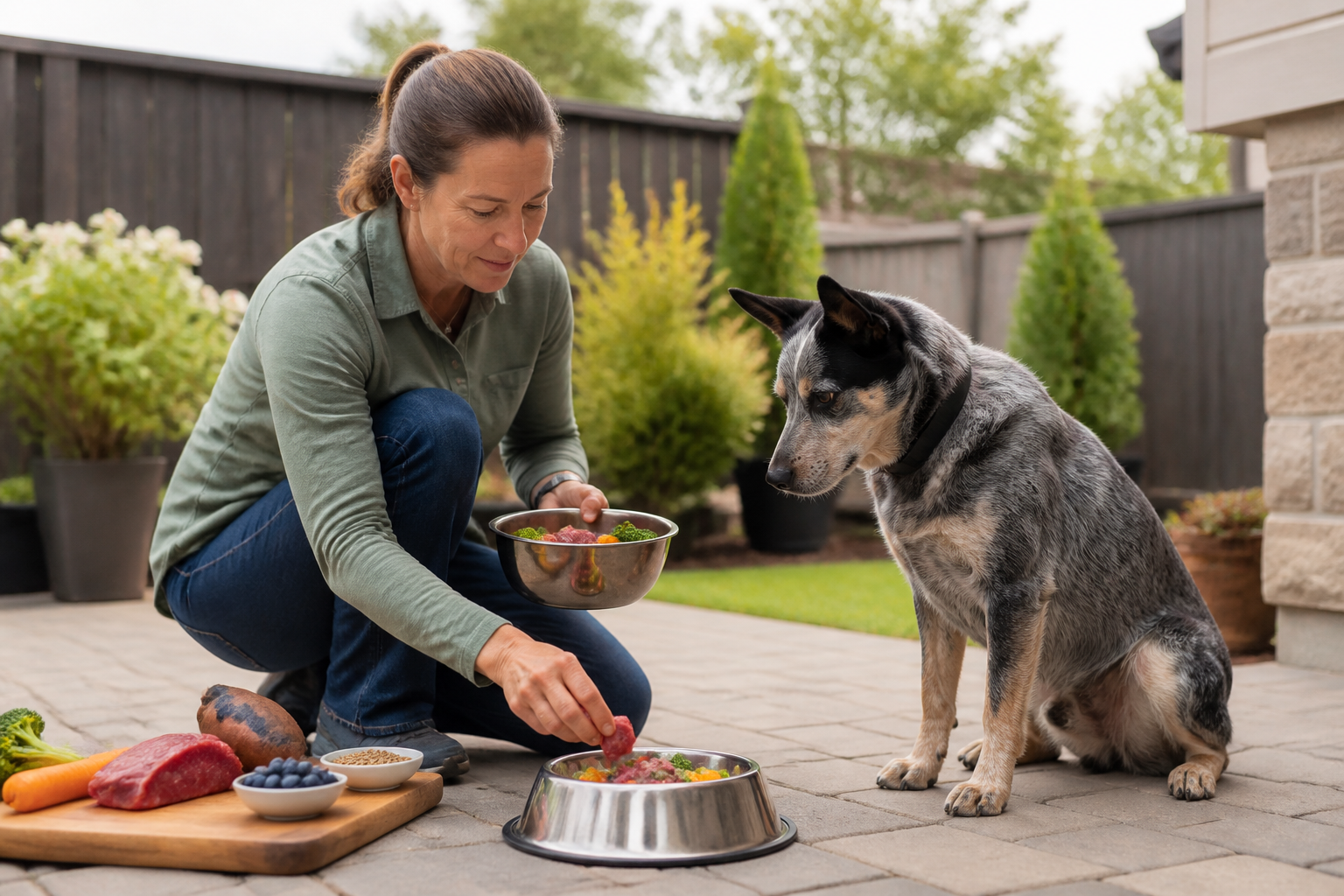
Most healthy dogs digest consistent diets well. Introduce a new food gradually over approximately one week by mixing increasing amounts of the new formula with the old one. Sensitive dogs may need a slower transition. Abrupt changes can produce loose stool, gas, or vomiting, although ongoing symptoms should not be dismissed as simple adjustment. Serve meals in a calm area, and consider puzzle feeders or slow feeding bowls for dogs that gulp. These tools can reduce choking risk, boredom, and swallowed air.
Some dogs benefit from smaller, more frequent meals. Large, deep chested dogs may require special discussion with a veterinarian because gastric dilatation and volvulus, commonly called bloat, is an emergency. Warning signs include repeated unproductive retching, a swollen abdomen, restlessness, weakness, or collapse. Immediate emergency care is essential.
Nutritional Needs Through Life
Puppies
Puppies need energy, protein, essential fats, and carefully balanced minerals for rapid development. Feed a diet labeled for growth, and follow professional advice for large or giant breeds. Overfeeding can accelerate growth and increase orthopedic stress, so a round belly is not a sign of ideal health. Puppies usually need several measured meals daily, with the schedule gradually changing as they mature. Safe chew toys and supervised exploration support development without replacing nutrition.
Adult Dogs
Adult dogs generally need a maintenance diet matched to activity. Working, sporting, or highly active dogs may require more calories, while sedentary dogs may need fewer. A healthy adult should retain muscle and stable energy without constant hunger or unexplained fatigue. Reassess portions after changes in exercise, household routine, sterilization, or illness.
Senior Dogs
Aging dogs vary considerably. Some remain active, while others lose muscle, develop dental disease, or experience reduced kidney, liver, or heart function. Senior diets may emphasize digestible protein, appropriate calories, joint supportive nutrients, or controlled minerals, but no single formula suits every older dog. Veterinary examinations and blood tests can guide choices. Softening food may help a dog with painful teeth, but dental treatment should not be postponed.
Supplements, Homemade Diets, And Safety
Supplements should have a clear purpose and professional justification. Fish oil may support selected skin or joint conditions, but dose and product purity matter. Probiotics can help some digestive problems, though effects vary by strain. Joint products may provide modest support, but they cannot replace weight management or medical treatment. Discuss every supplement with a veterinarian, especially when the dog takes medication or has liver, kidney, bleeding, or digestive disease.
Homemade diets can be appropriate when formulated by a veterinary nutrition specialist. Recipes found online often omit essential calcium, trace minerals, vitamins, or correct fatty acid proportions. Meat alone is not a complete diet. Raw diets also carry risks involving bacterial contamination, parasites, bone injuries, and nutrient imbalance. Freezing does not reliably eliminate every hazard. Pregnant people, young children, older adults, and immunocompromised household members may be particularly vulnerable to pathogens. Careful hygiene is essential if raw ingredients are used.
Store food in its original packaging or a clean, sealed container, away from heat and moisture. Wash bowls regularly, check expiration dates, and discard food with mold, unusual odor, or damaged packaging. Keep toxic foods inaccessible. Chocolate, xylitol, grapes, raisins, onions, garlic, alcohol, caffeine, macadamia nuts, and certain bones can cause severe illness. If ingestion occurs, contact a veterinarian or animal poison service promptly rather than waiting for symptoms.
Supporting Complete Wellness
Nutrition works best alongside daily movement suited to the dog’s age and physical ability. Walks provide exercise and sensory enrichment, while training, scent games, and food puzzles encourage problem solving. Increase activity gradually, especially after illness or inactivity. Observe breathing, gait, recovery time, and enthusiasm. Limping, persistent coughing, exercise intolerance, or sudden reluctance deserves veterinary attention.
Dental care is another essential component. Brushing with pet safe toothpaste is the most effective home measure. Human toothpaste may contain xylitol or other unsafe ingredients. Dental diets, chews, and professional cleaning can complement brushing but do not eliminate the need for examinations. Bad breath, drooling, bleeding gums, difficulty chewing, or dropping food may indicate painful disease.
Preventive healthcare includes vaccinations, parasite control, reproductive planning, identification, and routine examinations. These measures help detect problems before appetite or weight changes become severe. Keep a simple record of meals, treats, weight, stool quality, medications, and unusual symptoms. Such information helps veterinarians recognize patterns and make better recommendations.
Frequently Asked Questions
How much should my dog eat?
Begin with the calorie guidance on a complete food label, then adjust according to body condition, weight trend, and activity. Measuring food is more reliable than estimating. A veterinarian can provide a personalized target for dogs with obesity, illness, unusual activity, or special life stages.
Is grain free food necessary?
Usually not. Most dogs digest properly cooked grains without difficulty, and grain free food does not automatically prevent allergies or improve health. Use a specialized diet only for a documented medical reason or a clearly justified nutritional plan discussed with a professional.
Can dogs eat human food?
Some plain foods, including cooked lean meat, carrots, green beans, or small amounts of pumpkin, may be suitable treats. Avoid toxic ingredients, rich sauces, excessive fat, and seasoned leftovers. Human food should never displace a complete diet or become the main calorie source.
Should I give daily vitamins?
A healthy dog eating a complete diet generally does not need routine vitamins. Unnecessary supplements can create excesses or interact with medication. Ask a veterinarian before adding any product, including herbal remedies.
What does vomiting or diarrhea mean?
A single mild episode may follow dietary indiscretion, but repeated symptoms, blood, pain, fever, dehydration, weakness, or refusal to drink requires prompt veterinary advice. Puppies, seniors, and dogs with chronic disease can deteriorate quickly. Do not give human medicines unless prescribed.
How do I know whether my dog is overweight?
Feel the ribs and look for a visible waist and abdominal tuck. If ribs are difficult to feel, the waist is absent, or the dog tires easily, seek an assessment. Body condition scoring is more useful than a breed’s supposed ideal weight.
Are raw bones safe?
Raw and cooked bones can break teeth, cause choking, or obstruct or injure the digestive tract. Cooked bones are especially prone to splintering. Choose veterinarian approved alternatives and supervise chewing. No chew is completely risk free.
Can nutrition cure disease?
Nutrition can support treatment and may be central to managing selected conditions, including obesity, kidney disease, urinary problems, or food responsive disorders. It cannot diagnose or cure every illness. A therapeutic diet should be selected and monitored by a veterinarian.
Conclusion
Dog health and nutrition depend on consistent, individualized decisions rather than one universal food or supplement. Feed a complete diet appropriate for life stage, measure portions, provide fresh water, and monitor body condition. Introduce changes gradually, limit treats, protect food from contamination, and avoid toxic ingredients. Exercise, dental care, enrichment, parasite prevention, and regular veterinary examinations complete the foundation.
When appetite, weight, thirst, digestion, energy, skin, coat, or behavior changes, treat the change as useful information. Early professional guidance can prevent a manageable concern from becoming a serious problem. By combining evidence based feeding with attentive daily care, owners can support healthy growth, comfortable aging, resilience, and a rewarding relationship throughout their dog’s life. The goal is not merely a full bowl, but nourishment that matches changing needs and supports every aspect of wellbeing.