
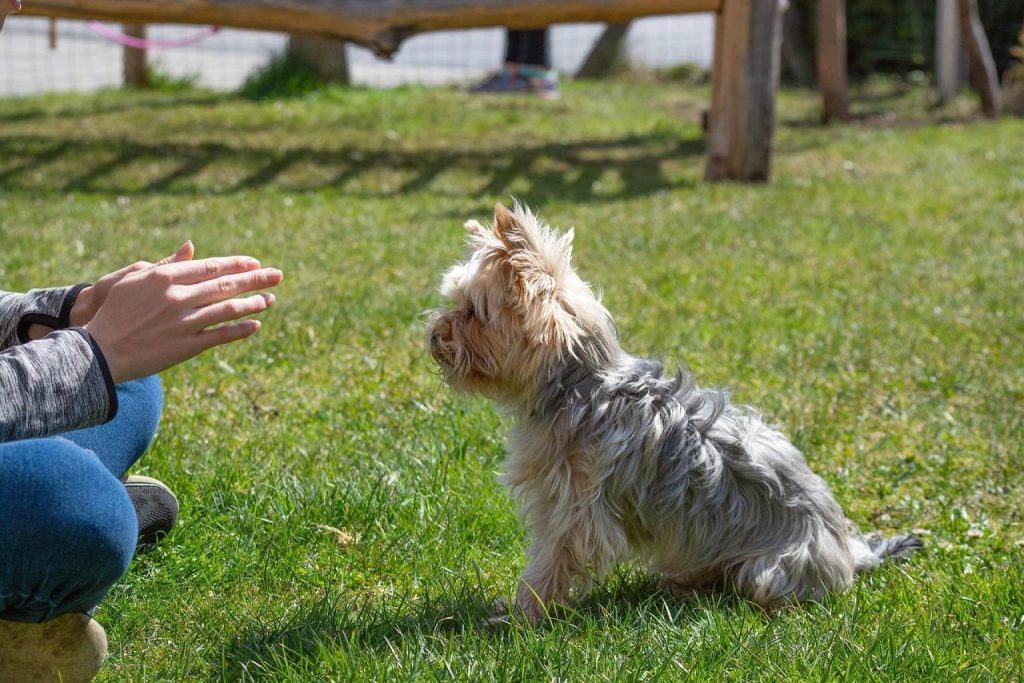
Introduction:
Positive reinforcement dog training is a popular and effective method used by many pet owners to teach their furry friends new behaviors and commands. This method involves rewarding your dog for good behavior with treats, toys, or praise. Treats are often the most preferred reward because they are quick, easy, and can be used to reinforce positive behaviors immediately. In this article, we will discuss the best treats to use for positive reinforcement dog training and how to effectively incorporate them into your training routine.
Section 1: Choosing the Right Treats
When it comes to choosing treats for positive reinforcement dog training, it is important to consider a few key factors. First, you want to select treats that are small and easy to chew, as you will be using them frequently during training sessions. Additionally, you want to choose treats that are high in value to your dog, meaning they are something your dog really enjoys and is willing to work for. This could be a special type of treat, such as freeze-dried liver or cheese, or even small pieces of cooked chicken or hot dogs.
It is also important to consider the nutritional content of the treats you are using. You want to make sure that the treats are healthy and not loaded with unhealthy ingredients or fillers. Look for treats that are made with high-quality, natural ingredients and are free from artificial colors, flavors, and preservatives. You can also consider using your dog’s regular kibble as treats, especially if your dog is on a special diet or has food sensitivities.
Section 2: Training Treats vs. Everyday Treats
When it comes to positive reinforcement dog training, it is important to distinguish between training treats and everyday treats. Training treats are special treats that are reserved specifically for training sessions and are used to reward your dog for good behavior. These treats should be high in value and something that your dog really loves. Everyday treats, on the other hand, are treats that you give your dog on a regular basis for fun or as a snack. These treats can be lower in value and do not necessarily need to be used for training purposes.
It is important to keep training treats separate from everyday treats to maintain their value and effectiveness during training sessions. If you use the same treats for training and everyday use, your dog may become less motivated to work for the treats during training sessions. By keeping training treats special and rewarding, you can ensure that your dog stays engaged and motivated during training.
Section 3: Homemade Treats
Homemade treats can be a great option for positive reinforcement dog training, as they allow you to control the ingredients and ensure that your dog is getting a healthy and nutritious reward. There are many simple and easy recipes available for homemade dog treats that you can make at home using ingredients you likely already have in your kitchen.
Some popular homemade treat recipes include peanut butter and banana treats, pumpkin and oatmeal treats, and sweet potato and apple treats. These treats are typically made with ingredients like whole wheat flour, oats, fruits, vegetables, and natural sweeteners like honey or maple syrup. By making your own treats, you can avoid artificial ingredients, preservatives, and fillers that are often found in store-bought treats.
When making homemade treats for your dog, be sure to follow the recipe closely and avoid using ingredients that may be harmful to dogs, such as chocolate, onions, garlic, or xylitol. It is also important to consider any food allergies or sensitivities that your dog may have when selecting ingredients for homemade treats.
Section 4: Store-Bought Treats
Store-bought treats are a convenient option for positive reinforcement dog training, as they are readily available at pet stores, grocery stores, and online retailers. There are many different types of store-bought treats to choose from, including soft treats, crunchy treats, freeze-dried treats, and jerky treats. When selecting store-bought treats for training, it is important to read the ingredient list and choose treats that are made with high-quality, natural ingredients.
Look for treats that are free from artificial colors, flavors, and preservatives, and opt for treats that are made with real meat, fish, or poultry as the first ingredient. Avoid treats that contain fillers such as corn, wheat, or soy, as these ingredients are not easily digestible and may cause digestive issues in some dogs. It is also a good idea to choose treats that are made in the USA or another reputable country, as these treats are typically held to higher quality and safety standards.
When using store-bought treats for training, it is important to consider the size and texture of the treats. Choose treats that are small and easy for your dog to chew, as you will be using them frequently during training sessions. You can also break larger treats into smaller pieces to make them more manageable for your dog. Additionally, consider the calorie content of the treats you are using, especially if you are using a high volume of treats during training. You may need to adjust your dog’s regular meals to account for the extra calories from training treats.
Section 5: Training Tips
Incorporating treats into your positive reinforcement dog training routine can be a highly effective way to teach your dog new behaviors and commands. To ensure success, it is important to follow some key training tips when using treats as rewards.
First, be sure to reward your dog immediately after they perform the desired behavior. This will help your dog make the connection between the behavior and the reward. Use a marker word, such as “yes” or “good,” to mark the desired behavior and then give your dog a treat as a reward.
Second, vary the types of treats you use during training sessions to keep your dog motivated and interested. Use a mix of high-value treats, such as freeze-dried liver or cheese, and lower-value treats, such as your dog’s regular kibble. This will help prevent your dog from becoming bored with the same treats and will keep them engaged in the training process.
Third, be consistent with your rewards and only give your dog a treat when they perform the desired behavior. Avoid giving your dog treats for behaviors that are not part of the training plan, as this can confuse your dog and make it harder for them to understand what is expected of them. Consistency is key to successful positive reinforcement training.
Finally, keep training sessions short and sweet to prevent your dog from becoming overwhelmed or losing interest. Aim for 5-10 minute training sessions several times a day, rather than one long session. This will help keep your dog focused and engaged and will make training more enjoyable for both you and your furry friend.
Conclusion:
Using treats for positive reinforcement dog training can be a fun and effective way to teach your dog new behaviors and commands. By choosing the right treats, whether homemade or store-bought, and following key training tips, you can create a rewarding training experience for you and your furry friend. Remember to keep training sessions positive and rewarding, and always be patient and consistent with your training efforts. With time and practice, you and your dog will be well on your way to a happy and well-behaved companion.