

Dog Health & Nutrition: Dog Health & Nutrition: Understanding Dog Health And Nutrition
Dog health and nutrition depend on consistent care, suitable food, regular activity, preventive medicine, and attentive observation. A nutritious diet supplies energy, supports growth, maintains muscles, strengthens bones, and helps the immune system respond effectively. However, food is only one part of a broader health plan. Dogs also need clean water, appropriate exercise, mental stimulation, dental care, safe surroundings, and dependable veterinary guidance.
Every dog is an individual. Age, size, breed, body condition, activity level, reproductive status, allergies, and medical history influence nutritional needs. A rapidly growing puppy should not automatically receive the same food or portions as an elderly companion. Likewise, a working dog may require more calories than a sedentary pet. Understanding these differences helps owners choose responsibly rather than relying on attractive packaging, trends, or assumptions.
Product Description
A complete dog health and nutrition program is a practical framework for supporting a dog throughout life. It combines balanced food, measured feeding, hydration, exercise, monitoring, and preventive care. The central product, whether represented by a commercial diet, feeding plan, or wellness routine, should be evaluated according to nutritional adequacy, safety, digestibility, suitability, and consistency.
Commercial dog foods may be available as dry kibble, canned food, refrigerated meals, freeze dried recipes, or carefully formulated fresh diets. A reliable product should identify the animal species for which it is intended, provide feeding directions, list ingredients clearly, and state that it meets recognized nutritional standards for the relevant life stage. Marketing language such as natural, premium, ancestral, or holistic can be appealing, but it does not independently prove that a food is complete or superior.
Selecting A Suitable Diet
Begin by identifying the dog’s life stage. Puppy formulas generally provide carefully controlled energy and nutrients for development, while adult maintenance foods support stable body condition. Senior foods may emphasize digestibility, moderate calories, or nutrients selected for aging bodies, although senior requirements vary considerably. Large breed puppies need special attention because excessive energy or mineral imbalance can contribute to skeletal problems.
Read the guaranteed analysis and feeding statement, but interpret them thoughtfully. Protein and fat percentages provide useful information, yet they do not reveal ingredient quality, digestibility, amino acid balance, or calorie density by themselves. The ingredient list can identify major components and possible allergens, but ingredients are listed by weight before processing, so comparisons may be misleading. When a dog has a medical condition, a veterinarian should help select therapeutic nutrition.
Portion guidance on packaging is a starting point, not an unchangeable prescription. Instructions may overestimate or underestimate individual needs. Weighing food with a kitchen scale is usually more accurate than using a cup, particularly for small dogs. Adjust portions gradually according to body condition, weight trends, activity, and veterinary advice. Treats, chews, table scraps, and supplements contribute calories and should remain within the daily plan.
Essential Nutrients
Dogs require water, proteins, fats, carbohydrates, vitamins, and minerals. Water is the most immediately important nutrient. Offer fresh water at all times, wash bowls regularly, and provide additional access during hot weather, exercise, illness, or travel. Sudden excessive drinking, unusually frequent urination, or refusal to drink deserves professional attention.
Protein supplies amino acids used to build and repair muscles, skin, hair, enzymes, hormones, and immune components. Fats provide concentrated energy and support cell membranes, brain function, and absorption of fat soluble vitamins. Essential fatty acids, including omega three and omega six fats, must be balanced appropriately. Carbohydrates are not universally required in the same way as certain amino acids, but digestible carbohydrate sources can provide energy and fiber.
Fiber supports intestinal function and may help regulate stool quality, satiety, and blood glucose. Too much fiber, abrupt dietary change, or poorly tolerated ingredients can cause gas or diarrhea. Vitamins and minerals are necessary in precise amounts. More is not automatically better; excessive calcium, vitamin D, or other supplements can be harmful, especially for puppies. Never add supplements routinely without discussing them with a veterinarian.
Feeding For Every Life Stage
Puppies
Puppies grow rapidly and need nutrient dense food in carefully measured portions. Young puppies often benefit from several small meals daily, while older puppies can gradually move toward fewer meals. Follow the manufacturer’s instructions and monitor growth rather than encouraging maximum speed. Healthy growth should be steady, with visible development and an appropriate body condition.
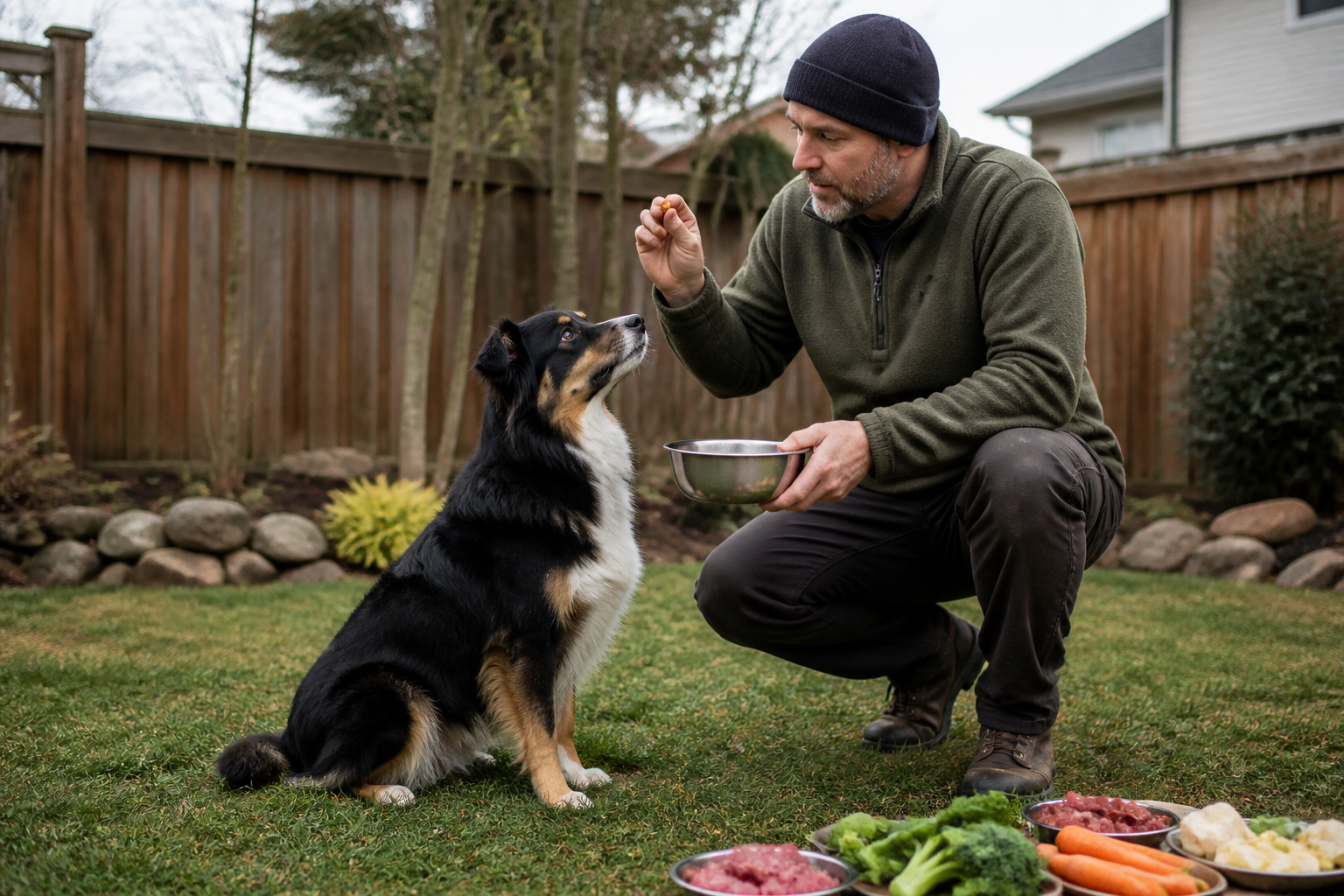
Puppies explore with their mouths, so supervise chewing and select safe, size appropriate toys and treats. Avoid cooked bones, toxic foods, and objects that can splinter or obstruct the intestine. Vaccinations, parasite prevention, socialization, and early dental care are equally important parts of a puppy wellness plan.
Adults
Adult dogs usually need a maintenance diet matched to their activity and body condition. A dog that gains weight after sterilization, reduced exercise, or lifestyle change may need fewer calories, not an unbalanced restrictive diet. Active dogs may require more energy, but extra food should be introduced gradually. Regular weighing helps detect change before obesity becomes established.
Seniors
Aging dogs can experience reduced activity, muscle loss, dental disease, kidney changes, arthritis, or altered appetite. There is no single ideal senior diet. Some dogs need calorie control, while others need energy dense meals to prevent weight loss. Softer textures, smaller meals, or warmed food may improve acceptance. New thirst, appetite changes, vomiting, weakness, confusion, or weight loss should prompt veterinary assessment rather than being dismissed as normal aging.

Body Condition And Weight Management
Body condition is more informative than appearance alone. In an ideal dog, ribs should be easy to feel beneath a thin covering of fat, the waist should be visible from above, and the abdomen should rise gently toward the hind legs when viewed from the side. Prominent ribs, a thickened waist, or difficulty feeling bones may indicate underweight or overweight status.
Obesity increases stress on joints and may raise the risk of diabetes, breathing difficulty, heart strain, heat intolerance, and certain inflammatory problems. Safe weight reduction requires a measured plan. A veterinarian can calculate calorie targets, assess underlying disease, and recommend suitable exercise. Reduce calories gradually and preserve protein and essential nutrients. Crash dieting, skipping meals, or replacing balanced food with unregulated homemade recipes can create deficiencies.
Treats are useful for training and bonding, but they should remain a small proportion of daily calories. Break larger treats into tiny pieces, use part of the regular meal as rewards, and offer low calorie alternatives when appropriate. Never give chocolate, grapes, raisins, onions, garlic, xylitol, alcohol, caffeine, macadamia nuts, or cooked bones. Contact an emergency veterinary service immediately if ingestion may have occurred.
Digestion, Allergies, And Food Changes
Healthy digestion commonly produces consistent, formed stools, normal appetite, and comfortable elimination. Occasional soft stool can follow stress or dietary change, but persistent diarrhea, repeated vomiting, blood, black stool, abdominal pain, or lethargy requires veterinary advice. Puppies, elderly dogs, and animals with chronic disease can deteriorate quickly.
Change foods over approximately seven days by mixing increasing amounts of the new diet with decreasing amounts of the old one. A slower transition may be appropriate for sensitive dogs. Sudden changes can provoke digestive upset even when both foods are nutritious.
True food allergies are less common than many owners assume, and symptoms may include itching, ear inflammation, recurrent skin problems, or gastrointestinal signs. Diagnosis generally requires a veterinarian supervised elimination diet followed by controlled reintroduction. Blood or hair tests marketed for food allergy diagnosis may not provide reliable answers. Avoid repeatedly switching foods without a clear plan, because doing so can complicate evaluation.
Homemade diets can be appropriate when formulated by a board certified veterinary nutritionist and followed precisely. Recipes found online may lack calcium, essential fatty acids, trace minerals, or adequate vitamins. Raw diets also carry risks involving bacterial contamination, parasites, choking, dental injury, and nutritional imbalance. Families with children, older adults, pregnant people, or immunocompromised members should consider these risks especially carefully.
Daily Wellness Practices
Nutrition works best alongside predictable routines. Provide daily walks or play suited to age, breed, weather, and physical ability. Mental enrichment, such as scent games, training, puzzle feeders, and safe exploration, can reduce boredom and support emotional health. Increase exercise gradually, especially after illness or inactivity, and avoid strenuous activity in extreme heat.
Dental disease is common and can cause pain, bad breath, loose teeth, and difficulty eating. Brushing with pet safe toothpaste is the most effective home practice when introduced patiently. Dental diets, chews, and professional cleanings may help, but products should be selected for safety and used under guidance. Never use human toothpaste containing ingredients that may harm dogs.
Preventive veterinary examinations allow early detection of problems. Maintain vaccinations, parasite control, dental evaluations, and screening appropriate to local risks and the dog’s age. Keep records of food, medications, weight, stool patterns, and unusual symptoms. This information helps a veterinarian identify trends and make precise recommendations.
Frequently Asked Questions
How Much Should A Dog Eat?
There is no universal portion. Start with the food’s calorie information and feeding guide, then adjust for body condition, activity, age, and health. Weigh food when possible and reassess regularly. A veterinarian can provide a more accurate target for growing, pregnant, overweight, or medically fragile dogs.
Are Grain Free Foods Healthier?
Not automatically. Grains can provide digestible nutrients and fiber, and their presence does not prove poor quality. Grain free diets may be appropriate for a documented allergy, but true grain allergy is uncommon. Discuss diet selection with a veterinarian, particularly when considering an unconventional formula or when a dog has heart concerns.
Can Dogs Eat Human Food?
Some plain foods, including small amounts of cooked lean meat, certain vegetables, or unsweetened pumpkin, may be suitable for many dogs. Portions must be controlled, and foods should not replace a complete diet. Avoid seasoned, fatty, salty, sweetened, or toxic foods. Ask a professional before sharing food with a dog that has pancreatitis, kidney disease, diabetes, or allergies.
Should Dogs Take Supplements?
Healthy dogs eating a complete, balanced diet generally do not need routine supplements. Unnecessary products may interact with medication or cause toxicity. Supplements for joints, skin, digestion, or other concerns should be chosen with veterinary input, because evidence, dosage, purity, and suitability vary.
How Can I Tell If Food Is Working?
Look for stable weight, good energy, comfortable digestion, healthy skin, a glossy coat appropriate to the breed, and normal appetite. These signs do not replace veterinary examinations, but they offer useful everyday evidence. Record changes and seek advice when abnormalities persist or appear suddenly.
What Are Signs Of An Emergency?
Seek urgent care for difficulty breathing, collapse, repeated unproductive retching, severe abdominal swelling, seizures, poisoning, uncontrolled bleeding, inability to urinate, pale gums, or sudden extreme weakness. Nutrition problems can become emergencies when vomiting, diarrhea, or refusal to eat causes dehydration, especially in young or vulnerable dogs.
Conclusion
Dog health and nutrition are best managed through informed consistency rather than fashionable claims or isolated ingredients. Choose a complete diet appropriate for the dog’s life stage, measure portions, provide clean water, and monitor body condition. Support feeding with exercise, enrichment, dental care, parasite prevention, vaccinations, and regular veterinary examinations.
Observe the whole animal: appetite, weight, stool, coat, movement, mood, thirst, and behavior. Small changes may reveal a developing problem, while steady routines make healthy choices easier. Treats and supplements should fit within the wider plan, and homemade or unconventional diets deserve professional formulation and monitoring.
The most valuable nutrition strategy is individualized. A veterinarian can interpret breed, lifestyle, medical history, laboratory findings, and changing needs. With careful observation and timely guidance, owners can help dogs maintain strength, comfort, healthy aging, and a rewarding quality of life. Balanced food is the foundation, but daily attention transforms that foundation into lasting wellness.