

Dog Health & Nutrition: Dog Health & Nutrition: Understanding Dog Health And Nutrition
A healthy dog depends on coordinated care rather than one isolated food, supplement, or treatment. Nutrition supplies energy and building materials, while exercise, preventive medicine, dental care, rest, behavior support, and observation help the body use those resources effectively. The right plan varies with age, breed, size, activity, reproductive status, environment, and medical history. A growing puppy has different needs from an elderly companion, and an athletic dog requires a different energy intake from a sedentary one.
Dog health and nutrition products should therefore be viewed as practical tools within a broader care routine. A complete diet can support normal growth, muscle maintenance, immune function, skin, coat, digestion, and healthy bones. However, packaging claims should never replace professional advice. Ingredients, nutrient levels, feeding directions, manufacturing standards, and evidence behind benefits all deserve attention. Owners should also recognize that changes in appetite, thirst, weight, stool, movement, or behavior can signal illness.
A thoughtful approach begins with a veterinary examination and a realistic assessment of the dog’s daily life. Record current weight, body condition, activity, existing diagnoses, medications, allergies, and typical meals. This information allows a veterinarian to recommend appropriate food and identify risks before they become serious. Regular reassessment matters because nutritional needs change across life stages.
Choosing A Complete Diet
Essential Nutrients
Dogs require water, protein, fats, carbohydrates, vitamins, minerals, and adequate energy. Protein provides amino acids for muscles, organs, enzymes, hormones, skin, and immune defenses. Fats are concentrated energy sources and help absorb fat soluble vitamins. Essential fatty acids contribute to healthy skin, a resilient coat, and normal cellular function. Carbohydrates can supply energy and fiber, although dogs differ in their tolerance and response to particular ingredients.
Vitamins and minerals must be present in balanced amounts. More is not automatically better: excessive calcium, vitamin D, or certain supplements can cause harm, particularly in puppies or dogs with kidney, liver, or endocrine disease. Water is equally important. Fresh, clean water should be available every day, with additional attention during heat, exercise, illness, or travel.
Look for food identified as complete and balanced for the dog’s appropriate life stage. A reputable manufacturer should provide clear feeding guidance, contact information, quality control practices, and nutritional analysis. Ingredient lists can be useful, but they do not alone prove digestibility, safety, or superiority. Terms such as natural, premium, holistic, or human grade may have limited practical meaning unless supported by precise standards and reliable evidence.
Life Stage And Body Condition
Puppies need controlled growth, appropriate protein, and carefully balanced minerals. Large breed puppies especially benefit from diets designed for their expected adult size, because excessive calories or mineral imbalance may stress developing bones and joints. Adult dogs need enough nutrients to maintain lean tissue without accumulating excess fat. Senior dogs may require adjusted calories, highly digestible protein, or diets supporting specific health concerns, but age itself does not automatically justify every supplement.
Body condition is more informative than a number on a scale. An ideal dog has ribs that can be felt beneath a light covering, a visible waist when viewed from above, and an abdominal tuck when viewed from the side. Heavy fat deposits, difficulty feeling ribs, reduced stamina, or reluctance to move suggest that the feeding plan needs review. Underweight dogs also require investigation, because poor condition may reflect inadequate calories, dental pain, parasites, digestive disease, or another disorder.
Product Description And Practical Benefits
A well designed dog health and nutrition product range may include complete meals, measured treats, dental products, feeding accessories, and carefully selected supplements. Its central purpose is to make consistent care easier while supplying nutrients appropriate to the animal’s needs. A quality food should offer dependable composition, safe manufacturing, transparent instructions, and a formulation matched to life stage and health status.
Complete food is the foundation. It can be dry, wet, refrigerated, or prepared according to a veterinary recipe, provided nutritional adequacy and safe handling are addressed. Dry diets are convenient and simple to portion. Wet food can increase moisture intake and may appeal to dogs with reduced appetite. Combining formats is acceptable when total calories remain appropriate and the products are nutritionally compatible.
Treats can support training and enrichment, but they should not displace balanced meals. Use small portions, count all extras, and choose options suited to the dog’s chewing ability. Dental chews may help reduce plaque mechanically, yet they cannot replace brushing or veterinary dental examinations. Supplements should have a specific purpose, a known dose, and professional justification. Joint, skin, digestive, or calming products may be useful for some dogs, but evidence and safety vary widely.
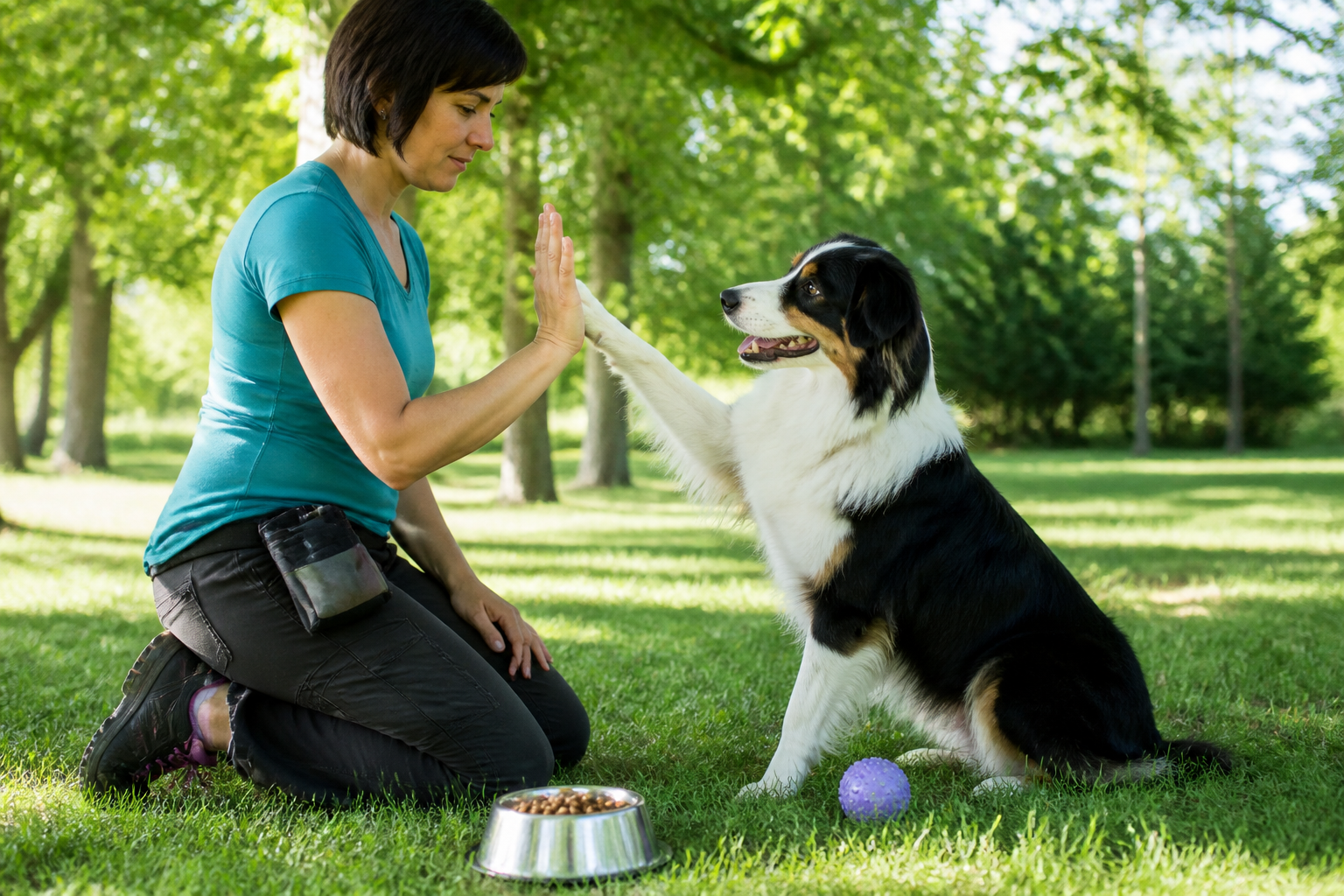
The product description should explain intended use, target life stage, serving size, storage, ingredients, guaranteed analysis, warnings, and transition advice. It should also distinguish supportive nutrition from medical treatment. No food can cure every disease, and a supplement should not delay examination when symptoms appear.
Feeding Safely And Consistently
Measure meals with a kitchen scale or a standard measuring cup rather than estimating by eye. Feeding charts are starting points, not universal prescriptions. Adjust portions according to body condition, exercise, metabolism, and changes in weight. Divide daily food into two meals for many adult dogs; puppies, dogs with certain medical conditions, or those prone to digestive upset may need different schedules.
Introduce a new diet gradually over approximately seven days. Begin with a small amount of the new food mixed into the familiar food, then increase the new proportion while decreasing the old. A slower transition may be appropriate for sensitive dogs. Vomiting, persistent diarrhea, facial swelling, breathing difficulty, or marked lethargy requires prompt veterinary attention. Never offer toxic foods such as chocolate, grapes, raisins, onions, garlic, xylitol, alcohol, or macadamia nuts.
Store food in a cool, dry place and keep packaging information available. Wash bowls regularly, prevent access to spoiled leftovers, and follow refrigeration instructions for opened wet food. Raw diets require particular caution because pathogens can affect dogs and people. Children, older adults, pregnant individuals, and immunocompromised household members face greater risk. Discuss any raw or homemade plan with a veterinary nutrition professional to prevent nutritional deficiencies.

Supporting Whole Dog Health
Nutrition works best alongside daily movement tailored to ability. Walks, play, controlled running, scent games, and training provide physical and mental stimulation. Increase activity gradually, especially after illness, surgery, or a sedentary period. Avoid intense exercise in extreme heat, and learn signs of overheating, including excessive panting, weakness, confusion, vomiting, or collapse. These signs constitute an emergency.
Preventive healthcare includes vaccinations, parasite control, dental examinations, weight monitoring, and routine wellness visits. Parasites can cause anemia, intestinal problems, skin irritation, and transmission risks. Dental disease may produce pain, bad breath, difficulty eating, and broader health complications. Brushing with toothpaste formulated for dogs is generally the most effective home measure; human toothpaste may contain unsafe ingredients.
Behavior and emotional wellbeing also influence health. Predictable routines, sufficient sleep, safe resting areas, positive reinforcement, and opportunities to investigate the environment can reduce stress. Sudden aggression, hiding, compulsive licking, house soiling, or withdrawal should not be dismissed as stubbornness. Pain, anxiety, sensory changes, or disease may be involved.
Keep a simple health record containing weights, diet changes, medications, vaccination dates, stool observations, and questions for the veterinarian. Photographs and short videos can help document gait, coughing, skin lesions, or unusual behavior. Early, accurate information often improves diagnosis and treatment.
Common Nutrition Mistakes
One frequent mistake is judging food solely by ingredient order. Ingredients are listed by weight before processing, and moisture affects comparisons. Another error is switching foods repeatedly in response to minor stool changes, which can itself cause digestive instability. Give a suitable diet time to work unless the dog develops concerning symptoms.
Overfeeding is also common because treats, chews, table scraps, and food used for medication are rarely included in calorie calculations. Ask whether every extra serves a clear purpose. Use praise, play, or low calorie rewards when possible. Never restrict food sharply without guidance, because rapid weight loss can be dangerous and an underlying condition may be missed.
Homemade diets deserve special caution. Meat and rice alone do not provide balanced nutrition, and casual online recipes may omit essential minerals or contain excessive nutrients. If home preparation is necessary, request a recipe formulated for the individual dog by a board certified veterinary nutritionist, follow it precisely, and use the specified supplement.
Finally, avoid promising products. A glossy label, dramatic testimonial, or social media recommendation does not establish safety or effectiveness. Evaluate independent research, manufacturer transparency, veterinary advice, and the dog’s measurable response.
FAQ
How much should my dog eat?
Start with the package’s calorie or portion guidance, then adjust for body condition, activity, age, and health. Weigh the dog regularly and discuss significant changes with a veterinarian. A growing puppy, nursing mother, working dog, or dog losing weight may need individualized calculations.
Are grain free diets healthier?
Not automatically. Grains can provide digestible nutrients and fiber, and avoiding them is not inherently beneficial unless a diagnosed problem requires it. Some diet associated heart concerns have been investigated in dogs eating certain grain free formulations, so discuss any planned change with a veterinarian. Do not remove ingredients based solely on marketing.
Should I give a daily multivitamin?
A dog eating a complete, balanced diet usually does not need one. Unnecessary supplementation can create toxic excesses or interfere with medications and laboratory tests. A veterinarian may recommend a specific nutrient when a deficiency, life stage, or medical condition justifies it.
What is the best food for allergies?
The best choice depends on the suspected trigger and diagnosis. Food allergy is less common than many owners assume, and itching may have environmental or parasite related causes. A veterinarian may recommend a strict elimination diet using a novel or hydrolyzed protein for a defined period. Treats and flavored medications must also be controlled.
Can dogs eat human food?
Some plain foods, including small portions of cooked lean meat, certain vegetables, or rice, may be safe, but they should remain occasional extras. Avoid toxic ingredients, fatty scraps, bones, heavily seasoned foods, and anything containing xylitol. Ask a professional before feeding human food to a dog with pancreatitis, kidney disease, diabetes, or another special condition.
When is a symptom urgent?
Seek immediate care for breathing difficulty, collapse, repeated vomiting, bloody diarrhea, suspected poisoning, seizures, severe pain, heatstroke signs, or inability to urinate. Contact a veterinarian promptly for persistent appetite loss, increased thirst, unexplained weight change, ongoing diarrhea, coughing, lameness, or major behavior changes.
Conclusion
Dog health and nutrition are lifelong processes built from informed, consistent decisions. Choose a complete diet suited to the individual, measure portions, provide clean water, introduce changes gradually, and treat supplements as targeted tools rather than necessities. Balance food with exercise, dental care, parasite prevention, vaccination, sleep, enrichment, and regular veterinary assessment.
The most valuable product is one that supports a clearly defined need, explains its use honestly, and fits into a monitored care plan. Observe the dog rather than following trends: healthy weight, comfortable movement, normal digestion, bright behavior, and a good quality of life are meaningful outcomes. When questions arise, professional guidance is safer than guesswork. Careful nutrition cannot prevent every illness, but it can strengthen daily wellbeing, reveal problems earlier, and help dogs remain active, comfortable, and connected with their families throughout every stage of life.