

Dog Health & Nutrition: Dog Health & Nutrition: Understanding Dog Health And Nutrition
Dog health and nutrition depend on consistent care, suitable food, regular activity, preventive medicine, and attentive observation. A nutritious diet supplies energy, supports muscles and organs, strengthens immunity, maintains healthy skin, and helps a dog remain active throughout life. However, nutrition is only one part of wellness. Age, breed, size, genetics, environment, behavior, and existing medical conditions all influence a dog’s needs.
A useful health plan begins with realistic goals. Puppies require nutrients for growth, adult dogs need balanced maintenance, and seniors may benefit from adjusted calories, joint support, or easier chewing. Pregnant and nursing dogs have especially demanding nutritional requirements. Working, athletic, or highly active dogs may need more energy than companion animals that spend much of the day resting.
Every dog should receive a complete and balanced food appropriate for its life stage. “Complete” means the food contains required nutrients, while “balanced” means those nutrients occur in suitable proportions. Commercial diets that meet recognized nutritional standards can be convenient and reliable. Home prepared diets may also work, but they should be formulated with a veterinary nutrition professional because small omissions can cause serious deficiencies over time.
Choosing Appropriate Food
Reading The Label
Begin by checking the intended life stage and the nutritional adequacy statement on the package. Ingredients are listed by weight, including water, so fresh meat may appear before concentrated ingredients even when the finished diet contains less meat than expected. A long ingredient list is not automatically better or worse. The complete nutrient profile, manufacturing quality, feeding directions, and suitability for the individual dog matter more than marketing language.
Protein provides amino acids for muscles, enzymes, hormones, skin, and immune function. Dogs can use protein from animal and plant sources when the overall amino acid pattern is complete. Fat supplies concentrated energy and helps absorb vitamins. Essential fatty acids support the skin barrier, coat quality, brain function, and inflammatory regulation. Carbohydrates provide energy and fiber, although their ideal amount varies by diet and medical circumstance.
Fiber can support normal stool quality, intestinal movement, and beneficial gut bacteria. Too much, however, may reduce calorie density or interfere with digestion. Vitamins and minerals are essential in precise amounts. Excess calcium can harm growing large breed puppies, while excessive vitamin D can be dangerous. For this reason, adding supplements without professional guidance is unwise, particularly when a dog already eats a complete diet.
Matching Food To The Individual
Select food according to body condition rather than appearance alone. A healthy dog generally has ribs that can be felt beneath a thin covering of fat, a visible waist from above, and an abdominal tuck from the side. Thick coats can conceal weight changes, so regular hands on checks are valuable. Body condition scoring systems help owners and veterinarians assess whether a dog is too thin, ideal, or overweight.
Feeding instructions on packaging provide a starting point, not a fixed prescription. Measure portions with a standard cup or, preferably, a kitchen scale. Adjust intake gradually according to weight, body condition, appetite, stool quality, and activity. Treats, dental chews, table food, and training rewards contribute calories. Ideally, extras should represent no more than about ten percent of daily energy intake, leaving most nutrition to the complete diet.
Fresh water must always be available. Water requirements increase during hot weather, exercise, illness, pregnancy, lactation, or feeding of dry food. Sudden changes in drinking may indicate a medical problem, especially when accompanied by frequent urination, vomiting, weakness, or weight loss. Clean bowls daily, and consider several water stations for older dogs or animals with limited mobility.
Life Stage Nutrition
Puppies
Puppies grow rapidly, so their diet must provide energy and nutrients without encouraging excessive growth. Large and giant breed puppies are particularly sensitive to imbalanced calcium and calorie intake. Choose a food specifically labeled for growth, and follow veterinary advice about portions. Divide daily food into several meals, then gradually reduce meal frequency as the puppy matures.
Puppies explore with their mouths and can swallow dangerous objects. Provide safe chew items and supervise eating. Avoid bones that splinter, very hard objects that fracture teeth, and raw products with uncertain hygiene. Safe socialization, vaccination, parasite control, sleep, and gentle exercise are as important to development as food.
Adult Dogs
Adult dogs generally thrive on predictable meals, appropriate portions, and consistent routines. Activity levels can differ dramatically between individuals of the same breed. Observe body condition rather than assuming a standard serving is correct. Dogs with allergies, digestive disease, urinary problems, kidney disease, diabetes, or other conditions may require therapeutic diets prescribed by a veterinarian.
Senior Dogs
Aging does not automatically require a special food, but changing metabolism, dental disease, reduced activity, arthritis, or organ changes may alter nutritional needs. Senior dogs benefit from regular examinations and periodic blood tests. A veterinarian may recommend fewer calories, increased protein quality, altered phosphorus, additional moisture, or a diet supporting joints and cognitive function. Never restrict protein or supplements solely because a dog is old; the correct plan depends on health status.

Supplements, Treats, And Special Diets
Supplements can be useful when a documented deficiency or medical condition exists. Fish oil, for example, may support selected dogs with inflammatory disorders, but dose, product quality, and interactions matter. Joint products vary widely in evidence and formulation. Probiotics may help some digestive problems, yet they are not universal cures. Discuss every supplement with a veterinarian, especially if the dog takes medication or has liver, kidney, bleeding, or gastrointestinal disease.
Treats are valuable for training and enrichment, but frequent high calorie rewards can gradually cause obesity. Break treats into small pieces, use part of the dog’s regular ration during training, or offer low calorie options approved for canine consumption. Avoid foods that are toxic or hazardous, including chocolate, grapes and raisins, onions, garlic, xylitol, alcohol, caffeine, macadamia nuts, and cooked bones. Fatty leftovers may trigger digestive upset or pancreatitis.
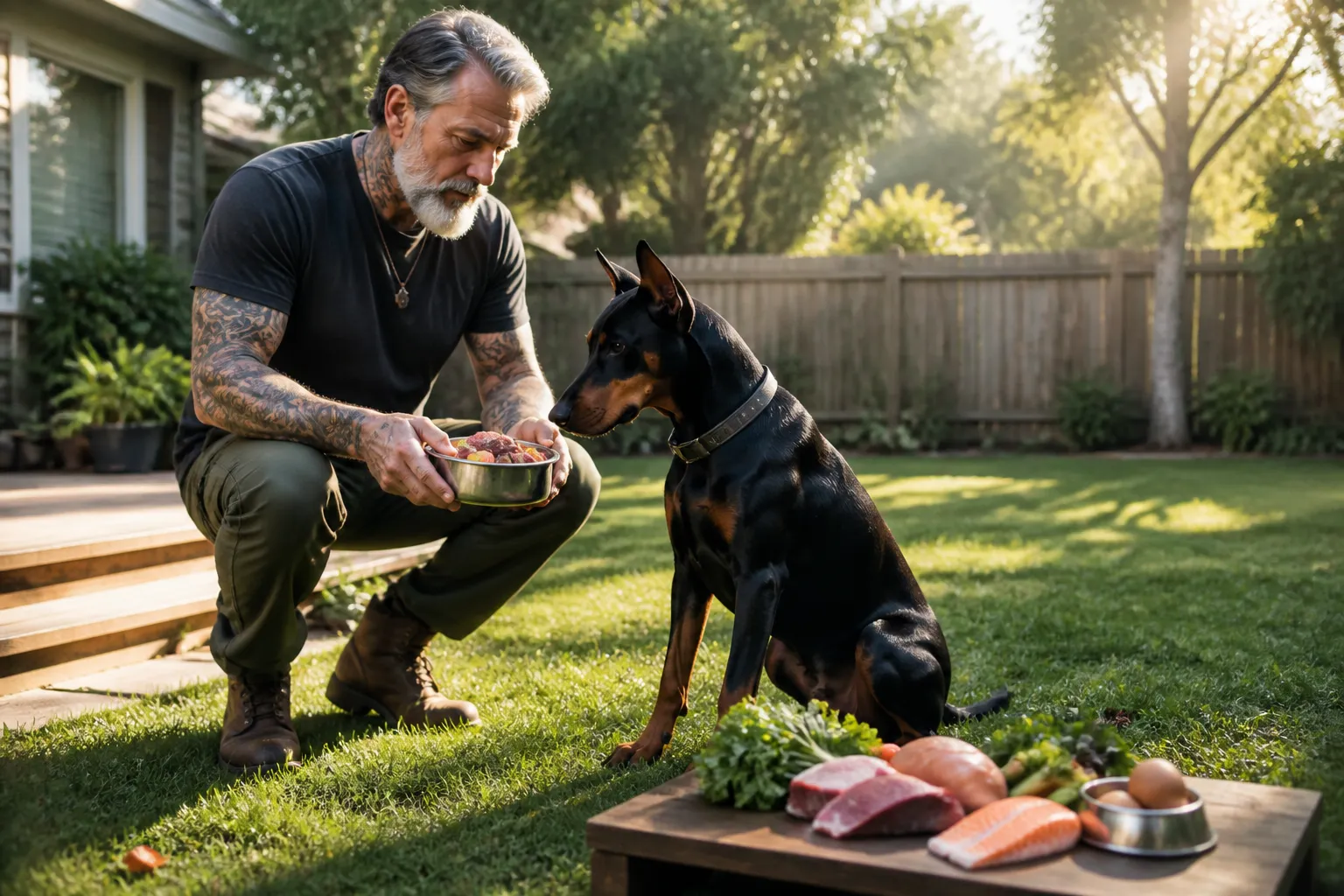
Raw and homemade diets require careful evaluation. Raw feeding can expose animals and people to pathogens, and nutritional imbalance is possible. Freezing does not eliminate every hazard. Homemade meals often lack calcium, iodine, essential fatty acids, or specific vitamins unless professionally formulated. If a family chooses such an approach, strict hygiene, accurate weighing, and regular veterinary monitoring are essential.
Supporting Everyday Wellness
Nutrition works best alongside preventive care. Vaccinations protect against important infectious diseases, while parasite prevention reduces risks from fleas, ticks, heartworms, and intestinal worms. Dental care deserves daily attention because plaque can harden into tartar and contribute to pain, inflammation, tooth loss, and systemic effects. Tooth brushing with pet safe toothpaste is most effective, but veterinary dental assessments may also be needed.
Exercise should match age, breed, fitness, weather, and medical status. Walks provide movement and mental stimulation, while scent games, puzzle feeders, training, and controlled play support cognitive health. Increase activity gradually, especially after illness or inactivity. Avoid strenuous exercise in extreme heat. Signs of overheating include heavy panting, weakness, drooling, confusion, vomiting, and collapse; these require immediate veterinary attention.
Healthy weight is one of the most important long term health investments. Obesity increases pressure on joints and may worsen breathing, diabetes, heart disease, surgical risk, and heat intolerance. Weight loss should be gradual and supervised, particularly in overweight dogs with other medical problems. Do not simply cut food dramatically, because severe restriction can cause hunger, nutrient inadequacy, and loss of lean muscle.
Recognizing Health Changes
Owners should notice normal patterns of appetite, thirst, urination, stool, energy, breathing, and behavior. Changes can provide early clues. Persistent vomiting or diarrhea, blood in stool, inability to urinate, repeated coughing, breathing difficulty, seizures, collapse, severe pain, pale gums, sudden weakness, or suspected toxin ingestion require urgent veterinary care.
Less dramatic changes also deserve attention. Gradual weight loss, increased thirst, bad breath, reduced grooming, reluctance to climb stairs, nighttime restlessness, or altered appetite may reflect dental, endocrine, kidney, joint, gastrointestinal, or cognitive disease. Keep a simple record of food amounts, treats, weight, symptoms, and medications. Accurate information helps the veterinarian identify patterns and measure treatment results.
Product Features And Practical Value
A dependable dog health and nutrition program should make healthy choices easy for the household. Useful features include clearly labeled food, measured feeding tools, fresh water access, safe storage, portion guidance, scheduled exercise, dental supplies, parasite prevention, and a calendar for examinations and vaccinations. The best product or care package is not necessarily the most expensive. It is the one that fits the dog’s medical needs, the owner’s routine, and the household budget consistently.
Food should be stored in its original bag when possible, inside an airtight container placed in a cool, dry location. Keeping the original label preserves lot information and ingredient details if a concern arises. Wash bowls regularly, inspect packaging for damage, and discard food with unusual odor, mold, moisture, or contamination. Transition to a new diet gradually over approximately seven days, unless a veterinarian gives different instructions.
A practical wellness kit may include a body condition chart, digital scale, measuring scoop, nail trimmers, toothbrush, canine toothpaste, grooming brush, identification information, and an emergency contact list. These tools do not replace professional care, but they encourage consistent observation and preparation.
Frequently Asked Questions
How often should a dog eat?
Most adult dogs do well with one or two measured meals daily, while puppies usually need more frequent meals. Individual schedules depend on age, health, breed, medication, and household routine. Consistency helps owners notice appetite changes. Dogs prone to digestive problems or certain metabolic conditions may need a veterinarian directed schedule.
Is grain free food healthier?
Not automatically. Grains can provide useful nutrients and are tolerated by many dogs. Grain free diets may replace grains with legumes or other carbohydrate sources, and they are not required unless a confirmed medical reason exists. Discuss diet changes with a veterinarian rather than relying on advertising or internet claims.
Should supplements be given every day?
Only when there is a clear purpose and appropriate dose. Unnecessary supplements can create excess nutrients, interact with medication, or obscure the real cause of symptoms. Ask a veterinarian to evaluate the dog’s food, condition, and treatment plan before adding anything.
How can treats fit into a balanced diet?
Count every treat as part of daily calories. Use tiny rewards, reserve some regular kibble for training, and reduce meal portions when appropriate. Choose simple, safe treats and avoid toxic ingredients. If weight is increasing, reduce extras first and review the complete feeding plan.
What should happen when changing foods?
Introduce the new food gradually, mixing increasing amounts with the old diet over several days. Monitor appetite, stool, itching, vomiting, and energy. Some dogs need a slower transition. Persistent digestive signs, facial swelling, breathing difficulty, or severe diarrhea require veterinary advice rather than continued experimentation.
Are table scraps acceptable?
A small amount of plain, unseasoned food may be safe, but table scraps can be fatty, salty, toxic, or nutritionally unbalanced. They can also encourage begging and undermine portion control. Avoid onions, garlic, sauces, chocolate, grapes, raisins, xylitol, bones, and foods containing alcohol or caffeine.
How often should a dog visit a veterinarian?
Healthy adults commonly need at least annual examinations, while puppies, seniors, and dogs with chronic conditions may need more frequent visits. Preventive appointments allow weight assessment, dental evaluation, vaccination review, parasite control, and early testing. The appropriate interval should reflect the individual dog’s age and risk.
Conclusion
Dog health and nutrition are built through informed, repeatable decisions rather than a single perfect product or feeding trend. Provide a complete diet suited to life stage, measure portions, maintain healthy body condition, offer clean water, and treat extras as part of the daily plan. Combine nutrition with exercise, dental care, parasite prevention, safe enrichment, regular examinations, and prompt attention to changes.
Individual needs always matter. A growing puppy, energetic athlete, sedentary adult, pregnant mother, or aging dog cannot be managed by identical rules. Veterinary guidance is especially important for medical diets, supplements, homemade recipes, unexplained symptoms, and major weight changes. With careful observation and steady routines, owners can support stronger immunity, comfortable movement, healthy digestion, and a better quality of life. The most valuable approach is practical: learn the dog’s normal condition, choose evidence based care, measure what is offered, and adjust responsibly when the dog’s needs change.