Dog Health & Nutrition: Dog Health & Nutrition: Understanding Dog Health And Nutrition
Dog health and nutrition are closely connected. A balanced diet supplies energy, supports growth, maintains healthy organs, strengthens immunity, and helps a dog recover from illness. However, nutrition is only one part of responsible care. Exercise, preventive veterinary visits, dental hygiene, parasite control, mental stimulation, safe housing, and affectionate handling all influence wellbeing. The best feeding plan considers a dog’s age, size, breed tendencies, activity level, reproductive status, medical history, and personal preferences.
A healthy dog usually has bright, comfortable eyes, clean ears, a shiny coat, steady energy, normal breathing, firm stools, and a stable body weight. These signs are useful, but they do not replace professional assessment. Dogs can hide pain and early disease remarkably well. Changes in appetite, thirst, urination, bowel movements, mobility, behavior, or weight deserve attention, especially when they develop suddenly.
Choosing A Complete Diet
A suitable commercial food should be labeled complete and balanced for the dog’s life stage. This statement means the formula is designed to provide required nutrients when fed as directed. Puppies, adult dogs, senior dogs, pregnant females, and dogs with specific health conditions may need different nutrient profiles. Large breed puppies, for example, require carefully controlled growth to reduce skeletal stress, while working dogs may need more calories than sedentary companions.
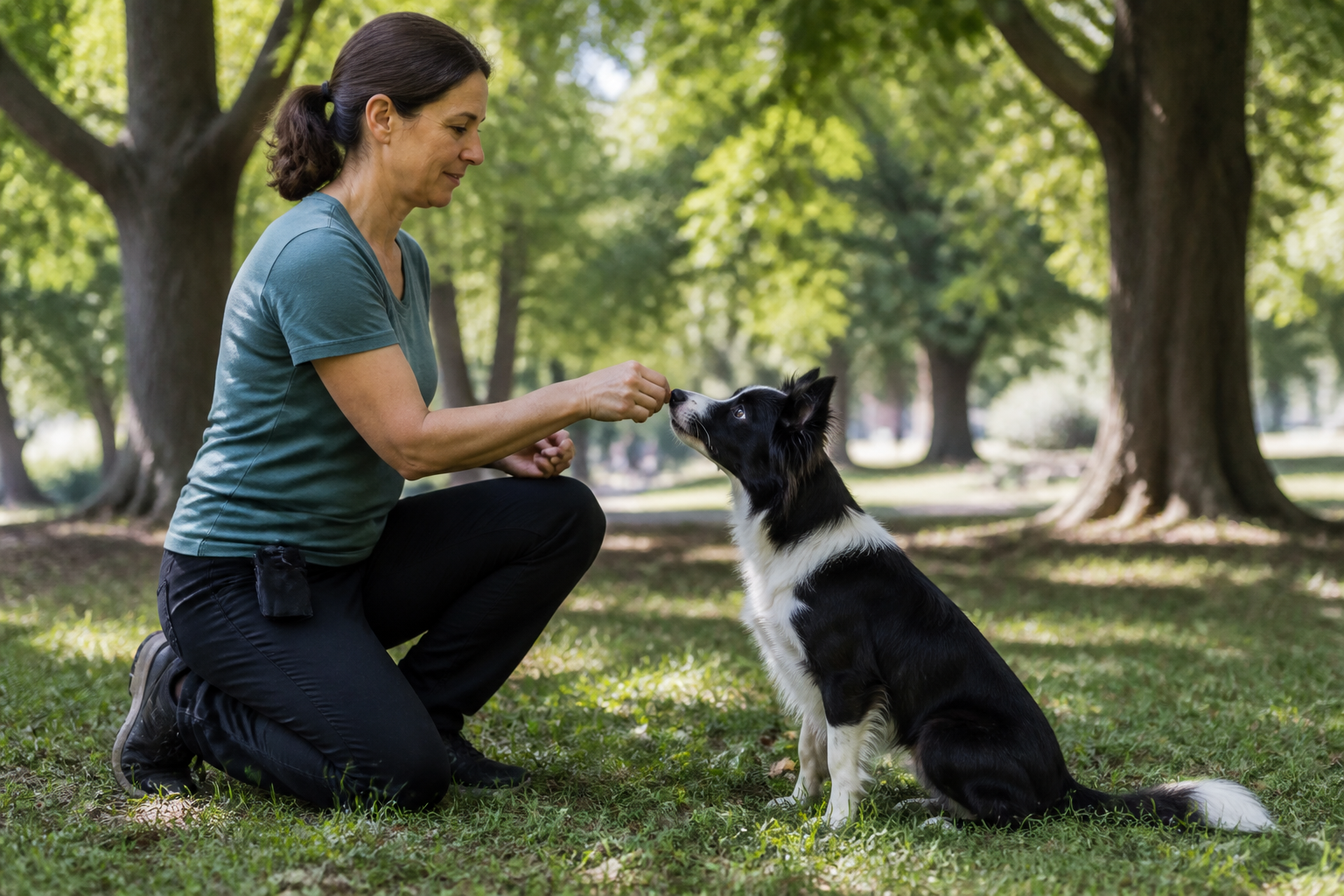
Read the feeding guide as a starting point rather than an absolute prescription. Packaging recommendations are based on averages, yet individual dogs vary substantially. Measure meals with a standard cup or, more accurately, a kitchen scale. Reassess body condition regularly and adjust portions gradually. Treats, chews, table scraps, supplements, and food used for training contribute to daily calories. Ideally, these extras should remain a small proportion of total intake so that the main diet continues supplying most nutrients.
Proteins, Fats, And Carbohydrates
Protein provides amino acids needed for muscles, skin, enzymes, hormones, immune defenses, and tissue repair. Quality matters, but the ingredient list alone does not reveal the full nutritional value of a food. A balanced formula can contain several protein sources, and a named animal ingredient may be useful without making every alternative automatically inferior. Dogs also need dietary fat for energy, cell function, skin health, and absorption of vitamins A, D, E, and K. Fat is calorie dense, so excessive amounts can promote weight gain or digestive upset.
Carbohydrates are not inherently harmful to dogs. Properly prepared grains, vegetables, and other carbohydrate sources can provide energy, fiber, vitamins, and minerals. Some dogs benefit from higher fiber diets for stool quality or weight management. Others with particular allergies or gastrointestinal conditions may require a veterinarian-directed plan. The important question is whether the complete diet meets the individual dog’s needs, not whether it follows a fashionable ingredient rule.
Water And Feeding Habits
Fresh, clean water should be available throughout the day. Water needs rise during hot weather, exercise, illness, pregnancy, lactation, and diets containing little moisture. Increased thirst may be normal after activity, but persistent excessive drinking can indicate diabetes, kidney disease, hormonal disorders, medication effects, or other problems. A veterinarian should evaluate notable changes rather than assuming the dog simply enjoys water.
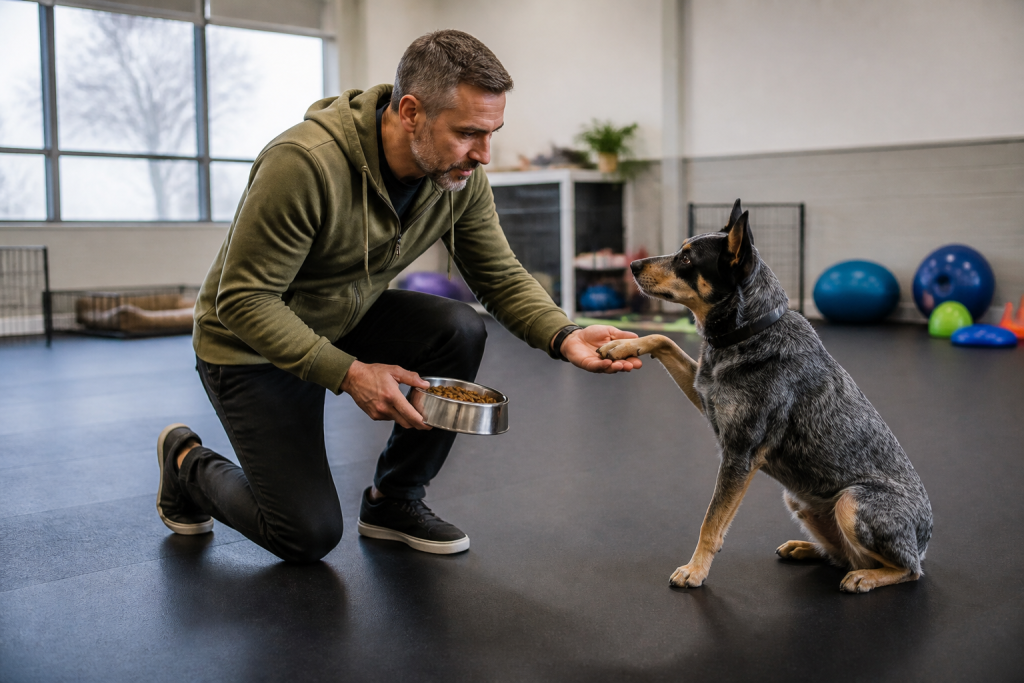
Consistent meal routines can support digestion and make appetite changes easier to notice. Many adult dogs do well with two measured meals daily. Puppies often need more frequent meals because their stomachs are small and their energy demands are high. Fast eaters may benefit from puzzle feeders, slow bowls, scattered feeding, or supervised training games. These methods encourage natural foraging and reduce gulping, although they should be introduced gradually and cleaned regularly.
Avoid sudden diet changes. Mix the new food with the old over approximately seven to ten days, increasing the new proportion while monitoring stools, appetite, and comfort. Some dogs need a slower transition. Vomiting, repeated diarrhea, severe gas, refusal to eat, facial swelling, or breathing difficulty warrants prompt veterinary advice.

Weight Management And Body Condition
Excess weight increases strain on joints and may worsen arthritis, breathing difficulty, diabetes, heart disease, and heat intolerance. Underweight dogs may lack muscle and have reduced resilience during illness. Body condition scoring is more useful than relying on a scale alone. In an ideal dog, ribs are easy to feel beneath a thin layer of fat, the waist is visible from above, and the abdomen rises gently toward the hind legs from the side. Prominent bones, a disappearing waist, or heavy fat deposits suggest the need for professional guidance.
Weight reduction should be gradual. Severe food restriction can cause hunger, muscle loss, and nutritional imbalance. A veterinarian can calculate an appropriate calorie target and recommend a suitable weight management food. Increase activity only according to age, fitness, weather, and physical limitations. Short walks, controlled play, swimming, scent games, and training exercises can improve fitness without overwhelming an unconditioned dog.

Treats can be nutritious, but they still count. Small pieces of the dog’s regular food, vegetables that are known to be safe, or commercially prepared low calorie treats may help. Never reward begging so frequently that the dog’s daily intake becomes difficult to control.
Safe Foods And Dangerous Foods
Plain, cooked ingredients such as lean meat, some vegetables, and selected fruits may be appropriate occasional treats when they contain no seasoning, sauces, bones, or excessive fat. Introduce one new item at a time so reactions are easier to identify. Treat foods should be small, fresh, and suitable for the dog’s size.
Several common foods are dangerous. Chocolate, caffeine, grapes, raisins, onions, garlic, xylitol, alcohol, and macadamia nuts can cause serious illness. Cooked bones may splinter, while raw bones can carry pathogens or damage teeth and intestines. Fatty scraps may trigger digestive upset or pancreatitis. Yeast dough can expand in the stomach and produce alcohol. If a dog eats a potentially toxic substance, contact a veterinarian or animal poison service immediately. Do not induce vomiting unless a professional specifically directs you.
Food allergies are possible, but they are often overdiagnosed. Itching, ear infections, vomiting, or diarrhea may have many causes, including parasites, environmental allergies, infection, and inflammatory disease. A properly designed elimination diet under veterinary supervision is more reliable than repeatedly changing foods.
Supplements And Special Diets
Most healthy dogs eating a complete and balanced diet do not need routine supplements. Extra calcium, vitamins, minerals, or herbal products can cause harm, especially in growing puppies or dogs with liver and kidney disease. Supplements may also interact with medicines. Discuss any product with a veterinarian and choose brands that provide transparent ingredient information and independent quality testing when available.
Therapeutic diets can be valuable for kidney disease, urinary stones, gastrointestinal disorders, food reactions, obesity, and other conditions. They are formulated with specific nutrient levels and should be used according to professional instructions. Homemade diets are not automatically healthier. Without precise formulation, they commonly lack calcium, essential fatty acids, iodine, zinc, or other nutrients. A veterinary nutritionist can create a balanced recipe and explain safe preparation, storage, and substitution rules.
Raw feeding requires particular caution. Uncooked meat may carry bacteria that threaten dogs and people, while unbalanced recipes can cause skeletal or organ problems. Children, older adults, pregnant people, and immunocompromised household members face increased infection risk. Careful hygiene and veterinary guidance are essential if an owner is considering this approach.
Health Care Beyond Food
Nutrition works best alongside preventive care. Puppies need vaccination schedules, parasite prevention, appropriate socialization, and nutritional monitoring during rapid growth. Adult dogs benefit from routine examinations, dental assessment, parasite control, weight checks, and vaccination updates. Senior dogs may need more frequent evaluations and screening blood tests because kidney, liver, thyroid, joint, and dental problems become more common with age.
Dental disease is especially widespread. Plaque hardens into tartar, irritates the gums, causes pain, and can contribute to broader health problems. Daily brushing with veterinary toothpaste is the most effective home measure. Never use human toothpaste, because some products contain xylitol. Dental diets, chews, and professional cleanings may provide additional support, but a veterinarian should assess their safety and effectiveness.
Exercise should be regular and appropriate. Puppies need play and exploration without forced endurance activity. Adult dogs benefit from a combination of aerobic movement, strength, training, and social interaction. Older dogs may prefer shorter walks, gentle surfaces, and several sessions instead of one demanding outing. Watch for limping, excessive panting, reluctance to rise, or prolonged recovery.
Warning Signs Requiring Attention
Seek urgent care for difficulty breathing, collapse, seizures, uncontrolled bleeding, repeated vomiting, bloody diarrhea, suspected poisoning, severe abdominal swelling, inability to urinate, heatstroke, or sudden weakness. Contact a veterinarian promptly for persistent appetite loss, unexplained weight change, increased thirst, chronic coughing, ongoing itching, painful chewing, or altered behavior. Early evaluation often allows simpler treatment and improves comfort.
Keep a basic health record containing food, portion size, treats, medications, vaccination dates, parasite prevention, stool observations, and weight measurements. Photographs of skin changes or videos of unusual movement can help a veterinarian understand intermittent symptoms. Clear records also reveal patterns that are easy to miss during busy routines.
Frequently Asked Questions
How Much Should A Dog Eat?
Start with the package’s calorie or feeding guidance, then adjust according to body condition, activity, age, and veterinary advice. Measure every meal, count treats, and review weight regularly. A dog needing more or fewer calories than expected may have an unusual metabolism, an underlying condition, or an inaccurate portion estimate.
Is Grain Free Food Better?
Not automatically. Grain free diets are useful only when a specific medical reason exists, and grain allergies are uncommon. Many grains provide digestible energy and fiber. Discuss diet selection with a veterinarian, particularly if a dog has heart concerns, digestive symptoms, or a history of food reactions.
Can Dogs Eat Human Food?
Some plain foods are safe in small amounts, but human meals often contain excessive salt, fat, seasoning, or unsafe ingredients. Use approved foods as occasional treats rather than replacing balanced meals. Never share chocolate, grapes, raisins, onions, garlic, xylitol, alcohol, or cooked bones.
Should Senior Dogs Eat Less Protein?
Healthy older dogs do not automatically require protein restriction. Adequate, digestible protein helps preserve muscle, which is important for mobility and resilience. Dogs with kidney, liver, or other diseases may need carefully adjusted protein and mineral levels, but changes should follow veterinary assessment.
How Can A Picky Dog Be Encouraged To Eat?
First check for dental pain, nausea, illness, stress, or medication effects. Offer meals at predictable times, remove uneaten food after a reasonable period, and avoid constantly changing options. Warming food slightly or adding a veterinarian-approved topper may improve aroma. Persistent refusal, especially with lethargy or vomiting, requires professional advice.
Are Homemade Diets Safe?
They can be safe when formulated by a qualified veterinary nutritionist and followed precisely. Recipes found online may be incomplete, and substitutions can change nutrient levels significantly. Regular review is important because requirements may change with age, pregnancy, disease, or activity.
How Do I Know Whether A Supplement Works?
Define the intended goal and discuss evidence, dosage, risks, and expected timing with a veterinarian. Monitor objective measures such as mobility, stool quality, or laboratory results rather than relying only on impressions. Stop and seek advice if new symptoms appear.
Building A Practical Daily Plan
A useful routine begins with a measured, complete diet and constant access to water. Feed at consistent times, provide controlled exercise, brush teeth when possible, and inspect paws, ears, skin, and coat regularly. Use training to support calm behavior and mental enrichment. Weigh small dogs monthly and larger dogs at appropriate intervals, or use body condition checks when scales are unavailable.
Prepare for disruptions by storing food safely, maintaining current medical records, and identifying an emergency veterinary service. During travel, preserve familiar feeding times and bring enough food to avoid abrupt changes. In hot weather, exercise during cooler hours and provide shade. In cold conditions, monitor paws, body temperature, and access to antifreeze, which is highly toxic.
Conclusion
Dog health and nutrition depend on consistent, informed decisions rather than one perfect food or universal rule. Choose a complete diet suited to the individual, measure portions, protect hydration, manage weight, limit treats, and avoid toxic foods. Combine nutrition with preventive veterinary care, dental hygiene, appropriate exercise, enrichment, and attentive observation. When appetite, digestion, weight, thirst, behavior, or movement changes, seek advice early. A veterinarian can interpret symptoms, formulate therapeutic diets, and adjust care as a dog’s needs evolve. With thoughtful routines and responsive monitoring, owners can support stronger health, comfortable aging, and a better quality of life throughout every stage of canine companionship.