
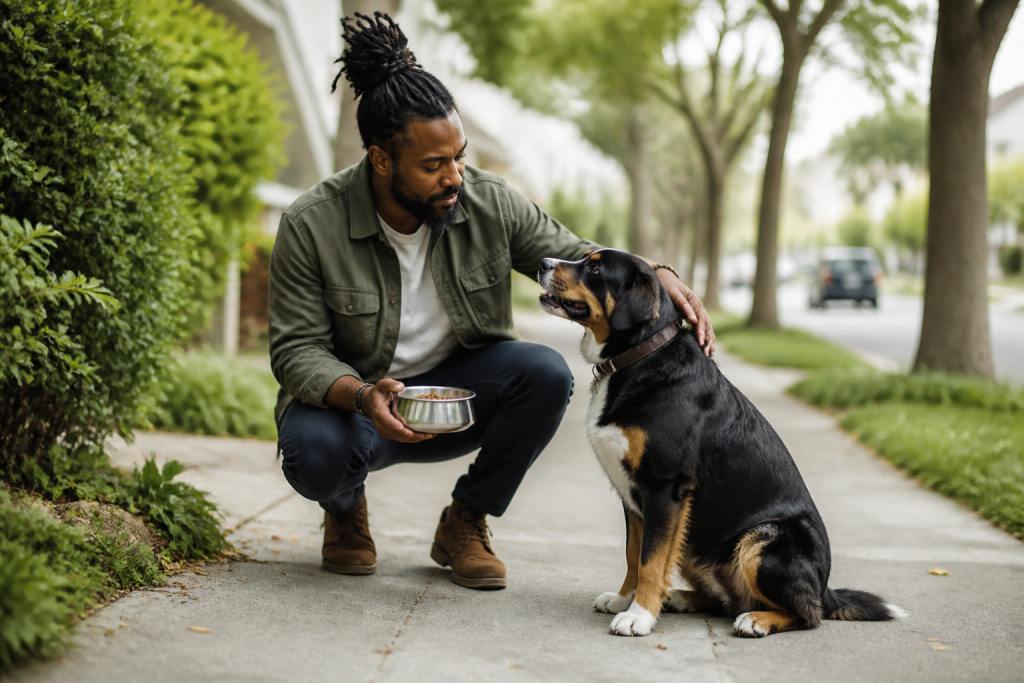
Dog Health & Nutrition: Dog Health & Nutrition: Understanding Dog Health and Nutrition
Dog health and nutrition depend on more than filling a bowl twice daily. A complete approach considers life stage, body condition, activity, medical history, dental needs, behavior, and the quality of daily care. Food supplies energy and nutrients, while exercise, preventive medicine, hygiene, sleep, and emotional security help the body use those nutrients effectively. Because dogs differ widely in size and metabolism, a diet suitable for a young border collie may be unsuitable for an elderly toy breed. Good guidance therefore begins with observation and continues through regular communication with a veterinarian.
A healthy dog usually has bright, attentive behavior, comfortable movement, clean eyes, a functional appetite, and a stable weight. Coat appearance can offer clues, but it is not a complete health test. Sudden thirst, repeated vomiting, persistent diarrhea, coughing, itching, weakness, appetite changes, or unexplained weight loss deserve professional attention. Never rely on food changes alone to treat illness. Nutrition supports medical care; it does not replace diagnosis.
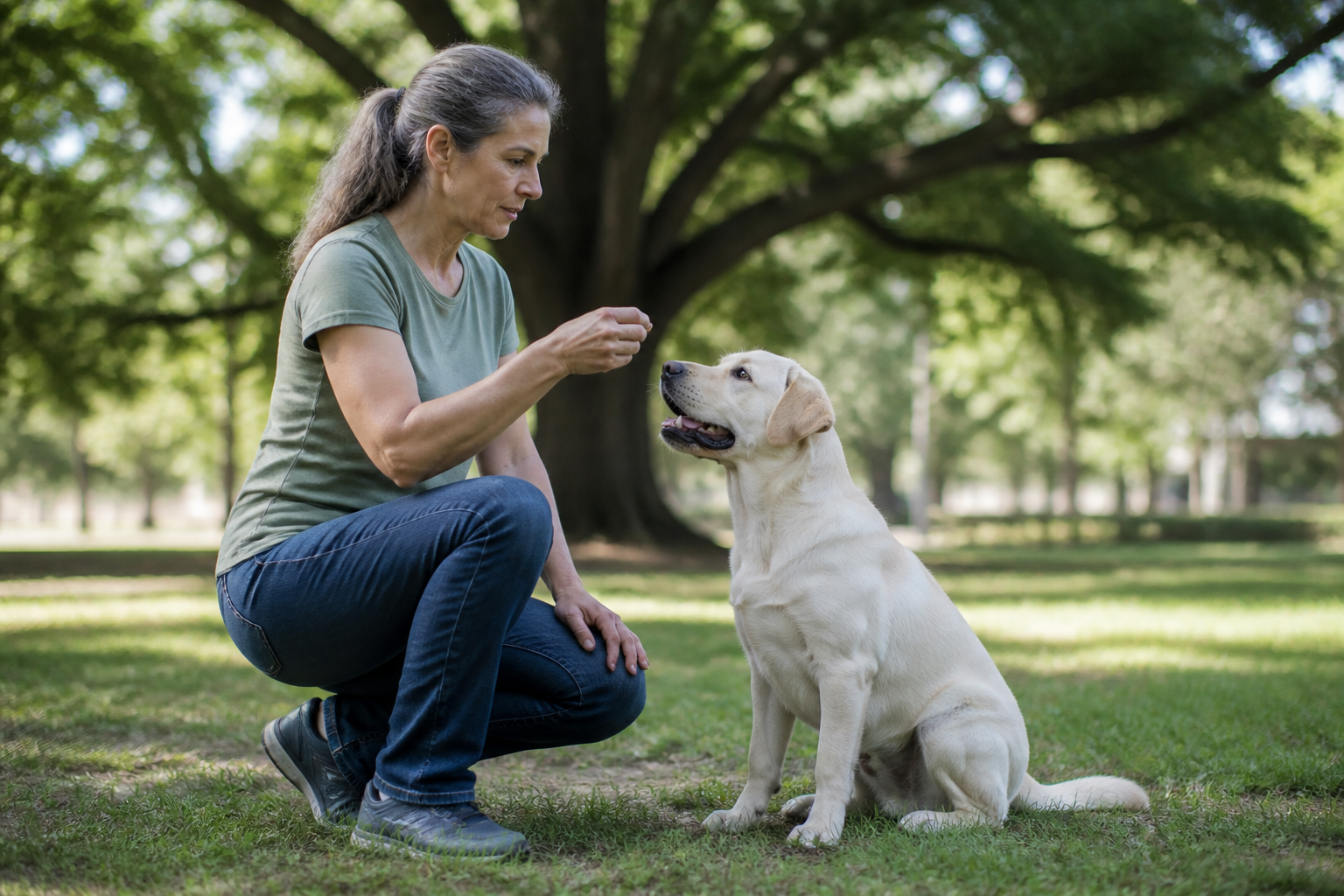
Choosing a Complete and Balanced Diet
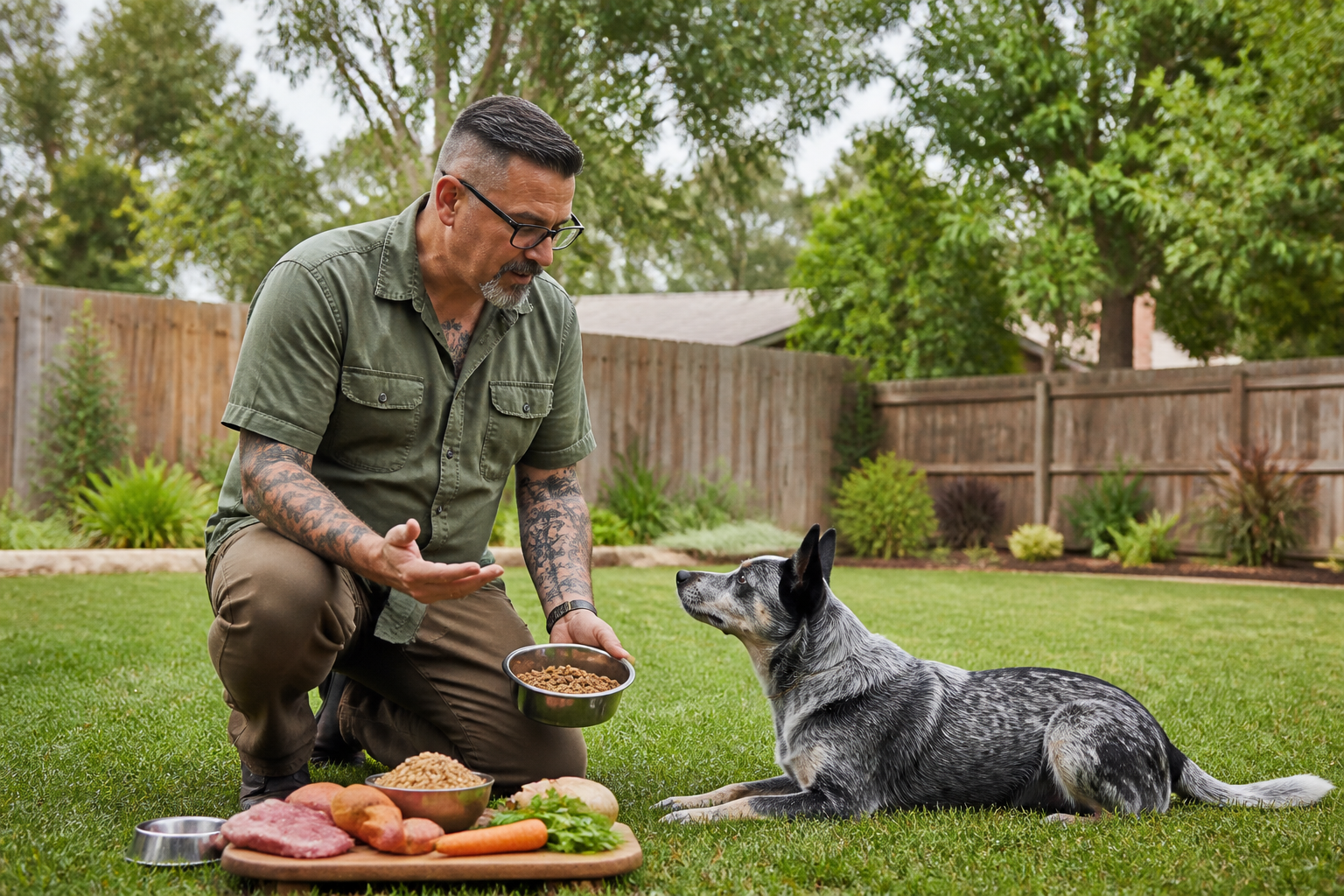
A dependable commercial food should state that it is complete and balanced for the dog’s appropriate life stage. This statement means the product is formulated to provide required nutrients when fed as directed. Puppies, adults, pregnant dogs, and seniors can have different needs, so read the label carefully. A food designed for all life stages may be appropriate in some homes, but individual circumstances still matter.
Ingredients deserve attention, yet ingredient lists can be misunderstood. The first ingredient is not automatically the most important measure of quality, and unfamiliar ingredient names are not necessarily harmful. Dogs need amino acids, fatty acids, vitamins, minerals, water, and energy in appropriate amounts. A formulation made by qualified nutrition professionals and supported by quality control is more meaningful than attractive marketing claims. Look for feeding directions, manufacturer contact information, batch details, and a clear nutritional adequacy statement.
Wet, dry, and combination diets can all work. Dry food is convenient, easy to measure, and often economical. Wet food increases moisture intake and may help dogs with low appetites. Combining formats can improve acceptance, but calories must still be counted. Homemade diets require particular caution because small imbalances in calcium, iodine, zinc, essential fatty acids, or vitamins can create long term problems. If home preparation is preferred, ask a veterinary nutrition specialist for a recipe designed for the specific dog.
Managing Portions and Body Condition
Portion recommendations on packaging are starting points, not exact prescriptions. Measure food with a standard measuring cup or, even better, a kitchen scale. Adjust the daily amount according to weight trends, body condition, exercise, age, and reproductive status. Treats, chews, table scraps, and food used for medication contribute calories. Ideally, extras should provide no more than about ten percent of daily energy intake.
Body condition scoring is more useful than weight alone. In an ideal dog, ribs can be felt beneath a thin covering of fat, the waist is visible from above, and the abdomen rises gently from the rib cage toward the hind legs. Prominent ribs, a sagging belly, or a broad, unmarked waist may indicate underweight or overweight status. Ask a veterinary team to demonstrate scoring, then monitor monthly under similar conditions.
Obesity increases stress on joints, heart, lungs, and metabolism. Weight reduction should be gradual and supervised, especially when the dog has diabetes, arthritis, or another chronic condition. Do not simply halve the usual food, because severe restriction can reduce nutrient intake. A veterinarian can calculate a safe calorie target and suggest lower calorie treats, measured meals, and enrichment activities.
Nutrients That Support Daily Function
Protein supplies amino acids for muscles, skin, enzymes, hormones, and immune defenses. The required amount depends on age, health, activity, and protein quality. Healthy adult dogs generally benefit from a digestible, appropriately formulated source, while growing puppies and pregnant or nursing dogs require carefully balanced higher nutrient availability. More protein is not automatically better, particularly for dogs with kidney disease, so medical advice is essential.
Fat provides concentrated energy and helps absorb vitamins A, D, E, and K. Essential fatty acids contribute to skin, coat, brain, and inflammatory regulation. Fish oil may be useful for some dogs with skin or joint concerns, but supplements can cause gastrointestinal upset, interact with medicines, or add substantial calories. Use products recommended by a veterinarian, and never substitute human supplements without checking safety.
Carbohydrates can provide energy and dietary fiber. Dogs can digest properly cooked starches, and fiber may support stool quality and intestinal function. Some dogs tolerate grains well, while others have specific allergies or medical reasons for an alternative diet. Grain free does not mean carbohydrate free or automatically healthier. Unnecessary restriction can make feeding more expensive and less balanced.
Water is an essential nutrient. Provide clean water at all times and wash bowls regularly. Increased drinking or urination can signal kidney disease, diabetes, hormonal disorders, medication effects, or other problems. Conversely, reduced intake can contribute to dehydration, especially during heat, illness, or exercise. Monitor water habits and seek veterinary advice when a noticeable change persists.

Feeding Through Different Life Stages
Puppies grow rapidly and need carefully controlled nutrition. Large and giant breed puppies are especially sensitive to excessive calories and mineral imbalance, which can affect developing bones and joints. Feed a diet formulated for the expected adult size when recommended, divide meals according to age, and avoid excessive supplementation. Frequent, gentle handling of paws, ears, mouth, and body also prepares puppies for preventive care.
Adult dogs need enough energy to maintain a stable body condition. Working, sporting, or highly active dogs may require more calories, but increasing food indiscriminately can cause digestive upset or excess weight. Resting, neutered, or indoor dogs may need less. Activity should increase gradually, with attention to weather, paw condition, recovery time, and signs of fatigue.
Senior dogs are not automatically unhealthy, but aging changes can alter muscle mass, digestion, senses, and calorie needs. Some seniors benefit from a more digestible diet, controlled calories, additional moisture, or nutrients supporting joints. Dental disease, reduced smell, cognitive changes, and chronic illness can affect appetite. A senior examination can identify problems before they become severe.
Pregnancy and lactation require expert planning. Nutrient and energy demands rise, but excessive feeding early in pregnancy can promote unhealthy weight gain. Nursing mothers need abundant water and a suitable energy dense diet, while puppies need frequent monitoring of growth. Never give calcium supplements to a pregnant dog unless specifically prescribed, because inappropriate supplementation can disrupt calcium regulation.
Safe Treats, Supplements, and Food Changes
Treats can support training and bonding when used thoughtfully. Choose small, plain portions and include them in the daily calorie budget. Vegetables such as carrots or green beans may suit some dogs, but tolerance varies. Avoid foods known to be dangerous, including chocolate, grapes, raisins, onions, garlic, xylitol, alcohol, caffeine, and raw yeast dough. High fat scraps can trigger digestive distress or pancreatitis.
Supplements are not harmless simply because they are natural. Multivitamins may create toxic excesses, while herbal products can interact with anesthesia, anticoagulants, or other medicines. Joint supplements, probiotics, and omega three products have different evidence and quality standards. Discuss the goal, dose, duration, and product testing with a veterinarian. Keep supplements secured, because flavored tablets may attract dogs and cause accidental overdose.
Change diets gradually over approximately a week, unless a veterinarian directs otherwise. Start with a small proportion of the new food and increase it while decreasing the old food. Watch appetite, stool consistency, itching, gas, and energy. A sudden change may cause diarrhea, but persistent vomiting, blood in stool, lethargy, or refusal to drink requires prompt care.
Preventive Care Beyond the Bowl
Nutrition works best beside routine preventive care. Veterinary examinations can detect dental disease, parasites, heart problems, pain, and early organ changes. Vaccinations, parasite prevention, identification, grooming, nail care, and dental cleaning protect quality of life. Brush teeth with pet toothpaste and a suitable brush; human toothpaste can contain ingredients unsafe for dogs. Introduce dental care gradually and reward cooperation.
Exercise should match physical ability and temperament. Daily walks provide movement and opportunities for sniffing, while play, training, puzzle feeders, and safe social contact support mental health. Avoid forcing intense activity in heat or humidity. Flat faced breeds, overweight dogs, puppies, and seniors may overheat or tire quickly. Offer rest, shade, and water, and recognize heavy panting, weakness, confusion, or collapse as emergencies.
Sleep and routine also matter. Dogs generally benefit from predictable meals, quiet rest areas, and positive interactions. Stress can influence appetite, digestion, skin, and behavior. Punishment may worsen anxiety; reward based training teaches useful skills while strengthening trust. A calm environment makes it easier to notice subtle changes in health.
Frequently Asked Questions
How often should a dog eat?
Most healthy adult dogs do well with two measured meals daily. Puppies usually need more frequent meals because of smaller stomachs and greater growth demands. Some medical conditions require a different schedule. Consistency helps with appetite, digestion, house training, and medication routines. Ask a veterinarian before using free feeding, particularly for dogs that gain weight easily.
Is raw food healthier than cooked food?
There is no universal proof that raw diets provide superior health. Raw feeding can introduce bacterial contamination, bone injuries, nutrient imbalances, and risks to vulnerable household members. Cooking and formulation methods vary, so discuss any raw plan with a veterinarian. If chosen, it should be nutritionally complete, hygienically prepared, and professionally designed rather than based on internet recipes.
Can dogs eat human food?
Some plain foods can be safe in small portions, but “safe” does not mean nutritionally complete. Unseasoned cooked meat, certain vegetables, or a little plain rice may be acceptable for many dogs. Avoid fatty, salty, spicy, sweetened, or heavily processed foods. Ask about every ingredient in mixed dishes, because sauces and seasonings may contain toxic substances.
How can I tell whether my dog has an allergy?
Allergies may cause itching, recurrent ear infections, skin inflammation, or gastrointestinal signs, but parasites, infections, and environmental triggers can look similar. Reliable food allergy evaluation generally requires a veterinarian supervised elimination diet followed by a controlled challenge. Blood and saliva tests marketed for food allergies may not provide dependable answers. Do not repeatedly switch foods without a plan.
Should I give my dog bones?
Cooked bones can splinter, causing choking, broken teeth, obstruction, or intestinal injury. Raw bones also carry contamination and injury risks. Many dental chews are safer when selected according to the dog’s size and chewing style, but no chew is entirely risk free. Supervise chewing, discard damaged items, and ask about products carrying recognized dental health recommendations.
When is vomiting an emergency?
One isolated episode may resolve, but repeated vomiting, inability to keep water down, abdominal swelling, severe pain, weakness, bloody material, collapse, or suspected toxin ingestion needs urgent veterinary attention. Puppies, seniors, and dogs with chronic disease can deteriorate quickly. Do not give human medicines or force food and water unless instructed by a professional.
How do I introduce a new treat?
Offer one small amount when the dog is otherwise well, then observe for digestive or skin changes over the next day or two. Avoid introducing several new foods simultaneously, because identifying a problem becomes difficult. Keep treats simple, count their calories, and stop the item if signs develop. Persistent symptoms require veterinary evaluation rather than repeated experimentation.
Building a Practical Daily Plan
Begin by recording the dog’s age, weight, body condition, activity, medical diagnoses, medications, current food, treats, stool pattern, and water intake. Share this record during appointments. Select a complete diet appropriate for the life stage, measure a daily portion, and divide it into consistent meals. Reserve some of that portion for training so rewards do not unintentionally increase calories.
Review the plan every few weeks during growth, pregnancy, rehabilitation, or weight loss, and at least during routine adult care. Weigh the dog or assess body condition monthly. Check ears, skin, paws, mouth, and nails regularly, while observing energy and behavior. Small changes are easier to manage when documented early.
Conclusion
Dog health and nutrition are ongoing practices rather than a single purchase or perfect menu. The strongest foundation combines a complete, balanced diet, measured portions, clean water, safe treats, suitable exercise, dental care, preventive veterinary visits, and attentive observation. Individual needs change with age, activity, illness, and household circumstances, so flexibility is important.
Use labels as useful information, not as the only evidence of quality. Treat supplements and homemade diets cautiously, avoid dangerous foods, and transition meals gradually. Most importantly, seek professional guidance when appetite, weight, thirst, digestion, skin, movement, or behavior changes. Thoughtful daily decisions, supported by regular veterinary care, can help dogs maintain healthy bodies, active minds, and a comfortable quality of life for many years.