

Dog Health & Nutrition: Dog Health & Nutrition: Understanding Dog Health and Nutrition
Supporting a dog’s health begins with understanding that nutrition, exercise, preventive care, and observation work together. Food supplies energy and nutrients, while daily habits influence digestion, muscles, immunity, behavior, and long-term resilience. A suitable diet cannot replace veterinary care, but it can provide a strong foundation for a comfortable, active life.
Every dog has individual requirements. Age, size, breed, activity level, reproductive status, medical history, allergies, and body condition all affect feeding decisions. A growing puppy needs nutrients for developing bones and organs. An adult working dog may require more calories than a sedentary companion. A senior dog might benefit from carefully managed energy, highly digestible protein, or support for joint and kidney concerns. Therefore, a feeding plan should be personalized rather than copied from another household.
Healthy nutrition also involves portion control. Even excellent food can contribute to obesity when offered in excessive quantities. Extra calories often come from treats, table scraps, dental chews, supplements, and flavored medications. Measuring meals with a standard cup or, more accurately, a kitchen scale helps create consistency. Body condition should guide adjustments, because package recommendations are general estimates rather than absolute instructions.
A Balanced Diet
A complete and balanced canine diet provides appropriate amounts of protein, fat, carbohydrates, vitamins, minerals, and water. Protein supplies amino acids needed for muscles, skin, enzymes, hormones, and tissue repair. Fat is concentrated energy and helps absorb fat soluble vitamins. Carbohydrates can provide energy and fiber, although dogs do not require a specific carbohydrate percentage when other nutrients are adequate.
Commercial foods labeled complete and balanced for a particular life stage are formulated to meet recognized nutritional standards. Dry food is convenient, calorie dense, and easy to portion. Canned food contains more moisture and may appeal to dogs with reduced appetite or dental discomfort. Fresh, refrigerated, or gently cooked products can also be appropriate when they are nutritionally complete, safely handled, and matched to the dog’s needs.
The ingredient list is useful, but it should not be interpreted alone. Ingredients appear in descending order by weight, including water, and individual ingredients do not reveal the final nutrient profile. Marketing terms such as natural, premium, holistic, or human grade may describe qualities without proving that a product is superior. Look for clear life stage information, feeding guidance, manufacturer contact details, quality control practices, and nutritional adequacy statements.
Protein, Fat, Fiber, and Moisture
Protein quality depends on digestibility and amino acid balance, not merely on the first ingredient. Dogs generally benefit from identifiable animal or plant protein sources selected according to tolerance and medical advice. Fat improves palatability and supports skin, coat, and energy, but excess fat can be unsuitable for dogs prone to pancreatitis or weight gain.
Fiber supports stool formation, intestinal movement, and microbial health. Soluble and insoluble fibers have different effects, so a veterinarian may recommend a specific source for constipation, diarrhea, or diabetes. Moisture is especially important for dogs that drink little, have urinary concerns, or eat dry food. Fresh water should be available at all times, with bowls washed regularly.
Choosing Food for Life Stages
Puppies require diets designed for growth. They need controlled energy and carefully balanced calcium and phosphorus, particularly large and giant breeds. Too many calories or inappropriate supplementation may promote rapid growth and skeletal problems. Puppies usually eat several small meals daily, then gradually transition to fewer meals as they mature. A veterinarian can help determine when an individual dog should move to adult food.
Adult dogs need enough energy to maintain a stable, healthy body condition. A highly active dog, pregnant dog, or nursing mother has different requirements from a calm companion. Neutering may lower energy needs, so portions sometimes require reduction afterward. Changes should be gradual, usually over several days, to limit digestive upset.
Senior dogs are not automatically ill, but aging may alter appetite, muscle mass, thirst, digestion, and organ function. Some seniors need lower calories, while thin or frail dogs may need more energy. Protein should not be restricted without a medical reason; preserving muscle is important. Blood tests and physical examinations can reveal issues before obvious symptoms appear.
Healthy Feeding Practices
Establish predictable meal routines. Scheduled meals make appetite changes easier to detect and can support house training, medication administration, and weight control. Feed dogs separately when competition causes gulping or guarding. Slow feeders, puzzle bowls, or food dispensing toys may reduce rapid eating and provide mental stimulation. However, these tools should be introduced gradually and monitored for frustration.

Treats are valuable for training, but they should fit within the daily calorie budget. A practical guideline is to keep treats and extras to about ten percent of daily calories, unless a veterinary professional recommends otherwise. Small pieces of the dog’s regular food can replace some commercial treats. Avoid rewarding every behavior automatically; praise, play, sniffing opportunities, and access to favorite toys can also reinforce learning.
Do not assume that foods safe for people are safe for dogs. Chocolate, grapes, raisins, onions, garlic, xylitol, alcohol, caffeine, macadamia nuts, and certain high fat foods can cause serious illness. Cooked bones may splinter, while raw animal products can carry pathogens. Safe alternatives include veterinarian approved chews that match the dog’s size and chewing style. Supervise chewing and discard damaged items.
Supplements and Homemade Diets
Supplements should have a clear purpose. Fish oil may support selected inflammatory or skin conditions, but dose and product quality matter. Joint products can be useful for some dogs, yet evidence and formulations vary. Multivitamins are usually unnecessary for dogs eating a complete diet and can cause toxicity when nutrients accumulate. Discuss every supplement with a veterinarian, especially if the dog takes medication or has liver, kidney, bleeding, or hormonal disorders.
Homemade diets can work when formulated by a veterinary nutrition specialist and followed precisely. Online recipes may be deficient in calcium, essential fatty acids, trace minerals, or particular vitamins. Substituting ingredients can change nutrient levels substantially. Raw diets also require careful attention to pathogens, food safety, nutritional balance, and household risk. Children, older adults, pregnant people, and immunocompromised family members may face greater exposure concerns.
Weight, Exercise, and Metabolism
Body condition is more informative than a number on the scale. In an ideal dog, ribs can be felt beneath a thin covering of fat, the waist is visible from above, and the abdomen rises gently from the rib cage. A prominent spine or hip bones may indicate undernutrition, while ribs that are difficult to feel and a missing waist suggest excess fat. Breed differences matter, so ask a professional to assess the dog objectively.

Obesity increases strain on joints, heart, lungs, and metabolism. It may worsen arthritis, breathing difficulty, diabetes, and recovery after surgery. Weight reduction should be gradual, with measured meals, carefully counted treats, and regular reassessment. Never impose a crash diet or dramatically reduce food without guidance, because inadequate nutrition can cause muscle loss and deficiencies.
Exercise should match age, physical ability, weather, and temperament. Daily walks provide aerobic activity and opportunities to sniff, which may reduce stress. Short training sessions, retrieve games, swimming, and controlled hill walking can build fitness. Puppies need free movement and play rather than forced endurance exercise, especially while growth plates develop. Older or painful dogs may benefit from several gentle sessions instead of one demanding outing.
Digestive and Preventive Health
Normal stool, appetite, water intake, energy, and body weight provide useful health information. A sudden change may reflect dietary indiscretion, stress, parasites, infection, medication, or disease. Persistent vomiting, repeated diarrhea, blood in stool, severe abdominal pain, collapse, refusal to drink, or signs of dehydration require prompt veterinary advice. Puppies, seniors, and dogs with chronic disease can deteriorate quickly.
Introduce new food gradually by mixing increasing proportions over approximately a week. Sensitive dogs may need a slower transition. If diarrhea develops, avoid repeatedly switching products, because confusion can prolong symptoms. Contact a veterinarian when signs are severe, last beyond a short period, or recur. Do not give human antidiarrheal or pain medicines unless specifically directed; several are dangerous for dogs.
Preventive care includes vaccinations, parasite control, dental examinations, microchipping, grooming, and routine physical assessments. Dental disease can cause pain, bad breath, difficulty eating, and infection. Brushing with dog safe toothpaste is the most reliable home measure. Human toothpaste may contain xylitol and must not be used. Dental diets and treats can complement brushing but do not replace professional evaluation.
Reading Labels and Building a Routine
Start by identifying the food’s intended life stage and whether it is complete and balanced. Check calorie information when available, then calculate the daily amount rather than filling the bowl freely. Divide food between meals according to the dog’s schedule. Record treats, chews, supplements, and table food for several days; this often reveals why weight is changing or digestion is unstable.
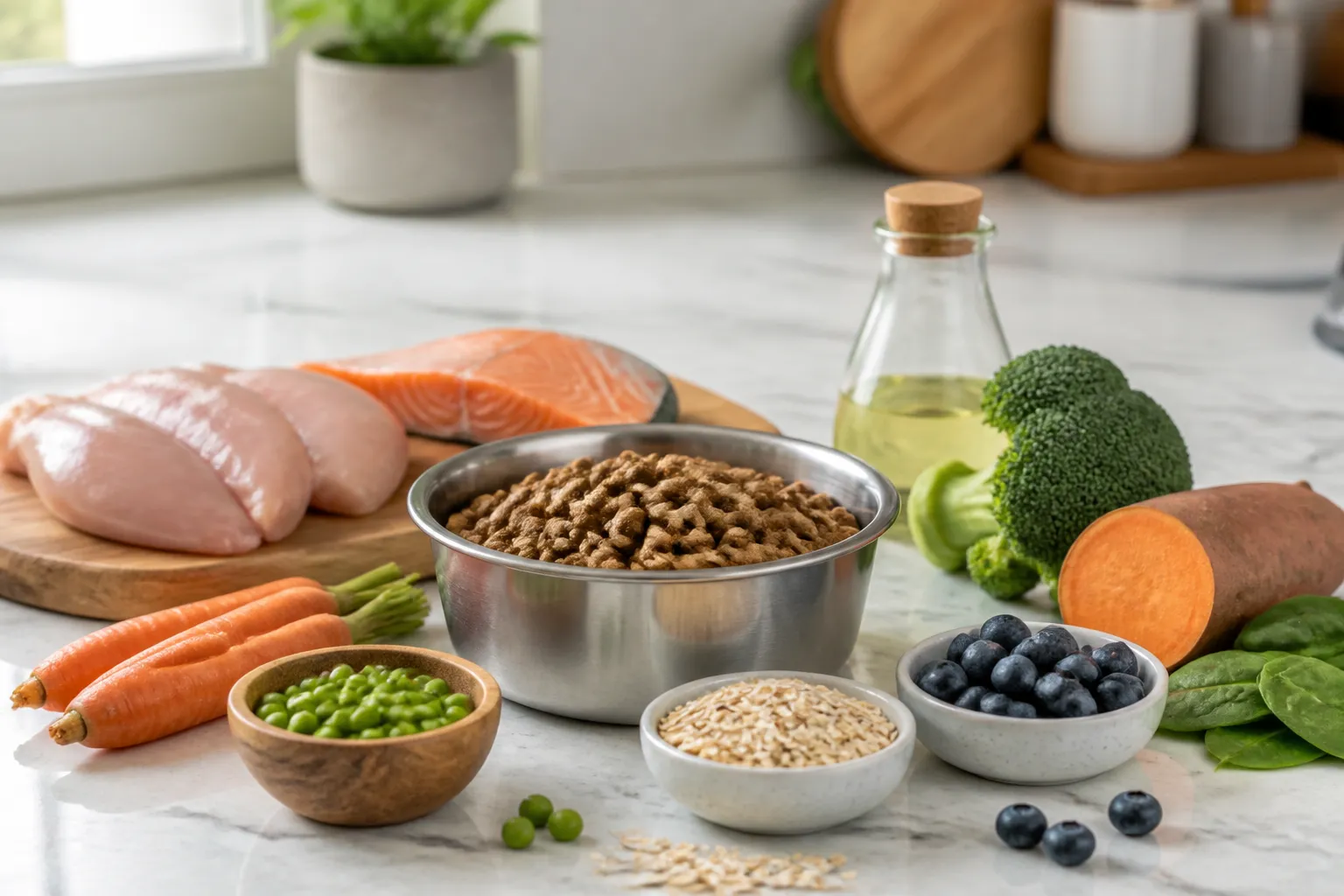
Store dry food in a cool, dry place, preferably in its original bag inside a clean, sealed container. Keep canned food refrigerated after opening and use it within the manufacturer’s recommended period. Wash bowls daily, prevent pests, and monitor recalls through reliable official sources. When changing brands, record the old and new products so a professional can investigate a reaction if one occurs.
Food safety also includes responsible handling. Wash hands before and after preparing meals, clean preparation surfaces, and keep pet food away from human food. Do not allow dogs to access trash, compost, medication, or toxic plants. Secure foods on counters and use closed containers. These simple precautions prevent many emergencies.
Product Description
This Dog Health and Nutrition resource is an educational guide for caregivers who want to make informed daily decisions. It explains how to evaluate complete diets, manage portions, select treats, understand life stage needs, recognize nutritional risks, and connect feeding with exercise and preventive care. Its practical approach supports families using dry, canned, fresh, or professionally formulated homemade food.
The guide is designed for puppies, adults, seniors, active companions, and dogs with changing needs. It encourages body condition monitoring rather than relying only on package charts, promotes gradual food transitions, and explains why supplements and restrictive diets require professional input. It also highlights food safety, dental care, hydration, enrichment, and warning signs that should not be ignored.
As an educational product, it does not diagnose illness or replace an individualized veterinary plan. Readers can use it to prepare better questions, organize feeding records, and develop consistent routines. Its greatest value is helping caregivers connect everyday observations with timely action, supporting a healthier relationship between food, behavior, comfort, and quality of life.
Frequently Asked Questions
How much should my dog eat?
Begin with the manufacturer’s calorie guidance and your veterinarian’s assessment, then adjust according to body condition, activity, age, and weight trend. Measure portions rather than estimating. Include treats and chews in the daily total. Recheck regularly because requirements can change after sterilization, illness, aging, or changes in exercise.
Is grain free food healthier?
Not automatically. Grains can provide nutrients and are tolerated by many dogs. Grain free recipes may replace grains with other carbohydrate sources, and they are not inherently superior. If a dog has a confirmed allergy or medical need, follow a veterinarian’s structured plan rather than choosing based on advertising.
Can dogs eat table scraps?
Some plain foods may be safe in small amounts, but frequent scraps can unbalance nutrition and add calories. Avoid seasoned, fatty, salty, sweetened, or toxic ingredients. Ask whether each food is safe before offering it, and use small portions that remain within the treat allowance.
Should I feed raw meat?
Raw feeding carries risks involving bacteria, parasites, bones, and nutritional imbalance. It may also expose people and other animals in the home. If considering this approach, discuss it with a veterinarian or veterinary nutrition specialist and follow strict food safety procedures. Cooking does not correct an improperly balanced recipe, so formulation remains essential.
When should I call a veterinarian about appetite?
Contact a veterinarian when appetite suddenly decreases, stops, or becomes unusually intense, particularly if vomiting, diarrhea, lethargy, pain, weight loss, increased thirst, or increased urination occurs. A missed meal may be less concerning in a healthy adult than in a young puppy, diabetic dog, or medically fragile senior, but context matters.
Are supplements necessary?
Most healthy dogs eating a complete and balanced diet do not need routine supplements. Extra nutrients can interact with medicines or become harmful at high doses. Use a supplement only for a defined purpose, select a reputable product, and obtain professional advice about dose, duration, and monitoring.
How can I help a fast eater?
Offer smaller meals, use a slow feeder, scatter appropriate kibble for supervised foraging, or place food in a puzzle toy. Ensure the dog cannot break or swallow the device. If gulping is accompanied by coughing, regurgitation, abdominal swelling, or distress, seek veterinary guidance promptly.
What is the best water source?
Fresh, clean tap or filtered water is generally suitable when safe for people in the area. Provide multiple bowls for large homes or multiple pets, refresh them frequently, and wash them daily. Increased drinking can signal disease, especially when paired with frequent urination, weight change, or appetite changes.
Conclusion
Dog health and nutrition are ongoing practices rather than one perfect purchase or feeding rule. A complete diet, measured portions, clean water, suitable activity, safe treats, dental attention, preventive medicine, and careful observation form a dependable foundation. Individual needs change across growth, adulthood, senior years, seasons, and illness, so flexibility is important.
Use body condition, energy, stool quality, appetite, and veterinary examinations to evaluate whether a routine is working. Introduce changes slowly, treat marketing claims cautiously, and avoid unverified supplements or homemade recipes. When warning signs appear, professional advice is safer than experimentation.
The most effective plan is consistent, evidence informed, and realistic for the household. By recording meals, monitoring weight, encouraging movement, protecting food safety, and maintaining regular checkups, caregivers can detect problems earlier and support daily comfort. Good nutrition does not promise perfect health, but it meaningfully improves the opportunity for a dog to live actively, safely, and well.