

Dog Health & Nutrition: Dog Health & Nutrition: Understanding Dog Health And Nutrition
Dog health and nutrition depend on consistent care, appropriate food, regular observation, and timely veterinary guidance. A nutritious diet supplies energy, supports growth, maintains muscles, strengthens immunity, and helps the body repair itself. However, feeding a dog is not simply a matter of filling a bowl. Age, size, activity level, breed characteristics, reproductive status, medical history, and personal preferences all influence nutritional needs.
A complete canine wellness plan combines balanced meals with fresh water, exercise, preventive healthcare, dental care, mental stimulation, and a safe environment. Owners should also learn to recognize changes in appetite, weight, behavior, stool quality, skin condition, and energy. Small changes can sometimes signal illness before obvious symptoms develop.
The purpose of a quality dog health and nutrition product or program is to make healthy routines easier to follow. It may include nutritionally complete food, carefully formulated supplements, feeding guidance, portion recommendations, and educational support. The best choices are evidence based, transparent about ingredients, and appropriate for an individual dog rather than promoted as universal solutions.
Product Description
This dog health and nutrition offering is designed to support everyday wellbeing across different life stages. It can be used as a foundation for a responsible feeding routine, provided that owners select the appropriate formula and follow professional advice when necessary. Product variations may be available for puppies, adults, seniors, small breeds, large breeds, sensitive digestion, weight management, or specific dietary preferences.
A well formulated food should provide adequate protein, fats, carbohydrates, vitamins, minerals, and moisture. Protein supplies amino acids required for muscle, skin, hair, enzymes, and immune function. Fats provide concentrated energy and help the body absorb fat soluble vitamins. Carbohydrates can contribute energy and fiber, while selected fibers support normal digestion and stool formation. Vitamins and minerals must be present in suitable amounts because both deficiency and excessive intake can cause problems.
When evaluating a product, read the label carefully. Look for a clear statement of nutritional adequacy showing that the food is intended to be complete and balanced for a stated life stage. Examine feeding directions, calorie information, ingredient details, storage instructions, and the manufacturer’s contact information. Ingredient lists are useful, but they should not be interpreted without considering the complete nutrient profile and manufacturing standards.
A trustworthy product should be produced under quality control procedures that help protect consistency and safety. Packaging should be intact, dates should be current, and food should be stored according to instructions. Refrigerated or fresh products require especially careful handling. Treats, toppers, and supplements should not replace a complete diet unless a veterinarian has specifically designed the entire plan.
Benefits Of Balanced Feeding
Balanced feeding can help maintain a healthy body condition, stable energy, strong muscles, healthy skin, and a resilient immune system. Puppies need nutrients for developing bones, organs, and nervous systems. Adult dogs require maintenance nutrition that supports activity without encouraging excessive weight gain. Older dogs may benefit from carefully adjusted calories, digestibility, protein quality, and nutrients supporting mobility, although age alone does not determine a single ideal formula.
Appropriate nutrition also supports recovery from daily physical demands. Dogs that exercise, work, compete, or spend time outdoors may require different calorie levels from sedentary companions. Nevertheless, increasing food solely because a dog appears enthusiastic at mealtimes can lead to obesity. Body condition, weight trends, and activity should guide adjustments.
Choosing The Right Formula
Begin by identifying the dog’s life stage and current condition. A growing puppy, pregnant female, active adult, and elderly companion have different requirements. Large breed puppies need controlled growth and carefully balanced minerals, while small dogs may need energy dense portions that remain nutritionally complete. Dogs with allergies, chronic kidney disease, diabetes, pancreatitis, or digestive disorders require veterinary direction.
Consider tolerance as well as preference. A dog may enjoy a food but develop loose stool, itching, recurrent ear problems, gas, or vomiting after eating it. These signs deserve attention rather than repeated random diet changes. A gradual transition over approximately seven days often reduces digestive upset, although a veterinarian may recommend a different approach for a sick dog.
Essential Nutrients And Feeding Practices
Protein quality matters more than marketing language. Dogs can use animal and plant proteins when a complete formula supplies all required amino acids in appropriate proportions. Fats should include essential fatty acids, such as omega three and omega six fats, which participate in skin health, coat condition, inflammation regulation, and cellular function. Fat is calorie dense, so excessive amounts can contribute to weight gain or digestive trouble.
Fiber helps regulate stool and may support beneficial intestinal bacteria. Some dogs thrive on moderate fiber, while others need highly digestible diets with less residue. Water is an essential nutrient often overlooked. Keep clean water available at all times, and monitor drinking patterns. Increased thirst or urination can indicate heat, medication effects, kidney disease, diabetes, or other conditions requiring professional evaluation.
Portion instructions are starting points, not absolute rules. Measure food with a standard cup or, more accurately, a kitchen scale. Divide daily calories into meals that suit the dog’s age, schedule, and digestion. Puppies often need multiple meals, while many adults do well with one or two. Avoid frequent unmeasured snacks because treats can quietly supply a significant share of daily calories.
Treats should generally remain a small part of total intake. Choose suitable sizes and account for them when planning meals. Never assume that natural means harmless. Fatty table scraps, cooked bones, onions, garlic, grapes, raisins, chocolate, xylitol, alcohol, and some artificial products can be dangerous. If poisoning is suspected, contact a veterinarian or animal poison service immediately rather than waiting for symptoms.

Supplements And Special Products
Supplements can be useful in carefully selected situations, but more is not automatically better. A healthy dog eating a complete diet usually does not need a broad vitamin supplement. Excess vitamin D, calcium, iron, or other nutrients can cause toxicity or interfere with normal body processes. Herbal products may also interact with medicines or carry uncertain quality.
Joint supplements, fatty acid products, probiotics, and therapeutic diets should be chosen according to a specific goal. Ask a veterinarian about evidence, dose, expected benefits, possible side effects, and the time needed to assess results. Products intended for humans may contain ingredients unsafe for dogs or provide unsuitable concentrations. Choose companies that disclose ingredients, serving amounts, testing practices, and contact information.
Weight Management
Obesity increases the risk of joint disease, breathing difficulty, diabetes, reduced stamina, and complications during anesthesia. Assess body condition by feeling the ribs, viewing the waist from above, and observing the abdominal tuck from the side. Ribs should be palpable without excessive fat, although ideal appearance varies somewhat among breeds.
Safe weight reduction requires gradual calorie control, regular activity, and monitoring. Do not sharply restrict food without veterinary supervision, particularly in puppies, seniors, pregnant dogs, or dogs with medical conditions. Replace some treats with small portions of approved vegetables only when safe and suitable, and remember that exercise cannot always compensate for excessive calories.
Daily Health Support
Nutrition works best alongside preventive care. Schedule routine veterinary examinations, vaccinations, parasite control, and dental assessments. Oral disease can cause pain, difficulty eating, bad breath, and damage beyond the mouth. Daily tooth brushing with dog specific toothpaste is a valuable habit, while dental diets or chews may provide additional support when professionally recommended. Never use human toothpaste because some formulations contain toxic xylitol.
Exercise should match age, structure, fitness, weather, and medical status. Walks offer physical conditioning and opportunities to investigate scents, while safe play supports coordination and social learning. Mental enrichment, including food puzzles, training, scent games, and calm interaction, can reduce boredom and strengthen the human animal bond. Increase activity gradually after illness, inactivity, or surgery.
Observe your dog routinely. Healthy eyes are generally clear, skin should not be persistently inflamed, and the coat should be appropriate for the breed. Persistent coughing, repeated vomiting, diarrhea, collapse, difficulty breathing, abdominal swelling, seizures, sudden weakness, or inability to urinate requires urgent veterinary attention. Changes in appetite, weight, drinking, sleep, or behavior also deserve discussion when they persist.
Food safety includes storage and hygiene. Wash bowls regularly, seal dry food against moisture and pests, refrigerate opened wet food promptly, and discard leftovers according to label guidance. Avoid feeding spoiled food. Store treats and supplements securely, and prevent dogs from accessing rubbish, cleaning chemicals, medications, and toxic plants.
Frequently Asked Questions
How do I know whether food is complete and balanced?
Look for a nutritional adequacy statement identifying the species and life stage for which the food is formulated. This statement is more informative than attractive packaging or a short ingredient list. If wording is unclear, contact the manufacturer or ask a veterinary professional for help. A product marketed only as a treat, topper, or intermittent food should not become the sole diet unless specifically formulated for that purpose.
Should I choose dry food, wet food, or fresh food?
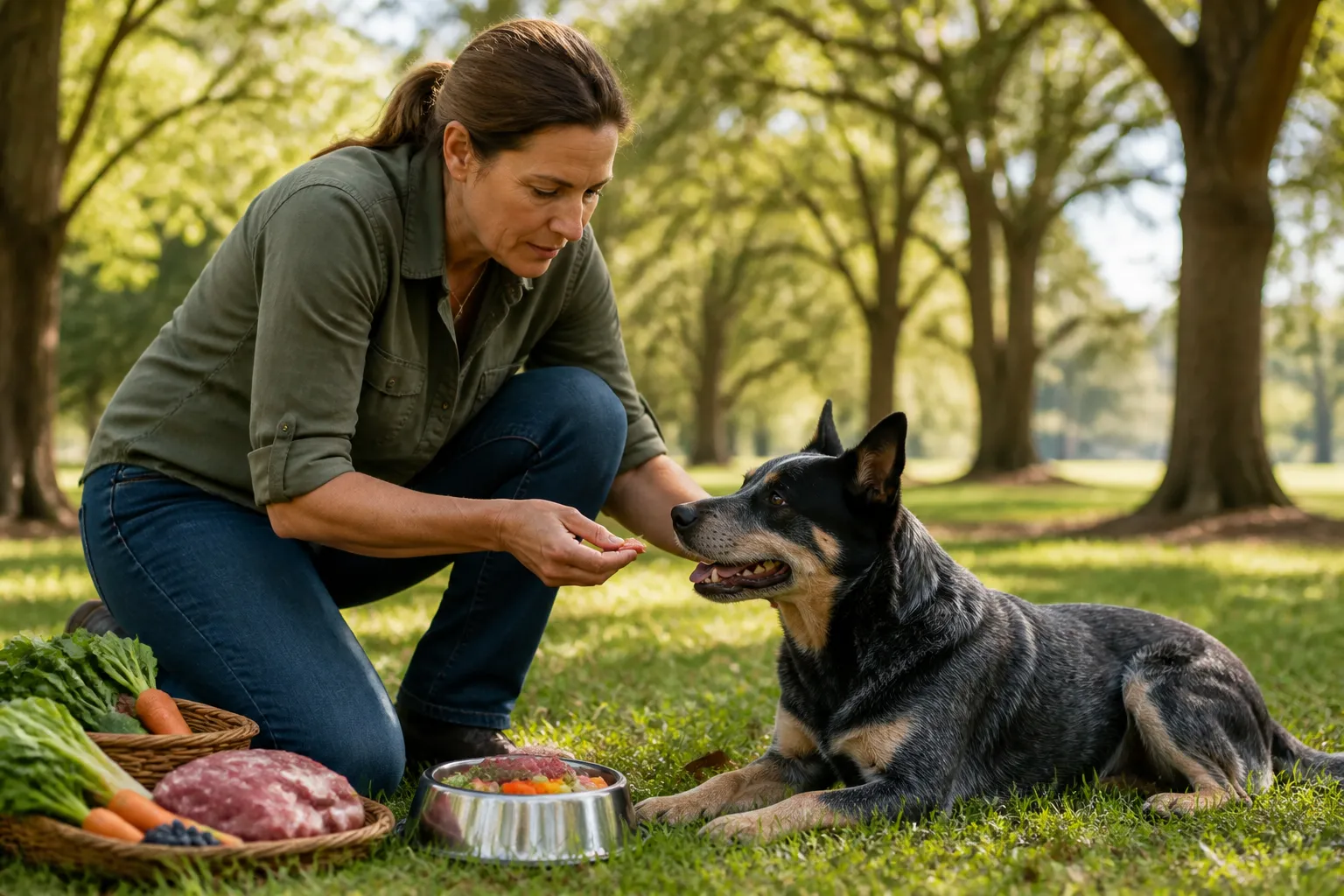
Each format can work when it is complete, balanced, safe, and appropriate for the dog. Dry food is convenient, often calorie dense, and easy to measure. Wet food increases moisture and may appeal to selective eaters. Fresh or home prepared diets can be suitable when formulated and handled correctly, but unbalanced recipes are common. The best choice is one the dog tolerates, the owner can provide consistently, and a professional considers nutritionally appropriate.
How quickly should I change diets?
A gradual transition over about a week is commonly suitable. Start with a small amount of the new food mixed into the familiar food, then increase the new portion while reducing the old one. Monitor stool, appetite, vomiting, itching, and energy. Some medical diets require faster changes, and dogs with significant symptoms should receive individualized veterinary instructions.
Are grain free foods healthier?
Grain free does not automatically mean healthier, more digestible, or less allergenic. Dogs can digest properly cooked grains, and true food allergies are less common than many owners assume. A diet should be selected for demonstrated nutritional adequacy, tolerance, and medical suitability rather than fashionable labels. Discuss persistent skin or digestive problems with a veterinarian before making major changes.
Can dogs eat homemade food?
Homemade meals may be appropriate when a veterinary nutrition professional formulates the recipe and the owner follows it precisely. Substituting ingredients, omitting supplements, or relying on meat and rice alone can create deficiencies involving calcium, vitamins, minerals, or essential fatty acids. Cooking, storage, and portion control also matter. Homemade feeding should be treated as a complete nutritional plan, not an improvised mixture.
How many treats can my dog have?
Treats are best limited to a modest share of daily calories, commonly no more than ten percent. The exact amount depends on the treat’s calorie content and the dog’s size, age, activity, and health. Break larger treats into smaller pieces, use part of the regular meal for training, and reduce meal portions when treats are added. Dogs with pancreatitis, diabetes, allergies, or obesity need particularly careful choices.
Does my dog need supplements for joints or digestion?
Not necessarily. Some supplements may help particular dogs, but results vary and quality differs. A veterinarian can determine whether symptoms indicate a condition requiring diagnosis rather than supplementation. Provide the product name, ingredient list, dose, and all current medicines before beginning anything. Stop and seek advice if vomiting, diarrhea, lethargy, itching, or other new symptoms appear.
What should I do if my dog refuses food?
First check for environmental changes, spoiled food, dental discomfort, stress, or access to inappropriate substances. Offer fresh water and observe other signs. A missed meal may be less concerning in an otherwise bright adult than in a puppy, diabetic dog, or medically fragile animal. Contact a veterinarian promptly if refusal persists, or immediately if it accompanies repeated vomiting, weakness, pain, breathing changes, or suspected poisoning.
Conclusion
Dog health and nutrition are ongoing practices rather than one-time purchases. Choose complete and balanced food, measure portions, provide fresh water, limit treats, and adapt feeding to life stage, activity, body condition, and medical needs. Use supplements thoughtfully, protect food from contamination, and introduce dietary changes gradually unless professional guidance says otherwise.
A healthy routine also includes exercise, enrichment, dental care, parasite prevention, examinations, and attentive observation. Owners who notice patterns in appetite, weight, stool, thirst, coat, and behavior can give veterinarians useful information and seek help sooner. No product replaces diagnosis, individualized advice, or emergency care.
The most effective approach is practical and consistent: select a reputable formula, follow its directions, evaluate the dog rather than the advertising, and review the plan whenever circumstances change. With informed choices and regular professional support, nutrition becomes a powerful foundation for comfort, vitality, and a longer, healthier life.