Quick Answer
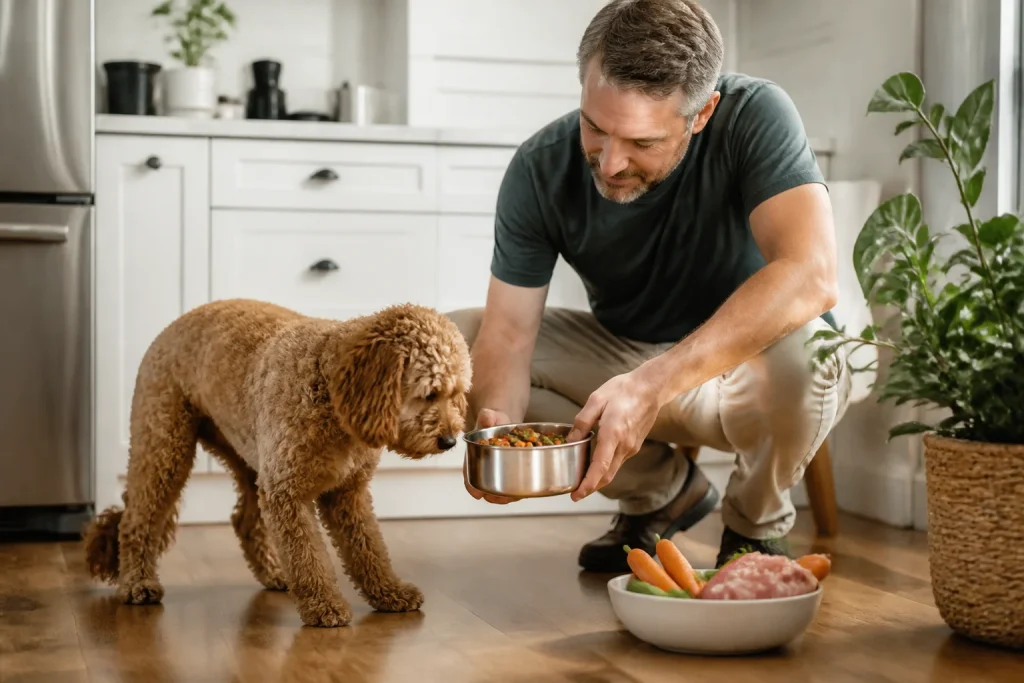
Choose a dog food that is complete and balanced for your dog’s life stage, then adjust the portion for their size, activity, body condition, and health needs. Use feeding guidelines only as a starting point, measure meals, limit treats, and monitor weight, ribs, waist, stool quality, appetite, and energy. Puppies, large-breed puppies, senior dogs, pregnant dogs, and dogs with medical conditions may need more specific nutrition. Ask a veterinarian before making major diet changes or using homemade, raw, or supplement-heavy diets.
Dog Health & Nutrition: Dog Health & Nutrition: Understanding Dog Health and Nutrition
Dog health and nutrition are closely connected. A balanced diet supplies energy, supports growth, maintains strong tissues, and helps the immune system respond effectively to everyday challenges. However, nutrition is only one part of responsible care. Exercise, preventive veterinary visits, dental hygiene, parasite control, mental stimulation, safe housing, and loving companionship all influence a dog’s quality of life.
Every dog has individual needs. Age, breed, size, activity level, reproductive status, medical history, environment, and body condition should guide feeding decisions. A diet suitable for an energetic young retriever may not suit an elderly, sedentary terrier. Puppies require nutrients for development, while senior dogs often need careful calorie management and support for changing joints, digestion, or kidney function. Working dogs may need additional energy, whereas dogs prone to weight gain may benefit from measured portions and lower calorie density.
A nutritious plan should provide appropriate protein, fat, carbohydrates, vitamins, minerals, water, and sufficient calories. The goal is not simply to fill a bowl, but to meet a dog’s biological requirements without creating nutritional excesses. Reliable commercial foods labeled as complete and balanced are often convenient and scientifically formulated. Home prepared diets can also work, but they should be designed with a veterinary nutrition professional because casual recipes may lack calcium, essential fatty acids, trace minerals, or other vital nutrients.
Choosing a Suitable Diet
Reading Food Labels
Food labels offer useful information, although they require thoughtful interpretation. The ingredient list is arranged by weight before cooking, so ingredients containing water may appear prominently. A named animal protein, such as chicken, beef, turkey, or fish, can be a useful source of amino acids, but ingredient order alone does not prove overall quality. Nutritional adequacy statements are especially important. Look for confirmation that the food is complete and balanced for the dog’s life stage.
Feeding directions are starting points rather than absolute rules. They may overestimate or underestimate a particular dog’s needs. Monitor body condition, appetite, stool quality, and energy, then adjust portions gradually. Treat calories should generally remain a small part of daily intake. Frequent snacks, table scraps, chews, and flavored medications can quietly add substantial energy.
Some owners prefer grain free formulas, raw diets, limited ingredient products, or foods marketed for specific sensitivities. These choices are not automatically healthier. Grain free feeding is rarely necessary unless a veterinarian identifies a legitimate reason, and some diets may contain unusual ingredient patterns associated with nutritional concerns. Raw food carries risks involving bacteria, parasites, nutritional imbalance, and household exposure. Discuss major dietary changes with a veterinarian before beginning them.
What to Look for on a Dog Food Label
- Confirm the food is labeled complete and balanced for your dog’s intended life stage.
- Use the feeding guide as a starting estimate, not a fixed prescription.
- Check that the product is appropriate for growth, maintenance, or another stated nutritional purpose.
- Review calories per cup, can, or tray when comparing foods or managing weight.
- Introduce any major diet change gradually and monitor stool, appetite, energy, and body condition.
Macronutrients and Micronutrients
Protein supplies amino acids needed for muscles, skin, organs, hormones, enzymes, and immune defenses. Quality depends on the balance and digestibility of amino acids, not merely the percentage printed on a label. Fat is an efficient energy source and helps absorb fat soluble vitamins. Essential fatty acids support the skin barrier, coat, nervous system, and inflammatory regulation. Carbohydrates can provide energy and fiber, although dogs do not require a particular carbohydrate ingredient.
Vitamins and minerals must remain balanced. Calcium and phosphorus are essential for bones, but excessive or insufficient amounts can harm growing puppies, especially large breeds. Copper, zinc, iodine, selenium, and vitamins A, D, and E also have important roles, yet supplementation without professional guidance may cause toxicity or interfere with other nutrients. Water is indispensable. Fresh, clean water should be available at all times, with increased attention during hot weather, illness, exercise, or diarrhea.
Feeding Through Life Stages
Puppies generally need food formulated for growth, with controlled minerals and adequate energy. Small breeds may require several meals each day because they have limited stomach capacity and high metabolic demands. Large breed puppies need carefully controlled growth rather than unlimited calories. Rapid weight gain can stress developing bones and joints. Weigh puppies regularly and ask a veterinary team to evaluate growth trends.
Adult dogs need maintenance nutrition adjusted to activity and body condition. A highly active dog may require more calories, while an apartment dog with limited exercise may need fewer. Pregnancy and nursing substantially increase nutritional demands and should be managed with veterinary advice. Pregnant dogs should not receive random supplements, because excess calcium or certain vitamins can create problems.
Senior dogs are not defined by one universal age. Their needs vary by breed and health status. Older dogs may benefit from calorie control, highly digestible ingredients, adequate protein, joint supportive nutrients, and regular monitoring of kidney, liver, thyroid, and dental function. A senior diet should respond to actual findings rather than marketing alone.
Life-Stage Feeding Priorities
| Life stage | Primary feeding focus |
|---|---|
| Puppy | Growth-formulated food, regular meals, and monitored development. |
| Large-breed puppy | Controlled growth, appropriate minerals, and avoidance of excess calories. |
| Adult | Maintenance calories adjusted for activity and body condition. |
| Pregnant or nursing dog | Veterinary-guided nutrition for increased energy demands. |
| Senior dog | Calorie management and diet choices based on health findings and function. |
Portion Control and Body Condition
Maintaining a healthy body condition is one of the most powerful ways to protect long term health. Excess weight increases stress on joints, worsens breathing, raises anesthesia risk, and contributes to diabetes, heart strain, and reduced mobility. Feel your dog’s ribs gently. They should be easy to locate beneath a thin layer of fat, while the waist should be visible from above and the abdomen should rise when viewed from the side.
Measure meals with a standard measuring cup or kitchen scale. Free feeding makes intake difficult to track and can encourage overeating. Divide daily food into two or more meals when practical. If weight reduction is needed, reduce calories gradually under veterinary guidance, preserve appropriate protein, and avoid severe restriction. Recheck progress regularly because metabolic needs change as weight decreases.

Monthly Body-Condition Check
- Weigh or measure every meal consistently.
- Feel for ribs beneath a thin layer of fat.
- Look for a visible waist from above.
- Check for an abdominal tuck from the side.
- Record weight and adjust the plan gradually when trends change.
- Count treats, chews, leftovers, and flavored medications as calories.
Treats, Supplements, and Safe Foods
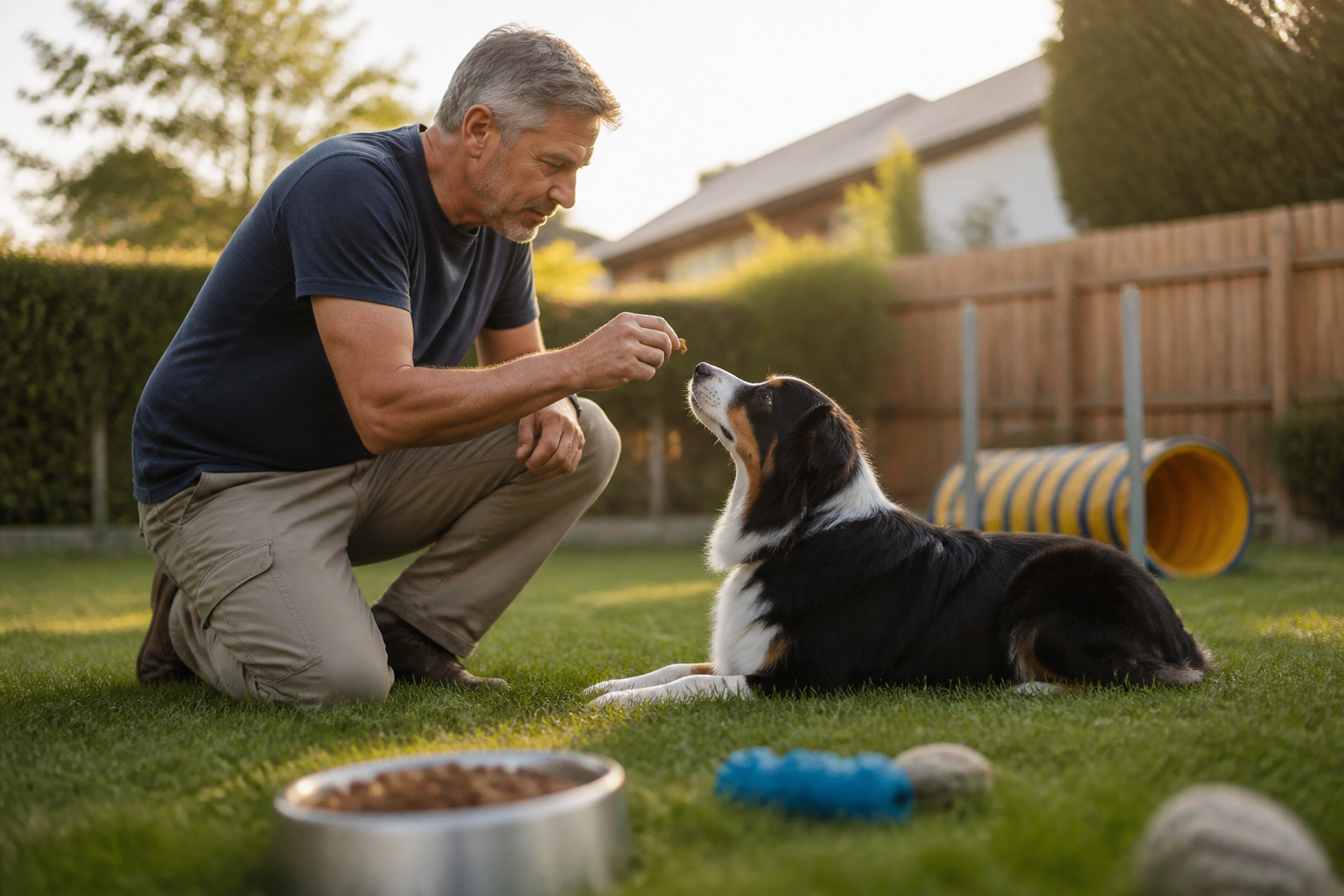
Treats can support training and bonding, but they should fit within the daily calorie allowance. Break larger treats into small pieces, use part of the regular meal for training, or offer low calorie options such as small portions of suitable vegetables. Never assume that a food is safe because it is natural. Chocolate, grapes, raisins, onions, garlic, xylitol, alcohol, caffeine, macadamia nuts, and yeast dough can be dangerous. Cooked bones may splinter, while fatty leftovers can trigger digestive upset or pancreatitis.
Supplements are not a substitute for a complete diet. Glucosamine, omega three fatty acids, probiotics, and other products may help selected dogs, but evidence and product quality vary. Some supplements interact with medications or become harmful at high doses. Choose products with transparent labeling and independent quality testing when available, and review every supplement with a veterinarian.
Supporting Complete Health
Nutrition works best alongside preventive care. Veterinary examinations can detect dental disease, heart abnormalities, parasites, pain, endocrine disorders, and early organ changes before obvious symptoms appear. Vaccinations should follow local disease risks and professional recommendations. Parasite prevention protects against fleas, ticks, heartworms, and intestinal worms, some of which threaten people as well as dogs.
Dental care deserves daily attention. Plaque hardens into tartar, causing gum inflammation, discomfort, tooth loss, and potentially broader health problems. Brushing with pet safe toothpaste is usually the most effective home measure. Human toothpaste may contain harmful ingredients and should not be used. Veterinary dental assessments and professional cleaning may be necessary when disease is established.
Exercise should match age, structure, fitness, weather, and medical status. Gradual activity supports muscles, cardiovascular function, balance, and weight control. Mental enrichment is equally valuable. Sniffing walks, puzzle feeders, training games, safe chewing, and appropriate social interaction help reduce boredom and unwanted behaviors. Avoid intense exercise during extreme heat, and learn signs of overheating, including heavy panting, weakness, confusion, vomiting, and collapse.
Recognizing Health Problems
Changes in appetite, thirst, urination, stool, weight, energy, coat, breathing, or behavior can signal illness. A dog that refuses food once may simply have a minor upset, but persistent appetite loss deserves attention. Increased thirst and urination may indicate diabetes, kidney disease, hormonal disorders, medication effects, or other conditions. Repeated vomiting, bloody diarrhea, severe abdominal pain, collapse, difficulty breathing, seizures, pale gums, or suspected toxin ingestion require urgent veterinary care.
Keep a simple health record containing diet, portions, treats, medications, vaccinations, parasite prevention, weight, and unusual symptoms. Photos or videos can help a veterinarian understand intermittent coughing, limping, itching, or unusual movements. Do not give human pain relievers unless specifically prescribed; many are toxic to dogs.
Introducing Dietary Changes
Change foods gradually over approximately a week when possible. Begin with a small amount of the new food mixed into the familiar diet, then increase the new proportion while decreasing the old. A slower transition may suit dogs with sensitive digestion. Monitor stool, appetite, vomiting, itching, and energy. If significant symptoms appear, contact a veterinarian rather than repeatedly switching foods.
Food allergies are less common than many owners believe, and symptoms often resemble environmental allergies or parasites. A properly supervised elimination diet followed by controlled reintroduction is the reliable way to investigate a suspected food allergy. Blood and saliva tests marketed for this purpose may not provide dependable answers.
Frequently Asked Questions
How often should a dog eat?
Many healthy adult dogs do well with two measured meals daily. Puppies, toy breeds, pregnant dogs, and dogs with particular medical conditions may need different schedules. Consistency helps owners notice appetite changes and supports predictable digestion. Ask a veterinarian about meal frequency if your dog has diabetes, reflux, a history of stomach problems, or a risk of bloat.
Is homemade food automatically healthier?
No. Homemade food can be nutritious when formulated precisely, but meat, rice, and vegetables alone are rarely complete. Missing calcium, iodine, zinc, vitamin D, or essential fatty acids can cause gradual disease. Use a recipe developed for your dog by a qualified veterinary nutrition professional, follow it exactly, and review it as needs change.
Should dogs eat raw food?
Raw feeding is a personal choice with meaningful risks. Uncooked ingredients may contain Salmonella, Campylobacter, parasites, or other pathogens. Bones can fracture teeth or obstruct the digestive tract, and homemade raw diets may be unbalanced. Puppies, elderly dogs, pregnant people, and immunocompromised household members increase the concern. Discuss alternatives and safety measures with a veterinarian.
How can I help an overweight dog?
First confirm the dog’s body condition and rule out medical contributors. Measure every calorie, including treats, chews, and leftovers. Increase activity gradually if the dog is physically able, and use a veterinarian recommended weight management food when appropriate. Reweigh regularly. A safe plan emphasizes steady loss while preserving muscle, rather than sudden starvation.
Are supplements necessary?
Most dogs eating a complete and balanced diet do not require routine supplements. A supplement may be useful for a diagnosed deficiency or a specific condition, but the correct product and dose depend on the individual. Bring containers or photographs of labels to veterinary appointments so potential interactions can be assessed.
What should I do if my dog eats something toxic?
Remove access to the substance, identify what was eaten, estimate the amount and time, and contact a veterinarian or animal poison service immediately. Do not induce vomiting unless a professional instructs you. Keep packaging available. Emergency signs such as collapse, seizures, breathing difficulty, or repeated vomiting require immediate transport to an emergency clinic.
Building a Practical Daily Plan
A dependable routine begins with a complete diet selected for life stage and health status. Measure the daily ration, divide it into appropriate meals, and reserve a portion for training. Provide clean water, a safe place to rest, and regular opportunities for movement and enrichment. Check body condition monthly, record weight when possible, and inspect the mouth, skin, ears, paws, and coat during calm handling.
Plan adjustments before problems become severe. A growing puppy may need a different formula within months. Activity can decline after neutering, injury, or a change in household routine. A new medication may alter appetite or thirst. Seasonal heat can increase water needs, while dental pain may make dry food difficult to eat. Early observation allows timely professional advice.
Conclusion
Dog health and nutrition depend on balanced decisions rather than one fashionable ingredient or universal feeding rule. Choose complete nutrition appropriate to the individual, control portions, provide water, and treat snacks and supplements thoughtfully. Combine feeding with preventive veterinary care, dental hygiene, exercise, enrichment, parasite protection, and careful observation.
The most reliable approach is collaborative. Owners contribute daily knowledge of appetite, behavior, weight, and routine, while veterinary professionals interpret those observations and investigate abnormalities. When diet changes are gradual, calories are measured, and warning signs receive prompt attention, dogs have a stronger foundation for healthy bodies and active, comfortable lives. Good nutrition is not a single purchase; it is an ongoing practice shaped by evidence, consistency, and respect for each dog’s changing needs.