

Dog Health & Nutrition: Dog Health & Nutrition: Understanding Dog Health And Nutrition
Dog health and nutrition depend on a consistent partnership between appropriate food, preventive care, exercise, observation, and professional veterinary guidance. A nourishing diet supplies energy, supports immune defenses, maintains muscles, and helps organs perform their daily work. However, nutrition is not a single universal formula. A growing puppy, an athletic adult, a pregnant female, and an older dog have different requirements. Breed size, activity level, medical history, body condition, and individual tolerance also influence feeding decisions.
A complete approach begins with realistic goals. Owners should aim for a stable, healthy body condition rather than maximum weight or an especially large portion. A dog with visible ribs but a thin covering of fat may be underfed, while a dog with no discernible waist may carry excess weight. Both problems can affect mobility, heart function, metabolic health, and quality of life. Regular checks allow gradual adjustments before a small concern becomes a serious condition.
Food is only one part of wellness. Clean water must be available every day, and bowls should be washed frequently to reduce bacterial buildup. Dogs also need safe movement, mental stimulation, comfortable shelter, adequate rest, dental care, parasite prevention, vaccinations, and routine examinations. These elements reinforce one another. For example, exercise supports muscle and insulin sensitivity, while dental care can improve comfort and make eating easier.
Choosing A Suitable Diet
Reading The Label
A reputable commercial diet should state that it is complete and balanced for a particular life stage. This declaration indicates that the recipe meets recognized nutritional standards when fed as directed. Look for clear information about intended age, serving guidance, manufacturer contact details, and quality control practices. Ingredient lists are useful, but they should not be interpreted alone. The first ingredient does not automatically determine overall nutritional value, because ingredients contain different amounts of water and nutrients.
Protein provides amino acids needed for tissue repair, immune activity, enzymes, hormones, and healthy skin. Dogs can obtain protein from animal and plant sources when the entire recipe is properly formulated. Fat supplies concentrated energy and helps absorb fat soluble vitamins. Essential fatty acids support the skin barrier, coat quality, brain function, and inflammatory regulation. Carbohydrates are not inherently harmful; digestible sources can provide energy, fiber, and useful nutrients.
Fiber deserves special attention. Appropriate fiber can support bowel regularity, stool quality, and a healthy intestinal environment. Too much, however, may reduce calorie density or interfere with nutrient absorption. Vitamins and minerals must remain balanced. Adding supplements to an already complete food can create excessive levels of certain nutrients, especially calcium, vitamin D, or selenium.
Matching Life Stage And Lifestyle
Puppies require carefully balanced energy, protein, calcium, and phosphorus for controlled growth. Large breed puppies are particularly vulnerable to problems caused by excessive calories or mineral imbalance, so their food should be designed for large breed growth. Adults need enough energy to maintain an appropriate condition without encouraging weight gain. Senior dogs may benefit from adjusted calories, highly digestible protein, and nutrients that support joints, but aging alone does not justify a restrictive diet.
Working dogs, highly active companions, and dogs living outdoors in cold conditions may need more calories. Conversely, sterilized, sedentary, or weight prone dogs often need measured portions and lower energy density. A feeding guide is a starting point, not a guarantee. Weigh the dog regularly, assess body condition, and change portions gradually.
Feeding Practices That Support Wellness
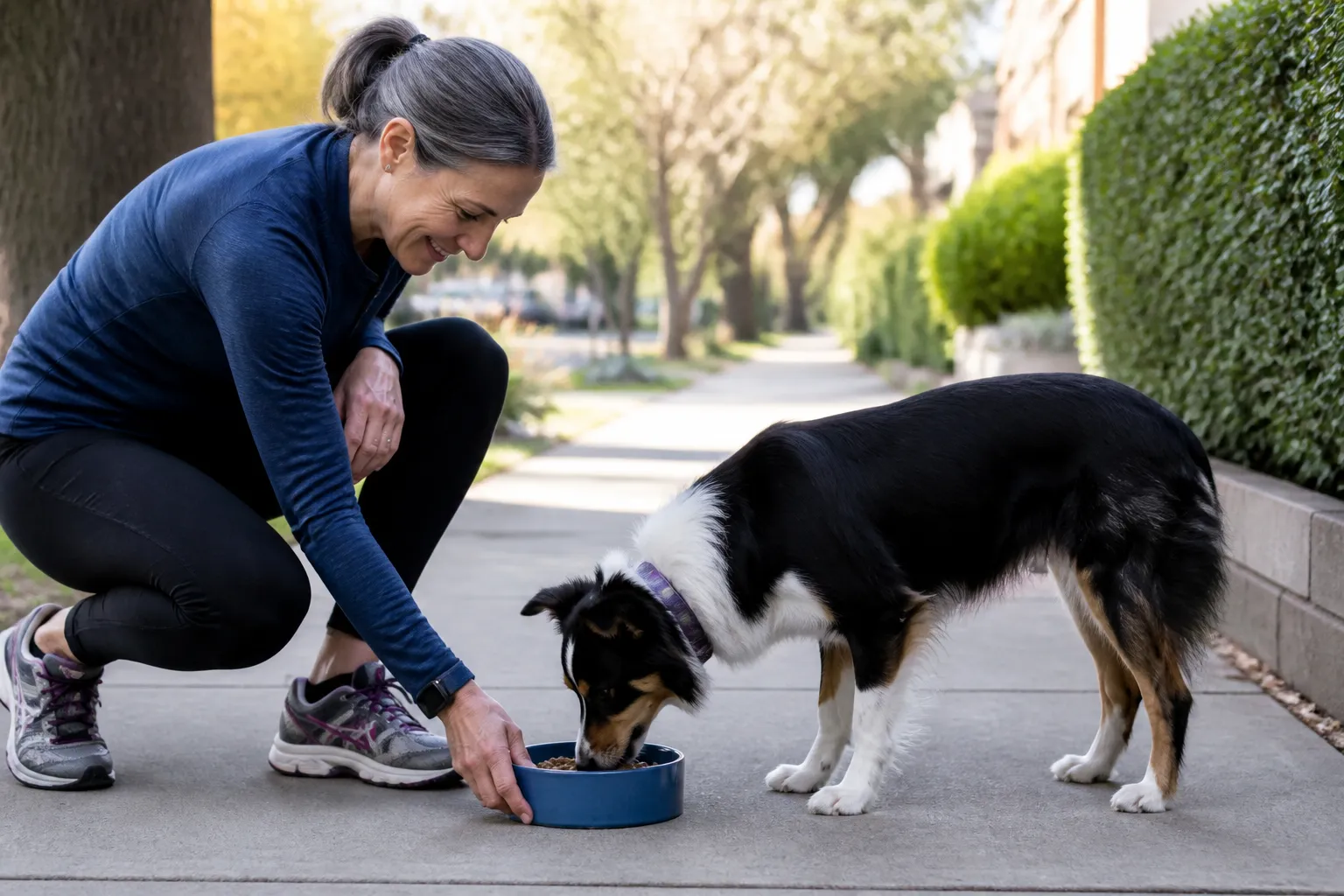
Meal routines can make nutrition easier to manage. Many adult dogs do well with two measured meals daily, although puppies, medical patients, or dogs with special needs may require different schedules. Use a measuring cup or kitchen scale rather than estimating by eye. Treats, chews, table scraps, and food used for training all contribute calories. Ideally, extras should remain a small portion of daily intake, and their ingredients should be considered when allergies or medical diets are involved.
Fast eating can cause discomfort and may increase choking risk. Slow feeding bowls, food puzzles, scatter feeding, or dividing meals can encourage safer consumption and mental enrichment. Such tools should be introduced gradually and supervised. Never allow competition around food, particularly in homes with several animals. Feed separately if necessary, and teach children to leave a dog undisturbed while it eats.
Fresh water is essential. A dog drinking substantially more or less than usual may be signaling illness, although heat, exercise, diet moisture, and medication also affect thirst. Sudden changes should be discussed with a veterinarian, especially when accompanied by increased urination, vomiting, lethargy, or weight loss.

Supplements, Homemade Food, And Special Diets
Supplements can be helpful when a veterinarian identifies a specific need, but they are not automatically beneficial. Joint products, probiotics, fatty acids, and vitamins vary in quality and dosage. Some interact with medicines, while others may be unsafe at high levels. Choose products with transparent labeling and independent quality testing when available. Never give human supplements without veterinary approval; xylitol, iron, vitamin D, and several herbal ingredients can seriously harm dogs.
Homemade diets require careful formulation. A recipe based mainly on meat, rice, or vegetables may be deficient in calcium, essential fatty acids, iodine, zinc, or other nutrients. Working with a veterinary nutrition professional helps create a recipe appropriate for the dog’s age, condition, and calories. Recipes should be followed precisely, because substituting ingredients can change nutrient concentrations.
Veterinarians may recommend therapeutic diets for kidney disease, food responsive gastrointestinal disease, urinary problems, obesity, diabetes, or other conditions. These diets work as part of a treatment plan and should not be replaced casually with a similar sounding retail product. If a dog refuses a prescribed diet, contact the clinic for alternatives rather than allowing prolonged fasting or adding unapproved ingredients.
Recognizing Nutritional Problems
Body condition is more informative than a number on the scale. A healthy dog generally has ribs that can be felt beneath a light fat covering, a visible waist from above, and an abdominal tuck from the side. Coat dullness, recurrent digestive upset, reduced stamina, excessive hunger, or unexplained weight change can indicate nutritional imbalance or an unrelated disease.
Vomiting and diarrhea may follow a sudden food change, scavenging, stress, parasites, infection, or organ disease. Transition to a new food over approximately seven days by mixing increasing amounts of the new diet with the old, unless a veterinarian advises otherwise. Seek prompt care for blood, repeated vomiting, severe weakness, abdominal pain, dehydration, black stools, or symptoms in a very young, elderly, or medically fragile dog.
Food allergies are less common than many owners assume, and true diagnosis requires a controlled elimination diet followed by a deliberate food challenge. Randomly changing foods or purchasing multiple “limited ingredient” products can make conclusions difficult. Environmental allergies, fleas, infections, and other causes may produce similar itching.
Obesity deserves compassionate, practical management. Rapid restriction can be unsafe, so establish a target with a veterinarian. Measure meals, reduce calorie dense treats, increase appropriate activity gradually, and monitor progress. Weight loss should be steady rather than dramatic. Family members must follow the same plan, because uncounted snacks can defeat careful feeding.
Exercise, Enrichment, And Preventive Care
Nutrition works best when paired with suitable activity. Daily walks, play, training, swimming, scent games, and controlled running can support cardiovascular health and emotional balance. Exercise needs vary widely. Puppies need opportunities without repetitive, forced exertion, while older dogs may benefit from shorter sessions, gentle surfaces, and rest between activities. Heat, humidity, pavement temperature, and breathing ability should always be considered.
Mental enrichment is equally important. Food puzzles, obedience practice, sniffing activities, and safe exploration can reduce boredom without adding unnecessary calories. Rotate toys and use part of the regular meal for training. Observe body language; panting, lagging, stiffness, limping, or reluctance to continue indicates that intensity should be reduced.
Preventive veterinary care should include physical examinations, vaccination planning, parasite control, dental assessment, and screening appropriate to age and risk. Dental disease can cause pain, bad breath, difficulty eating, and inflammation beyond the mouth. Daily brushing with dog specific toothpaste is ideal, although some dogs need gradual training. Avoid extremely hard chews that can fracture teeth.
Frequently Asked Questions
How much should my dog eat?
The correct amount depends on the food’s calorie density, the dog’s weight, age, activity, reproductive status, and body condition. Begin with the package guidance, divide the daily amount into meals, and reassess regularly. A veterinarian can calculate calories more accurately, particularly for obesity, growth, pregnancy, or disease.
Is grain free food healthier?
Grain free does not automatically mean healthier, and grains are not inherently harmful for most dogs. A food should be chosen for complete nutrition, digestibility, quality control, and the individual dog’s needs. Do not remove grains solely because of marketing claims. Discuss unusual diets with a veterinarian, especially if the dog has heart concerns or a medical condition.
Can dogs eat human food?
Some plain foods, including small amounts of cooked lean meat, carrots, green beans, or certain fruits, may be suitable treats. Portions must remain modest. Avoid chocolate, grapes, raisins, onions, garlic, alcohol, caffeine, macadamia nuts, xylitol, cooked bones, and heavily seasoned or fatty foods. When uncertain, check with a veterinary professional before offering it.
Should I give a daily multivitamin?
A healthy dog eating a complete and balanced diet usually does not need a multivitamin. Unnecessary supplementation can upset nutritional balance or cause toxicity. A veterinarian may recommend a targeted product after evaluating diet, symptoms, laboratory results, or a diagnosed deficiency.
How should I change foods?
Make changes gradually over about one week. Start with mostly the current food and add a small amount of the new food, increasing it every day if stools remain normal. Sensitive dogs may need a slower transition. Contact a veterinarian if diarrhea persists, vomiting develops, or appetite falls significantly.
Are raw diets safe?
Raw diets can expose dogs and people to pathogens and may contain nutritional imbalances or bones that injure teeth and the digestive tract. Freezing does not eliminate every risk. If considering raw feeding, discuss the plan with a veterinarian and a qualified veterinary nutrition professional, particularly when children, older adults, pregnant people, or immunocompromised individuals live in the household.
When is a problem urgent?
Seek immediate veterinary attention for difficulty breathing, collapse, repeated unproductive retching, suspected toxin ingestion, severe abdominal swelling, seizures, pale gums, uncontrolled bleeding, or profound weakness. Nutrition concerns also deserve prompt attention when a dog cannot keep water down, stops eating, becomes dehydrated, or loses weight unexpectedly.
Conclusion
Dog health and nutrition are best managed through informed consistency rather than fashionable shortcuts. Select a complete diet suited to life stage and lifestyle, measure portions, provide clean water, and treat snacks as part of the daily calorie budget. Observe body condition, digestion, energy, coat, appetite, thirst, and behavior so changes are noticed early.
Exercise, enrichment, dental care, parasite prevention, vaccinations, and regular veterinary examinations complete the picture. Supplements, homemade recipes, raw diets, and therapeutic foods require thoughtful evaluation because well intentioned choices can create hidden deficiencies or hazards. When illness, weight change, persistent digestive signs, or unusual thirst appears, professional advice is more reliable than internet speculation.
A practical plan can remain simple: record the food and treats offered, weigh the dog periodically, maintain a predictable routine, introduce changes gradually, and communicate openly with the veterinary team. Each dog is an individual, and recommendations may evolve with age, activity, environment, and health status. By combining balanced nutrition with attentive care, owners can support resilience, comfortable movement, healthy aging, and a better quality of life throughout their companion’s years.