

Helping Dogs Thrive With Thoughtful Nutrition
Dog vitamins and supplements can support a healthier, more comfortable life, but they are not automatic replacements for balanced food, veterinary care, exercise, or attention. The best choice depends on a dog’s age, diet, breed tendencies, activity level, existing conditions, and individual needs. A supplement should solve a clearly defined nutritional or health concern, use transparent ingredients, and fit safely into the dog’s complete care plan.
For healthy dogs eating a complete and balanced commercial diet, additional vitamins are often unnecessary. Adding several products simply because they sound beneficial may create excess intake, stomach upset, interactions, or confusion about what is actually helping. A focused approach is more persuasive because it is also more responsible: identify a goal, discuss it with a veterinarian, select a suitable product, introduce it gradually, and monitor the result.
This guide explains common supplement categories, useful ingredients, product qualities, practical administration, safety questions, and signs that professional advice is needed. It is designed to help owners make informed decisions rather than chase broad promises.
What Dog Vitamins and Supplements Do
Vitamins are organic nutrients dogs require in small amounts for normal body processes. They include fat soluble vitamins, such as A, D, E, and K, and water soluble vitamins, including several B vitamins. Minerals, fatty acids, probiotics, enzymes, herbs, and other compounds are commonly marketed as supplements, although they are not all vitamins.
A complete diet should provide essential nutrients in appropriate proportions. Supplements may be useful when a veterinarian identifies a deficiency, a medical condition changes nutritional needs, food intake is inadequate, or a targeted ingredient could support a particular concern. For example, a dog with a restricted diet may need carefully selected nutritional support, while a dog with itchy skin may be considered for an appropriate fatty acid product after other causes are evaluated.
The word “natural” does not guarantee safety, effectiveness, purity, or correct dosing. Likewise, a premium appearance does not prove that a product is appropriate. Evidence, quality control, ingredient transparency, and veterinary guidance matter more than packaging language.
Potential Benefits By Need
Skin and Coat Support
Omega 3 fatty acids, particularly those obtained from marine sources, are often included in formulas for skin and coat support. They may help maintain the skin barrier and support a glossy coat, but persistent itching, redness, hair loss, odor, or recurrent ear problems can indicate allergies, parasites, infection, or another condition. A supplement should not delay diagnosis.
Fish oil products vary in concentration, freshness, and contaminant testing. Check the amount of active fatty acids rather than focusing only on the total oil volume. Ask a veterinarian about suitability for dogs with digestive disease, bleeding concerns, pancreatitis history, or medications that may affect clotting. Store oils according to label directions because oxidation can reduce quality.
Joint and Mobility Support
Glucosamine, chondroitin, green lipped mussel, collagen, and selected fatty acids appear in joint products. Owners commonly consider them for aging dogs, dogs with prior injury, or animals showing stiffness. These ingredients are not interchangeable, and results can vary. A mobility supplement cannot repair every joint problem, and it should complement, not replace, weight management, controlled exercise, pain assessment, and veterinary treatment.
Watch for difficulty rising, reluctance to use stairs, changed gait, reduced play, or sudden lameness. Sudden or severe pain deserves prompt veterinary evaluation. A product may take time to assess, so record mobility changes using consistent observations rather than relying on memory.
Digestive Support
Probiotics contain live microorganisms intended to support the intestinal environment. Prebiotics provide fermentable material that can nourish certain beneficial bacteria. Digestive products may be considered during dietary transitions or for selected gastrointestinal concerns, but diarrhea, vomiting, blood in stool, dehydration, appetite loss, or weight loss requires professional attention.
Not every probiotic strain has the same purpose. Look for the named strains, storage instructions, expiration information, and a guaranteed amount at the end of shelf life when provided. Avoid assuming that a supplement designed for humans is suitable for dogs; sweeteners, flavorings, doses, and additional ingredients may be inappropriate.

Multivitamins and General Wellness
Multivitamins are attractive because they promise broad coverage, yet “more” is not automatically better. Fat soluble vitamins can accumulate, and excessive minerals may interfere with absorption or create health risks. A general wellness product is most defensible when a veterinarian has identified a dietary gap or special requirement.
Puppies, pregnant or nursing dogs, seniors, and dogs with chronic disease may have different nutritional priorities. Growing puppies especially need carefully balanced nutrition; adding calcium or other minerals without guidance can disrupt development. Homemade diets also require professional formulation because small ingredient changes can substantially alter nutrient balance.
Choosing A Responsible Product
Read The Label Completely
A useful label should identify the active ingredients, amount per serving, serving directions, intended animal species, storage requirements, lot information, expiration date, and manufacturer contact details. Proprietary blends that hide individual quantities make meaningful comparison difficult. A label should distinguish the active compound from carriers, flavorings, and fillers.
Check whether dosing is based on body weight and whether the product is intended for a particular size or life stage. Never assume that one chew equals one appropriate dose for every dog. Small dogs can be exposed to excessive amounts quickly, while very large dogs may require a different formulation.
Prefer Verifiable Quality Practices
Supplements may not be evaluated in exactly the same way as prescription medicines. Manufacturing and quality practices can differ among companies and regions. Look for clear testing information, reliable customer service, and willingness to answer questions about identity, purity, contaminants, and batch consistency. Independent certification may provide additional reassurance when genuinely applicable, but it is not a substitute for veterinary judgment.
Avoid products that promise to cure cancer, reverse aging, eliminate allergies, replace medication, or produce dramatic results for every dog. Strong guarantees are warning signs. Responsible language acknowledges that outcomes vary and explains the product’s intended role.
Match The Product To The Dog
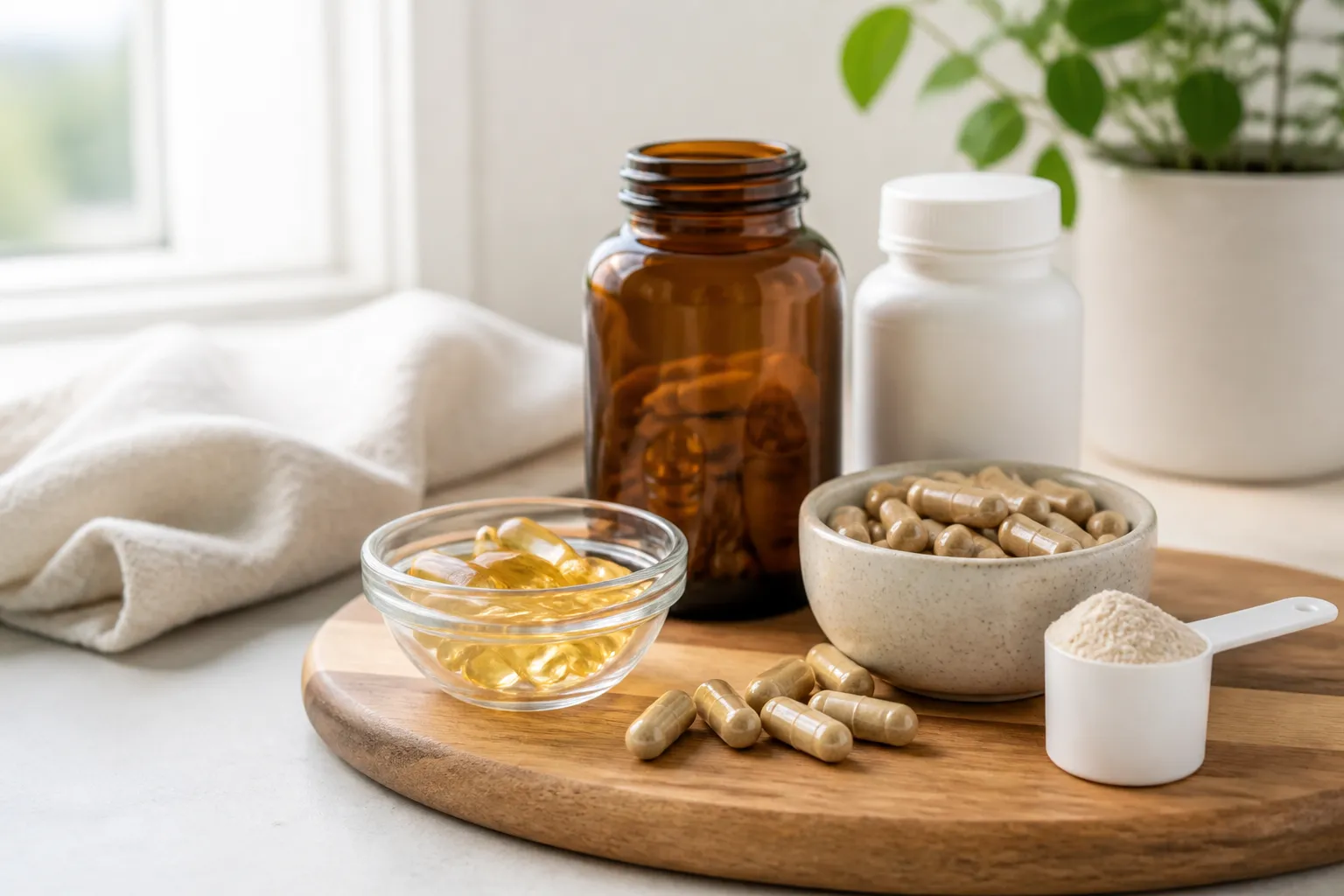
Consider allergies, food sensitivities, current medications, kidney or liver disease, pregnancy, pancreatitis risk, prior surgery, and planned procedures. Some products contain calories that matter for overweight dogs. Chews may include proteins or flavorings that conflict with an elimination diet. Liquid products may be convenient, but concentrated oils can create dosing errors if the measuring device is unclear.
Bring the complete label, not merely the front of the package, to a veterinary appointment. Include every supplement, treat, prescription, and over the counter product. The combined list allows a professional to assess duplication and possible interactions.
How To Introduce A Supplement
Begin with one new product at a time whenever practical. Introducing several products together makes it difficult to identify the cause of diarrhea, vomiting, itching, appetite changes, or improvement. Follow the label’s directions unless a veterinarian provides a different plan. Some products are best given with food, while others have specific instructions.
Start cautiously when the label or veterinarian permits gradual introduction. Keep a simple record of the product name, dose, date started, stool quality, appetite, energy, mobility, skin changes, and other relevant observations. Give the product enough time for a fair evaluation, but do not continue indefinitely without a defined reason.
If a dog develops repeated vomiting, marked lethargy, facial swelling, breathing difficulty, severe diarrhea, collapse, or other urgent signs, stop and seek veterinary help promptly. Emergency symptoms should never be managed by adding another supplement.
Common Forms And Practical Advantages
Chews are convenient for many households, but they can resemble treats and may contain substantial calories. Tablets are often easier to count and may offer a more precise dose, though some dogs resist them. Powders can be mixed into food, but acceptance depends on smell and texture. Liquids may suit dogs that cannot swallow pills, yet the measuring method must be accurate.

Choose the form that the dog will reliably receive. An excellent ingredient has little value if the dog refuses it or if administration becomes stressful. Avoid hiding a tablet in food when doing so undermines a prescribed diet or creates a risk of choking. Ask a veterinary team for safe administration techniques if needed.
Treat supplements as secured products. A dog may consume an entire container if it is left within reach, and the consequences depend on the ingredients and quantity. Keep packaging available in case a poison control service or veterinarian needs exact information.
Ingredients Requiring Particular Caution
Vitamin D, iron, calcium, zinc, and other nutrients can be harmful in excessive amounts. Products made for people may contain xylitol or other ingredients unsafe for dogs, depending on the formulation. Some herbal ingredients can affect sedation, blood pressure, liver function, or clotting. “Herbal” describes an origin, not a risk category.
Cod liver oil can provide certain nutrients, but its vitamin content differs from ordinary fish oil and may be inappropriate when added without guidance. Garlic, onion, and concentrated extracts associated with human wellness products deserve special caution. Essential oils should not be applied or administered casually; exposure can be dangerous.
Before surgery, tell the veterinary team about all supplements. A clinic may recommend pausing selected products because of possible effects on bleeding, anesthesia, blood pressure, or stomach function. Never stop a prescribed medicine or alter its dose in favor of a supplement without professional direction.
Nutrition Beyond A Jar
The strongest foundation is a complete diet suited to the dog’s life stage and medical needs. Fresh water, appropriate portions, regular movement, dental care, parasite prevention, enrichment, sleep, and preventive examinations often have greater practical influence than a general vitamin chew. A supplement cannot compensate for chronic overfeeding, inactivity, untreated pain, or a poor-quality feeding plan.
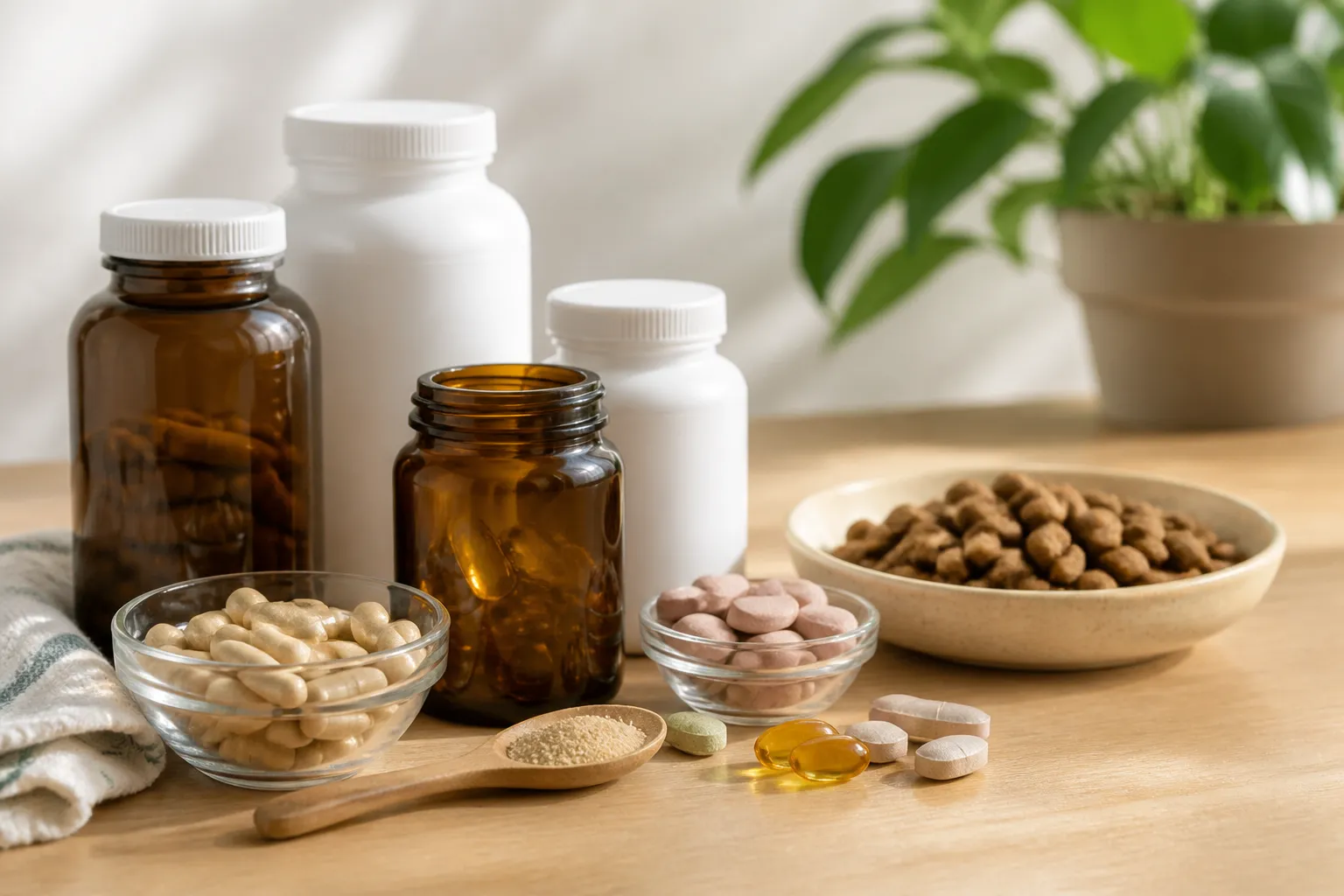
Body condition is especially important. Excess weight can worsen joint strain and reduce comfort, while underweight dogs may need investigation rather than indiscriminate calorie supplementation. Measure meals, account for treats and chews, and ask a veterinarian to assess weight using physical examination rather than appearance alone.
For home-prepared diets, consult a veterinary nutrition professional when possible. Recipes copied from social media may omit essential nutrients or vary significantly in composition. Substituting ingredients can change protein, energy, mineral, and vitamin levels. A carefully formulated diet is safer than attempting to correct an uncertain recipe with a random multivitamin.
A Simple Decision Checklist
First, define the concern in observable terms: occasional stiffness, dry coat, loose stool during transitions, or a diagnosed deficiency. Second, rule out problems requiring medical assessment. Third, review the dog’s current diet and all products already being used. Fourth, ask whether the proposed ingredient has a plausible role and an appropriate safety profile.
Fifth, compare labels for active amounts, dosing, calories, expiration, storage, and quality information. Sixth, introduce only what is needed, preferably one change at a time. Seventh, establish a review date. If there is no meaningful benefit, side effects occur, or the original problem changes, reassess rather than automatically increasing the dose.
This checklist prevents the most common purchasing error: choosing a product because it sounds comprehensive while overlooking the dog’s actual need. Specific goals produce clearer decisions and safer monitoring.
Frequently Asked Questions
Does Every Dog Need Vitamins?
No. Dogs eating a complete and balanced diet generally receive the nutrients required for normal maintenance. A supplement may be appropriate for a diagnosed deficiency, a special diet, a health condition, or a targeted supportive purpose. Ask a veterinarian before adding routine vitamins.
Can I Give My Dog Human Supplements?
Do not assume they are safe. Human products may contain unsuitable doses, xylitol, concentrated ingredients, or combinations that interact with canine medications. Some ingredients are tolerated by dogs in carefully selected amounts, but suitability depends on the exact product and the individual animal. Have the label reviewed.
Are Supplements A Substitute For Veterinary Treatment?
No. Supplements may support a care plan, but they do not reliably diagnose or treat disease. Persistent symptoms such as vomiting, diarrhea, itching, coughing, weight loss, pain, or behavioral change deserve veterinary evaluation. Delaying care can allow an underlying problem to worsen.
How Long Should Results Take?
Timing depends on the ingredient, purpose, dose, and condition. Some digestive changes may appear relatively soon, while coat or mobility observations may require longer monitoring. Define success before starting, record relevant changes, and arrange a review if the expected benefit does not appear. Do not escalate the dose independently.
Can Supplements Cause Side Effects?
Yes. Possible problems include stomach upset, allergic reactions, excessive nutrient intake, medication interactions, and complications related to an existing illness. A dog’s size, age, diet, and organ function all matter. Report concerning signs promptly and retain the packaging for accurate discussion.
Are Expensive Products Better?
Price alone does not establish quality or effectiveness. Compare active amounts, transparency, testing information, freshness, dosing clarity, and suitability for the dog. A less expensive product with clear labeling may be more useful than a costly blend that hides quantities. Veterinary recommendations should guide the final choice.
Should Puppies Take Joint Or Calcium Supplements?
Not automatically. Puppies need balanced growth nutrition, and excess calcium or other minerals can be harmful. Joint ingredients may be considered for particular circumstances, but routine use should be discussed with a veterinarian. Feed an appropriate puppy diet and seek guidance for large or rapidly growing breeds.
What If My Dog Refuses The Product?
Try a different form only after checking ingredients and calories. A tablet, powder, liquid, or chew may suit different dogs. Do not force administration in a way that risks injury or creates lasting fear. Ask a veterinary professional about safe techniques, especially if the supplement is medically important.
Conclusion
Dog vitamins and supplements can be valuable when they address a genuine need with a suitable ingredient, transparent dosing, and appropriate oversight. The smartest purchase is not the product making the biggest promise; it is the one that fits the dog’s diet, health history, lifestyle, and clearly defined goal.
Start with foundational care and a veterinary conversation. Read the entire label, check for unnecessary duplication, introduce one change at a time, and monitor meaningful outcomes. Treat urgent symptoms as medical concerns rather than supplement problems. With this measured approach, owners can use targeted nutritional support responsibly while protecting the priorities that matter most: safety, comfort, sound nutrition, and a long, active relationship with their dogs.