
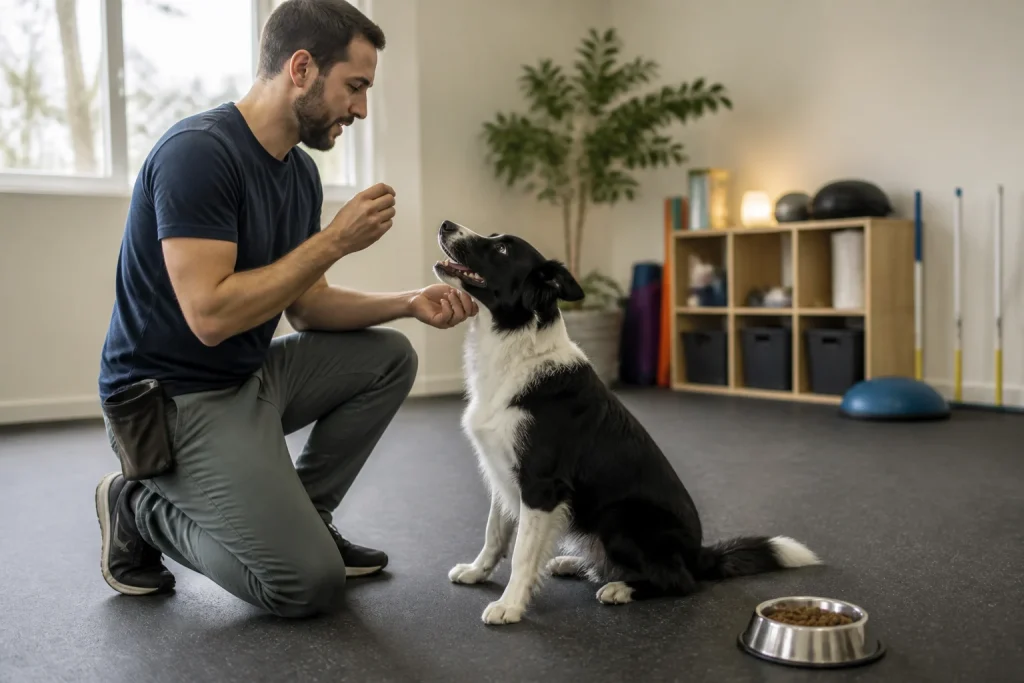
Dog Health & Nutrition: Dog Health & Nutrition: Understanding Dog Health and Nutrition
Supporting a dog’s health begins with understanding that nutrition is more than filling a bowl. Food supplies energy, maintains tissues, supports immunity, and influences digestion, skin, coat, muscles, bones, and cognitive function. Exercise, preventive care, emotional security, genetics, age, and living conditions also shape wellbeing. A thoughtful health and nutrition plan therefore combines a complete diet with observation, regular veterinary guidance, and everyday habits that reduce avoidable risks.
Every dog is an individual. A growing puppy, an athletic adult, a pregnant female, and an elderly companion have different requirements. Breed size, body condition, activity level, medical history, allergies, and reproductive status can change the ideal amount or type of food. Nutritional decisions should be based on these factors rather than advertising, internet trends, or a single ingredient that sounds impressive.
What a Complete Diet Provides
A complete and balanced dog food is formulated to provide nutrients in appropriate amounts and proportions for a stated life stage. Essential nutrients include water, proteins, fats, carbohydrates, vitamins, and minerals. Protein supplies amino acids for muscles, organs, enzymes, hormones, skin, and immune defenses. Fats provide concentrated energy, help absorb certain vitamins, and contribute fatty acids needed for healthy skin, coat, and cellular function.
Carbohydrates are not universally required in the same way as some amino acids, yet digestible carbohydrate sources can provide energy and fiber. Fiber supports normal intestinal movement and may help dogs feel satisfied. Vitamins and minerals are needed in small quantities, but deficiencies or excessive supplementation can both cause harm. Water is equally important because dehydration can quickly become serious, especially during heat, illness, vomiting, or diarrhea.
Choose foods carrying a recognized nutritional adequacy statement from an appropriate regulatory authority. Read feeding directions as a starting point, not an absolute prescription. Calorie density varies greatly among products, so an identical cup measure can provide very different energy. Use a measuring cup or kitchen scale, and account for treats, chews, table scraps, toppers, and supplements.
Reading Labels Carefully
Ingredient lists can help identify major components, but they do not by themselves prove quality. Ingredients appear by weight before processing, and some contain substantial water. A long list is not automatically superior to a short list. Look for a manufacturer willing to explain quality control, nutrient testing, sourcing, feeding trials, and contact information. Be cautious of claims promising dramatic cures, detoxification, or guaranteed longevity.
“Natural,” “premium,” and “holistic” may have limited practical meaning unless supported by clear nutritional information. Grain free does not automatically mean healthier, and grains are not inherently harmful for most dogs. Dogs with a diagnosed allergy or medical condition need individualized recommendations, often involving a properly selected elimination diet rather than casual ingredient switching.
Feeding Dogs at Different Life Stages
Puppies require energy and nutrients for rapid growth. Small breeds may need frequent meals because they have limited stomach capacity and high metabolic demands. Large and giant breed puppies need carefully controlled growth, because excessive calories or inappropriate mineral balance can stress developing bones and joints. Use a food designed for the puppy’s expected size when such guidance is available, and avoid adding calcium or other supplements unless a veterinarian specifically recommends them.
Adult dogs generally need enough energy to maintain a stable, healthy body condition. Working, sporting, pregnant, nursing, or highly active dogs may need substantially more calories than sedentary companions. Conversely, neutering, aging, low activity, and some medications can reduce energy needs. Divide the daily ration into one or two meals according to the dog’s tolerance, household routine, and veterinary advice.
Senior dogs are not automatically unhealthy, but aging can alter muscle mass, digestion, dental comfort, thirst, and kidney or liver function. A senior formula may provide different calorie density, protein characteristics, fiber, or supplements, yet no universal senior diet suits every animal. Routine examinations and blood tests can identify changes before visible symptoms become advanced. Never restrict protein solely because a dog is old; medical needs should guide that decision.
Managing Body Condition
Body Condition Check at Home
| View | Healthy body-condition sign |
|---|---|
| Ribs | Easy to feel beneath a thin fat layer |
| From above | Visible waist behind the ribs |
| From the side | Abdomen tucks upward toward the hind legs |
A healthy weight is one of the strongest foundations for long-term wellbeing. Excess fat increases stress on joints, worsens heat tolerance, and raises the risk of diabetes, breathing difficulty, cardiovascular strain, and certain complications during surgery. Being underweight can indicate inadequate intake, dental pain, parasites, digestive disease, organ problems, or another medical issue.
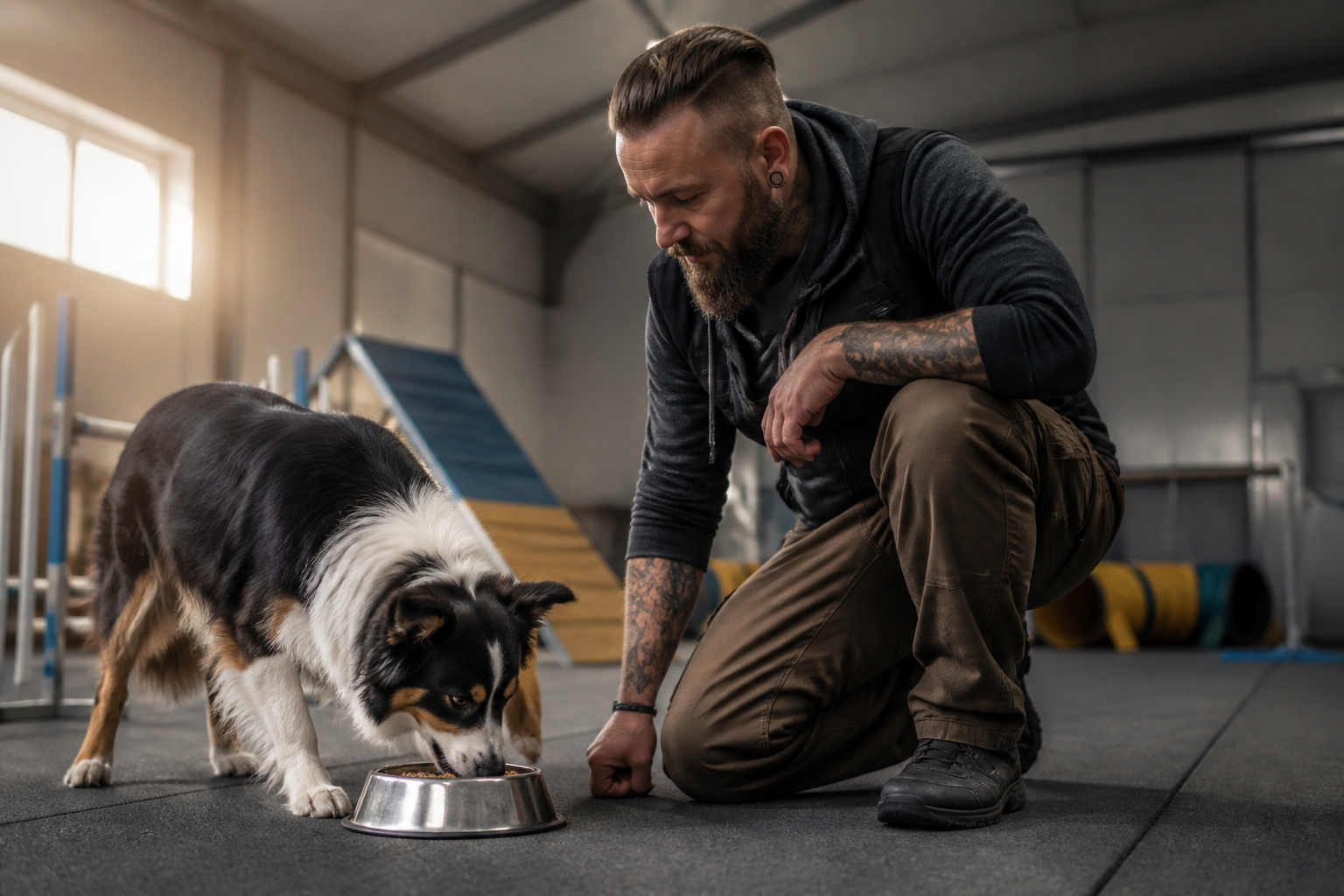
Use a body condition score system rather than relying only on scale weight. In an ideal dog, ribs can be felt beneath a thin layer of fat, a waist is visible from above, and the abdomen rises gently toward the hind legs when viewed from the side. Thick coats can hide changes, so hands-on checks matter. Weigh the dog regularly and record trends, especially after changing food or activity.
For safe weight loss, a veterinarian can estimate target weight and calorie needs. Reduce calories gradually, measure portions accurately, and preserve adequate nutrients. Replace some high-calorie treats with small pieces of suitable vegetables or the dog’s regular kibble, if tolerated. Increase activity gradually, considering age, orthopedic health, weather, and temperament. Sudden restriction can increase hunger and may be inappropriate for growing, pregnant, nursing, or ill dogs.
Treats, Supplements, and Safe Choices
Everyday Calorie Sources to Count
| Item | Include in daily calorie intake? |
|---|---|
| Training treats | Yes |
| Dental chews | Yes |
| Table scraps and toppers | Yes |
| Flavored medications | Yes, when calorie-containing |
| Regular kibble used as rewards | Yes |
Treats are useful for training and bonding, but they should remain a small portion of daily calories. Choose pieces that are easy to chew and appropriately sized. Count dental chews, flavored medications, and training rewards. Large, hard, or rapidly swallowed items can cause choking, broken teeth, or intestinal obstruction. Supervise chewing and discard damaged or excessively small remnants.
Supplements can be valuable when prescribed for a documented need, but they are not automatically harmless. Fish oil, joint products, vitamins, probiotics, and herbal preparations vary in purity, dose, and evidence. Some interact with medications or worsen conditions such as pancreatitis, bleeding disorders, or kidney disease. Ask a veterinarian before introducing a supplement, and provide the exact product, concentration, dose, and ingredient list.
Several common human foods are dangerous. Keep chocolate, caffeine, alcohol, grapes, raisins, xylitol or other toxic sweeteners, onions, garlic, macadamia nuts, and unbaked yeast dough away from dogs. Fatty leftovers and cooked bones can cause serious digestive problems, while raw animal products may carry pathogens or create nutritional imbalance. If ingestion occurs, contact a veterinarian or animal poison service promptly rather than waiting for symptoms.
Hydration, Digestion, and Dental Health
Safe Food-Transition Steps
- Keep the current food as the larger portion at first.
- Add a small amount of the new food.
- Increase the new food gradually over several days.
- Monitor stool consistency, appetite, and vomiting.
- Pause and seek veterinary advice if digestive signs persist.
When to Contact a Veterinarian Promptly
- Repeated vomiting or persistent diarrhea
- Blood in stool or black, tar-like stool
- Refusal to drink, weakness, or abdominal pain
- Sudden appetite loss in a puppy, senior, or diabetic dog
- Unexplained weight change, marked thirst, or frequent urination
Fresh, clean water should be available at all times. Increased thirst or urination may reflect heat, exercise, diet, medication, or illness. Marked changes deserve veterinary attention, particularly when accompanied by weight loss, lethargy, vomiting, or altered appetite. Wet food can contribute water, but it does not replace a reliable drinking supply.
Healthy digestion usually produces consistent stools, comfortable appetite, and stable body weight. Sudden diet changes can cause diarrhea or gas, so transition over several days by gradually increasing the new food while decreasing the old. Persistent diarrhea, repeated vomiting, blood, black stool, abdominal pain, weakness, or refusal to drink requires prompt professional assessment. Puppies, seniors, and small dogs can deteriorate quickly.
Oral disease is common and painful. Plaque hardens into tartar, irritating gums and allowing infection to develop around teeth. Daily brushing with veterinary toothpaste is the most effective home habit; human toothpaste may contain unsafe ingredients. Dental diets, chews, and water additives can supplement brushing but should not replace professional examinations. A veterinarian may recommend cleaning under anesthesia when disease is present.
Exercise and Preventive Health
Helpful Health Records to Keep
- Current food, portion size, and treats
- Weight and body-condition observations
- Diet changes and stool patterns
- Medications, supplements, and reactions
- Vaccination, parasite-prevention, and dental-care dates
Nutrition works best alongside regular, appropriate movement. Daily walks, play, training, scent games, and controlled exploration support muscle, mobility, confidence, and healthy weight. Mental stimulation is important because boredom can contribute to destructive behavior or excessive eating. Build intensity gradually, provide rest, and avoid strenuous exercise during extreme heat. Flat-faced, elderly, overweight, or medically fragile dogs may need customized routines.
Preventive veterinary care includes vaccinations, parasite control, dental assessment, identification, and periodic examinations. Fleas, ticks, heartworms, intestinal parasites, and some infectious diseases can affect appetite, blood health, organs, or energy. Recommendations depend on geography, lifestyle, travel, age, and exposure. Keep accurate records of medications, reactions, diet changes, stool patterns, and weight.
Watch for changes rather than waiting for a crisis. Warning signs include reduced appetite, unusual hunger, repeated thirst, coughing, exercise intolerance, persistent itching, coat deterioration, lameness, behavior changes, or unexplained weight change. Early evaluation often provides more treatment options and may reduce expense and discomfort.
FAQ
How much should my dog eat?
Begin with the food label’s calorie or portion guidance, then adjust according to body condition, weight trend, activity, age, and veterinary advice. Measure every serving. If ribs become difficult to feel, reduce calories modestly and reassess; if the dog loses weight unexpectedly, seek veterinary evaluation. A label cannot account for every individual difference.
Is homemade food healthier?
A homemade diet can be appropriate when carefully formulated, but improvising meat, rice, and vegetables commonly creates deficiencies or excesses in calcium, vitamins, minerals, and essential fatty acids. Use a recipe prepared by a veterinary nutrition professional and follow it precisely, including required supplements. Reassess the recipe as the dog’s life stage or medical status changes.
Should dogs eat raw food?
Raw diets may carry bacteria and parasites, endanger household members, and cause bone injuries or gastrointestinal obstruction. They can also be nutritionally incomplete. Freezing or drying does not eliminate every hazard. If considering raw feeding, discuss documented benefits, risks, safe handling, and nutritional formulation with a veterinarian before making a change.
Are grain-free foods necessary?
Most dogs digest properly cooked grains without difficulty. Grain-free food is warranted only when a specific, professionally evaluated reason exists, and an allergy to a grain is uncommon compared with allergies to certain animal proteins. Ask a veterinarian before selecting a grain-free diet, especially if the dog has heart concerns or other medical issues.
What if my dog refuses food?
A missed meal may result from stress, heat, preference, or a minor disturbance, but appetite loss can also signal dental pain, nausea, infection, obstruction, or organ disease. Check water intake and other symptoms. Contact a veterinarian promptly if refusal persists, or sooner for puppies, diabetic dogs, seniors, or dogs showing vomiting, weakness, pain, or bloating.
Can I share human food?
Small portions of plain, safe foods may fit within a balanced plan, but they should not replace complete nutrition. Avoid toxic ingredients, rich sauces, fatty scraps, cooked bones, and heavily salted foods. Introduce one item at a time and monitor stools, itching, and vomiting. Treats and shared food should remain within the dog’s daily calorie allowance.
Do supplements prevent disease?
No supplement guarantees prevention or cure. Some have evidence for particular uses, while others have uncertain quality or dosing. A supplement should complement, not compensate for, an incomplete diet, excess weight, poor dental care, or missed veterinary treatment. Discuss any product with a professional who knows the dog’s history and medications.
Conclusion
Dog health and nutrition depend on consistent, informed choices rather than a fashionable ingredient or a single perfect product. Provide a complete diet suited to life stage, measure portions, maintain a healthy body condition, offer safe water, and treat extras as occasional additions. Support nutrition with exercise, dental care, parasite prevention, vaccinations, enrichment, and regular examinations.
Observe your dog closely. Appetite, thirst, stool quality, coat, movement, weight, and behavior provide useful clues about changing health. When a pattern shifts, prompt veterinary advice is safer than self-diagnosis or repeated diet experiments. With individualized feeding, responsible preventive care, and a willingness to adjust as circumstances change, owners can help dogs remain comfortable, active, and resilient throughout every stage of life.