
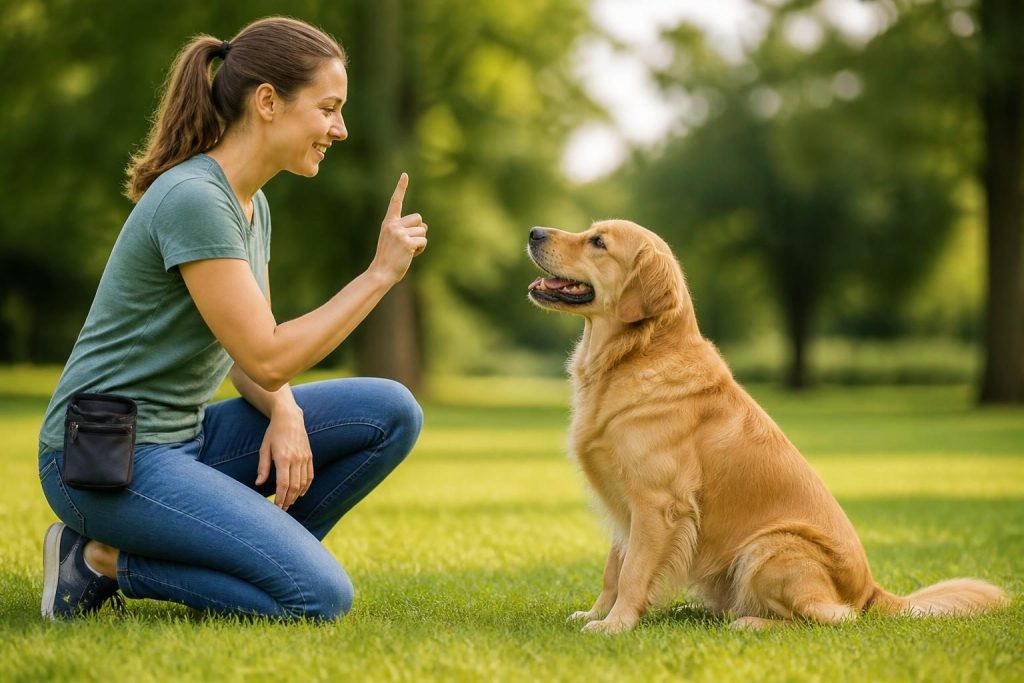
Building Better Communication Through Dog Training
Dog training is a structured process that teaches animals how to respond reliably to human guidance while helping owners understand canine behavior. Effective training is not about domination, punishment, or forcing instant obedience. It is a practical communication system based on clear expectations, consistent consequences, appropriate motivation, and mutual trust. Whether the goal is raising a polite family companion, preparing a working dog, or addressing a difficult behavior, a thoughtful plan can improve safety, confidence, and quality of life for everyone involved.
A useful dog training program combines education, management, practice, and patience. Dogs learn through consequences: behaviors followed by rewarding outcomes become more likely, while behaviors that produce no benefit may gradually decline. Rewards can include food, toys, play, praise, access to outdoor activities, or permission to greet someone. The most effective reward depends on the individual dog, the environment, and the behavior being taught.
What a Training Program Provides
A complete program should explain how to teach foundational cues, prevent unwanted habits, solve common household challenges, and generalize learning across different locations. It should also show owners how to measure progress instead of relying on vague impressions. A dog that responds in a quiet kitchen may not yet understand the same cue in a busy park. Training becomes dependable when the dog can perform the behavior around increasing distractions, from different distances, and for gradually longer periods.
The central skills usually include responding to a name, making eye contact, coming when called, sitting, lying down, waiting, walking on a loose leash, dropping an object, leaving an item alone, settling on a mat, and accepting handling. These behaviors support everyday cooperation and can prevent emergencies. A reliable recall, for example, may help a dog return before reaching a road, wildlife, or unsafe food.
Core Principles of Effective Training
Reinforcement and Timing
Reinforcement means providing something valuable immediately after a desired behavior. Timing matters because dogs connect consequences with actions occurring only moments earlier. If a dog sits and receives a treat several seconds later, the dog may associate the reward with standing, looking away, or moving toward the handler. Markers such as a clicker or a brief word like “yes” can identify the correct instant, followed by the reward.
Begin in a calm environment where success is likely. Present a simple cue, wait for the behavior, mark it, and deliver the reward. Repeat several times, then pause. Short sessions of three to five minutes can be more productive than one lengthy session that causes frustration. As understanding develops, vary rewards while maintaining sufficient motivation.
Luring, Shaping, and Capturing
Luring uses a reward to guide a dog into a position, such as moving a treat from the nose toward the shoulder to encourage a sit. Once the dog follows the movement reliably, reduce the visible lure and use an empty hand signal before rewarding from the other hand. Otherwise, the dog may learn to respond only when food is displayed.
Shaping rewards small steps toward a final behavior. To teach a dog to settle on a mat, reward looking at the mat, approaching it, placing one paw on it, stepping fully onto it, and eventually relaxing there. Capturing rewards a behavior that occurs naturally, such as sighing, lying down, or looking toward the handler. These methods encourage active learning and are especially useful when a behavior is difficult to physically guide.
Consistency and Management
Consistency does not require identical actions from every person at every moment, but household rules should be understandable. If jumping sometimes earns attention and sometimes earns rejection, the behavior may become persistent because unpredictable rewards are powerful. Decide which behaviors are acceptable, choose shared cues, and reinforce the desired alternative.
Management prevents rehearsal of unwanted behavior while training progresses. Baby gates, closed doors, leashes, covered windows, secure containers, and appropriate confinement can reduce opportunities for chasing, stealing, barking, or destructive chewing. Management is not a failure or a substitute for teaching; it is a safety strategy that gives learning time to develop.
Teaching Essential Everyday Behaviors
Name Response and Attention
Start by saying the dog’s name once in a quiet area. When the dog turns toward you, mark the response and reward it. Avoid repeating the name many times, because repeated cues can become background noise. Practice in different rooms, outdoors, and around mild distractions. A name should predict useful information or pleasant interaction, not anger or punishment.
Attention is a foundation for every other cue. Reward voluntary glances, especially when the dog chooses to disengage from a distraction. This teaches the dog that checking in with the handler is worthwhile without requiring constant commands.
Recall
Recall training should begin with low difficulty. Say a cheerful cue, move backward, and reward the dog for following. Use games, enthusiastic praise, and high-value food. Never call the dog only to end enjoyable activities, receive unpleasant handling, or face punishment. Occasionally call, reward generously, and then release the dog to continue playing.
A long line attached to a properly fitted harness can provide safety outdoors. Do not test recall near traffic or other serious hazards until performance is highly reliable. Even well-trained dogs can ignore a cue when frightened, injured, or intensely stimulated, so physical prevention remains essential.
Loose-Leash Walking
Loose-leash walking is not the same as requiring a dog to remain beside a person every second. Establish a clear walking position, reward slack in the leash, and stop or change direction when pulling begins. Resume movement when the leash relaxes. Avoid jerking the leash, which can increase discomfort, fear, or opposition.
Practice first indoors, then in a quiet outdoor area. Gradually add people, dogs, traffic, and other distractions. Allow appropriate sniffing because exploration can be rewarding and mentally enriching. Alternating structured walking with sniffing opportunities often produces a calmer, more cooperative companion.
Settling and Calm Behavior
Many dogs need to learn that relaxation is a behavior. Place a mat near the owner and reward calm postures, soft eyes, quiet breathing, and remaining in position. Initially reward frequently, then slowly increase the interval between rewards. Pair the mat with peaceful activities such as chewing a safe item or resting during family meals.
Do not wait until a dog is already frantic before attempting to teach calmness. Practice when the dog is mildly energetic, and ensure exercise, sleep, enrichment, and bathroom needs are being met. Puppies and adolescents often require substantial rest, even when they appear eager to continue.
Addressing Common Challenges
Jumping and Mouthing
Jumping usually succeeds because it produces attention, movement, or access to people. Teach an alternative such as four paws on the floor, sitting, or touching a hand with the nose. Ask visitors to ignore jumping by turning away and avoiding pushing the dog, which can become an exciting game. Reward calm greetings immediately.
Puppies commonly mouth hands and clothing during play or teething. Offer suitable chew items, pause interaction when teeth touch skin, and resume when the puppy is calm. Avoid harsh physical correction, which may increase fear or intensify defensive biting. If biting is painful, frequent, or accompanied by stiff posture and threatening signals, seek professional assistance.
Barking
Barking has many causes, including alarm, frustration, fear, excitement, boredom, and a desire for attention. Identify the trigger before choosing an intervention. Reduce visual access, increase enrichment, teach a quiet behavior, and reward pauses. Punishing every bark may suppress communication without changing the underlying emotion.
A professional should assess sudden or extreme vocalization, especially when it appears with pacing, appetite changes, pain, or distress when alone. Medical problems and separation-related anxiety require individualized guidance rather than generic obedience exercises.
Chewing and Stealing
Chewing is normal, particularly for young dogs, but access to unsafe or valuable objects must be controlled. Provide several legal chew options with different textures, supervise use, and rotate items to preserve interest. Reward the dog for choosing appropriate objects.
If a dog steals something, avoid chasing or forcibly grabbing it. Offer a trade with a high-value reward, retrieve the item calmly, and return an approved object. Practice exchanges when the dog has a harmless toy. This teaches that releasing an item does not always mean losing it permanently.
Socialization and Emotional Development
Socialization means teaching a dog that people, animals, places, sounds, surfaces, handling, and routine events can be experienced safely. It is not a requirement to greet everyone. Controlled exposure should remain below the dog’s fear threshold, allowing observation, retreat, and rewards. Forced interaction can worsen anxiety.
Puppy socialization is especially important during early development, but adults can learn through carefully planned experiences as well. Watch body language: freezing, lip licking, yawning, turning away, hiding, tucked posture, raised hackles, and persistent panting may indicate stress. Increase distance and reduce intensity when these signs appear.
Choosing Training Equipment
Equipment should support safety and learning. A flat collar or harness, standard leash, treat pouch, food rewards, toys, a mat, barriers, and a secure travel setup are useful foundations. Fit equipment carefully and inspect it regularly. A harness should permit natural shoulder movement and should not cause rubbing.
Tools designed to deliver pain or fear, including shock, prong, and choke devices, can create welfare risks and may suppress warning signals without resolving emotional causes. Evidence-informed training emphasizes reinforcement, environmental control, and humane behavior modification. Veterinary or certified behavior professionals can help select appropriate equipment for complex cases.
Selecting a Professional Trainer
Look for a trainer who explains methods openly, welcomes questions, uses rewards effectively, and avoids guarantees of instant results. Relevant credentials, continuing education, references, and experience with the specific behavior are valuable. Observe whether the professional prioritizes safety and canine emotional welfare.
A group class can provide controlled distractions and social learning for suitable dogs. Private sessions may be better for aggression, severe fear, separation-related problems, or household circumstances requiring personalized planning. Veterinary consultation is appropriate when behavior changes suddenly, when pain may be involved, or when medication could support a broader treatment plan.
Product Features and Practical Use
A well-designed dog training course, guide, or training kit should be organized around achievable stages rather than disconnected tricks. It should include explanations of canine learning, step-by-step exercises, troubleshooting advice, sample schedules, safety notes, and progress records. Clear photographs or diagrams can show leash position, reward delivery, body language, and environmental setup.
Useful materials may include a clicker, treat pouch, long line, target, mat, enrichment toys, and printable tracking sheets. However, equipment alone does not train a dog. The product should explain how to introduce each item gradually, determine whether the dog finds it comfortable, and adapt exercises for age, health, temperament, and previous experience.
A strong resource also distinguishes teaching from behavior modification. Teaching a sit is generally straightforward; changing fear, guarding, reactivity, or separation distress requires careful assessment and sometimes collaboration with a veterinarian. Responsible content should identify when home practice is suitable and when professional help is necessary.
Frequently Asked Questions
How long does dog training take?
The answer depends on the behavior, the dog, the environment, and the handler’s consistency. Basic cues may develop within days or weeks, while reliable performance under distraction can require months. Behavior change is rarely linear. Aim for gradual improvement rather than perfection, and record small successes.
How often should sessions occur?
Several brief sessions each day are generally effective. Two to five minutes may be enough for a puppy, while an experienced adult may work longer if remaining engaged. End while the dog is still successful. Include training within ordinary routines, such as rewarding a sit before opening a door.
Should food rewards be used forever?
Food can be reduced gradually, but reinforcement should not disappear. Once a behavior is reliable, vary rewards and use praise, play, sniffing, access, or occasional food. In difficult environments, valuable rewards may remain appropriate. Reinforcement maintains behavior and is not a bribe when delivered after the response.
What if my dog ignores a cue?
First examine difficulty, motivation, distraction, health, and cue clarity. Do not repeat the cue louder. Reduce the challenge, help the dog succeed, and reward promptly. If the dog consistently avoids a behavior, review how it was taught and consult a professional if fear or pain may be involved.
Is punishment ever necessary?
There is a difference between setting boundaries and using fear or pain. Preventing access, calmly removing attention, and reinforcing alternatives are effective boundary-setting strategies. Punitive tools and intimidation can damage trust, increase anxiety, and create aggression risk. Humane methods provide clearer, safer learning.
Can an older dog still learn?
Yes. Older dogs can learn new behaviors, although hearing, vision, mobility, pain, and cognitive changes may affect training. Use accessible rewards, shorter sessions, non-slip surfaces, and veterinary support when needed. Adapt expectations without assuming age makes learning impossible.
How should children participate?
Children should be supervised and taught never to disturb a sleeping, eating, frightened, or confined dog. Adults should control treats, leashes, and safety decisions. Children can participate by tossing rewards for calm behavior or practicing simple cues under guidance. Dogs need an escape area where interaction is never forced.
When is professional help urgent?
Seek prompt assistance for bites, repeated attempts to bite, severe resource guarding, dangerous escapes, intense panic, sudden aggression, or behavior accompanied by possible illness. Separate the dog from triggers safely, avoid punishment, and contact a veterinarian or qualified behavior professional. Safety management should begin immediately.
Measuring Progress and Maintaining Skills
Progress can be measured by recording frequency, duration, distance, intensity, and recovery time. For a reactive dog, note how far away a trigger was before the dog noticed, whether food could be accepted, and how quickly calm returned. Objective records reveal improvement that may be missed during stressful days.
Maintenance requires occasional practice after a behavior appears learned. Continue rewarding good choices in ordinary life, refresh recall in secure areas, and revisit calm handling. Expect temporary setbacks during adolescence, illness, relocation, or major routine changes. Respond by lowering difficulty and rebuilding success rather than abandoning the plan.
Training should also include welfare beyond obedience. Adequate sleep, appropriate exercise, species-typical exploration, social companionship, predictable routines, and enrichment influence behavior substantially. A dog that receives only commands but lacks opportunities to sniff, chew, play, rest, and make safe choices may become frustrated despite technically correct training.
Conclusion
Dog training is most successful when treated as an ongoing relationship based on communication, reinforcement, prevention, and compassion. Clear cues, immediate consequences, manageable challenges, and consistent practice help dogs understand what is expected. Humane methods protect trust while improving reliability, confidence, and safety.
A comprehensive training resource should provide practical exercises, explain why they work, acknowledge individual differences, and identify situations requiring professional support. Owners should progress gradually, observe body language, protect dogs from overwhelming experiences, and celebrate realistic improvement. With patience and thoughtful management, training becomes more than obedience instruction. It becomes a daily system for cooperation that helps dogs participate successfully in family life and helps people become clearer, calmer, and more responsible companions.