
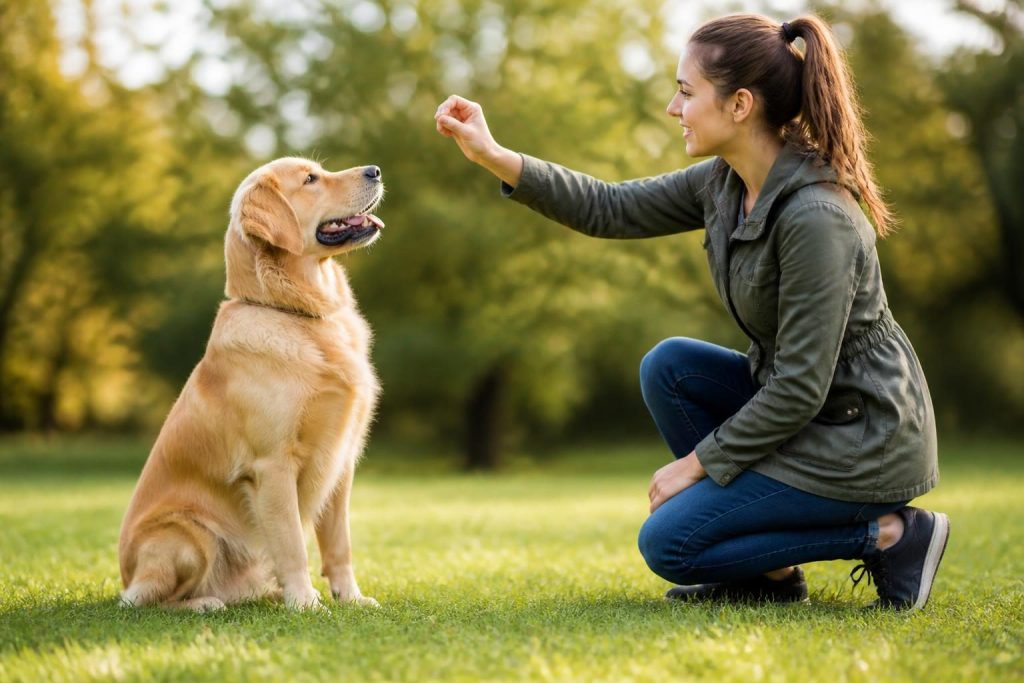
Building a Reliable Foundation
Effective dog training is a structured process that teaches a dog how to understand people, make appropriate choices, and behave safely in varied environments. The most successful programs combine clear communication, humane methods, consistent routines, and realistic expectations. Training is not limited to obedience competitions. It helps dogs live comfortably in homes, travel responsibly, greet visitors politely, and respond when safety matters.
Every dog has an individual history, temperament, learning speed, and motivation. Age, breed tendencies, previous experiences, health, and surroundings influence performance. A useful program therefore begins with observation rather than assumptions. Notice what the dog finds rewarding, which situations cause uncertainty, and what distractions reduce attention. This information allows training to be adapted without sacrificing standards.
Learning should be divided into small, achievable steps. Reward the behavior you want, prevent rehearsal of unwanted behavior, and increase difficulty gradually. Food treats are common rewards, but toys, play, praise, access to a favorite location, and permission to sniff can also be effective. A reward should arrive immediately after the desired action, allowing the dog to connect behavior with consequence.
Product Description
This dog training program is a practical educational system for guardians who want dependable manners without intimidation. It provides a progressive framework for teaching foundational cues, household skills, leash behavior, social confidence, and reliable responses around distractions. The approach emphasizes reward based learning, humane management, short practice sessions, and measurable progress.
The program can be used with puppies, adolescents, adult dogs, and many senior dogs. Lessons are organized so that handlers can begin with simple behaviors and build toward more challenging applications. Each exercise explains the training goal, preparation, recommended reward, common errors, and signs that the dog is ready to advance. This structure helps families train consistently instead of relying on isolated tricks or contradictory advice.
What the Program Includes
Core lessons cover name recognition, attention, hand targeting, sit, down, stand, stay, recall, leave it, drop it, loose leash walking, polite greetings, settling, and cooperative handling. Household modules address chewing, jumping, barking, door manners, crate comfort, and appropriate elimination routines. Enrichment suggestions help meet a dog’s mental and physical needs, reducing boredom that may contribute to destructive or disruptive behavior.
The program also includes planning guidance. A weekly schedule can identify brief sessions, environmental challenges, rest periods, and maintenance practice. Progress records may include the cue used, distance, duration, distraction level, successful repetitions, and the dog’s emotional state. Such records reveal patterns and prevent handlers from advancing because of one unusually successful attempt.
Humane Training Principles
Reward based training reinforces behavior that benefits both dog and household. It does not mean allowing every choice or avoiding boundaries. Instead, the handler manages access, provides clear alternatives, and reinforces cooperation. For example, a dog that jumps for attention can be taught that four paws on the floor earns greeting, while jumping receives no interaction. Everyone must apply the same rule for the lesson to remain understandable.
Punishment involving fear, pain, or intimidation can suppress visible behavior without addressing its cause. It may increase anxiety, damage trust, and create safety risks, especially when a dog is reacting defensively. Humane training is not passive. It requires preparation, timing, patience, environmental control, and thoughtful consequences. When serious aggression, panic, or persistent distress appears, seek a qualified behavior professional.
Essential Skills
Attention and Name Response
Begin in a quiet room. Say the dog’s name once, then mark and reward any turn toward you. Avoid repeating the name continuously, because repetition can teach the dog that the word has no immediate meaning. Gradually practice from greater distances and around mild distractions. The goal is not constant eye contact; it is a voluntary orientation that allows further communication.
Sit, Down, and Stand
Use a lure or hand signal to guide the dog into position, then mark the completed movement and reward. Add a verbal cue only when the dog reliably follows the signal. Fade the lure by rewarding an empty hand, and introduce the cue before the movement begins. Practice each position in several locations, remembering that a dog may understand a behavior at home but not yet in a busy park.
Stay and Release
A stay teaches the dog to remain until released, rather than simply pausing briefly. Ask for a stable position, wait one second, mark, reward, and provide a release word. Increase only one factor at a time: duration, distance, or distraction. If the dog moves, calmly reduce difficulty. Avoid calling the dog out of a stay during early practice, because the release cue should clearly end the exercise.
Recall
Recall is a safety skill requiring generous reinforcement. Begin indoors by moving away a short distance, using an upbeat cue, and rewarding arrival with valuable food or play. Never call the dog to deliver an unpleasant consequence. In open areas, use a secure long line until the response is reliable. Practice emergency recalls separately, using an unusual cue and especially rewarding every successful response.
Leave It and Drop It
Leave it teaches a dog not to approach an item, while drop it teaches release after the item is already in the mouth. Start with low value objects and reward disengagement with something better. Do not chase a dog holding an object, since pursuit can create a game or encourage swallowing. Trade calmly, and protect valuable resources by practicing when the dog is relaxed.
Household Behavior
Training works best when the environment supports success. Store tempting items safely, provide legal chewing options, close barriers, and supervise access to unfamiliar spaces. Management is not a failure; it prevents unwanted habits while new skills develop. A dog cannot practice stealing food if food remains inaccessible, and it cannot rehearse door rushing when a gate and leash provide control.
Crate and Settling Skills
A crate should function as a comfortable resting area, never as a place of anger or prolonged isolation. Introduce it gradually with meals, treats, and open-door relaxation. Increase closed-door time only while the dog remains calm. For settling, reward quiet behavior on a mat, beginning with seconds and gradually extending duration. Include movement, enrichment, and bathroom breaks so confinement remains appropriate.
Barking
Barking communicates excitement, alarm, frustration, discomfort, or a learned request. Identify the trigger before choosing an intervention. Reduce visual access to outside activity, increase distance from frightening stimuli, and teach an alternative such as looking at the handler or moving to a mat. Reward quiet pauses. Do not yell repeatedly, because a dog may interpret shouting as participation or additional alarm.
Jumping and Greetings
Teach greetings with a leash, barrier, or tether that prevents rehearsal. Reward four paws on the floor, a sit, or a brief orientation toward the handler. Visitors should follow the same plan and avoid rewarding jumping with touch, eye contact, or excited speech. Some dogs need distance and quiet rather than direct interaction. Respecting that preference improves safety and emotional comfort.
Leash Walking and Socialization
Loose leash walking is not a single command; it is a habit developed through reinforcement. Start where distractions are minimal. Reward the dog for staying near the desired position, then gradually lengthen the distance between rewards. If tension appears, stop or change direction without jerking. Continue when the leash loosens. Sniffing can be used as a reward, because exploration is valuable and naturally calming.
Socialization means developing positive, flexible responses to people, animals, surfaces, sounds, handling, vehicles, and places. It does not require greeting everyone. Controlled exposure should remain below the dog’s fear threshold, with escape options and rewards for calm observation. If the dog freezes, hides, lunges, or refuses food, increase distance and simplify the situation. Forced exposure can intensify fear rather than resolve it.
Training Sessions and Measurement
Short sessions usually produce better learning than exhausting drills. Many dogs benefit from two to five minutes at a time, repeated several times daily. End while the dog remains successful and interested. Use a consistent marker, such as a click or brief word, and deliver rewards efficiently. Practice one clear objective per session, then allow rest or free activity.
Difficulty can be measured through duration, distance, distraction, and emotional pressure. Increase one variable gradually while keeping the others manageable. A dog that holds a stay for one minute in a quiet room may need to return to five seconds near children. This is not regression; it is appropriate adjustment to a harder context.
Generalization requires deliberate practice. Teach skills in different rooms, buildings, outdoor areas, weather conditions, and positions relative to the handler. Use familiar rewards initially, then maintain behavior with intermittent reinforcement after reliability develops. Continue occasional reinforcement throughout the dog’s life, particularly for safety behaviors such as recall and emergency stops.
Common Mistakes
Inconsistent cues create confusion. If one person permits sofa access while another forbids it, the dog must guess which rule applies. Agree on vocabulary, gestures, boundaries, and consequences. Avoid adding repeated commands when the first cue has not been completed. Instead, improve motivation, reduce distraction, or teach the behavior in smaller steps.
Expecting too much too soon is another common error. A puppy may have limited attention, an adolescent may show fluctuating impulse control, and a newly adopted adult may need time to feel secure. Compare the dog with its previous performance, not with an idealized standard. Progress is better evaluated over weeks than through isolated successes or failures.
Handlers also sometimes reward accidentally. Touching a jumping dog, opening a door while barking, or chasing a stolen object can strengthen unwanted behavior. Observe what happens immediately after behavior, because that consequence often explains why it continues. Replace accidental rewards with planned alternatives and reinforce the behavior that should take its place.
Health, Safety, and Professional Support
Training cannot compensate for untreated pain, poor sleep, hunger, gastrointestinal problems, sensory loss, or neurological changes. Sudden behavior changes warrant veterinary assessment. Safe equipment should fit correctly and permit normal breathing and movement. Check collars, harnesses, leads, crates, and barriers regularly for damage. Never leave a dog unsupervised with equipment that could entangle or injure.
Professional assistance is recommended for aggression, severe separation distress, repeated escape attempts, bite history, intense resource guarding, or fear that prevents ordinary living. Choose a trainer who explains methods clearly, welcomes questions, uses humane practices, and avoids guarantees of instant transformation. A veterinary behaviorist may be appropriate when medication, complex diagnosis, or severe emotional distress is involved.
Frequently Asked Questions
How long does dog training take?
There is no universal timetable. A simple cue may develop in days, while reliable recall, calm greetings, and behavior around major distractions may require months of carefully staged practice. Genetics, history, environment, health, and handler consistency all influence progress. Think in terms of gradual improvement and maintenance rather than a final graduation date.
Should training use treats forever?
Treats are useful during teaching and difficult situations, but they need not be delivered for every easy repetition forever. Once a behavior is reliable, vary reinforcement with praise, play, access to sniffing, and occasional food. Continue meaningful rewards for important or challenging responses. Phasing rewards thoughtfully is different from removing motivation abruptly.
Is it too late to train an older dog?
No. Older dogs can learn new behaviors, although hearing, vision, mobility, pain, and stamina should be considered. Use clear signals, shorter sessions, comfortable surfaces, and rewards that suit the dog’s diet. An older dog may progress differently from a puppy, but learning remains possible throughout life.
Why does my dog listen at home but not outside?
The outdoor environment contains more competing smells, sounds, movement, and social pressure. The dog may understand the cue but lack sufficient practice under those conditions. Return to an easier version, increase reward value, use greater distance from distractions, and build difficulty gradually. Reliability in one location does not automatically transfer to another.
What should I do when my dog makes a mistake?
Stay calm, prevent repetition, and identify what made success difficult. If possible, guide the dog toward an acceptable alternative and reward it. Avoid frightening reactions, because fear can reduce communication and worsen the underlying problem. Adjust the environment or training plan so the next attempt is easier.
How much exercise does a dog need?
Needs vary with age, health, breed tendencies, weather, and individual temperament. Exercise should include appropriate physical movement, sniffing, play, rest, and mental enrichment. More activity is not always the answer to difficult behavior; excessive arousal can make learning harder. Ask a veterinarian about safe levels for puppies, seniors, and dogs with medical limitations.
Can children participate in training?
Children can help with supervised, simple exercises such as rewarding a sit or scattering food for a find-it game. An adult should control the environment, equipment, and rewards. Children should not approach a resting, eating, frightened, or guarding dog. Teach them to invite interaction rather than force it, and provide the dog with protected escape spaces.
Are group classes necessary?
Group classes are useful for guidance, controlled distractions, and social learning, but they are not essential for every dog. A fearful, reactive, or medically limited dog may learn better through private instruction. Select a class with suitable dog-to-handler ratios, safe spacing, humane methods, and clear progression. Home practice remains necessary regardless of class attendance.
Conclusion
Dog training is an ongoing partnership built through clarity, compassion, management, and repetition. The central objective is not mechanical obedience but practical communication and safe, cooperative living. Begin with achievable behaviors, reward generously, control distractions, and respect the dog’s emotional state. Measure progress in small increments, maintain skills across environments, and adapt expectations to individual needs.
A well-designed training program gives guardians a dependable process rather than a collection of disconnected commands. It helps prevent problems, supports confidence, and strengthens trust. When challenges exceed household resources, timely veterinary or professional behavioral support protects both the dog and the people around it. With consistent humane practice, most dogs can develop useful skills and enjoy a more predictable, rewarding daily life.