Dog Health & Nutrition: Dog Health and Nutrition for a Happier Life
A healthy dog needs more than a full bowl. Long-term wellbeing depends on appropriate food, fresh water, regular movement, preventive veterinary care, dental hygiene, safe surroundings, and close attention to changes in behavior. Nutrition provides the materials for growth, tissue repair, immune function, and daily activity, while a suitable lifestyle helps the body use those materials effectively.
The best feeding plan is individual rather than fashionable. Age, size, breed tendencies, activity, reproductive status, medical history, and body condition all influence a dog’s requirements. A growing puppy, an athletic adult, a pregnant female, and an older dog should not automatically receive the same diet. A veterinarian can help identify suitable food and portions, especially when allergies, digestive disease, kidney problems, diabetes, or weight concerns are present.
This guide explains how to build practical habits without treating nutrition as a substitute for medical care. It also describes what to look for in a dog health and nutrition product or feeding program, common mistakes to avoid, and warning signs that deserve professional attention.
Understanding a Complete Diet
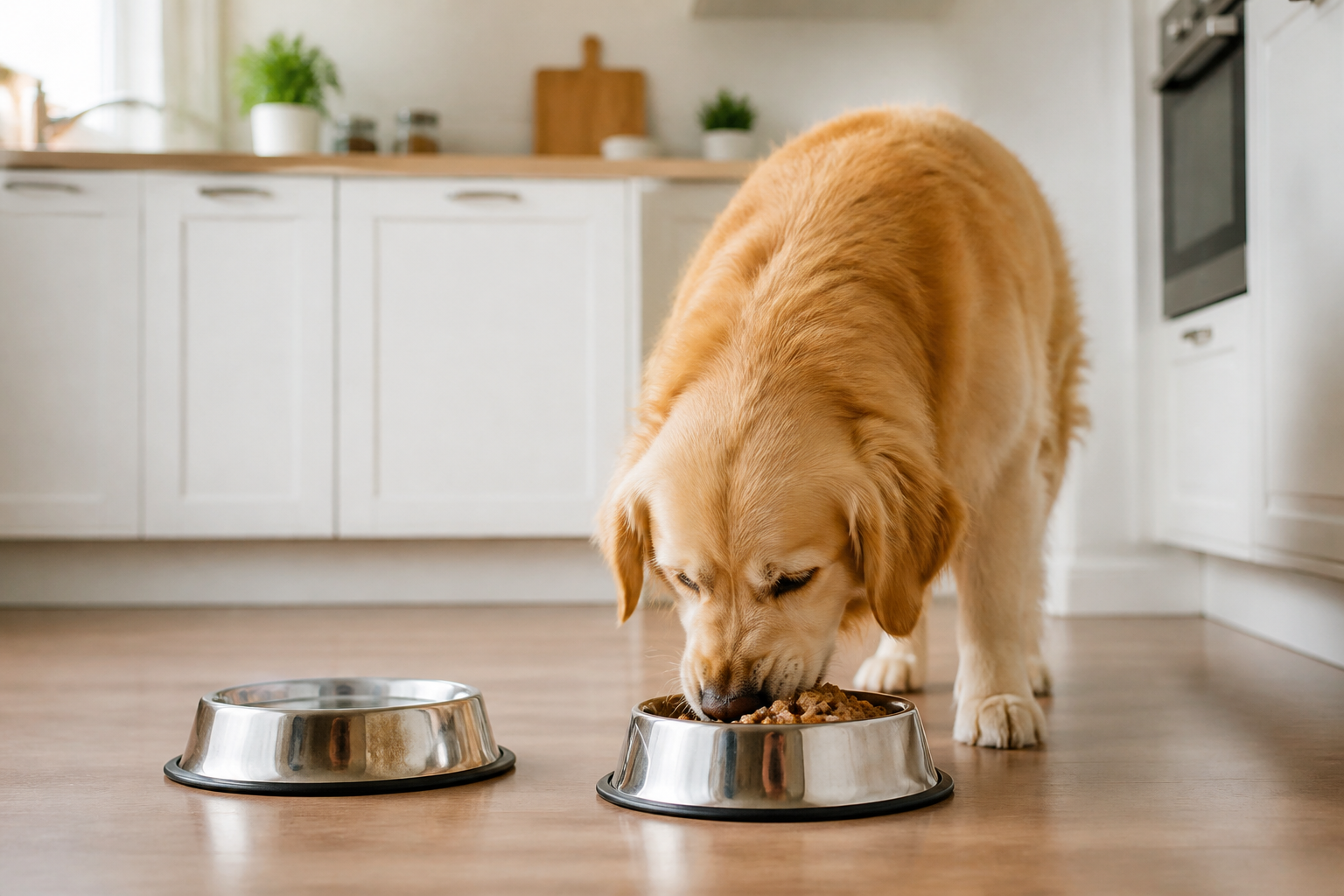
A complete diet supplies adequate protein, fat, carbohydrates, vitamins, minerals, water, and energy for a particular life stage. “Balanced” means those nutrients are provided in suitable proportions, not simply that the ingredient list sounds wholesome. Meat, grains, vegetables, or fruit can all appear in a sensible diet, but an appealing ingredient does not by itself prove nutritional adequacy.
Commercial foods may be sold as dry food, canned food, fresh food, or other formats. The important question is whether the product is formulated for the dog’s life stage and intended use. Read the package carefully. Feeding directions are starting points, not universal rules, because calorie density and individual metabolism vary. Some foods are designed only for supplemental or intermittent feeding and should not replace a complete daily diet.
Home-prepared diets require particular caution. Removing ingredients or adding supplements can create deficiencies or excesses, even when the meals appear varied. If home preparation is necessary, discuss recipes with a veterinarian who has appropriate nutrition expertise. Avoid relying on internet formulas that provide no clear nutritional rationale.
Protein, Fat, and Carbohydrates
Protein supports muscles, skin, hair, enzymes, hormones, and immune functions. Quality involves digestibility and the pattern of essential amino acids, not merely a high percentage on the label. Fat supplies concentrated energy and helps the body use certain vitamins. It also contributes to skin and coat condition, although excessive fat can be unsuitable for dogs prone to digestive upset or weight gain.
Carbohydrates are not inherently harmful to dogs. They can provide energy and dietary fiber, depending on the ingredient and the animal’s tolerance. Fiber may help stool quality and fullness, but too much can reduce calorie density or cause gas. Dogs with specific medical conditions may need carefully selected nutrient levels, so general advice should not override a therapeutic plan.
Water is an essential nutrient. Keep clean water available at all times and wash bowls regularly. Increased drinking, urination, vomiting, diarrhea, or refusal to drink can indicate a problem. A dog that cannot keep water down needs prompt veterinary advice.
Choosing Food Responsibly
Start by matching food to life stage: growth, adulthood, pregnancy or lactation, or senior maintenance. Large-breed puppies may need especially careful mineral and calorie management because rapid growth can stress developing bones. Small dogs may need energy-dense meals in portions that remain practical. Seniors do not automatically require one particular diet, but changes in activity, muscle mass, teeth, and organ function may justify reassessment.
Compare calories, not only cups or cans. Two foods can have different energy densities, making identical portions nutritionally unequal. Labels may list calories per cup, can, kilogram, or another unit. If the package is unclear, ask the manufacturer or veterinarian. Measure meals with a standard measuring tool or kitchen scale rather than estimating by eye.
Treats count. They should fit within the dog’s overall energy intake, particularly for animals that are inactive or overweight. Break larger treats into smaller pieces, use part of the daily food allowance for training, and avoid feeding from the table. Treat quality matters less than portion control, safety, and whether the dog can tolerate the ingredient.
Transition to a new diet gradually when possible. Mix increasing amounts of the new food with decreasing amounts of the old over several days. A slower change may be useful for dogs with sensitive digestion. Soft stool, vomiting, refusal to eat, or persistent gas warrants a pause and professional guidance rather than repeated abrupt switches.
Ingredients and Marketing Claims
Ingredient lists can help identify specific components, but they do not tell the whole nutritional story. Ingredients appear by weight before processing, and some contain substantial water. Terms such as natural, premium, holistic, or human-grade may have defined or limited meanings depending on jurisdiction and product context; none independently proves that food is ideal for a particular dog.
Consider the manufacturer’s quality-control information, feeding directions, nutritional adequacy statement, storage instructions, and contact details. Be cautious with dramatic promises, especially claims that a food can prevent or cure broad groups of diseases. Evidence and professional evaluation matter more than attractive packaging.
Maintaining a Healthy Body Condition
Body condition is more useful than a target number on the scale alone. A dog at a healthy condition generally has ribs that can be felt under a thin layer of fat, a visible waist when viewed from above, and an abdominal tuck when viewed from the side. Coat length, breed shape, and muscle development can make visual assessment difficult, so regular veterinary checks remain valuable.
Weigh food portions consistently and reassess them when activity, season, medication, or health status changes. Puppies may need frequent adjustments as they grow. Neutering, aging, and reduced exercise can lower energy needs, although individual responses differ. If weight rises or falls unexpectedly, investigate rather than simply changing food repeatedly.
Safe weight reduction should be gradual and supervised when obesity is significant. Severe restriction can compromise nutrition and muscle. Increase activity only when the dog’s joints, heart, breathing, and overall health permit it. A veterinarian can calculate a reasonable calorie plan and monitor progress.
Exercise, Enrichment, and Rest
Daily movement supports muscles, joints, cardiovascular fitness, digestion, and emotional wellbeing. Choose activities according to age, conformation, fitness, temperature, and medical status. Walking, scent games, gentle retrieving, swimming where safe, and controlled play can provide variety. Increase duration or intensity gradually, particularly after a sedentary period.
Mental enrichment is also health care. Food puzzles, training sessions, sniffing opportunities, safe chewing, and simple problem-solving games can reduce boredom. Supervise toys, remove damaged objects, and choose sizes that reduce choking risk. Do not force strenuous exercise in heat or humidity, and provide shade, water, and rest.
Sleep and recovery matter. Puppies, older dogs, and dogs recovering from illness may need more rest. Sudden reluctance to exercise, limping, persistent panting, weakness, or unusual fatigue should not be dismissed as laziness.
Preventive Health Habits
Routine veterinary visits allow professionals to assess weight, teeth, skin, ears, mobility, heart, and other systems. Vaccination, parasite prevention, reproductive planning, and screening recommendations vary by location, lifestyle, age, and risk. Keep a record of medications, supplements, diet changes, symptoms, and vaccination history.
Dental care deserves daily attention. Plaque can harden into tartar and contribute to gum disease. Brushing with toothpaste made for dogs is often useful when introduced patiently. Human toothpaste may contain ingredients that are unsafe for dogs. Dental diets, chews, and professional cleaning can be discussed with a veterinarian, but no chew is risk-free: hard objects may damage teeth, while small or splintering items may be swallowed.
Grooming supports comfort and observation. Check paws, nails, coat, ears, and skin regularly. Matting, persistent odor, redness, discharge, lumps, parasites, or repeated scratching may require examination. Use products intended for dogs and follow directions; some human or household products can irritate skin or cause poisoning.
Keep toxic substances inaccessible. Common hazards include certain human medicines, chemicals, pesticides, batteries, alcohol, some foods, and unsafe plants. Store products securely and learn emergency veterinary contact procedures before an accident occurs. Do not induce vomiting unless a veterinary professional specifically instructs you.
Supplements and Special Diets
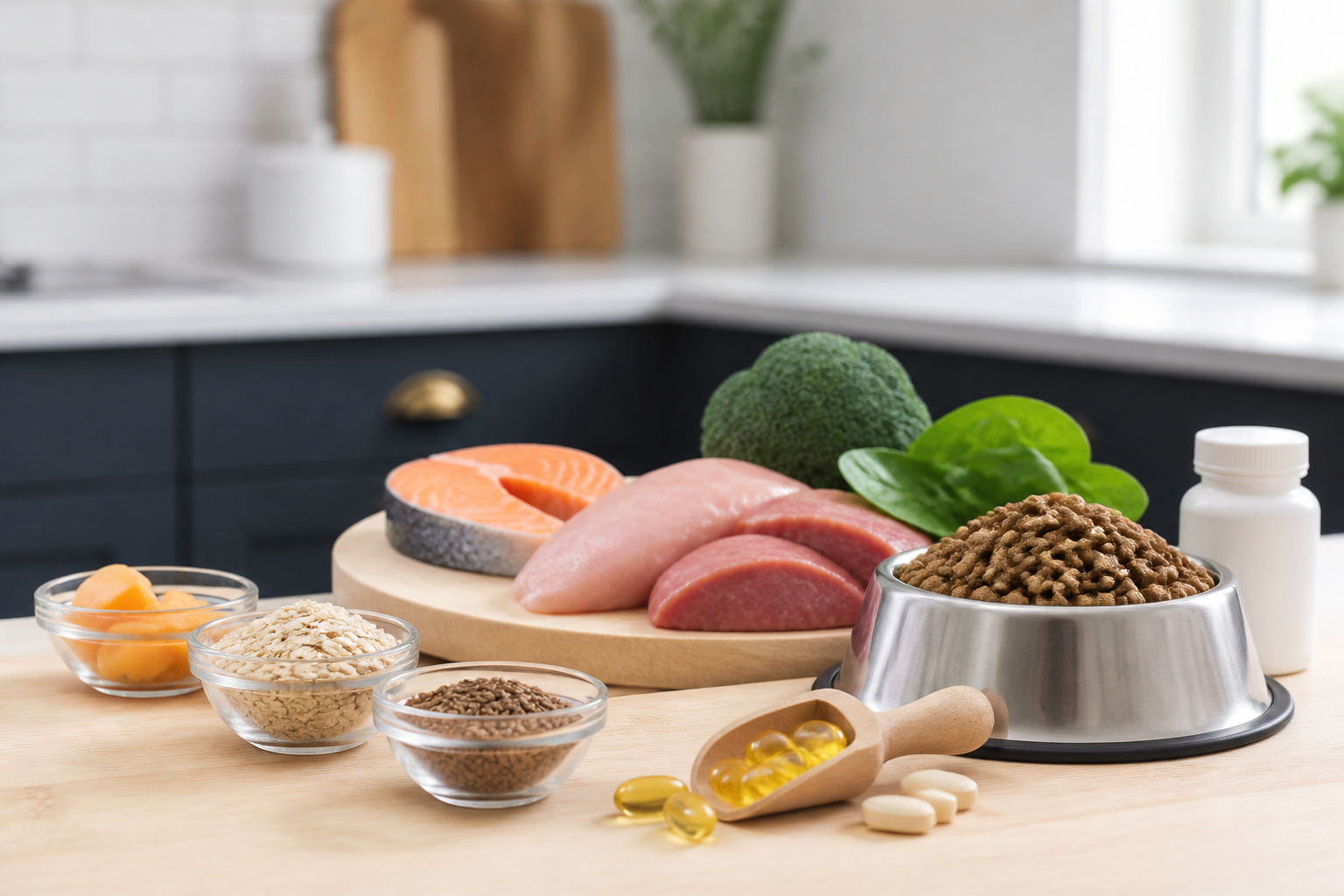
Supplements are not automatically beneficial. A complete diet may already provide necessary nutrients, and unnecessary supplementation can create excesses or interfere with treatment. Joint products, fish oils, probiotics, vitamins, and herbal preparations differ in quality and suitability. Discuss any supplement with a veterinarian, including its exact name, ingredients, concentration, intended dose, and reason for use.
Therapeutic diets may help manage diagnosed conditions, but they should be selected for a clear purpose. A dog with urinary disease, food allergy, gastrointestinal illness, kidney disease, or another disorder may need a controlled formula and strict feeding. Mixing substantial amounts of ordinary food or treats can reduce the usefulness of a therapeutic plan.
Food allergies and intolerances are often misunderstood. Itching, ear disease, vomiting, and diarrhea have many possible causes. Diagnosis generally requires a structured veterinary process, sometimes including an elimination diet followed by controlled reintroduction. Randomly rotating proteins or adding supplements can make the situation harder to interpret.

Recognizing Warning Signs
Contact a veterinarian when a dog has persistent appetite loss, repeated vomiting or diarrhea, unexplained weight change, increased thirst or urination, coughing, breathing difficulty, painful movement, seizures, jaundice, blood in stool or urine, or a sudden major behavior change. Puppies, seniors, pregnant dogs, and dogs with chronic disease may deteriorate faster.
Some situations require urgent care. Difficulty breathing, collapse, unresponsiveness, severe bleeding, suspected poisoning, heatstroke signs, repeated unproductive retching with abdominal swelling, or inability to urinate should be treated as emergencies. Provide only first aid that a professional recommends and transport the dog safely.
Record what happened, when signs began, possible exposures, recent foods, medications, stool appearance, water intake, and changes in activity. Photos or short videos can help explain intermittent coughing, limping, seizures, or unusual behavior. Accurate information supports faster decisions.
A Practical Product Description
A useful dog health and nutrition product should make healthy routines easier without promising miracles. Depending on its type, it may be a complete food, measured feeding system, treat, supplement, dental aid, water accessory, or enrichment tool. Its value depends on appropriate design, transparent labeling, safe materials, clear instructions, and suitability for the individual dog.
For food, look for a life-stage statement, feeding guidance, calorie information, storage instructions, and manufacturer contact information. For treats, prioritize manageable calories and safe texture. For supplements, look for a complete ingredient disclosure and directions that identify serving amounts; professional advice remains important. For bowls and storage containers, choose durable, cleanable materials and protect food from moisture, heat, and pests.
No product replaces portion awareness, fresh water, exercise, examination, or emergency care. A product is most useful when it fits a broader plan. Introduce one change at a time so you can identify benefits, intolerance, or adverse effects. Keep packaging until the product is finished in case a veterinarian needs its details.
Frequently Asked Questions
How often should a dog eat?
Many adult dogs do well with one or two measured meals daily, while puppies often need more frequent meals because of growth and smaller stomach capacity. The best schedule depends on age, health, routine, appetite, and veterinary advice. Consistency helps owners notice changes. Dogs with conditions affecting blood sugar, digestion, or medication timing may need a customized schedule.
Is wet food better than dry food?
Neither format is universally best. Wet food can increase water intake and may appeal to selective eaters, while dry food is convenient and often easier to measure and store. Both can be suitable when complete and appropriate for the dog. Combining formats is possible, but total calories must still be controlled.
Can dogs eat human food?
Some plain foods may be safe in small portions, but safety depends on the item, preparation, quantity, and dog. Avoid foods known to be toxic or hazardous, including chocolate, grapes and raisins, onions, garlic, alcohol, and products containing xylitol. Fatty leftovers, cooked bones, and heavily seasoned meals can also cause problems. When uncertain, ask a veterinary professional before offering it.
Should dogs eat grain-free food?
Grain-free is not automatically healthier, and grains are not automatically harmful. Some dogs require a specific diet because of a diagnosed condition, but dietary decisions should be based on the individual and reliable nutritional reasoning rather than trend or marketing. Discuss concerns with a veterinarian before making a major change.
How can I help an overweight dog?
Measure every meal, account for treats, increase activity gradually, and request a veterinary body-condition assessment. Avoid drastic calorie restriction or substituting unbalanced homemade meals. A professional can set a safe target and monitor muscle, weight, hunger, and underlying causes.
Are raw diets safer or healthier?
Raw feeding can involve nutritional imbalance, choking or dental risks, and contamination risks for dogs and people. Claims of universal superiority are not established simply because ingredients are uncooked. If considering raw food, discuss the plan with a veterinarian, especially when children, older adults, pregnant people, or immunocompromised household members are present.
Conclusion
Dog health and nutrition are built through ordinary decisions repeated consistently: choose a suitable complete diet, measure portions, provide fresh water, monitor body condition, offer safe exercise and enrichment, maintain dental and grooming care, attend preventive appointments, and respond promptly to warning signs. The right plan changes as a dog grows, ages, gains or loses activity, or develops medical needs.
Avoid judging food by marketing language alone, and do not assume that a supplement, trendy ingredient, or homemade recipe is automatically beneficial. Observe your dog closely, introduce changes gradually, and seek individualized veterinary guidance when symptoms, special life stages, or chronic conditions complicate decisions. A thoughtful routine supports comfort, resilience, and a genuinely happier life.