
Dog Health & Nutrition: Dog Health & Nutrition: Understanding Dog Health and Nutrition
Dog health and nutrition are closely connected. A balanced diet supplies energy, supports muscles and bones, helps the immune system function, and contributes to healthy skin, a glossy coat, regular digestion, and stable body condition. Good nutrition, however, is only one part of responsible care. Exercise, preventive veterinary visits, dental hygiene, parasite control, safe housing, mental stimulation, and attentive observation all influence a dog’s wellbeing.
The most suitable food depends on a dog’s age, size, activity level, reproductive status, medical history, preferences, and living conditions. A growing puppy has different needs from an adult companion, while a senior dog may benefit from adjustments in calories, texture, or nutrient balance. Working dogs, pregnant dogs, and animals with diagnosed disease require particularly careful guidance. There is no universally perfect menu, supplement, or feeding schedule.
This guide explains practical principles for choosing food, preventing common problems, and recognizing when professional advice is needed. It is educational information, not a diagnosis or replacement for veterinary care.
Choosing a Complete and Balanced Diet
Start with a food labeled as complete and balanced for the dog’s appropriate life stage. Such wording indicates that the product is intended to provide required nutrients when fed as directed. Packaging should identify whether the formula is designed for growth, maintenance, reproduction, or multiple life stages. Treats, toppers, and homemade mixtures may be useful additions, but they should not unintentionally replace a nutritionally complete main diet.
Read the feeding directions as a starting point rather than an infallible prescription. Calorie needs vary considerably among individual dogs. Two dogs with the same weight may require different amounts because of age, metabolism, muscle mass, exercise, sterilization status, or health conditions. Measure portions with a consistent cup or kitchen scale, then monitor body condition and adjust gradually with professional advice when necessary.
Understanding Ingredients and Claims
Ingredient lists are useful, but they require context. Ingredients generally appear by weight before processing, so an ingredient containing substantial water can appear higher than a concentrated dry ingredient. Terms such as “natural,” “premium,” or “holistic” may have limited practical meaning unless accompanied by clear nutritional information and appropriate quality controls.
Look for a transparent manufacturer that provides feeding guidance, contact information, and a way to answer questions about formulation and testing. A named animal protein may be appropriate, but dogs also need fats, carbohydrates, vitamins, minerals, water, and other nutrients in suitable proportions. An attractive ingredient list alone cannot establish nutritional adequacy.
Avoid changing foods because of fashionable claims without considering the individual dog. Grain-free, raw, vegetarian, and limited-ingredient diets may be appropriate in specific circumstances, but each has potential limitations. Discuss major dietary changes with a veterinarian, especially for puppies, pregnant dogs, or dogs with chronic illness.
Portion Control and Healthy Weight
Maintaining a healthy body condition is one of the most important nutrition goals. Excess weight can place additional stress on joints and may complicate mobility, breathing, heat tolerance, and daily activity. Being underweight can indicate insufficient intake, poor absorption, dental pain, disease, or another problem requiring attention.
Use body condition rather than appearance alone. A healthy dog commonly has ribs that can be felt beneath a thin covering of fat, a visible waist when viewed from above, and an abdominal tuck when viewed from the side. Breed structure differs, so an ideal shape should be assessed individually. Ask a veterinary professional to demonstrate a body condition scoring system.
Count calories from treats, chews, table scraps, supplements, and food used for training. These extras can accumulate quickly, particularly in small dogs. Reserve part of the daily ration for rewards, use low calorie options when suitable, and keep treats modest. Never use food as the only form of affection; play, attention, exploration, and praise can also reinforce desirable behavior.
If weight needs to change, make adjustments gradually. Sudden restriction can increase begging, reduce satisfaction, or fail to provide necessary nutrients. A veterinarian can assess body condition, calculate a safer calorie target, and investigate medical factors that affect weight.
Life Stage Nutrition
Puppies
Puppies grow rapidly and need food formulated for growth, with an appropriate balance of energy, protein, minerals, and other nutrients. Overfeeding can encourage excessively rapid growth, which may be especially concerning for large and giant breeds. Feed measured portions according to the puppy’s age and expected adult size, and reassess regularly.
Young puppies often need several smaller meals because their stomachs are limited and their energy demands are high. Establish a predictable routine, provide fresh water, and avoid abrupt food changes. Training rewards should come from the daily allowance when possible. Vaccinations, parasite prevention, socialization, and veterinary examinations are equally important to healthy development.

Adults
Adult maintenance food supports stable body condition and daily activity. An active dog may need more energy than a sedentary dog, but exercise should not automatically justify unlimited feeding. Observe weight, stool quality, enthusiasm, coat condition, and recovery after activity. These signs help identify whether the current plan is working.
Seniors
Older dogs vary widely. Some become less active and need fewer calories, while others lose muscle or develop conditions that alter nutrient requirements. Senior dogs may benefit from a diet with suitable protein quality, digestibility, and calorie density, but no single senior formula suits every animal. Reduced appetite, increased thirst, stiffness, confusion, vomiting, diarrhea, or unexpected weight change deserves veterinary evaluation rather than automatic supplementation.
Water, Digestion, and Feeding Routine
Fresh, clean water should be available at all times. Water needs increase with heat, exercise, illness, lactation, and diets containing little moisture. A sudden increase in drinking or urination can signal a medical issue, so note persistent changes and discuss them with a veterinarian.
Many dogs digest consistent food and schedules well. Introduce a new diet gradually over several days, mixing increasing amounts of the new food with decreasing amounts of the previous food. A slower transition may be appropriate for sensitive dogs. If vomiting, persistent diarrhea, refusal to eat, or marked lethargy occurs, stop treating the change as a routine adjustment and seek guidance.
Feed in a calm, hygienic area. Wash bowls regularly, store dry food in a cool, dry place, and keep packaging information available in case a product question or recall arises. Follow storage instructions for canned and fresh foods, refrigerating opened portions when required. Discard spoiled food and prevent pets from accessing rubbish.
Dogs that eat rapidly may benefit from measured meals, food puzzles, or slow-feeding equipment, provided these tools are safe and easy to clean. Large meals and vigorous exercise close to feeding may be unsuitable for some dogs. Ask a veterinarian about safer routines if a dog has a history of bloating, regurgitation, or digestive disease.
Treats, Supplements, and Special Diets
Treats can support training and bonding, but they are not nutritionally neutral. Choose portions small enough to fit the dog’s calorie plan and avoid foods containing toxic or hazardous ingredients. Chocolate, grapes, raisins, onions, garlic, alcohol, xylitol, and certain other substances can seriously harm dogs. When uncertain, contact a veterinarian or animal poison service promptly rather than waiting for symptoms.
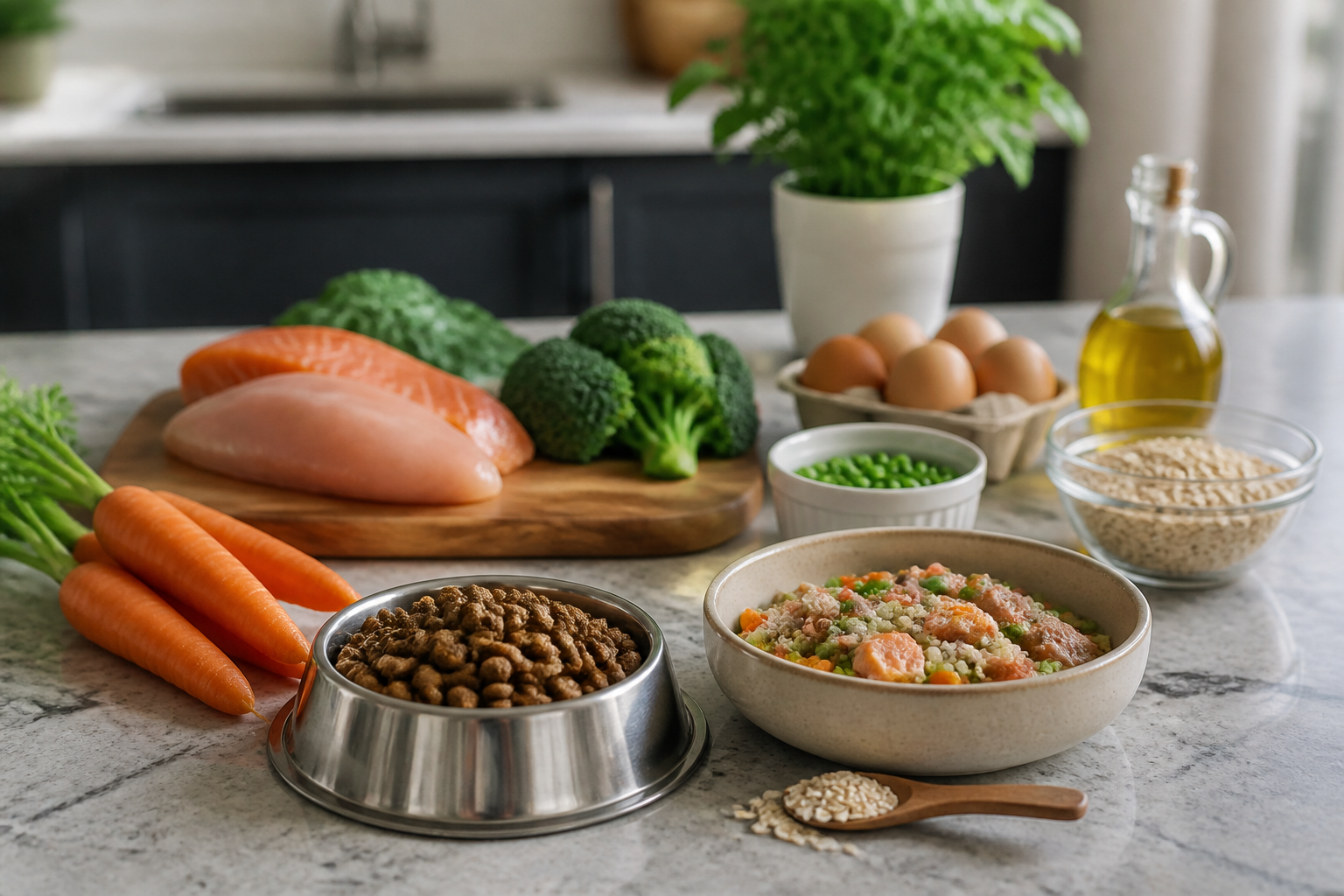
Supplements should have a clear purpose. Fish oil, joint products, vitamins, minerals, probiotics, and herbal preparations can differ in quality, dose, purity, and suitability. Human supplements may contain ingredients dangerous to dogs. Some supplements also interact with medicines or worsen existing conditions. Discuss any product with a veterinarian, and provide the label, serving size, and ingredient list.
Homemade diets require careful formulation, not simply combining meat, vegetables, and rice. Nutrient deficiencies or excesses may develop over time, especially involving calcium, phosphorus, essential fatty acids, vitamins, and trace minerals. If home preparation is necessary, ask a veterinary nutrition professional to design and review the recipe.
Raw diets carry concerns involving nutritional imbalance, choking, dental injury, foodborne pathogens, and household exposure. Freezing or careful handling may not remove every hazard. Families with young children, older adults, pregnant people, or immunocompromised members should consider these risks particularly carefully.
Preventive Health Beyond Food
Nutrition works best within a broader health plan. Schedule routine veterinary examinations so weight, teeth, heart, skin, mobility, and organ function can be assessed. Preventive care recommendations vary by region and lifestyle, but may include vaccinations, parasite control, screening tests, and reproductive planning.
Dental health deserves daily attention. Plaque can harden into calculus, causing gum inflammation and discomfort. Brushing with toothpaste made for dogs is generally the most direct home measure; human toothpaste may contain unsafe ingredients. Dental diets, chews, and professional cleaning can be useful in appropriate cases, but no chew is risk-free. Avoid products that are excessively hard or likely to fracture teeth.
Exercise should match age, physical ability, weather, and temperament. Regular walks, controlled play, scent games, training, and enrichment support muscles and behavior. Increase activity progressively and watch for limping, coughing, unusual fatigue, reluctance to move, or prolonged recovery. Heatstroke can develop rapidly; provide shade, water, and cooler conditions, and never rely on a parked vehicle for shelter.
Mental wellbeing also matters. Predictable routines, positive training, safe social contact, and opportunities to investigate surroundings can reduce boredom and stress. Sudden behavior changes may reflect pain or illness and should not be dismissed as disobedience.
Recognizing Warning Signs
Contact a veterinarian promptly when a dog has repeated vomiting, persistent diarrhea, blood in stool, difficulty breathing, collapse, seizures, severe pain, inability to urinate, or suspected poisoning. Seek urgent help for a swollen abdomen accompanied by distress, repeated unproductive retching, pale gums, weakness, or collapse.
Less dramatic changes can also matter. Monitor appetite, water intake, urination, stool, weight, coat, energy, sleep, movement, and behavior. A gradual decline may be easier to miss than an emergency, so keeping brief notes can help identify patterns. Do not give leftover human medication or attempt prolonged fasting without professional instruction.
Food allergies and intolerances are often misunderstood. Itching, ear problems, vomiting, or loose stool can have many causes, including parasites, infections, environmental allergies, and other diseases. A properly managed elimination diet may help investigate a food reaction, but it should be planned and followed carefully. Randomly rotating foods can make the evaluation harder.
Practical Daily Checklist
Measure the dog’s main meals consistently. Provide clean water and remove spoiled food. Check that treats fit the daily calorie plan. Observe appetite, stool, energy, and movement. Brush teeth or use an appropriate dental routine. Offer age-appropriate exercise and enrichment. Keep medications, toxic foods, chemicals, and unsafe objects out of reach. Update identification details and maintain a record of veterinary care.
Once each week, look at body shape and gently inspect skin, ears, paws, nails, and coat. Notice lumps, odor, redness, discharge, parasites, or soreness. Do not force an examination if the dog is fearful or painful; seek help with safe handling. Regular observation does not replace examinations, but it helps you report meaningful changes accurately.
When purchasing food, compare the life-stage statement, feeding directions, calorie information if available, package size, storage needs, and the manufacturer’s contact details. Select a product you can obtain consistently. Frequent unnecessary switching may upset digestion, while a planned change can be appropriate when nutritional needs, availability, or medical advice changes.
Frequently Asked Questions
How often should a dog eat?
Many adult dogs do well with one or two measured meals, while puppies commonly need more frequent feeding. The best schedule depends on age, health, routine, and individual tolerance. Consistency is usually more useful than following a universal timetable.
Is wet or dry food better?
Both can be suitable when nutritionally complete and appropriate for the dog. Dry food is convenient and easy to measure, while wet food can add moisture and may help dogs that prefer a softer texture. The decision should consider dental condition, storage, calories, cost, and veterinary advice.
Can dogs eat human food?
Some plain foods may be safe in small portions, but “safe” does not mean nutritionally necessary. Avoid toxic ingredients, rich fatty meals, bones, heavily seasoned foods, and anything containing xylitol. Introduce unfamiliar foods cautiously and account for their calories.
Should every dog take vitamins?
No. A complete diet generally supplies required nutrients, and unnecessary supplementation can create excesses or interactions. Supplements are most useful when a veterinarian identifies a specific need and recommends a suitable product and dose.
How do I know whether a food suits my dog?
Look for stable weight, healthy body condition, normal stool, adequate energy, good appetite, and comfortable skin and coat. These signs are helpful but not definitive. Ongoing problems require veterinary assessment, because diet may not be the only cause.
What should I do if my dog refuses food?
Check for environmental stress, spoiled food, dental discomfort, and recent dietary changes, but do not assume pickiness. Refusal accompanied by vomiting, weakness, pain, or other symptoms warrants prompt veterinary contact. Puppies, seniors, and dogs with chronic disease may need faster attention.
Conclusion
A healthy feeding plan is individualized, measurable, and flexible enough to change when a dog’s life stage or medical needs change. Choose complete and balanced food, control portions, provide water, limit extras, introduce changes gradually, and observe body condition rather than relying only on package illustrations. Support nutrition with preventive examinations, dental care, suitable activity, enrichment, and protection from toxins.
The most valuable habit is attentive partnership. Notice small changes, record useful details, and ask a veterinarian before making major dietary decisions or treating unexplained symptoms. With consistent daily care and timely professional guidance, nutrition becomes a practical foundation for comfort, resilience, and a happier life.