Dog Health & Nutrition: Dog Health & Nutrition: Building a Healthier Life for Your Dog
Dog health and nutrition are closely connected. A balanced diet supplies energy, supports muscles and organs, helps maintain a healthy coat, and contributes to normal immune function. Good care also includes preventive veterinary visits, appropriate exercise, dental hygiene, parasite control, safe housing, and attention to changes in behavior. No single food, supplement, or feeding routine suits every dog, so the most useful approach combines reliable general principles with advice tailored to age, size, activity, breed characteristics, and medical history.
A practical health and nutrition plan should answer several questions: What should the dog eat? How much is appropriate? How often should meals be offered? Which treats are safe? What signs suggest illness? The answers change across puppyhood, adulthood, pregnancy, senior years, and periods of disease. This guide explains the foundations, while a veterinarian should guide decisions involving persistent symptoms, prescription diets, weight problems, allergies, or chronic conditions.
Choosing a Complete and Balanced Diet
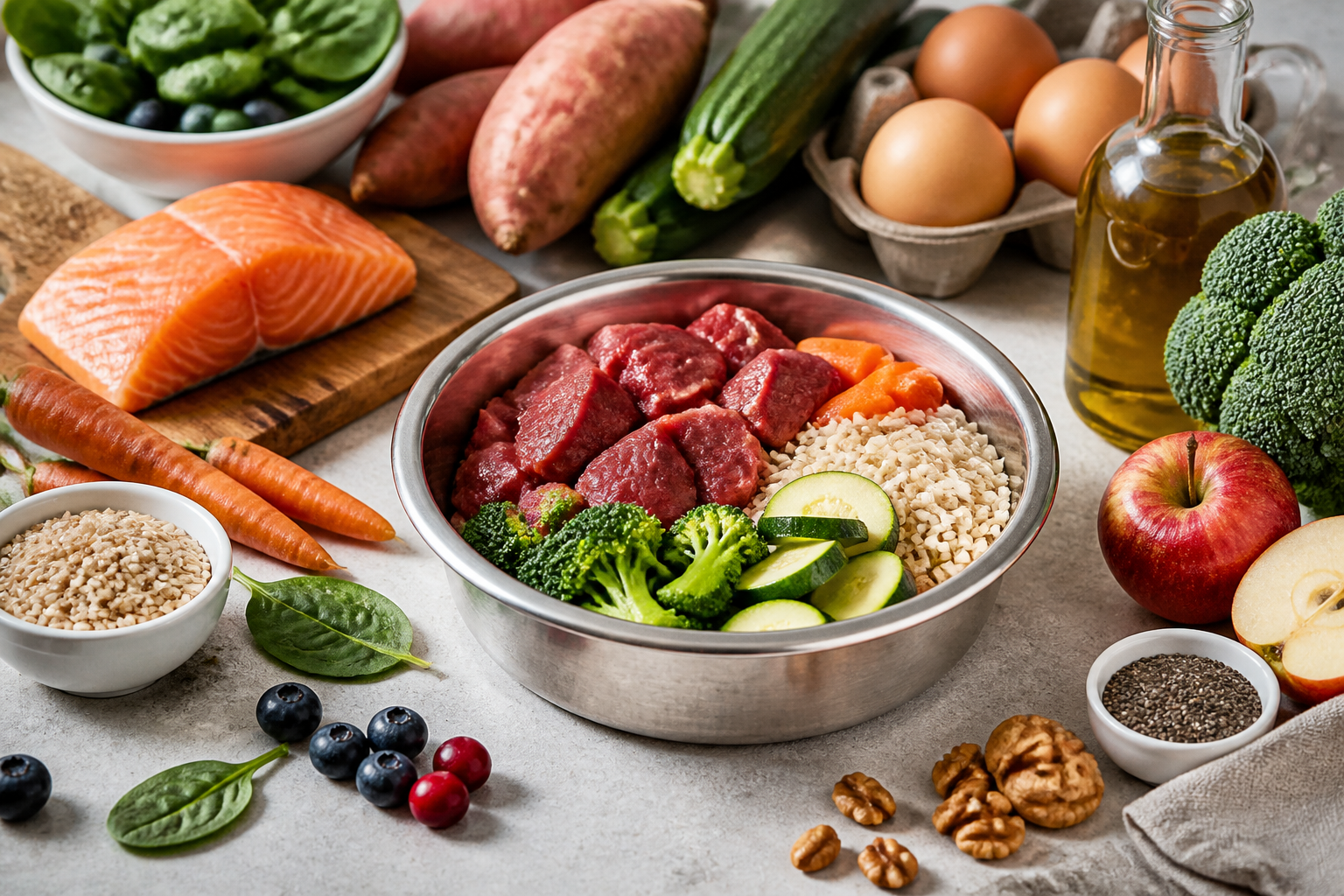
Commercial dog foods may be sold as dry food, canned food, fresh food, or other prepared formats. The important distinction is not the format but whether the food is labeled as complete and balanced for the dog’s relevant life stage. Such a statement indicates that the food is intended to provide required nutrients when fed as directed. Read the package carefully, because a product intended only for intermittent or supplemental feeding should not replace a complete diet.
Ingredients can help you understand a formula, but an ingredient list alone does not establish overall quality. Nutrients, digestibility, manufacturing controls, feeding instructions, and suitability for the individual dog all matter. Choose a product from a manufacturer that provides clear contact information, feeding guidance, and transparent nutritional information. If your dog has a diagnosed condition, ask the veterinary team whether a therapeutic diet is appropriate rather than changing food repeatedly.
Nutrients Dogs Need
Dogs require water, protein, fats, carbohydrates, vitamins, and minerals in suitable amounts. Protein supplies amino acids used for tissue maintenance, enzymes, hormones, and immune activity. Fat is concentrated energy and helps the body use certain vitamins, while essential fatty acids support skin and coat functions. Carbohydrates are not mandatory in the same way for every individual, but digestible carbohydrate sources can provide energy and fiber.
Fiber may support stool quality and gastrointestinal function, although excessive or unsuitable fiber can reduce palatability or alter digestion. Water is essential and should be available continuously. Dogs eating mostly dry food often drink more than dogs eating moisture-rich food, but every dog’s intake varies. A sudden increase or decrease in drinking can be medically important, especially when accompanied by changes in urination, appetite, or energy.
Reading Feeding Directions
Package feeding charts are starting points, not exact prescriptions. They commonly use body weight and may not fully reflect age, neuter status, metabolism, activity, or climate. Measure meals with a standard measuring cup or, for greater accuracy, a kitchen scale. Divide the daily amount into meals that fit your schedule and your dog’s tolerance. Puppies, small dogs, dogs with reflux, and dogs prone to overeating may benefit from more frequent portions.

Observe body condition rather than relying only on weight. An ideal dog generally has ribs that can be felt beneath a thin covering, a visible waist when viewed from above, and an abdominal tuck from the side. Very prominent ribs, a round abdomen, or a disappearing waist may indicate that adjustment is needed. Make changes gradually and reassess regularly. A veterinarian can demonstrate body-condition scoring and distinguish excess fat from muscle or a medical enlargement.
Life-Stage Nutrition
Puppies
Puppies grow rapidly, and their nutritional needs differ from those of mature dogs. Feed a complete diet designed for growth, or for all life stages, according to veterinary guidance. Large- and giant-breed puppies require particular attention because excessive energy or an unsuitable mineral balance can contribute to skeletal problems. Avoid adding calcium or other supplements unless a professional specifically recommends them.
Young puppies usually need multiple measured meals each day. Consistent timing supports house training and makes appetite changes easier to notice. Training treats should be small and included in the daily energy total. Introduce new foods slowly, and monitor stool, appetite, and comfort. Repeated vomiting, watery diarrhea, weakness, or refusal to eat warrants prompt veterinary advice because puppies can deteriorate quickly.
Adult Dogs
Adult maintenance diets are designed to support stable body condition rather than rapid growth. Activity level can vary widely: a companion dog may need far less energy than a working or sporting dog. Avoid increasing portions solely because a dog begs. Begging may reflect habit, attention seeking, boredom, or access to rewarding food rather than genuine nutritional need.
Fresh water, predictable meals, regular exercise, and mental enrichment create a dependable routine. If activity changes, adjust food gradually rather than making a large sudden reduction. Dogs with medical conditions, food sensitivities, or unusual workloads may need a customized plan. Keep written notes during dietary changes so you can identify which adjustment helped or caused trouble.
Senior Dogs
Aging dogs may lose muscle, gain fat, develop dental discomfort, or experience changes in kidney, liver, heart, joint, or digestive function. There is no universal senior diet. Some older dogs do well on a standard complete maintenance food, while others benefit from altered calories, protein, phosphorus, sodium, fiber, or moisture under veterinary supervision.

Regular examinations are especially valuable for seniors because early disease may appear as subtle changes: sleeping more, hesitating on stairs, drinking differently, dropping food, or becoming less social. Do not assume these signs are normal aging. A professional assessment can identify pain or illness and determine whether nutrition, medication, exercise, or home adjustments are appropriate.
Treats, Supplements, and Foods to Avoid
Treats should remain a small part of the overall diet. Use low-calorie pieces of the dog’s regular food, or purpose-selected treats, and reduce meal portions when treats are frequent. Treats are useful for training, but food is not the only reward. Praise, play, gentle attention, and access to a favored activity can reinforce behavior without adding calories.
Avoid giving foods known to be dangerous to dogs, including chocolate, grapes and raisins, onions, garlic, alcohol, xylitol, and excessive caffeine. Bones can fracture teeth, cause choking, or injure the digestive tract; cooked bones are especially hazardous because they may splinter. Rich, fatty scraps can cause digestive upset and may contribute to serious pancreatic disease in susceptible dogs. Keep hazardous foods secured, and teach household members which leftovers are unsafe.
Supplements are not automatically beneficial. A supplement may interact with medication, provide excessive nutrients, or distract from an inadequate basic diet. Joint, skin, digestive, and vitamin products vary in evidence and quality. Discuss any supplement with a veterinarian, particularly for puppies, pregnant dogs, seniors, or animals with liver, kidney, bleeding, or endocrine conditions.
Feeding Strategies and Common Problems
Some dogs eat too quickly. A slow-feeding bowl, food puzzle, scatter feeding in a safe area, or several smaller meals may reduce gulping. Supervise any new feeder and ensure it is easy to clean. If a dog suddenly begins eating with unusual urgency, investigate possible causes rather than assuming misbehavior.
Food guarding requires careful handling. Do not punish growling or deliberately remove a bowl to prove control; these actions can increase fear and conflict. Give the dog quiet space while eating, keep children away, and seek help from a qualified veterinary behavior professional if guarding is severe or escalating.
Vomiting and diarrhea have many possible causes, from a dietary indiscretion to infection, obstruction, toxins, or organ disease. A single mild episode in an otherwise bright adult dog may resolve, but repeated episodes, blood, abdominal pain, dehydration, collapse, fever, or inability to keep water down require prompt veterinary attention. Puppies, seniors, and dogs with existing illness deserve a lower threshold for calling.
Food allergies are different from simple intolerance, and neither should be diagnosed solely by internet lists. A structured elimination diet, conducted with veterinary direction, is commonly used to investigate suspected food reactions. Randomly switching between several foods can make the result difficult to interpret. Skin infection, parasites, environmental allergy, and other diseases can produce similar itching or ear problems.
Exercise, Weight, and Whole-Body Health
Nutrition works best alongside appropriate movement. Daily walks, play, sniffing opportunities, training, and safe exploration support muscles, coordination, digestion, and emotional well-being. Exercise should match age, structure, fitness, weather, and medical status. Avoid intense exertion in heat, watch for overheating, and provide rest and water. Puppies need controlled activity while their bones develop, and dogs with arthritis may benefit from low-impact movement guided by a professional.
Weight management is a long-term health task, not a cosmetic project. Excess body fat can increase strain on joints and make breathing, grooming, and exercise more difficult. Begin by measuring everything the dog consumes, including treats, chews, table scraps, and food used for medication. Ask a veterinarian to set a realistic target and review progress. Severe restriction is unsafe; the goal is adequate nutrition with an appropriate energy intake.
Dental care is another essential part of health. Brushing with toothpaste made for dogs can help control plaque when introduced gradually. Human toothpaste may contain ingredients that are unsafe for dogs. Dental chews vary in usefulness and can create choking or tooth-fracture risks if too hard or too large. Veterinary examinations remain important because disease below the gumline cannot be assessed reliably at home.
Preventive care includes vaccinations, parasite prevention, identification, grooming, nail care, and routine examinations. Requirements vary by location and lifestyle, so discuss them with a local veterinary practice. Keep records of food, medications, reactions, vaccination dates, weight, and unusual symptoms. Clear records help professionals make faster, safer decisions.
Product Features to Look For
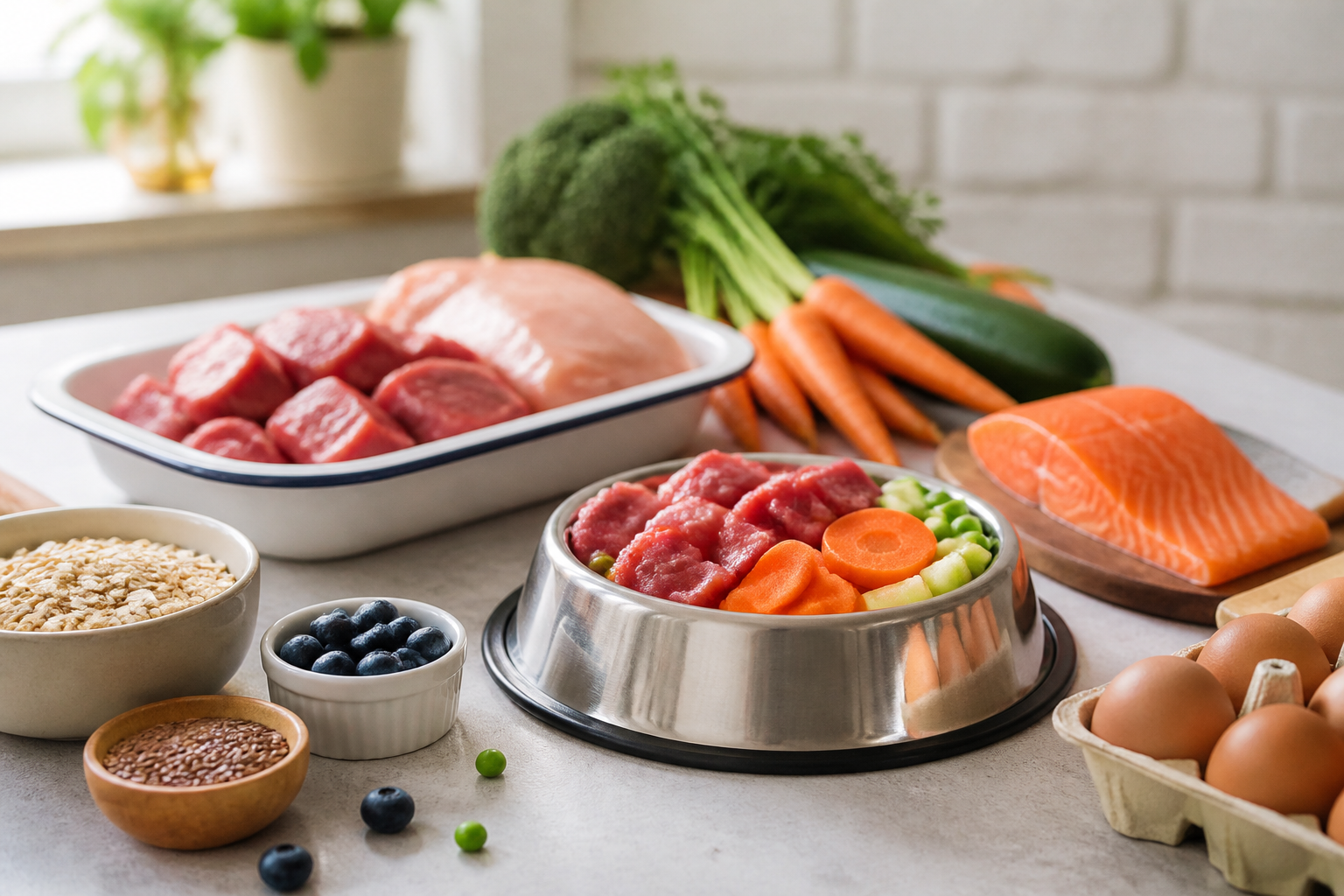
When evaluating a dog health and nutrition product, start with purpose. A food should state the life stage and whether it is complete and balanced. A bowl should be stable, appropriately sized, and easy to clean. A treat should have clear ingredients and feeding guidance. A supplement should identify active ingredients, intended use, serving information, and cautions.
Look for packaging that remains intact and includes a lot number and expiration information. Store food in a cool, dry place, preferably in its original bag inside a clean, sealed container. Wash bowls regularly, measure portions consistently, and discard food that smells spoiled or has changed unexpectedly. For delivery products, inspect the package before use and retain labeling in case a question arises.
No product can substitute for observation or professional care. A persuasive label, natural-sounding ingredient, or attractive promise does not prove that an item is necessary. Compare the product’s stated purpose with your dog’s actual needs, budget, preferences, and health history. Introduce one meaningful change at a time so benefits and adverse reactions can be recognized.
A Practical Daily Routine
Begin the day with fresh water, a measured meal, and a brief health check. Notice appetite, posture, breathing, eyes, stool, and willingness to move. During exercise, allow opportunities for sniffing and relaxed exploration rather than focusing only on distance. Use part of the measured food for training if appropriate.
Later, provide a second meal or scheduled feeding, enrichment, and quiet rest. Check paws after outdoor activity and keep medications, chemicals, toxic foods, and small objects out of reach. Before bedtime, confirm that water is available and observe whether the dog is comfortable. A routine makes changes easier to detect, but flexibility is useful when weather, illness, travel, or work demands alter the schedule.
Seek veterinary help for breathing difficulty, collapse, seizures, suspected poisoning, severe pain, repeated vomiting, bloody diarrhea, a swollen abdomen, inability to urinate, or sudden profound weakness. In emergencies, call a veterinary clinic or poison service promptly and do not induce vomiting unless instructed. Keep emergency contact details accessible.
Frequently Asked Questions
Should dogs eat dry food, wet food, or both?
Any format can work when it is suitable, complete and balanced, palatable, safely stored, and fed in an appropriate quantity. Wet food adds moisture and may help dogs with certain preferences or dental limitations, while dry food is convenient and often easier to measure. Combining formats is acceptable when total calories remain appropriate. Ask a veterinarian for guidance if kidney, urinary, dental, or swallowing concerns exist.
How often should I change my dog’s food?
Do not change food without a reason. A new diet may be useful when nutritional needs change, the current product is unavailable, or a veterinarian recommends it. Transition over several days by mixing increasing amounts of the new food with decreasing amounts of the old. Some dogs need a slower transition. Vomiting, persistent diarrhea, or refusal to eat should prompt professional advice.
Are homemade diets healthier?
Homemade food can be appropriate in selected situations, but a recipe assembled from general internet advice may lack or overprovide essential nutrients. Cooking also changes nutrient content. If a homemade diet is necessary, request a recipe formulated for the individual dog by a qualified veterinary nutrition professional, follow it accurately, and review it as needs change.
Does my dog need supplements?
Most healthy dogs eating a suitable complete diet do not automatically need supplements. A supplement may be reasonable for a documented deficiency or a specific veterinary goal, but product quality and evidence differ. Discuss ingredients and doses with a professional before use, especially when the dog takes medication or has chronic disease.
How can I tell whether my dog is overweight?
Feel the ribs gently, view the dog from above and from the side, and compare the findings with a veterinary body-condition chart. Ribs should generally be easy to feel without a thick fat layer, with a visible waist and abdominal tuck. Fur can hide changes, so regular hands-on checks and weight records help. Ask a clinic to assess the dog if uncertain.
Can treats cause nutritional problems?
Yes. Frequent treats, chews, scraps, and flavored medications can add substantial energy and may unbalance a carefully planned diet. Keep portions small, count all extras, and choose rewards appropriate to the dog’s size and health. For dogs with allergies, diabetes, urinary disease, or prescribed diets, every edible reward should fit the veterinary plan.
What should I do if my dog stops eating?
Consider whether pain, nausea, dental disease, stress, heat, medication, spoiled food, or illness could be involved. Ensure fresh water is available and record other signs. A missed meal may be less urgent in a healthy adult than in a puppy, but refusal lasting beyond a short period, repeated vomiting, weakness, pain, or a chronic condition calls for veterinary advice. Do not force-feed or give human medication unless instructed.
Conclusion
Supporting dog health through nutrition requires consistency, observation, and individual judgment. Feed a suitable complete diet, measure portions, provide safe treats, maintain fresh water, and adjust the plan when body condition or life stage changes. Pair food with exercise, dental care, preventive medicine, enrichment, and a calm routine. Most importantly, treat persistent or sudden changes as information rather than inconvenience. Early veterinary guidance can prevent small concerns from becoming larger problems and helps create a practical plan for a longer, more comfortable, happier life. Review the routine periodically, involve every caregiver, and keep written records so decisions remain clear. Good care is not perfection; it is a dependable series of informed choices made with attention to the dog in front of you.