

Quick Answer
A healthy dog needs a complete and balanced diet matched to its life stage and individual needs, measured portions, constant access to clean water, regular exercise, mental enrichment, parasite prevention, dental care, and routine veterinary visits. Monitor body condition, appetite, thirst, stools, energy, and behavior so changes are noticed early. Keep treats and table foods limited, introduce food changes gradually, and seek veterinary advice for persistent symptoms, suspected allergies, weight concerns, or medical diets.
Dog Health & Nutrition: Dog Health & Nutrition: Building a Healthy Foundation
Dog health and nutrition depend on consistent care, suitable food, preventive medicine, exercise, and attentive observation. A nourishing diet supplies energy, supports muscles, maintains skin and coat, strengthens immunity, and helps organs work efficiently. However, nutrition is not identical for every dog. Age, breed, body size, activity level, reproductive status, medical history, allergies, and lifestyle all influence the best feeding plan.
A healthy program begins with a veterinary examination and an honest assessment of daily habits. Your veterinarian can evaluate weight, dental condition, mobility, digestion, and vaccination needs, then recommend food and portions appropriate for the individual animal. Owners should also learn to recognize normal behavior, because subtle changes in appetite, thirst, stool, energy, or breathing may provide early clues that something requires attention.
Good health is not created by one ingredient or one premium label. It develops through balanced decisions repeated every day. Fresh water, measured meals, safe treats, regular movement, mental stimulation, parasite control, dental care, and routine checkups work together. The goal is not merely a longer life, but a comfortable, active life in which the dog can enjoy family relationships and ordinary activities.
Understanding Nutritional Needs
Essential nutrients
Dogs need protein, fat, carbohydrates, vitamins, minerals, and water. Protein provides amino acids for muscles, enzymes, hormones, immune defenses, and tissue repair. Animal and plant ingredients can both contribute amino acids, although the overall profile and digestibility matter more than a single source. Growing puppies, pregnant dogs, nursing mothers, and highly active animals generally require more protein than sedentary adults, but excessive supplementation can be inappropriate.
Dietary fat is concentrated energy and supports cell membranes, hormone production, and absorption of fat soluble vitamins. Essential fatty acids, including omega 3 and omega 6 fats, may help maintain skin, coat, joints, and immune function. Fat is useful, but calorie dense; generous portions can quickly cause weight gain. Carbohydrates provide accessible energy and fiber. Dogs can digest properly cooked grains, vegetables, and other carbohydrate sources, though some individuals may need customized diets because of intolerance or disease.
Vitamins and minerals are needed in small quantities, yet imbalance can cause serious problems. Calcium and phosphorus must remain proportionate for healthy bones, especially during growth. Too much of a nutrient may be as harmful as too little. For this reason, complete commercial diets should not be altered extensively with meat, bones, oils, or vitamin products unless a veterinary professional recommends the change.
Water is the most immediately important nutrient. Clean water should be available at all times, with additional attention during hot weather, exercise, illness, or a transition from wet food to dry food. Increased thirst can be normal after activity, but persistent excessive drinking or urination deserves veterinary assessment.
Choosing appropriate food
Food Transition Checklist
- Introduce the new food in small amounts alongside the current food.
- Increase the new food gradually over about one week.
- Keep meal portions measured during the transition.
- Watch for vomiting, diarrhea, itching, or reduced appetite.
- Contact a veterinarian if signs persist or are severe.
Read the nutritional adequacy statement on a package rather than relying only on attractive marketing language. A product labeled complete and balanced for a specific life stage has been formulated to meet recognized nutrient standards when fed as directed. Puppies, adults, seniors, and dogs with medical conditions may need different formulations. Large breed puppies especially require carefully controlled calories and minerals to reduce risks associated with rapid skeletal growth.
Ingredient lists can be useful, but they do not independently prove quality. Ingredients appear by weight before cooking, and a familiar ingredient near the beginning does not automatically make a food superior. Consider the manufacturer’s quality control, nutritional expertise, feeding trials or formulation methods, recall history, and ability to answer detailed questions. Your veterinarian can help compare options without treating one brand as universally appropriate.
Wet, dry, fresh, and properly prepared homemade diets can each fit a healthy plan. Dry food is convenient and calorie dense; wet food contributes moisture and may help dogs with poor appetite. Fresh diets vary greatly, so refrigeration, hygiene, and nutritional completeness are essential. Homemade recipes should be designed by a veterinary nutrition specialist, because casual substitutions commonly create deficiencies.
Portion Control and Weight Management
Measuring daily intake
Treat Budget Examples
| Count as an extra | Practical approach |
|---|---|
| Training treats | Use part of the regular meal ration when possible. |
| Chews | Check calories and reduce meal food if needed. |
| Table food | Avoid routine sharing and never offer toxic foods. |
| Supplements | Include calorie-containing oils or powders in the daily total. |
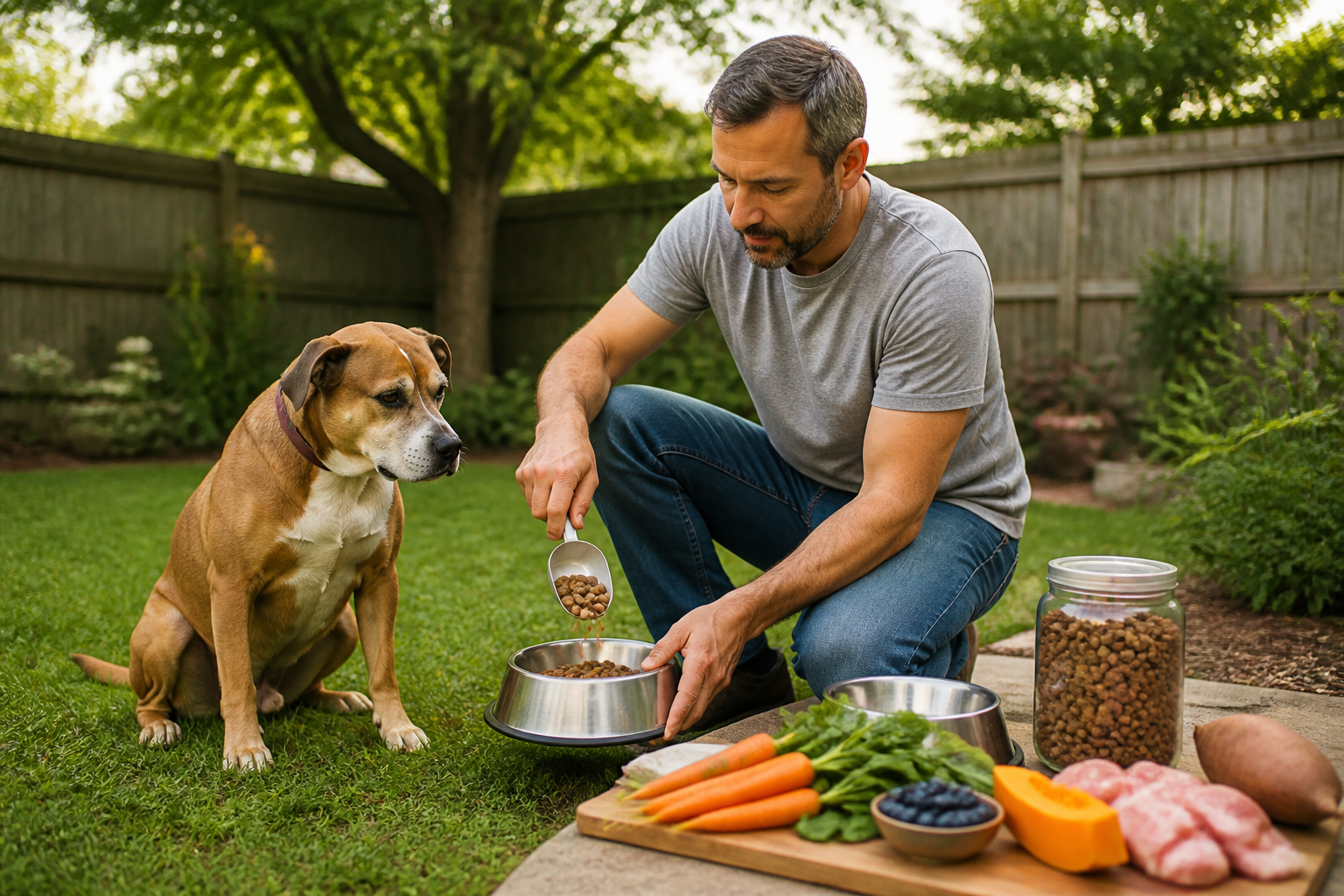
Even excellent food can harm health when offered in excessive amounts. Package feeding charts are starting points, not exact prescriptions. Measure food with a kitchen scale or a standard measuring cup, divide the daily ration into suitable meals, and adjust according to body condition. Account for treats, chews, table scraps, food used for training, and supplements. Ideally, extras provide no more than about ten percent of daily calories, although an individual medical plan may differ.
Body condition is more informative than weight alone. A dog at an appropriate condition should have ribs that are easily felt beneath a thin covering, a visible waist from above, and an abdominal tuck from the side. Prominent bones may indicate undernutrition, while a broad back, absent waist, or heavy fat covering over ribs suggests excess weight. Monthly photographs, weighing, and veterinary checks can reveal gradual changes that are otherwise easy to miss.
Weight loss should be gradual and supervised, particularly for obese dogs, puppies, seniors, or animals with illness. Reducing portions modestly, increasing low impact activity, and using lower calorie rewards are safer than sudden starvation. Never restrict water. A veterinarian can calculate calorie needs and investigate conditions such as hormonal disease, pain, or medication effects that complicate weight control.
Life Stage, Exercise, and Enrichment
Puppies need food formulated for growth, frequent meals, safe socialization, vaccination guidance, and carefully controlled exercise. Their bones and coordination are developing, so repetitive high impact activity, forced running, and excessive stair climbing may be unsuitable. Adult dogs need a stable routine combining aerobic activity, strength, rest, training, and opportunities to sniff and explore.
Senior dogs may benefit from adjusted calories, highly digestible ingredients, joint supportive strategies, shorter walks, softer bedding, and more frequent examinations. Aging is not a disease, but changes in hearing, vision, cognition, teeth, kidneys, or mobility should not be dismissed as inevitable. Early treatment often preserves comfort and independence.
Exercise must match the dog’s structure, temperament, weather tolerance, and health. Flat faced breeds, overweight animals, and dogs with heart or respiratory problems may overheat quickly. Watch for excessive panting, weakness, stumbling, pale or blue gums, vomiting, or collapse. Stop activity, cool the dog carefully, and seek urgent veterinary help when serious signs occur.
Mental enrichment is nutritional support for behavior and welfare. Food puzzles, scent games, reward based training, safe chewing, and predictable interaction can reduce boredom and anxiety. Rotate activities rather than overwhelming the dog. Training rewards can come from the regular meal ration, allowing learning without silently increasing calories.
Preventive Health and Safe Feeding
Routine veterinary visits allow vaccination, parasite prevention, dental evaluation, weight monitoring, and screening for age related problems. Fleas, ticks, intestinal worms, and heartworms can cause discomfort or serious disease. Use products selected for the dog’s species, weight, age, and region. Never apply a product intended for another species without professional guidance, because some ingredients are dangerous to dogs or household animals.
Dental disease is among the most common canine health problems. Plaque hardens into tartar, irritating gums and supporting tissues. Daily tooth brushing with veterinary toothpaste is the most effective home measure; human toothpaste may contain unsafe ingredients. Dental diets, chews, and professional cleaning can complement brushing, but hard bones and extremely rigid objects may fracture teeth or cause obstruction.
Food safety matters in every household. Keep chocolate, grapes, raisins, onions, garlic, xylitol, alcohol, caffeine, cooked bones, and moldy foods away from dogs. Secure garbage, medications, cleaning chemicals, and toxic plants. If ingestion occurs, contact a veterinarian or poison service promptly; do not induce vomiting unless specifically instructed. Record the substance, amount, time, and dog’s weight if possible.
Introduce diet changes gradually over approximately one week unless a veterinarian gives different instructions. Sudden changes can cause diarrhea or refusal. Monitor stool quality, itching, ear problems, vomiting, and appetite. Food allergies are less common than many owners assume, and diagnosis requires a controlled elimination trial rather than repeated casual switching.
Reading Signs and Responding Early
Daily Dog Wellness Check
| Check | What to note |
|---|---|
| Meals | Amount eaten and appetite changes |
| Water | Unusual increases or decreases in drinking |
| Stool | Frequency, consistency, or blood |
| Activity | Energy, mobility, and willingness to exercise |
| Behavior | New hiding, restlessness, or discomfort |
A healthy dog generally has steady appetite, normal hydration, regular stools, comfortable movement, clean eyes, and behavior appropriate to its personality. One unusual episode may be minor, but persistent or worsening changes deserve attention. Contact a veterinarian for repeated vomiting or diarrhea, blood in stool, refusal to eat, unexplained weight change, persistent cough, difficulty urinating, severe itching, or marked lethargy.
Emergency signs include trouble breathing, collapse, seizures, bloated abdomen with unsuccessful retching, uncontrolled bleeding, severe pain, suspected poisoning, heatstroke, and inability to urinate. Keep emergency contact details accessible and know the location of an after hours clinic. A small first aid kit can contain gauze, bandages, saline, gloves, a thermometer, and a leash, but first aid does not replace professional treatment.
Track meals, medications, stools, exercise, symptoms, and unusual exposures. Such records help veterinarians identify patterns and evaluate treatment. Bring food labels, supplement containers, and videos of strange episodes to appointments. Clear information improves decisions and may reduce unnecessary testing.
Product Features and Practical Value
A thoughtfully designed dog health and nutrition program should make healthy behavior easier for owners. Useful features include individualized feeding guidance, life stage recommendations, calorie awareness, ingredient transparency, portion reminders, hydration prompts, activity tracking, and space for veterinary notes. The strongest approach translates scientific principles into manageable daily actions without promising miraculous results.
For food products, practical value includes a complete nutritional profile, clearly stated intended life stage, feeding directions, batch traceability, secure packaging, freshness information, and reliable customer support. For supplements, evidence, dosage instructions, contraindications, and quality testing are especially important. A supplement should address a defined need, not compensate for an unbalanced diet or substitute for diagnosis.
Convenience should never undermine safety. Resealable storage protects food from moisture and pests, while clean bowls reduce contamination. Automatic feeders can support routines, but they cannot replace observation. Health apps and smart devices may reveal trends in weight, activity, or drinking, yet their measurements should be interpreted alongside clinical examination.
Owners should choose products according to the dog’s needs and household capacity. A simple, consistently followed plan is usually better than an elaborate program that becomes confusing. Discuss every significant product, diet change, herbal preparation, or supplement with a veterinarian, especially when the dog is pregnant, elderly, medicated, or diagnosed with kidney, liver, pancreatic, gastrointestinal, or endocrine disease.
Frequently Asked Questions
How often should a dog eat?
Many healthy adult dogs do well with two measured meals daily. Puppies usually need more frequent meals, while some seniors or dogs with medical conditions benefit from customized schedules. Meal timing should support appetite, medication requirements, digestion, and household routine. Avoid strenuous exercise immediately after a large meal, particularly in dogs at risk of gastric dilatation and volvulus.
Are grain free diets healthier?
Not automatically. Grains can provide digestible carbohydrates, fiber, vitamins, and minerals. A grain free diet is appropriate only when a veterinarian identifies a genuine need, and replacing grains with legumes or other ingredients does not guarantee superior nutrition. Discuss persistent itching, digestive signs, or suspected allergy before changing food.
Should dogs receive daily supplements?
Most dogs eating a complete and balanced diet do not need routine supplements. Unnecessary calcium, vitamins, minerals, or oils can create imbalances or interact with medicines. Supplements may be useful for a documented deficiency or specific condition, but selection and dosage should follow veterinary advice. “Natural” does not mean risk free.
Can dogs eat homemade food?
Small portions of safe, unseasoned foods may be used as treats, provided they fit the calorie allowance. A fully homemade diet is more difficult because nutrient requirements must be calculated precisely. Recipes from the internet may lack essential minerals, amino acids, or vitamins. Use a board certified veterinary nutrition specialist when preparing a long term homemade diet.
How can a dog lose weight safely?
Begin with a veterinary evaluation and measure every calorie. Reduce high calorie treats, use vegetables only when confirmed safe and suitable, increase activity gradually, and reassess body condition regularly. Never use crash diets or human weight loss products. A therapeutic weight management food may provide fullness with controlled calories.
Is raw feeding safer?
Raw diets carry risks of bacterial contamination, nutrient imbalance, choking, dental injury, and transmission to vulnerable people or animals. Freezing does not eliminate every hazard. If considering raw feeding, discuss the evidence and household risks with a veterinarian and obtain a professionally formulated plan. Cooking and complete formulation generally offer more predictable safety.
What is the best treat?
The best treat is safe, appropriately sized, enjoyable, and included within daily calories. Small pieces of the regular diet can work well. Avoid toxic foods, heavily seasoned scraps, and treats that splinter or are too hard. Use praise, play, and attention as nonfood rewards, especially during frequent training sessions.
How much water is enough?
Water needs vary with body size, diet, weather, activity, and health. Provide clean water continuously and wash bowls regularly. Notice changes rather than relying on one universal volume. A sudden increase or decrease in drinking, especially with altered urination, appetite, or energy, should prompt veterinary advice.
Conclusion
Dog health and nutrition are ongoing practices rather than isolated purchases. Choose complete food suited to the dog, measure portions, protect hydration, provide suitable exercise and enrichment, maintain dental and parasite care, and schedule preventive examinations. Observe daily patterns and respond early when something changes. Product labels, monitoring tools, and supplements can support care, but professional guidance remains essential for individual decisions.
The most effective plan is balanced, realistic, and adaptable. As a dog grows, gains or loses activity, enters senior years, or develops illness, nutritional needs may change. Reassessing the plan keeps care relevant. With informed choices, careful observation, and a strong partnership with veterinary professionals, owners can help their dogs maintain healthy bodies, confident behavior, and a rewarding quality of life.