
Understanding Dog Training
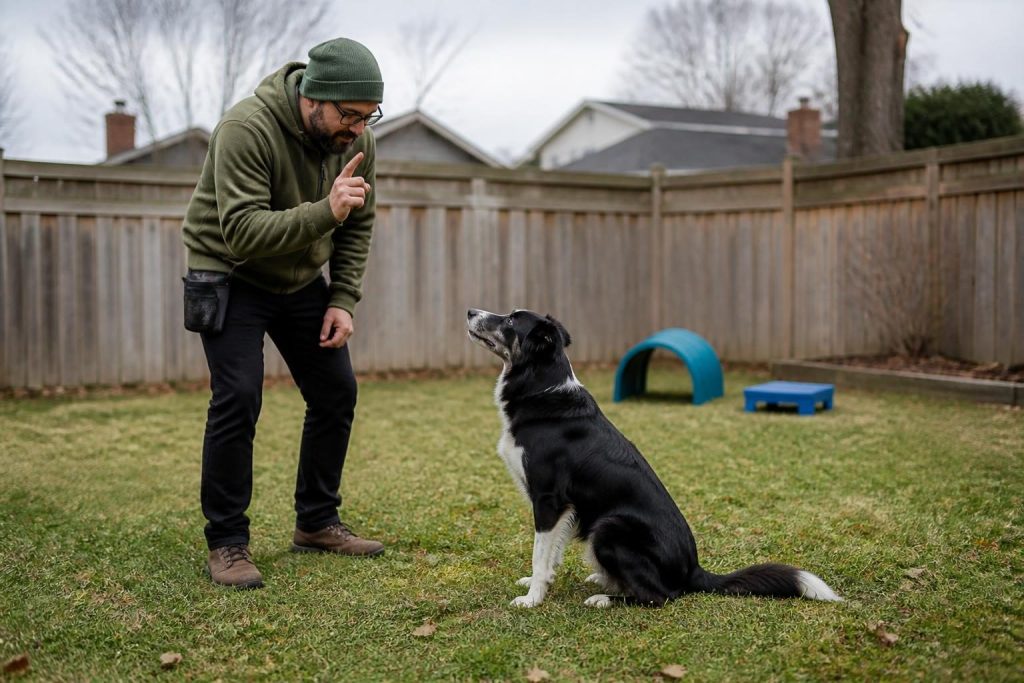
Dog training is a structured process that teaches an animal how to respond safely, reliably, and appropriately to everyday situations. Effective training is not about dominance, intimidation, or forcing instant obedience. It is a form of communication built through clear expectations, consistent practice, suitable rewards, and patient guidance. When training is approached as education, dogs learn useful behaviors while developing confidence and stronger relationships with their handlers.
A well-designed training program can address household manners, leash walking, recall, social skills, impulse control, and behavior concerns. It can also provide mental stimulation, which is essential for many dogs. Learning requires concentration, memory, and problem solving, so short training sessions can be as valuable as physical exercise. The most successful programs consider a dog’s age, health, temperament, history, environment, and individual motivation.
What This Dog Training Program Provides
This dog training program offers a practical, progressive framework for teaching foundational skills at home or in a professional setting. Lessons begin with communication and attention before advancing to obedience, household routines, and real-world distractions. Each exercise is explained in manageable steps, allowing handlers to understand not only what to do, but also why the method works.
The program is suitable for puppies, adolescent dogs, adult dogs, and many rescue dogs. Exercises can be adjusted for different learning speeds and physical abilities. The emphasis is on reward-based training, in which desired behavior is followed by something meaningful to the dog, such as food, play, access to a preferred activity, praise, or gentle interaction. Rewards should be delivered promptly so the dog can identify the behavior being reinforced.
The program also encourages observation. Handlers learn to recognize signs of stress, excitement, fatigue, confusion, and relaxation. This awareness helps prevent sessions from becoming overwhelming. Training should improve communication, not damage trust. If a dog repeatedly fails an exercise, the appropriate response is usually to simplify the task, reduce distractions, improve the reward, or provide a break.
Core Features
The program includes attention training, name recognition, marker communication, sit, down, stand, stay, leave it, drop it, recall, loose leash walking, place training, polite greetings, handling practice, and calm settling. It also presents strategies for reducing jumping, mouthing, barking, pulling, door rushing, and counter surfing.
Every lesson follows a repeatable structure:
- Prepare the environment and rewards.
- Define one observable behavior.
- Present a manageable request or opportunity.
- Mark the correct response immediately.
- Deliver the reward.
- Repeat briefly, then end while the dog remains successful.
This structure prevents vague expectations. A handler should be able to describe exactly what the dog did correctly. For example, “stay” may mean keeping all four paws in one place until released, while “come” means moving toward the handler promptly after hearing the cue. Clear definitions make progress measurable.
Principles Behind Effective Training
Reinforcement and Timing
Learning is influenced by consequences. When a behavior produces a valuable result, that behavior is more likely to occur again. Reinforcement is therefore central to humane training. Timing matters because dogs connect consequences with events that happen close together. A reward delivered several seconds late may reinforce standing, looking away, or moving toward the treat rather than the intended behavior.
A verbal marker, such as “yes,” or a clicker can identify the precise moment of success. The marker should first be paired repeatedly with a reward so the dog learns its meaning. Once the marker is understood, the handler can communicate accurately even when delivering food takes additional time.
Rewards should be varied and purposeful. Small treats are often effective in early lessons, but play, sniffing opportunities, praise, or permission to greet may be more valuable in certain contexts. The dog’s preferences can change with location, energy, and competing distractions. A reward that works in a quiet room may not be sufficient near other dogs or exciting scents.
Criteria, Progression, and Generalization
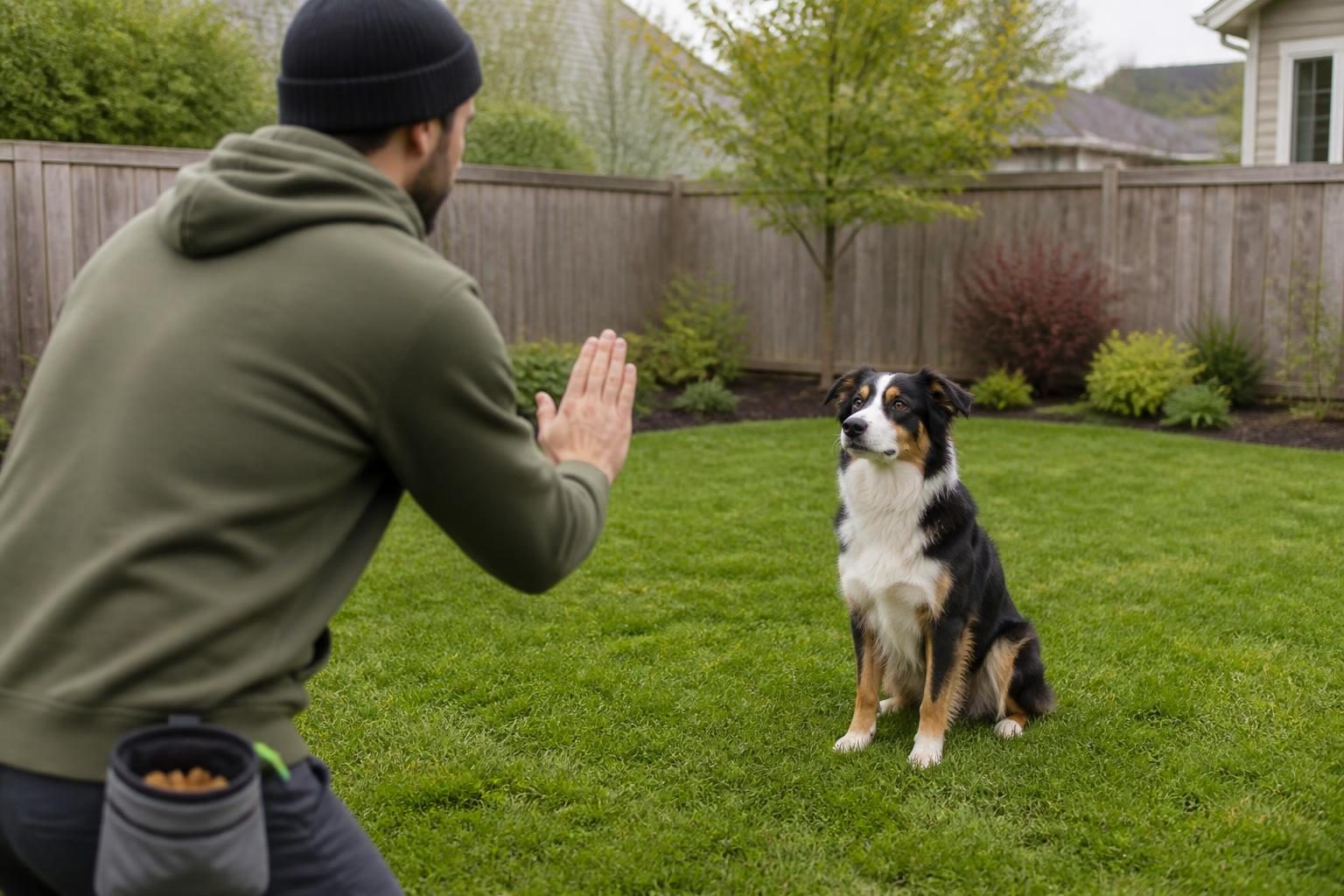
Training becomes easier when criteria are changed one at a time. Criteria include duration, distance, distraction, speed, precision, and location. If a dog can sit for five seconds in the kitchen, asking for a thirty-second sit beside a busy sidewalk changes several factors simultaneously. A better progression might increase duration indoors, then add distance, then practice in a quiet outdoor area before introducing stronger distractions.
Dogs do not automatically generalize a behavior across settings. A cue learned in a living room may need to be taught again in a hallway, yard, car park, and public space. Generalization requires repetition in varied environments while maintaining realistic expectations. If performance declines, return to an easier setting and rebuild gradually.
Humane Boundaries
Reward-based training does not mean allowing unsafe or inappropriate behavior. Dogs still need boundaries, management, and reliable interruption procedures. A handler can prevent rehearsal of unwanted actions by using gates, leashes, covered bins, closed doors, storage containers, and careful scheduling. Teaching an alternative behavior is often more effective than repeatedly saying “no.”
For example, a dog that jumps at visitors can be taught to keep four paws on the floor or go to a mat. A dog that steals objects can learn “drop it,” while the handler offers a safe exchange. Boundaries should be predictable and calmly enforced. Physical punishment, frightening devices, and harsh corrections can increase fear, stress, avoidance, or aggression and may suppress warning signals without resolving the underlying problem.
Step-by-Step Training Plan
Stage One: Build Communication
Begin in a quiet area with minimal distractions. Say the dog’s name once, and reward orientation toward you. Repeat until the dog responds consistently. Next, introduce a marker word or clicker, immediately followed by a reward. Keep sessions between three and ten minutes, depending on the dog’s age and concentration.
Teach a release cue, such as “free,” to indicate that an exercise has ended. A release cue prevents the dog from guessing when movement is permitted. Practice easy behaviors, including following a hand target, sitting for a reward, and looking toward the handler. These skills establish cooperation before more demanding exercises are introduced.
Stage Two: Teach Essential Cues
For sit, guide the dog’s attention upward with a reward, then mark and reward when the hips touch the floor. Avoid pushing the dog into position. For down, move the reward from the nose toward the floor and slightly forward, rewarding the moment the dog lowers its body. If luring creates frustration, capture naturally occurring positions instead.
For recall, begin at close range in a secure area. Say the cue cheerfully, move backward, and reward the dog for approaching. Never call the dog to deliver an unpleasant consequence. Sometimes call, reward, and release the dog back to play so coming does not always end enjoyment. Increase distance and distraction slowly, using a long line where appropriate.
Loose leash walking is best taught by rewarding the dog for being near the handler before pulling becomes strong. When the leash tightens, stop or change direction without jerking. Resume movement when slack returns. Progress may be gradual, and sniffing can be incorporated as a reward for several polite steps.
Stage Three: Add Self-Control and Practical Routines
Teach “leave it” by rewarding the dog for moving attention away from a low-value item, then gradually increase difficulty. Teach “drop it” through trades using safe objects. Practice handling ears, paws, mouth, collar, and grooming tools with tiny rewards, stopping before the dog becomes uncomfortable. Cooperative handling is especially important for veterinary care.
Mat training teaches a dog to settle in a designated location. Reward looking at the mat, stepping onto it, lying down, and remaining relaxed. Add duration in small increments. Use the mat during meals, conversations, deliveries, and other predictable household events.
Product Description and Appropriate Use
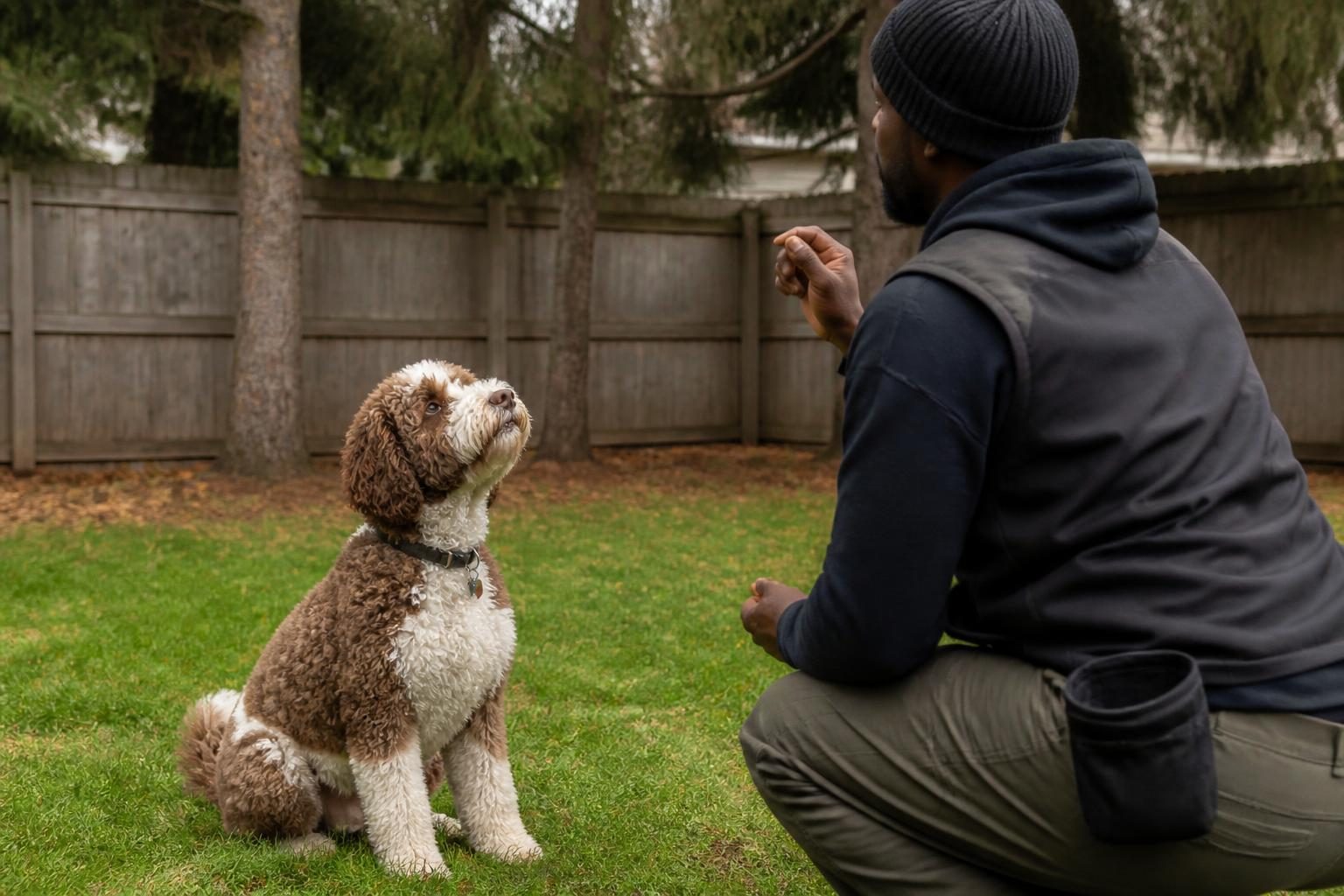
This training resource is designed as a practical educational product for dog owners who want a clear, humane, and adaptable system. It may be offered as a digital course, printable guide, video series, consultation package, or combined training kit. Its purpose is to transform broad goals into observable exercises that can be practiced consistently.
A useful product should include lesson objectives, preparation instructions, troubleshooting guidance, progress indicators, safety notes, and examples for different environments. Printable tracking sheets can help owners record the cue used, distraction level, successful repetitions, reward selected, and the dog’s emotional state. Video demonstrations may clarify body position, timing, leash handling, and reward delivery.
The product should not promise instant obedience or guarantee the elimination of every behavior problem. Dogs differ considerably, and progress depends on medical status, learning history, environment, reinforcement quality, and handler consistency. Responsible materials explain limitations and recommend professional support when behavior is dangerous, persistent, or emotionally complex.
What Customers Receive
Customers receive a structured sequence of lessons, practical exercises, troubleshooting suggestions, and guidance for maintaining skills after the initial course. The material can support independent practice, but it is also useful alongside private instruction or group classes. A well-organized program gives owners a common vocabulary and repeatable routine, reducing uncertainty during daily training.
Recommended equipment is simple: high-value rewards, a treat pouch, a comfortable flat collar or harness, a standard leash, a secure long line, a mat, safe chew items, and barriers for management. Equipment should fit correctly and be inspected regularly. A qualified professional can help select tools for dogs with unusual physical or behavioral needs.
Common Challenges and Solutions
Training plateaus are normal. If improvement stops, assess whether the task is too difficult, the reward is insufficient, the sessions are too long, or the dog is tired, hungry, ill, or distracted. Return to a behavior the dog knows, reward generously, and end on success. Several brief sessions are generally more productive than one extended session.
Inconsistent household rules can also slow learning. Everyone should agree about cues, access, furniture, greetings, feeding routines, and responses to unwanted behavior. If one person rewards jumping while another ignores it, the dog receives confusing information. Written household guidelines can improve consistency.
Fear requires special care. A fearful dog may freeze, hide, bark, lunge, or attempt to escape. Do not force exposure or punish defensive behavior. Increase distance from the trigger, provide a safe retreat, and pair the trigger with high-value rewards at an intensity the dog can tolerate. A veterinarian or qualified behavior professional should be consulted when fear is severe.
Aggression, repeated biting, resource guarding, sudden behavior changes, and intense separation distress deserve professional assessment. Medical conditions, pain, sensory changes, or medication effects can influence behavior. Training is not a substitute for veterinary evaluation.
FAQ
How old should a dog be before training begins?
Training can begin as soon as a puppy enters the home, provided exercises are brief, gentle, and age appropriate. Early lessons should emphasize attention, name recognition, safe handling, exploration, and calm routines. Older dogs can learn effectively as well. Age may influence physical stamina or learning history, but it does not determine whether training is possible.
How long should each session last?
Most dogs benefit from sessions lasting three to ten minutes, repeated once or several times daily. The correct length depends on concentration, age, health, and the complexity of the exercise. Stop when the dog is still engaged, rather than waiting for frustration. Daily practice in real situations can reinforce lessons more effectively than occasional intensive sessions.
Should treats be used forever?
Treats are valuable during teaching, but their use can gradually become more varied. Once a behavior is reliable, rewards may be delivered intermittently, combined with praise, play, access, or environmental opportunities. However, maintaining reinforcement is important, especially when distractions increase or a new behavior is requested. There is no requirement to eliminate food rewards completely.
What if my dog ignores a cue?
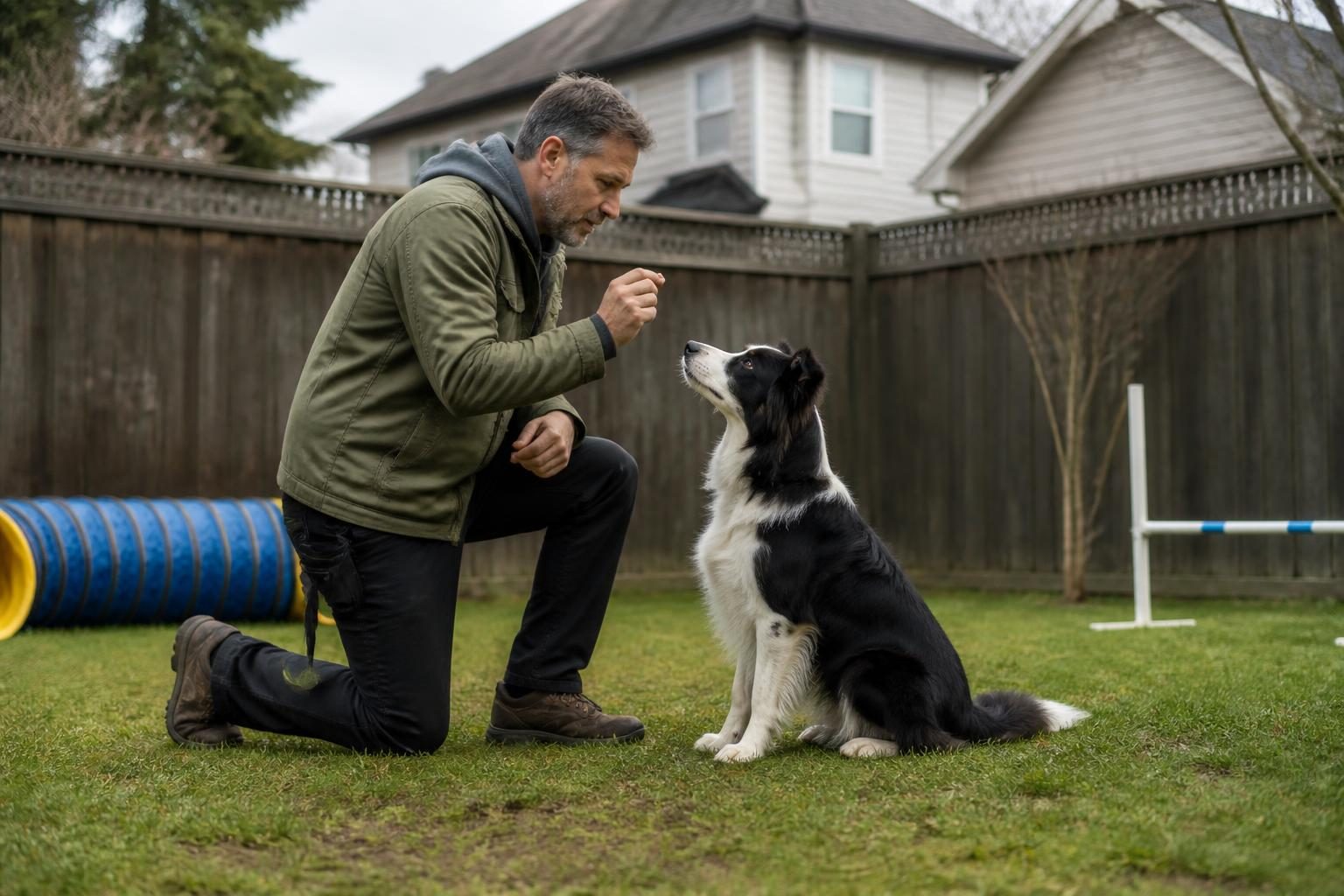
First check whether the dog understands the cue in that setting. The environment may be too distracting, the reward may be uninteresting, or the dog may be uncomfortable. Avoid repeating the cue many times. Reduce difficulty, regain attention, and reward an easier response. If the behavior changes suddenly, arrange a veterinary check.
Is clicker training necessary?
No. A clicker can provide precise timing, but a consistent marker word works well. The most important factors are clear criteria, immediate communication, suitable reinforcement, and repetition. Choose the method that the handler can use accurately and consistently.
Can training stop barking?
Barking has many functions, including alerting, fear, frustration, excitement, social communication, and seeking attention. Success depends on identifying the cause. Management, teaching an alternative response, rewarding quiet behavior, and reducing triggers can help. Punishing all barking may increase anxiety or remove useful warning signals. Persistent barking should be assessed individually.
Are group classes better than private lessons?
Neither option is universally superior. Group classes can provide controlled social exposure, structured practice, and economical instruction. Private lessons allow greater attention to household routines, fear, reactivity, or specific behavior concerns. The instructor’s qualifications, methods, safety standards, and ability to adapt are more important than the format alone.
How can children participate safely?
Children should participate only with close adult supervision. They can help toss rewards, practice simple cues, or invite the dog to a mat, but they should not take objects forcibly, disturb eating or sleeping, climb on the dog, or approach when the dog seeks distance. Adults remain responsible for management and interpretation of warning signs.
Measuring Progress
Progress should be measured by observable behavior and emotional stability rather than perfection. Useful records include the number of successful responses, the distance from distractions, recovery time after excitement, leash tension, and the dog’s ability to relax. Note the context, because a behavior may be reliable at home but new outdoors.
Set realistic milestones. A recall may first mean turning toward the handler, then taking a few steps, then arriving promptly from a short distance. Loose leash walking may begin with two relaxed steps. Small successes create a history of reinforcement and make later challenges easier.
Review goals weekly. Keep exercises that remain useful, rotate rewards, and adjust difficulty according to performance. If progress repeatedly reverses, consult a professional rather than simply increasing pressure.
Conclusion
Dog training is an ongoing educational process that combines communication, reinforcement, management, observation, and compassion. A successful program teaches practical behaviors while respecting the dog’s physical and emotional needs. Clear criteria, immediate rewards, gradual progression, and consistent household routines make learning more efficient and reliable.
The most useful training product provides more than lists of commands. It explains how dogs learn, how handlers can prevent confusion, how challenges should be adjusted, and when professional or veterinary support is necessary. With brief, regular practice, owners can develop safer routines, improve cooperation, and strengthen trust.
Training does not require perfection from either dog or handler. It requires patience, realistic expectations, and a willingness to notice small improvements. When education replaces intimidation, everyday interactions become opportunities for learning. The result is not merely a more obedient dog, but a more confident companion and a more informed, capable household.