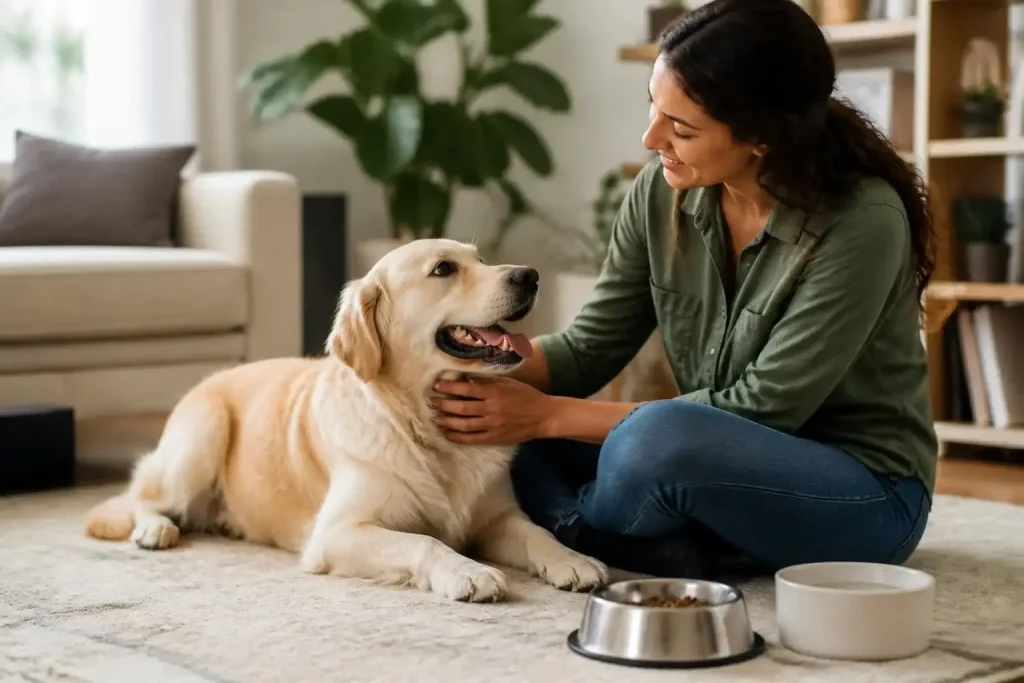
Keeping your dog healthy depends less on occasional heroic efforts and more on consistent daily care. A balanced diet, regular movement, preventive veterinary visits, dental attention, safe surroundings, and patient training work together to protect both body and mind. The best routine is one you can maintain, adjust as your dog ages, and discuss with a veterinarian who understands your pet’s history.
Healthy care should also respect individuality. A young Border Collie may need far more activity than an elderly Pug, while a dog with allergies, arthritis, anxiety, or a sensitive stomach may require specialized planning. Observe changes, record useful details, and seek professional guidance when something seems unusual. Early attention often prevents a small concern from becoming a serious problem.
Keep Your Dog Healthy: Build a Strong Daily Foundation
Feed for the individual dog
Choose a complete, balanced food appropriate for your dog’s life stage, size, and health needs. Puppies, adults, seniors, pregnant dogs, and dogs with medical conditions can have different nutritional requirements. Read feeding guidance as a starting point, not an unchangeable prescription. Activity level, body condition, metabolism, and treats all influence the amount your dog actually needs.
Measure meals rather than estimating by eye. Free feeding may encourage overeating, particularly in dogs that are bored, food motivated, or prone to weight gain. Divide the daily portion into scheduled meals if that supports digestion, medication routines, or household organization. Fresh water should be available throughout the day, with bowls cleaned regularly.
Treats are useful for training, but they still contribute calories. Keep them modest and consider using part of the regular meal as rewards. Avoid sudden diet changes, rich table scraps, and foods known to be dangerous for dogs, including chocolate, grapes and raisins, onions, garlic, xylitol, alcohol, and cooked bones. If your dog repeatedly vomits, develops diarrhea, refuses food, or drinks dramatically more than usual, contact a veterinarian.
Maintain a healthy body condition
A healthy dog should have an observable waist when viewed from above and an abdominal tuck when viewed from the side, although ideal shape varies by breed. You should generally be able to feel the ribs beneath a thin layer of tissue without seeing every rib prominently. Ask your veterinary team to demonstrate a body condition assessment and set a practical weight goal.
Weight management protects mobility, stamina, and overall comfort. If your dog is overweight, reduce calories gradually with professional guidance rather than sharply restricting food. Replace some treats with praise, play, or gentle interaction. Weighing food and tracking changes can reveal whether a plan is working.
Make Exercise and Enrichment Routine
Combine movement with mental work
Daily activity supports muscles, joints, cardiovascular fitness, coordination, and emotional balance. The right amount depends on age, breed traits, fitness, weather, and medical status. Several shorter sessions may suit a puppy, senior, brachycephalic breed, or dog recovering from illness better than one strenuous outing.
Walks should include opportunities to sniff safely. Sniffing provides information and mental stimulation, so a slower exploratory walk can be valuable even when it covers little distance. Add age appropriate games such as gentle fetch, tug with rules, hide and seek, or supervised obstacle exercises. Stop when your dog shows excessive fatigue, limping, weakness, heavy distress, or difficulty recovering.
Mental enrichment helps prevent boredom without demanding constant physical exertion. Rotate durable toys, offer food puzzles suited to your dog’s skill level, practice short training sessions, and teach useful behaviors such as settling on a mat. Supervise unfamiliar toys and remove damaged items before swallowed pieces create a hazard.
Exercise safely
Increase activity gradually, especially after a sedentary period. Warm up with easy walking before faster movement, and avoid intense exercise during extreme heat or humidity. Dogs can overheat before owners recognize danger. Provide shade and water, learn signs of heat stress, and seek urgent veterinary help for collapse, severe panting, confusion, vomiting, or weakness.
Paw pads can burn on hot pavement and become irritated by ice, salt, chemicals, or rough surfaces. Check feet after outdoor activity and rinse them when needed. Use a secure harness or collar with identification, and keep dogs away from traffic, unsafe water, aggressive animals, and areas containing discarded food or toxic substances.
Preventive Veterinary and Home Care
Schedule regular examinations
Routine veterinary care is not only for sick animals. Examinations allow professionals to assess weight, heart and lung function, eyes, ears, skin, mobility, behavior, and other changes that may be difficult to notice at home. Visit frequency should reflect age, risk factors, chronic conditions, and veterinary advice. Puppies and senior dogs often need closer monitoring than healthy adults.
Keep vaccinations and parasite prevention current according to local risks and professional recommendations. Fleas, ticks, heartworm, and intestinal parasites can harm dogs and sometimes affect people. Do not substitute products casually, combine treatments without advice, or use a medication intended for another species. Some substances are dangerous to dogs, and dosing depends on individual factors.
Maintain a written record of vaccinations, medications, allergies, illnesses, surgeries, appetite changes, stool patterns, and questions for the next appointment. Bring this information to consultations. If you notice a new lump, persistent cough, repeated itching, altered gait, unusual thirst, behavior change, or unexplained weight loss, arrange an evaluation rather than waiting indefinitely.
Protect teeth, ears, skin, and nails
Dental disease is common and can cause pain, bad breath, difficulty eating, and infection. Daily tooth brushing with toothpaste made for dogs is a strong home habit, but introduce it gradually. Never use human toothpaste unless a veterinarian specifically confirms it is safe. Dental diets, chews, and professional cleaning may help, yet products differ; choose based on safety, supervision, and veterinary advice.
Inspect ears without inserting objects deeply. Redness, odor, discharge, head shaking, scratching, or pain can indicate infection, allergies, parasites, or another problem. Use only cleaners recommended for your dog, and stop if cleaning causes distress. Floppy ears and dogs that swim may need particular attention, but routine cleaning is not automatically beneficial for every dog.
Brush the coat according to its type, checking for mats, skin irritation, parasites, swelling, or foreign material. Bathe when necessary with a dog appropriate product, avoiding harsh household cleaners. Trim nails before they overgrow and alter gait. If nails are dark, your dog resists handling, or you are uncertain about the quick, ask a groomer or veterinary professional for instruction.
Support Emotional Health and Good Behavior
Use reward based training
Training improves communication, safety, confidence, and household harmony. Reward desired behavior promptly with food, play, praise, or access to something the dog values. Keep sessions brief, clear, and successful. Teach recall, loose leash walking, leave it, drop it, handling tolerance, and calm settling because these skills can prevent accidents and make healthcare easier.
Avoid punishment that creates fear, confusion, or aggression. If barking, separation distress, reactivity, resource guarding, or destructive behavior persists, seek a qualified reward based trainer or veterinary behavior professional. A behavior problem is not a moral failure; it is information about emotion, learning history, environment, or unmet needs.
Provide predictable rest and companionship
Dogs need uninterrupted sleep and a place where they can retreat without being disturbed. A comfortable bed, sensible temperature, and predictable routine can reduce stress. Give your dog social contact, but respect signals that indicate discomfort, such as turning away, freezing, lip licking, hiding, or repeated attempts to escape. Children should learn safe, supervised interaction.
Changes in appetite, sleep, sociability, house training, or activity may reflect pain or illness rather than stubbornness. Senior dogs may need ramps, nonslip flooring, softer bedding, more frequent toilet breaks, and shorter outings. Adaptation preserves independence and reduces preventable strain.
Make the Home and Outdoors Safer
Store medicines, cleaning products, pesticides, batteries, sharp objects, and hazardous foods behind secure barriers. Keep trash inaccessible and inspect toys, bedding, fencing, and crates regularly. Identify household plants that may be toxic, and prevent access to garages, pools, balconies, and open doors. Microchipping, identification tags, current contact information, and a recent photograph improve the chance of a safe reunion if your dog escapes.
Travel with a properly secured dog, never leave a dog unattended in a parked vehicle, and prepare water, medications, identification, waste bags, and familiar comfort items. During emergencies, keep a small kit containing food, water, prescriptions, records, a leash, a carrier if appropriate, and basic cleaning supplies. Ask your veterinarian what additional items suit your dog’s medical needs.
Choose Health Products Carefully
A useful health product should solve a specific problem safely, fit your dog’s size and condition, and be practical enough for consistent use. Examples include a well-fitting harness, washable bedding, a slow feeder, a toothbrush and canine toothpaste, grooming tools, puzzle toys, paw protection, and measured food containers. Products support care; they do not replace nutrition, exercise, supervision, or veterinary attention.
Read labels and follow directions. Check weight limits, ingredients, durability, cleaning requirements, and age recommendations. Avoid products promising to prevent or cure serious disease without credible veterinary support. “Natural” does not automatically mean harmless. Discuss supplements with a veterinarian, particularly when your dog takes medication, has kidney or liver disease, is pregnant, or requires a restricted diet.
A Practical Weekly Health Check
Once or twice each week, look at your dog’s posture, movement, coat, skin, eyes, ears, mouth, paws, appetite, drinking, stool, and general mood. You are not trying to diagnose disease. You are establishing a baseline so meaningful changes are easier to recognize. Note anything persistent, worsening, painful, or clearly different from normal.
Use calm handling and reward cooperation. Never force an examination that risks injury. A dog that suddenly resists touch may be communicating pain or fear. Contact a veterinarian when signs persist, interfere with eating or movement, or appear alongside lethargy, breathing difficulty, collapse, repeated vomiting, bloody stool, seizures, or suspected poisoning. Emergencies require immediate professional advice.
Frequently Asked Questions
How much exercise does a dog need each day?
There is no universal number. Breed tendencies, age, health, fitness, weather, and temperament matter. Begin with manageable activity, observe recovery, and increase gradually. Your veterinarian can help design a plan for obesity, arthritis, heart disease, respiratory concerns, or recovery from surgery.
Is homemade food healthier than commercial dog food?
Not automatically. A homemade diet can be appropriate in some situations, but it must provide balanced nutrition and may require careful formulation by a veterinary nutrition professional. Unplanned recipes can lack essential nutrients or contain harmful ingredients. Ask your veterinarian before making a long term change.
How often should I brush my dog’s teeth?
Daily brushing is an excellent goal, but gradual progress is normal. Start by touching the lips, then introduce dog toothpaste and a soft brush in brief sessions. If the mouth is painful, the gums bleed persistently, or tartar is substantial, arrange a veterinary dental assessment rather than forcing home care.
Should I give supplements?
Only when there is a clear reason and professional guidance. Supplements may interact with medication, provide excessive nutrients, or delay diagnosis of an underlying condition. Bring the complete label to your veterinarian and ask whether the product, dose, and duration are appropriate.
What is the best way to prevent obesity?
Measure meals, limit extras, choose nutritious rewards, and provide regular suitable activity. Monitor body condition rather than relying only on a scale. Reassess portions when activity, age, medications, or health changes. A gradual plan is safer and more sustainable than severe restriction.
How can I keep my dog healthy as it ages?
Continue preventive examinations, protect dental health, maintain gentle movement, manage weight, and adapt the home for comfort and traction. Watch for changes in vision, hearing, cognition, mobility, appetite, and toileting. Early discussion can reveal pain or treatable illness and help preserve quality of life.
Conclusion
Keeping a dog healthy is a continuing partnership, not a single purchase or perfect routine. Feed thoughtfully, maintain a lean body condition, provide safe physical and mental activity, protect teeth and skin, attend preventive appointments, and make the environment secure. Just as importantly, learn your dog’s normal patterns and respond promptly when they change.
A product can make daily care easier, but its value depends on appropriate selection and consistent use. When uncertainty involves illness, medication, nutrition, behavior, or sudden deterioration, consult a veterinarian rather than relying on guesswork. Small, repeatable choices create the foundation for a happier, more comfortable, and more active life together.