
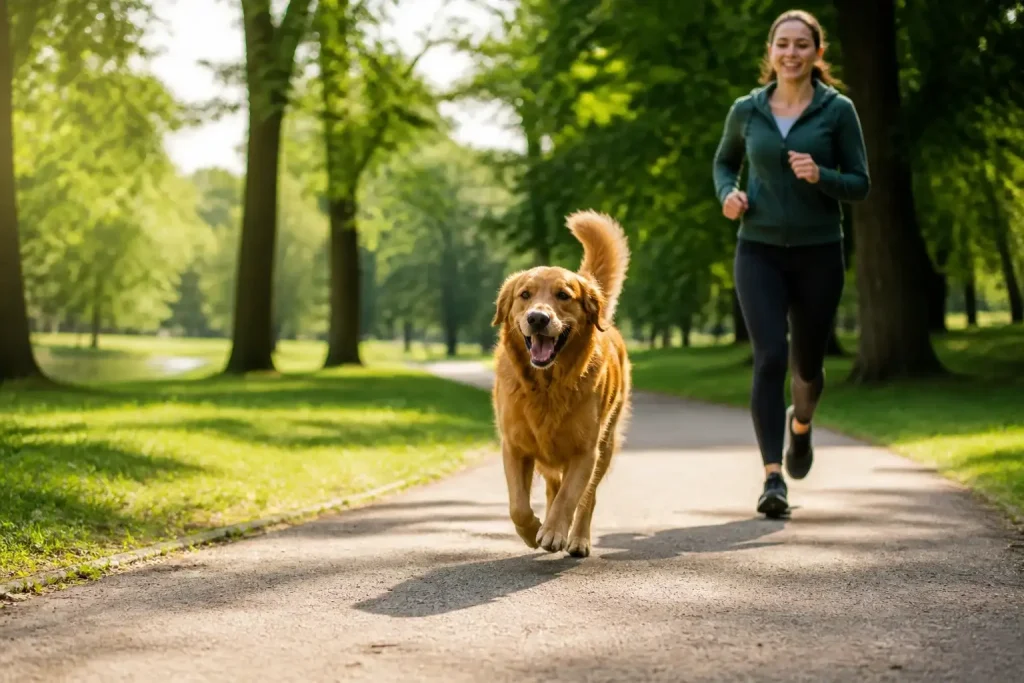
The right amount of exercise depends on your dog’s age, breed, health, personality, and daily environment. A healthy adult dog may need anywhere from thirty minutes to two hours of activity each day, but that range is only a starting point. Some dogs thrive with several brisk walks and mentally challenging games, while others remain comfortable with gentle outings and short play sessions.
The best plan leaves your dog pleasantly tired, not exhausted. Watch behavior, movement, appetite, sleep, and recovery, then adjust gradually. Exercise should support physical fitness, emotional balance, and safe exploration rather than become a race to reach a fixed number of minutes.
How Much Exercise Does A Dog Need: Why Daily Exercise Matters
Regular activity helps dogs maintain a healthy body condition, preserve muscle, support joint mobility, and use energy constructively. It also gives them opportunities to sniff, investigate, solve problems, and interact with their surroundings. These experiences can reduce boredom and may lessen behaviors associated with under-stimulation, such as persistent barking, destructive chewing, restless pacing, or attention seeking.
Exercise is not a substitute for training, companionship, or veterinary care. A dog can walk for an hour and still need mental engagement, while another may become overtired after a shorter outing. Quality matters as much as duration. A relaxed sniffing walk, a carefully supervised game, or a few minutes of reward-based training can contribute meaningfully to a balanced routine.
A Practical Daily Exercise Guide
Puppies
Puppies need activity, but their growing bones, joints, and coordination require restraint. Several brief sessions are usually better than one long walk. Let a young puppy explore safe surfaces, play freely for short periods, and practice simple training. Avoid forcing distance, repetitive jumping, sharp turns, or sustained running, particularly on hard ground.
A puppy’s needs change quickly. One may be ready for a few minutes of gentle walking, while another needs frequent rest after brief play. Vaccination status also affects where outdoor exercise is appropriate, so follow your veterinarian’s advice about public areas and contact with unknown dogs. If your puppy repeatedly lies down, struggles to keep pace, becomes unusually irritable, or seems sore afterward, stop and seek professional guidance.
Adolescents
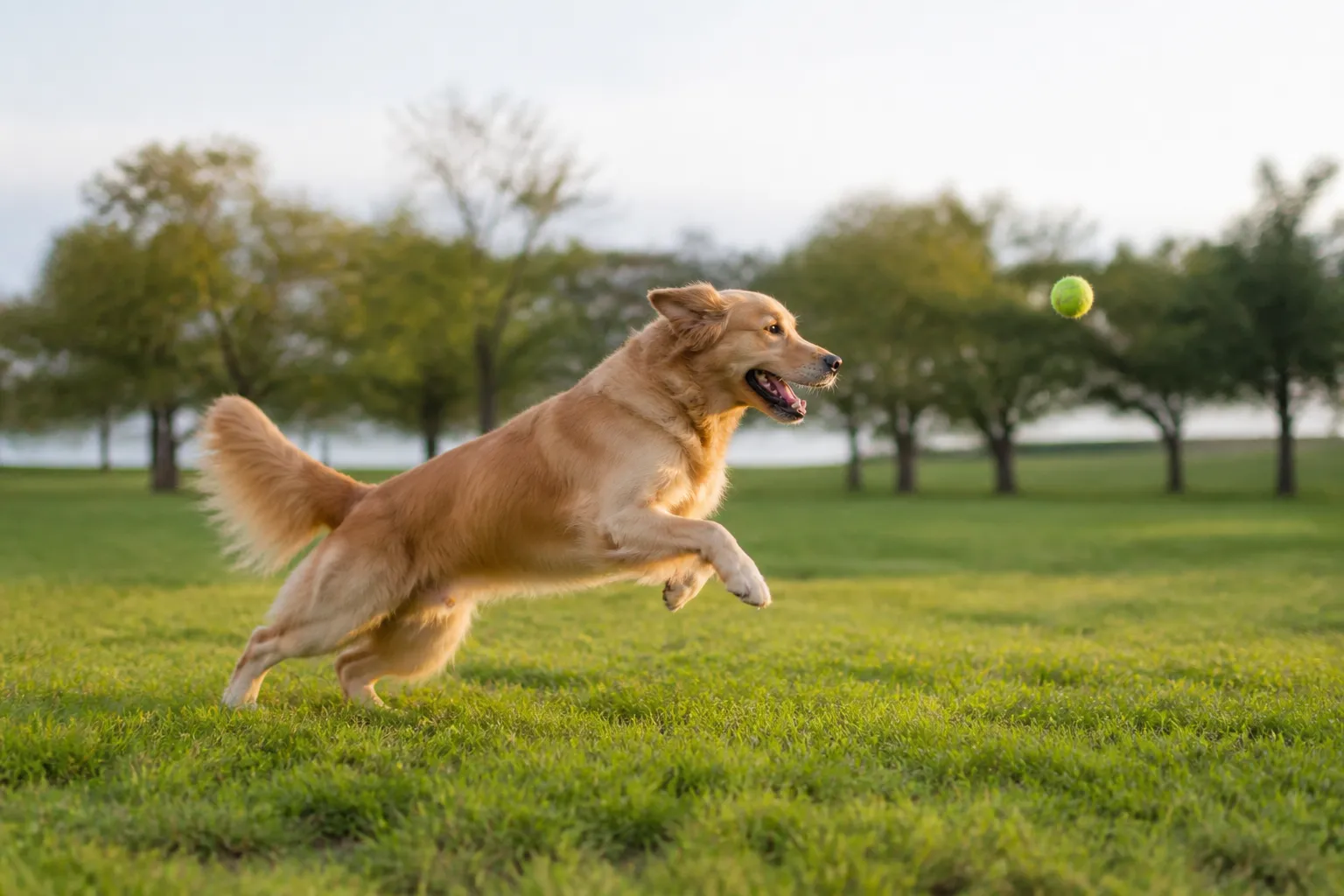
Teenage dogs often appear tireless, but enthusiasm does not equal unlimited physical readiness. Adolescents may benefit from structured walks, play, scent games, obedience practice, and controlled social experiences. Keep high-impact activity moderate while the skeleton matures, especially for larger dogs. Training impulse control can be as valuable as adding more exercise.
Healthy adult dogs
Many adult dogs need one or two purposeful outings plus additional play or enrichment. A moderate walk may maintain basic fitness, but active breeds often need opportunities to trot, retrieve, hike, train, or work with their noses. Divide activity across the day if possible. Morning and evening sessions can be easier to manage than one demanding workout.
Senior dogs
Older dogs still need movement, although their pace, duration, and terrain may need modification. Gentle walking, swimming when appropriate, scent exploration, and low-impact games can preserve mobility and confidence. Shorter, more frequent outings may be preferable. Do not assume slowing down is simply aging; pain, heart disease, arthritis, or other conditions can change exercise tolerance. Arrange a veterinary examination when stamina declines noticeably.
How Breed and Temperament Change the Answer
Breed labels offer useful clues, not precise prescriptions. Herding and sporting dogs often enjoy activities requiring sustained movement, concentration, retrieving, or problem solving. Working breeds may need a job-like routine rather than a monotonous walk. Many terriers enjoy energetic games and scent-based challenges, though their small size does not automatically mean low needs.
Companion breeds may require less endurance, but they still benefit from daily walks, play, and exploration. Short-nosed dogs can struggle with heat and breathing, even when eager to continue. Giant breeds may tire quickly or face joint concerns despite their size. Mixed-breed dogs should be assessed individually by observing build, age, health, and behavior.
Temperament matters just as much. A calm dog may be satisfied with moderate activity, whereas a highly driven dog may need a combination of physical work, training, and enrichment. Fearful dogs may find busy parks stressful; a quiet route can provide more benefit than a longer, overwhelming outing.
Physical Exercise Versus Mental Enrichment
Physical exercise raises activity levels, but mental enrichment helps dogs process information and make choices. Include both forms in the daily routine.
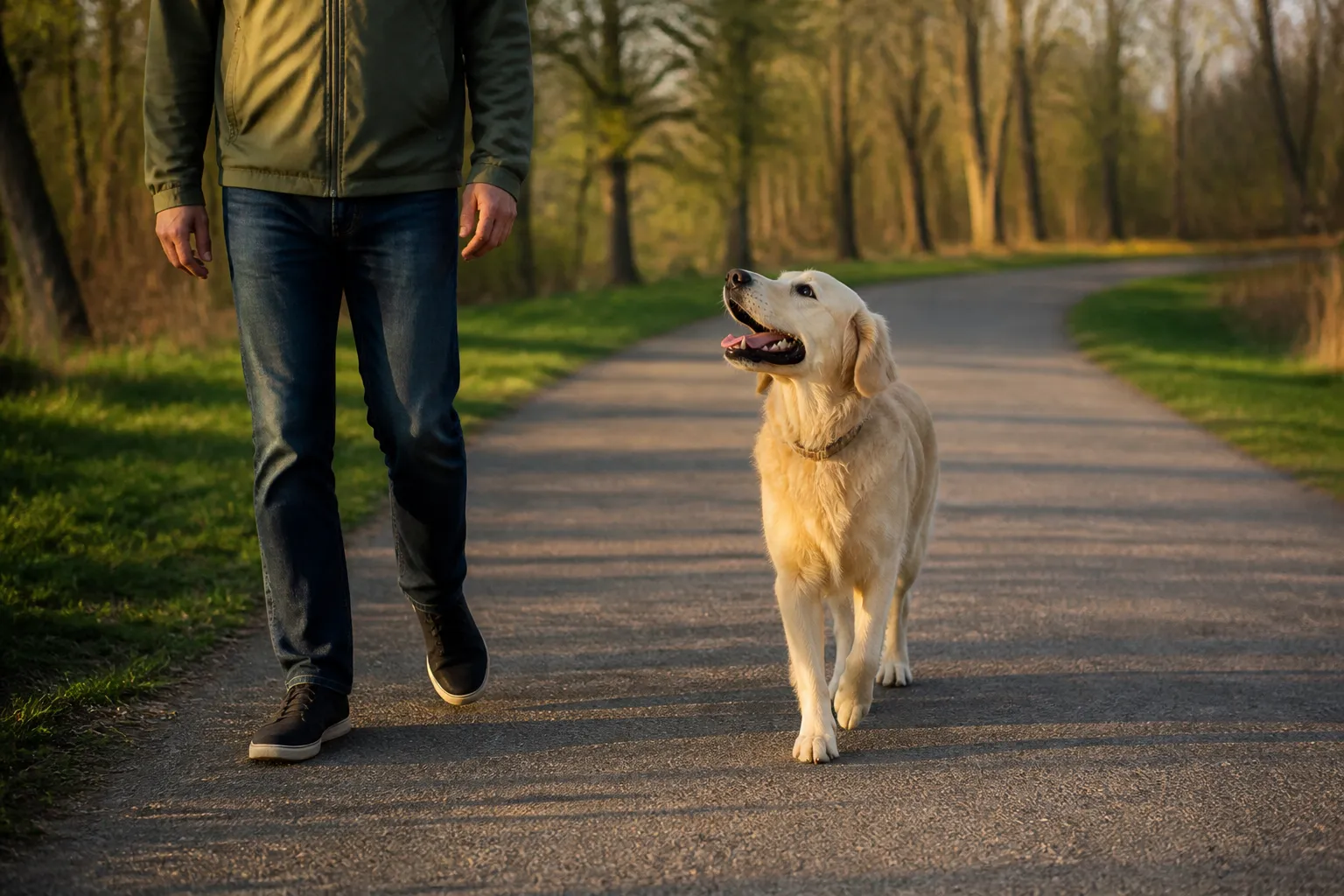
A sniffing walk allows your dog to gather sensory information at its own pace. You may cover less distance, but the experience can be rewarding. Scatter a portion of the dog’s food in safe grass, use a simple food puzzle, teach new cues, or practice finding a hidden toy. Short training sessions can tire a dog without placing heavy strain on joints.
Rotate activities to prevent boredom. One day might include a quiet neighborhood walk and scent work; another could feature controlled retrieving and basic obedience. Avoid relying on frantic ball chasing as the only exercise. Repeated acceleration, abrupt stopping, and twisting can be demanding, particularly for dogs with orthopedic vulnerabilities. Use warm-up walking, sensible surfaces, and pauses.
Building a Safe Exercise Routine
Begin with an honest assessment. Consider your dog’s current fitness, body condition, age, medical history, and usual behavior. If exercise has been limited, increase duration and intensity in small steps rather than making a sudden change. A dog that spends most of the day resting may need conditioning before attempting a long hike.
Choose activities your dog can perform comfortably. Walks, free movement in a secure area, swimming, gentle hill work, retrieving, nose games, and training can all fit different dogs. Keep your dog leashed where required and use secure equipment that does not restrict breathing or movement. Check paws after walks, especially on rough, hot, icy, or chemically treated surfaces.
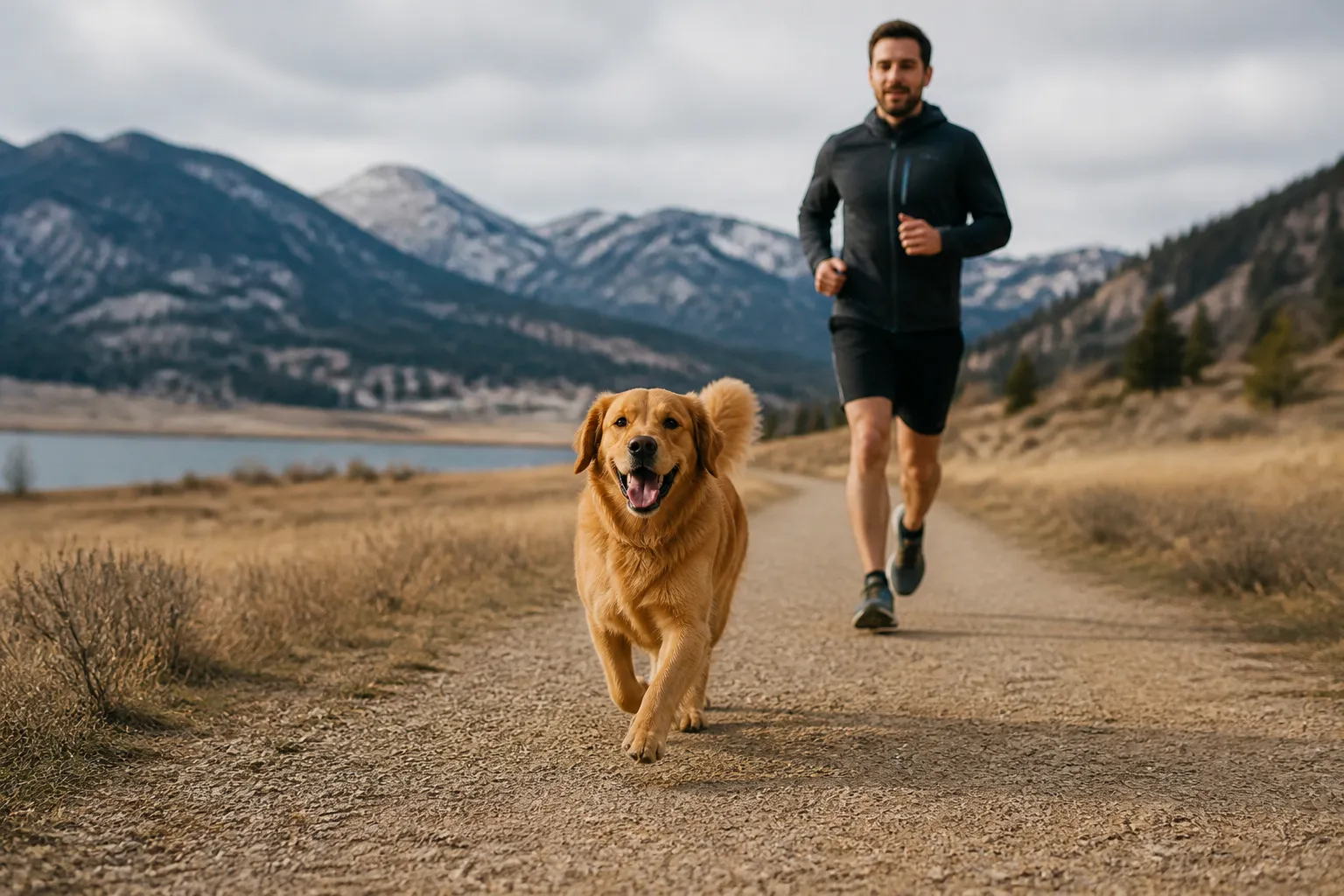
Warm weather deserves special caution. Dogs cool themselves less efficiently than people, and heat-related illness can develop quickly. Exercise during cooler hours, provide water, choose shade, and avoid hot pavement. Never depend on a dog’s willingness to continue as proof of safety. Heavy panting, weakness, wobbling, vomiting, confusion, or collapse requires immediate action and urgent veterinary assistance.
Cold weather also presents hazards. Small, thin-coated, elderly, and medically vulnerable dogs may need shorter outings or protective clothing, provided they tolerate it safely. Wipe paws after walks to remove irritants, and avoid forcing a dog outdoors during dangerous conditions.
Recognizing Too Little Exercise
Under-exercising may appear as restlessness, repeated nuisance behavior, excessive attention seeking, difficulty settling, or unwanted weight gain. Some dogs invent their own activities, such as digging, shredding objects, chasing reflections, or patrolling windows. These signs do not prove that more exercise is the only answer. Anxiety, pain, poor sleep, insufficient training, and an unsuitable environment can produce similar behavior.
Increase activity thoughtfully. Add a short sniffing walk, a training session, or a food puzzle before dramatically extending physical exertion. Track what changes. If a dog remains agitated despite an appropriate routine, consult a veterinarian or qualified behavior professional.
Weight is another important clue. Excess body fat increases strain on joints and can reduce stamina. Weight management should combine measured nutrition, veterinary guidance, and gradual exercise. Do not attempt to make a heavy dog fit through intense workouts; gentle, consistent movement is safer.
Recognizing Too Much Exercise
Overexertion can be subtle. Watch for persistent heavy panting, reluctance to move, a shortened stride, stiffness after rest, limping, soreness, unusual irritability, poor coordination, or recovery that takes much longer than expected. A dog may also become less enthusiastic about activities it normally enjoys.
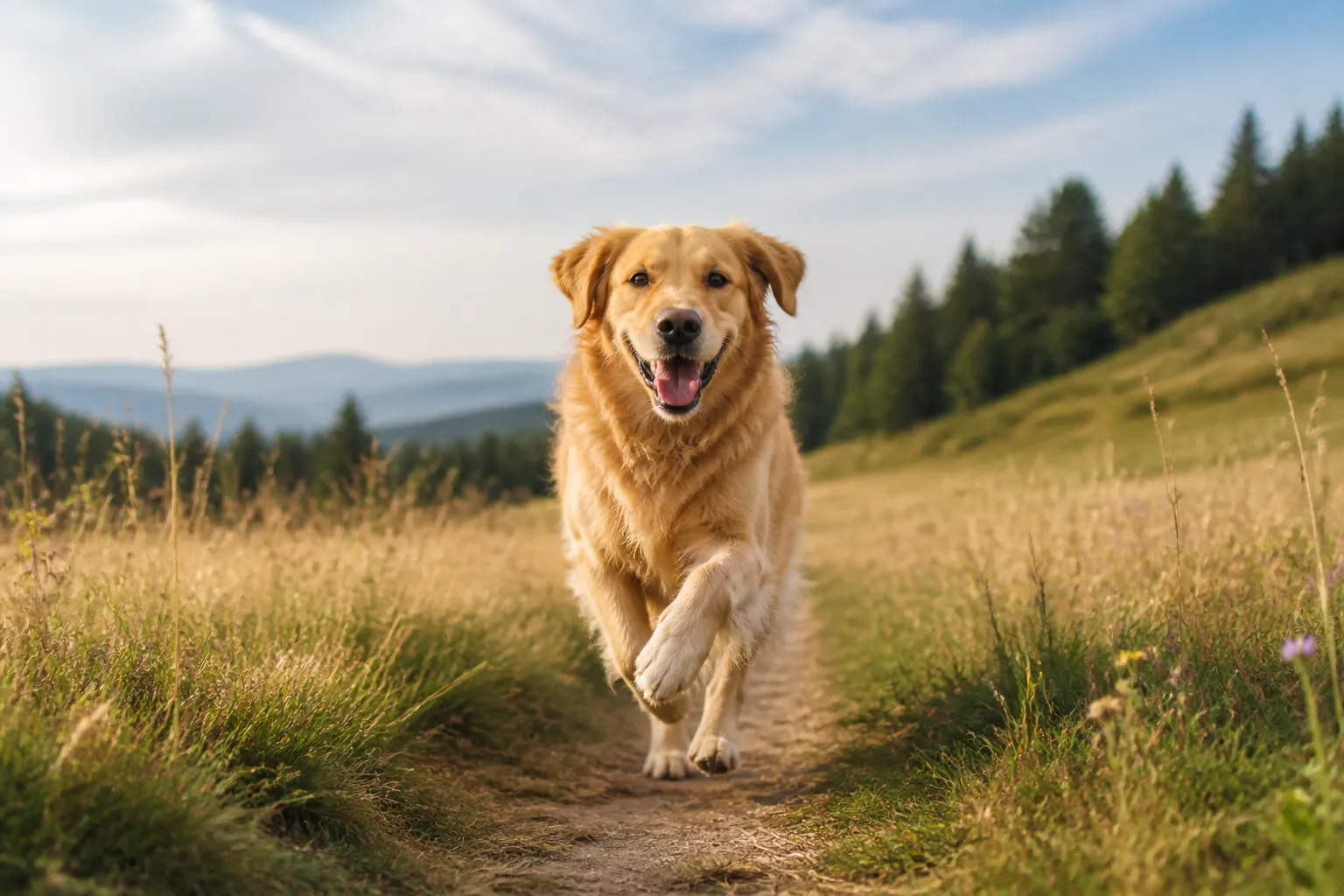
Stop the activity if your dog shows pain, weakness, breathing difficulty, or disorientation. Offer a calm, cool environment and contact a veterinarian when signs are concerning, severe, recurrent, or slow to resolve. Do not give human pain medication unless specifically instructed by a veterinary professional.
A dog can also become mentally over-aroused. Constant high-energy play may produce frantic behavior rather than calm satisfaction. Build in decompression, quiet chewing, rest, and predictable downtime. The goal is a dog that can engage and then settle.
Adjusting Exercise for Health Conditions
Health conditions change what is safe. Dogs with arthritis may benefit from controlled, low-impact movement, but the ideal amount depends on pain control, joint function, and veterinary assessment. Heart or lung disease may require carefully limited intensity. Dogs recovering from surgery, injury, or illness need an individualized rehabilitation plan.
Ask your veterinarian which signs should end a session, whether certain surfaces are preferable, and how quickly activity may increase. For some dogs, rehabilitation exercises, underwater treadmill work, or therapeutic swimming may be appropriate only under professional supervision. Never assume an activity is safe merely because it seems gentle.
Body condition deserves attention too. A very thin dog may lack the reserves for strenuous work, while an overweight dog needs gradual conditioning. Nutrition, rest, and hydration all influence exercise tolerance. Regular checkups help identify problems before a routine becomes harmful.
Matching Exercise to Your Schedule
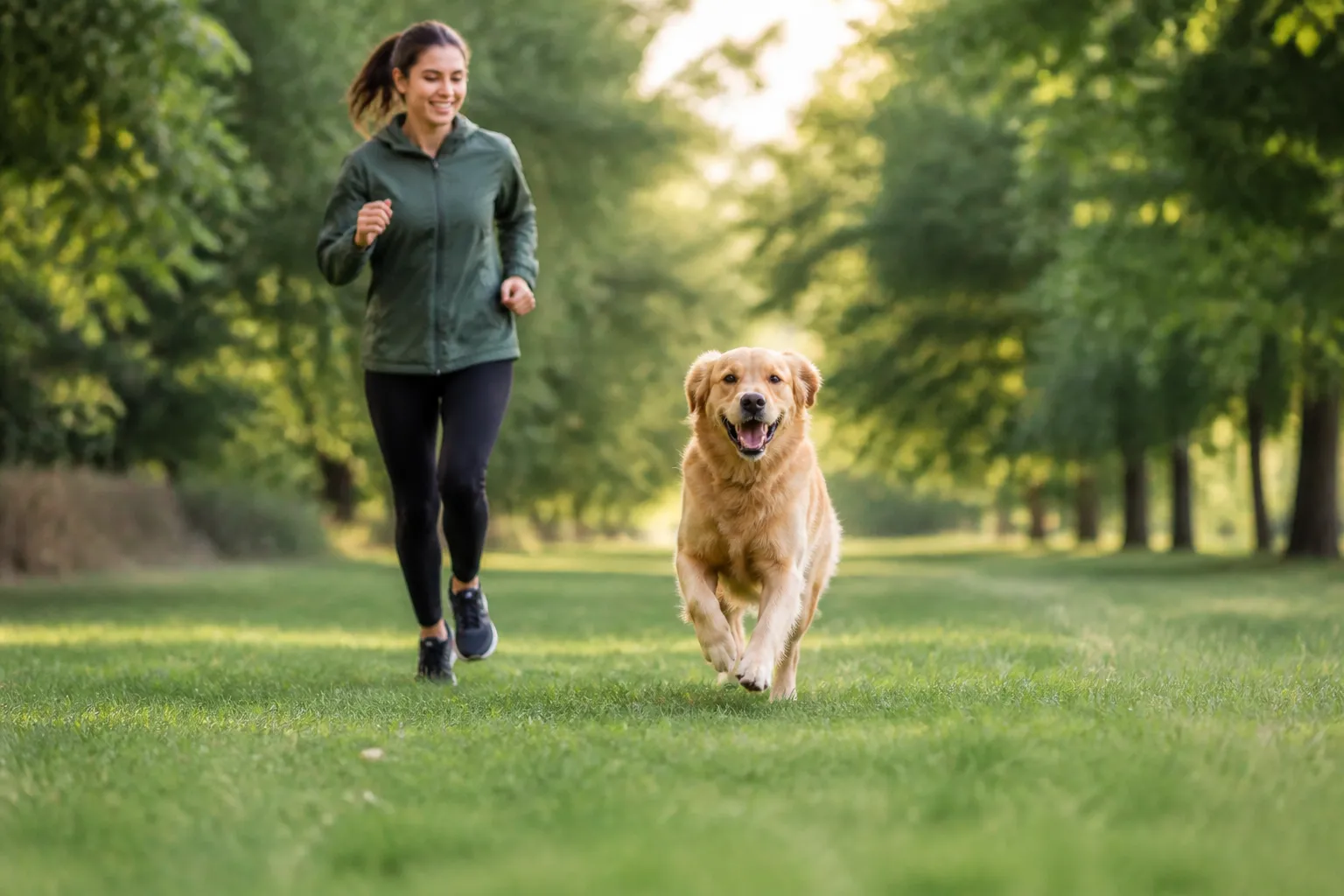
A realistic plan is more useful than an ambitious schedule you cannot maintain. If long walks are difficult, divide movement into shorter blocks. Add enrichment during household routines: practice sits while preparing food, hide treats for supervised searching, or invite calm tug play after work. A secure yard offers space, but it does not automatically provide exercise; many dogs simply wait for interaction.
Dog walkers, daycare, or supervised activity groups may help, but evaluate them carefully. Ask about staff supervision, group size, rest periods, emergency procedures, temperament matching, and heat management. Not every dog enjoys group play. A private walker or individual outing may be safer and more satisfying for a sensitive, elderly, reactive, or medically limited dog.
A Simple Weekly Planning Method
Start by recording your dog’s current activities for several days. Note duration, intensity, weather, surfaces, play style, and recovery afterward. Then identify one or two priorities: improving fitness, reducing boredom, supporting weight management, or maintaining mobility.
Plan varied sessions rather than repeating the same demanding activity. Include easy walks, moderate outings, mental work, free play, and rest. Increase only one variable at a time, such as duration or terrain. If recovery worsens, return to the previous comfortable level.
Use behavior as feedback. A suitable routine often produces relaxed sleep, steady appetite, willingness to move, and normal enthusiasm. It should not leave your dog persistently sore or unable to settle. Keep the plan flexible because weather, health, age, and household demands change.
Frequently Asked Questions
Is a thirty-minute walk enough for a dog?
It may be enough for some dogs and insufficient for others. Consider what happens during the walk, not only the clock. A calm sniffing outing may be enriching, while a hurried route may provide limited engagement. Add play or training if your dog remains restless, and reduce demands if recovery is poor.
Does a yard replace walks?
Usually, no. A yard permits movement, but walks provide changing smells, surfaces, sights, and opportunities for guided exploration. Some dogs exercise themselves outdoors, but many spend their time waiting at the door. Supervised interaction and varied enrichment remain important.
How much exercise does a high-energy dog need?
High-energy dogs often need a combination of aerobic movement, purposeful tasks, training, and rest. Increasing distance alone may build endurance without meeting their need for problem solving. Try retrieving with pauses, scent work, hiking suited to fitness, agility foundations taught safely, or structured training.
Can dogs exercise every day?
Most healthy dogs benefit from daily activity, but intensity should vary. Easy days can include gentle walking and mental enrichment, while harder sessions are followed by recovery. Puppies, seniors, and dogs with medical conditions may need more conservative schedules.
Should dogs exercise before or after eating?
Avoid strenuous activity immediately after a large meal, particularly for dogs at risk of stomach problems. A calm toilet walk may be different from vigorous running. Ask your veterinarian for advice based on your dog’s size, health, feeding routine, and activity.
How can I exercise my dog indoors?
Use short training sessions, hide-and-seek games, food puzzles, controlled tug, hallway recalls where safe, and scent searches. Remove slippery rugs and obstacles, prevent jumping from furniture, and supervise toys. Indoor activity should not involve repeated collisions or uncontrolled chasing.
What if my dog refuses to walk?
First check for pain, fear, heat, equipment discomfort, illness, or a frightening route. Do not drag the dog. Try shorter outings in a quiet location and reward voluntary movement. Persistent refusal warrants veterinary evaluation, especially if it appears suddenly.
Is dog daycare suitable for every dog?
No. Daycare may suit social, healthy dogs that enjoy group interaction, but it can overwhelm fearful, reactive, elderly, or easily overstimulated dogs. Ask how dogs are screened, grouped, rested, and supervised. A private activity may be better.
How do I know whether my dog is fit enough for hiking?
Fitness should be built gradually. Start with comfortable walks and increase distance, inclines, and uneven terrain separately. Carry water, check weather, protect paws, and learn local hazards. Dogs with health concerns should receive veterinary advice before strenuous outings.
Product Choices That Support Safe Activity
Useful equipment should improve control, comfort, visibility, or enrichment rather than encourage excessive exertion. A well-fitted harness may help distribute leash pressure, although fit and design matter. A standard leash offers reliable control in many settings; retractable leads require careful handling and are unsuitable near traffic or crowded areas.
Reflective accessories and lights can improve visibility in low light. Portable water containers support hydration during longer outings. Treat pouches, long-lasting chews, puzzle feeders, and scent-game supplies can add mental work at home. Choose durable, appropriately sized toys and supervise use, since no product is risk-free.
For warm conditions, prioritize shade, timing, water, and rest over cooling gadgets. Coats may help some dogs in cold weather, but they should never replace judgment about dangerous conditions. Equipment should fit the individual dog, and professional advice is sensible when mobility or breathing is limited.
Final Guidance
There is no universal exercise prescription for every dog. Start with your dog’s age, health, breed tendencies, temperament, fitness, and current routine. Offer regular movement, meaningful exploration, mental challenges, and adequate rest. Increase activity gradually, vary the experience, and treat signs of pain, overheating, or unusual fatigue seriously.
The most effective routine is one your dog enjoys and your household can maintain safely. A short, attentive walk may be more valuable than a forced marathon. When uncertainty remains, your veterinarian can help create an appropriate plan, while a qualified trainer or behavior professional can address stimulation, fear, or settling problems. By observing carefully and adjusting responsibly, you can provide exercise that strengthens your dog’s body, supports emotional health, and enriches everyday life.