
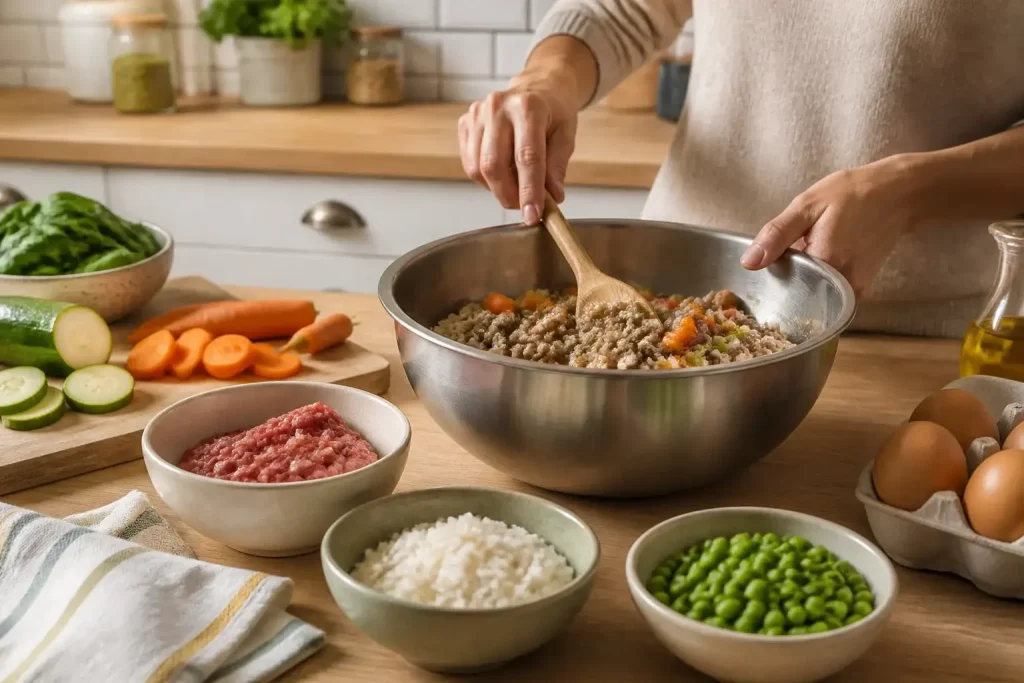
Homemade dog food can be a nourishing addition to your pet’s routine when it is prepared thoughtfully, portioned appropriately, and balanced over time. The best recipes use recognizable ingredients, controlled amounts of fat, and a dependable source of protein, while avoiding foods that can harm dogs. However, “homemade” does not automatically mean complete. Dogs need suitable amounts of protein, fat, carbohydrates, vitamins, minerals, and water, and their requirements vary with age, size, activity, medical history, and reproductive status.
This guide explains how to build safer homemade meals, presents adaptable recipes, and identifies situations requiring professional guidance. Use the recipes as general starting points rather than medical treatment or a guaranteed complete diet. If homemade food will replace commercial food, ask your veterinarian or a board-certified veterinary nutritionist to review the plan, especially for puppies, pregnant dogs, seniors, or pets with kidney, liver, pancreatic, gastrointestinal, urinary, or endocrine conditions.
Homemade Dog Food Recipes: What Makes Homemade Dog Food Suitable?
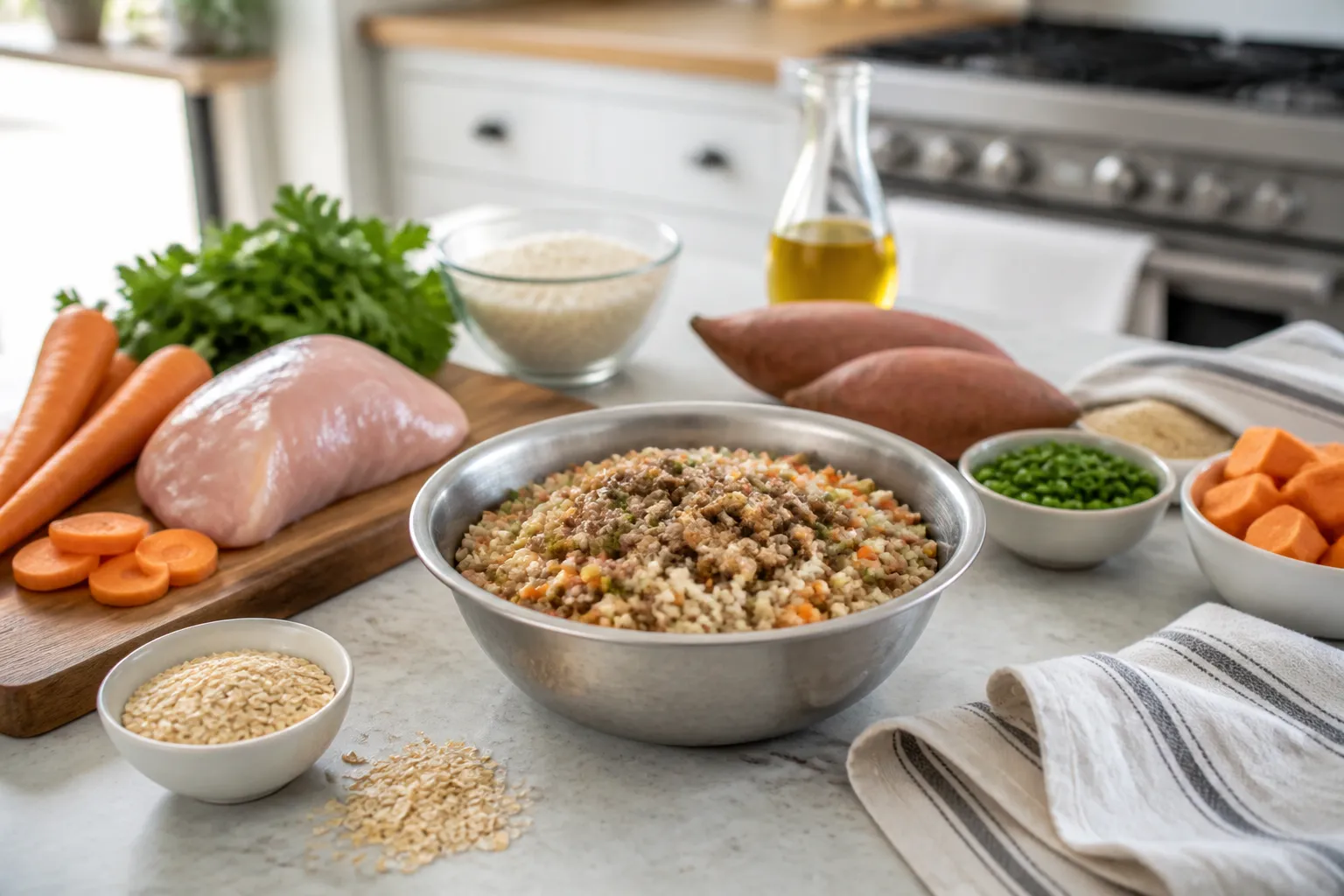
A sensible homemade meal usually combines a plainly cooked animal protein, a digestible carbohydrate, vegetables, and a measured source of essential nutrients. Chicken, turkey, lean beef, eggs, and some fish can provide protein. Rice, oats, potatoes, and sweet potatoes supply energy. Green beans, carrots, pumpkin, and zucchini can add fiber and variety.
The exact combination matters less than nutritional balance. Meat alone is not a complete diet because it can provide too much phosphorus and too little calcium. Large amounts of liver may cause excessive vitamin A, while excessive fat can trigger digestive upset and may be dangerous for dogs prone to pancreatitis. Calcium, iodine, zinc, copper, vitamin D, and certain fatty acids are also easy to miss.
For that reason, a long-term recipe commonly needs a veterinary-formulated supplement. Do not substitute a human multivitamin, because its ingredients and doses may not suit dogs. Follow the label or professional recipe precisely, and never add supplements casually when a dog already eats a complete commercial diet.
Ingredients to Avoid
Some everyday kitchen ingredients are unsafe for dogs. Never include onions, garlic, leeks, or chives, whether raw, cooked, dried, or powdered. Avoid grapes, raisins, chocolate, xylitol, alcohol, macadamia nuts, and caffeinated drinks. Cooked bones can splinter, while raw bones carry injury and contamination risks. Remove bones from meat and fish before serving.
Limit salty sauces, seasoning blends, butter, cream, and fried ingredients. Nutmeg and heavily spiced foods are unnecessary. Fat trimmings can cause vomiting or diarrhea and may contribute to pancreatitis. Do not use moldy food, spoiled leftovers, or dough containing yeast.
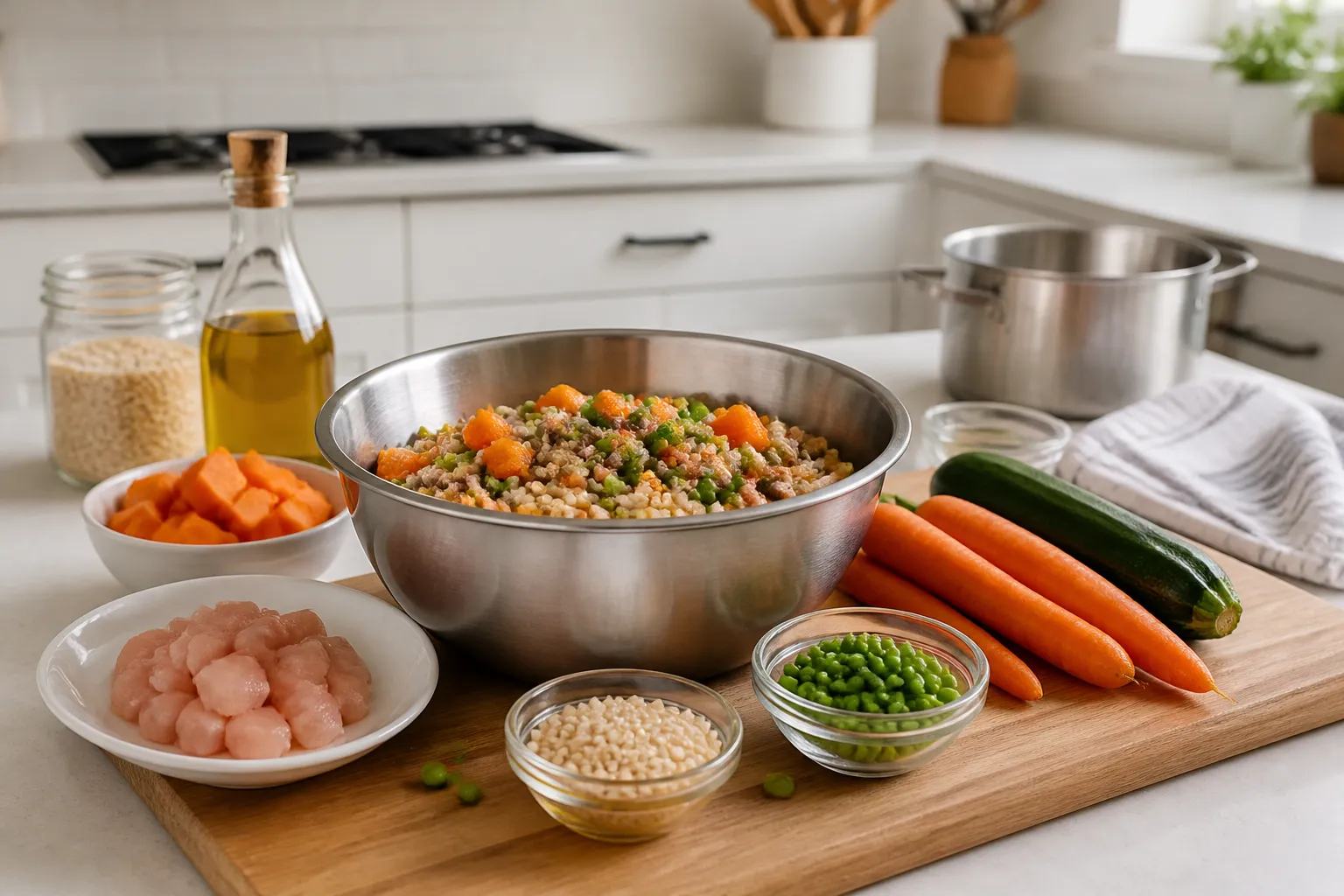
A safe recipe is deliberately plain. Dogs do not need sauces to enjoy food, and simple preparation makes it easier to identify an ingredient if an intolerance develops. Introduce each new recipe gradually, mixing a small amount with familiar food over several days. Watch for vomiting, diarrhea, itching, ear problems, or reduced appetite.
Recipe One: Turkey, Rice, and Vegetable Bowl
This mild recipe is useful for occasional variety or as a component of a professionally balanced plan. It is not automatically complete for long-term feeding.
Ingredients
Use cooked, skinless ground turkey or chopped turkey, plain cooked white or brown rice, carrots, green beans, and a small amount of pumpkin puree made without sugar or spices. Choose lean turkey and drain excess fat after cooking. Prepare every ingredient without onion, garlic, salt, stock cubes, butter, or seasoning.
Method
Cook the turkey thoroughly in a pan, breaking it into small pieces. Steam or boil the vegetables until soft. Combine the turkey, rice, vegetables, and pumpkin after they have cooled to a safe serving temperature. Remove any bone, cartilage, or unusually hard pieces.
Begin with a modest portion alongside the dog’s usual food. If digestion remains normal, increase gradually according to your veterinarian’s feeding guidance. Refrigerate unused food promptly in a covered container and serve it within a period recommended for safely stored cooked food. Freeze individual portions if preparation exceeds a few days.
Pumpkin may help some dogs produce firmer stools, but it is not a cure for persistent diarrhea. Contact a veterinarian when gastrointestinal signs are severe, recurrent, or accompanied by weakness, blood, pain, fever, dehydration, or refusal to drink.
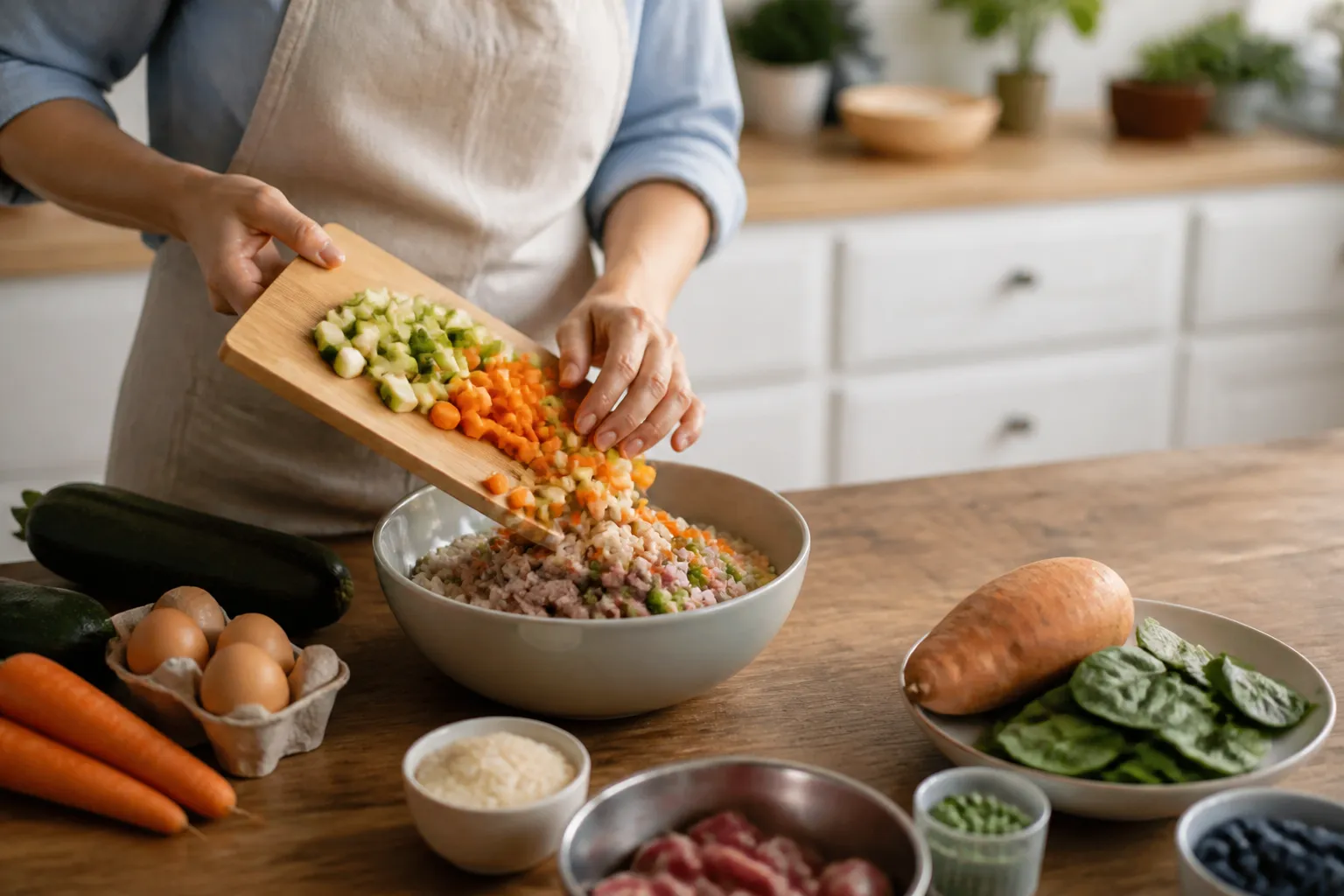
Recipe Two: Beef, Potato, and Green Bean Meal
Lean beef can provide variety, while potatoes and green beans create a filling combination. Select lean minced beef, remove visible fat, and cook it thoroughly. Boiled potato should be plain and fully soft; never serve raw potato, green potato, or potato seasoned with onion, garlic, or rich gravy.
Preparation
Brown the beef in a pan without oil or spices. Drain excess fat. Boil peeled potatoes until tender, then mash them with warm water rather than milk, cream, or butter. Steam green beans and chop them into manageable pieces. Mix the components after cooling.
This meal is especially easy to portion because the ingredients remain visibly distinct. That makes it practical for owners monitoring appetite, stool quality, or reactions to specific foods. Nevertheless, it should not become the sole diet indefinitely unless a qualified professional has balanced it with the necessary supplements.
Dogs differ greatly in energy needs. A sedentary small dog may require much less food than a growing, athletic, or working dog. Body condition is more useful than a fixed scoop size: ribs should be easy to feel without excessive fat covering, and the waist should remain visible from above. Ask your veterinarian to assess your dog rather than relying on internet portion charts alone.
Recipe Three: Fish, Oats, and Pumpkin
Cooked fish can offer protein and beneficial fatty acids, although the type and amount matter. Use a low-mercury fish approved by your veterinarian, such as a plain, thoroughly cooked fillet. Inspect it carefully for bones before flaking. Do not use smoked, salted, battered, or canned fish preserved in sauces.
Cook plain oats in water until soft. Add pumpkin puree and a small quantity of cooked fish. This mixture can be gentle for some dogs, but individual tolerance varies. Fish allergies are possible, and pumpkin does not suit every digestive system. Introduce it slowly and stop if symptoms appear.
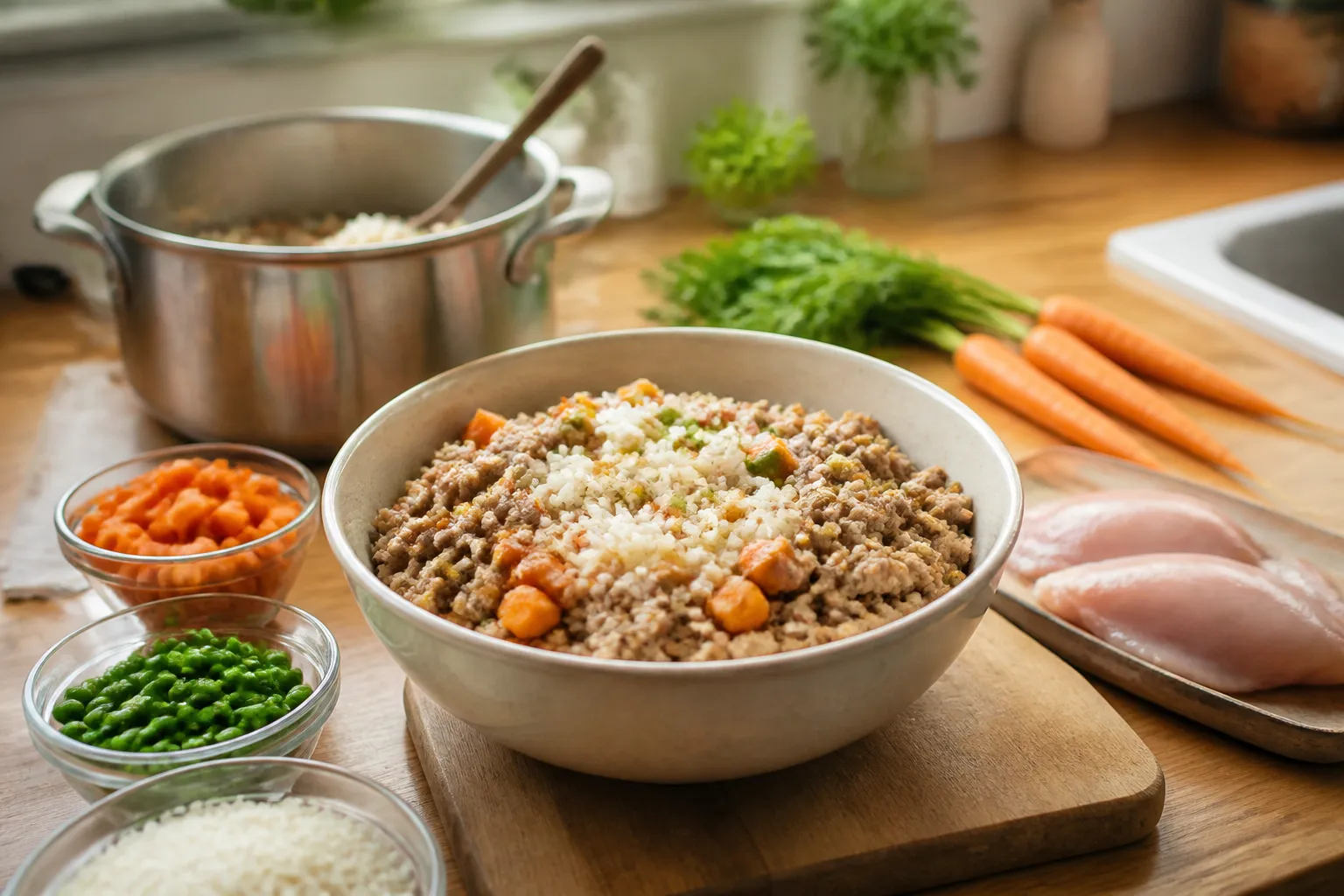
A homemade fish meal is not a substitute for an omega-three supplement prescribed or selected with professional advice. Fatty acids can be useful, but supplements vary in concentration and purity, and too much fat may cause problems. Your veterinarian can help decide whether a supplement is appropriate and how it fits into the entire diet.
Recipe Four: Egg, Chicken, and Sweet Potato Patties
Eggs are a convenient protein source for many dogs when fully cooked. Combine cooked, unseasoned chicken with hard-boiled egg, mashed sweet potato, and finely chopped zucchini. Form small patties and bake them on a plain tray until firm. Do not add breadcrumbs containing onion powder, cheese, salt, or cooking oil.
Allow the patties to cool completely before serving. Break them into pieces appropriate for the dog’s size. The recipe works well as a topper or training-food alternative, but its concentrated calories can become significant if portions are generous. Count treats, toppers, and chews as part of the daily intake.
Avoid feeding raw egg if your veterinarian has advised against it, particularly when the dog has health vulnerabilities. Thorough cooking reduces food safety concerns. Wash hands, utensils, and surfaces after handling raw poultry and eggs, and keep raw ingredients separate from ready-to-eat foods.
Building a Balanced Weekly Plan
Variety is appealing, but changing proteins and recipes constantly can make digestive reactions difficult to interpret. A better approach is to select one or two tolerated recipes, introduce changes gradually, and record ingredients, portions, stool quality, skin signs, energy, and body weight. A simple food diary often reveals patterns more clearly than memory.
For a complete homemade diet, request a recipe calculated for your individual dog. A professional formulation should account for calories, protein, fat, calcium, phosphorus, essential fatty acids, vitamins, minerals, and any medical restrictions. Follow the formula with a kitchen scale rather than estimating cups or handfuls. Ingredient substitutions can change nutrient concentrations substantially.
Do not assume that adding a calcium source makes a recipe complete. Calcium products differ in concentration, and the correct amount depends on the whole recipe. Likewise, liver, kelp, brewer’s yeast, and fish oil are not universal solutions for every nutritional gap. More is not necessarily safer.
Puppies require particularly careful mineral and calorie management because growth involves developing bones and organs. Large-breed puppies may have special needs. Pregnant or nursing dogs also need individualized feeding plans. Senior dogs can have reduced energy needs but may require attention to muscle maintenance, dental comfort, hydration, or chronic disease. These life stages justify professional review.
Portioning, Storage, and Food Safety
Start with your veterinarian’s calorie recommendation, then divide the daily amount into meals suited to your dog’s age, routine, and digestion. Some dogs do well with two meals, while others need smaller, more frequent servings. Avoid abrupt increases, because even healthy ingredients can cause loose stools when introduced too quickly.
Weigh ingredients before or after cooking consistently, depending on the recipe’s instructions. Cooking changes water content, so a cup of raw meat and a cup of cooked meat do not provide identical calories. A digital kitchen scale improves repeatability and helps you notice accidental drift in portions.
Cool cooked food promptly, store it covered, and keep it separate from raw ingredients. Reheat only the portion being served, and avoid repeatedly warming the entire batch. Discard food that smells unusual, develops mold, or has been left in unsafe conditions. When uncertain, throw it away rather than risking illness.
Clean bowls daily, particularly when meals contain meat, eggs, or fish. Wash hands before and after preparation. Children should not handle pet food unsupervised. These habits protect both dogs and people in the household.
Transitioning From Commercial Food
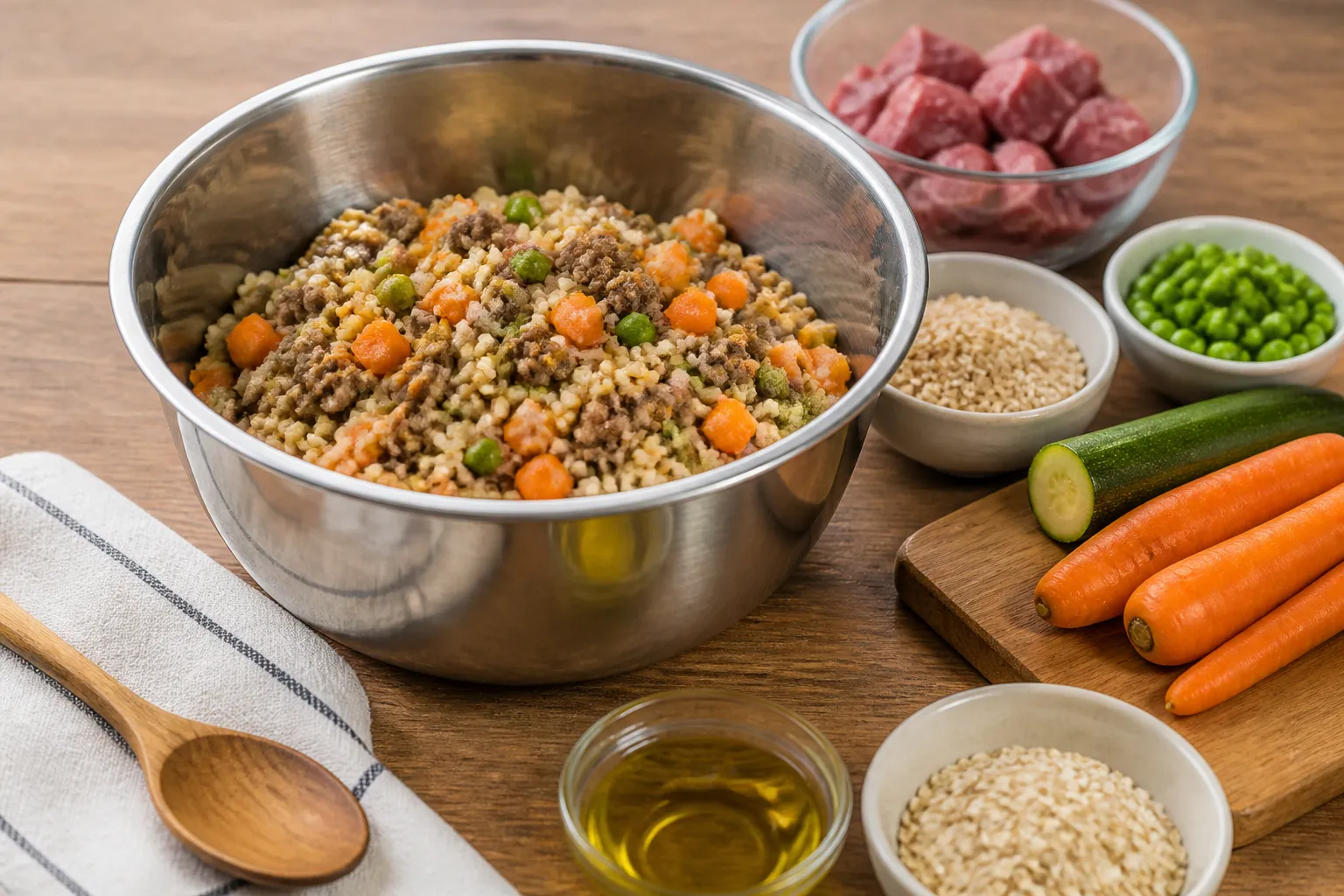
A gradual transition is usually more comfortable than replacing the old diet overnight. Begin with a small proportion of the homemade food mixed into the usual meal. Increase that proportion slowly while observing appetite, stool consistency, gas, vomiting, itching, and energy. If symptoms appear, pause the transition and contact a veterinarian when signs persist or seem serious.
Some dogs accept warm, moist food immediately; others prefer familiar texture. Do not pressure a reluctant dog to eat. Appetite loss can indicate illness, dental pain, stress, or nausea rather than simple pickiness. A dog that refuses multiple meals, appears painful, or becomes lethargic needs timely veterinary advice.
If your dog takes medication, ask whether food affects absorption or timing. Certain diets and supplements may also interact with medical conditions. Keep your veterinarian informed about every treat, chew, supplement, and table scrap, not just the main recipe.
When Homemade Food Is Not the Best Choice
Homemade feeding demands planning, shopping, preparation, storage, and accurate supplementation. Commercial diets labeled complete and balanced under the relevant regulatory framework can be more practical for families who cannot maintain a precise recipe. Convenience is not a failure; consistency and nutritional adequacy matter more than the appearance of the bowl.
A mixed approach may suit some households: a complete commercial food as the foundation, with carefully limited homemade toppers. Keep toppers modest enough that they do not unbalance the diet or displace essential nutrients. Discuss the proportion with your veterinarian, especially if your dog has a therapeutic diet.
Homemade food should not be used to manage a diagnosed condition without professional direction. A recipe designed for a healthy dog may be inappropriate for kidney disease, urinary crystals, diabetes, food allergy trials, pancreatitis, or gastrointestinal disease. Prescription diets are formulated for specific nutritional goals, and casual substitutions can undermine treatment.
Frequently Asked Questions
Can dogs eat homemade food every day?
They can, but daily feeding requires a recipe that is nutritionally complete for the individual dog. Meat, rice, and vegetables alone usually do not supply every required nutrient. Obtain a properly calculated formulation and follow its ingredients, measurements, cooking instructions, and supplement directions accurately.
Is chicken and rice a complete diet?
Usually not. Chicken and rice can be useful as a short-term bland meal under veterinary guidance, but it lacks several nutrients when fed alone for extended periods. Bland diets also do not treat the underlying cause of persistent vomiting or diarrhea. Seek veterinary advice when symptoms continue.
How much homemade food should I feed?
There is no universally correct volume. Calorie density, cooking method, body size, age, activity, neuter status, and health all affect requirements. Begin with professional guidance, monitor body condition, and adjust gradually. Weighing food and recording weight trends are more reliable than guessing.
Can I use leftovers?
Only if they are fresh, plain, and free of unsafe ingredients. Avoid leftovers containing onion, garlic, rich sauces, bones, excessive fat, grapes, raisins, chocolate, or artificial sweeteners. Human leftovers can also add too many calories. When ingredients are uncertain, do not serve them.
Should vegetables be raw or cooked?
Many dogs digest vegetables more comfortably when they are cooked and chopped. Cooking softens texture and can improve practical digestibility. Raw vegetables are not automatically dangerous, but large pieces may create choking risks or pass through largely undigested. Select preparation based on your dog’s tolerance and size.
Are supplements necessary?
They may be necessary when homemade food replaces a complete diet, but the correct product and dose depend on the formulation. Never assume a general multivitamin fills every gap. A veterinary nutritionist can identify missing nutrients and select a suitable supplement without creating harmful excesses.
Can I feed homemade food to a puppy?
Do not use an unbalanced adult recipe for a puppy. Growth requires carefully controlled energy and mineral nutrition, and errors can affect development. Ask a veterinarian for a puppy-specific plan, particularly for a large-breed puppy or one with unusual growth, appetite, or digestive concerns.
What symptoms mean I should stop a recipe?
Stop and seek advice for repeated vomiting, severe diarrhea, blood, facial swelling, breathing difficulty, marked itching, collapse, abdominal pain, dehydration, or refusal to eat. Mild stool changes may follow a transition, but persistent or worsening signs deserve professional assessment rather than repeated recipe experimentation.
Practical Shopping Checklist
Before preparing a batch, check that you have a lean protein, a measured carbohydrate, suitable vegetables, clean storage containers, and a reliable kitchen scale. If the recipe is intended as a complete diet, also confirm the exact veterinary supplement and serving instructions. Read labels carefully: broths, canned ingredients, and seasoning products often contain sodium, onion, garlic, or sweeteners.
Choose ingredients that are fresh and easy to replace consistently. Consistency matters because changing brands, cuts, and cooking methods can alter calories and nutrient content. Keep a written recipe beside the preparation area. Mark the batch date and portion size on containers, and retain the original supplement label for reference.
If budget or time is limited, prepare several measured portions at once and freeze them. Thaw food safely in the refrigerator rather than leaving it on a counter. Planning reduces the temptation to improvise with unsafe leftovers or skip the balanced supplement.
Conclusion
Homemade dog food recipes can add freshness, variety, and control to a dog’s meals, but good intentions must be matched by nutritional precision. Start with plainly cooked ingredients, avoid toxic foods, introduce changes gradually, measure portions, and practice careful storage. Most importantly, distinguish an occasional topper from a complete daily diet.
The safest long-term plan is one designed for your dog’s age, size, activity, and health by a veterinarian or qualified veterinary nutritionist. Use the recipes in this guide as flexible examples, not universal prescriptions. Observe your dog’s weight, appetite, stools, skin, coat, energy, and comfort, and respond promptly to meaningful changes. With professional guidance and consistent preparation, homemade meals can complement responsible care while keeping your pet’s nutritional needs at the center of every bowl.