
Anxiety Relief For Dogs: Understanding Anxiety in Dogs
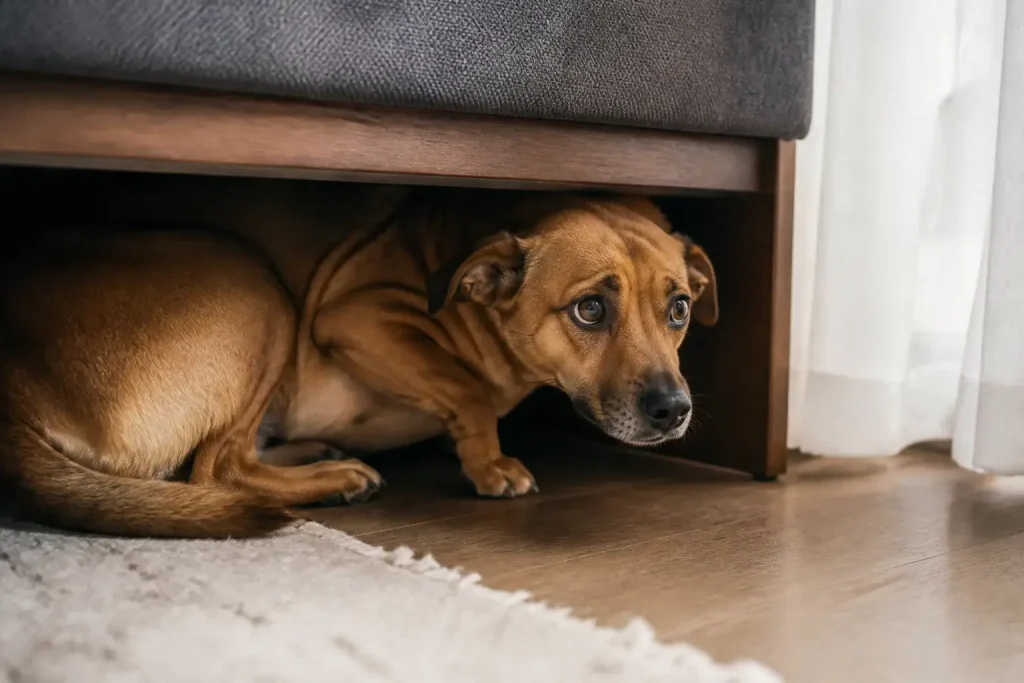
Anxiety relief for dogs begins with understanding what fear looks like and why it happens. A worried dog may pace, pant, tremble, bark, hide, drool, lick excessively, destroy furniture, refuse food, or follow a person constantly. Some dogs become unusually quiet rather than visibly agitated. These behaviors are signals, not stubbornness or spite. Treating them as misbehavior can increase fear and weaken trust.
Common triggers include separation, thunderstorms, fireworks, travel, unfamiliar visitors, grooming, veterinary appointments, construction noise, pain, illness, and changes in household routine. A dog can also develop anxiety after a frightening event, inadequate early socialization, or repeated exposure to something overwhelming. Aging dogs may experience confusion or sensory changes that appear as nervousness. Because causes differ, the most effective plan starts with observation and, when needed, professional assessment.
A useful first step is keeping a simple diary. Record the trigger, early warning signs, intensity, duration, environment, and what helped. Look for patterns: Does distress begin when keys are picked up, during heavy rain, or after sunset? Early signs may include yawning, lip licking, turning away, tucked ears, lowered posture, or seeking distance. Recognizing these signals lets you intervene before panic escalates.
Build a Calm, Predictable Environment
Dogs generally cope better when daily life is understandable. Feed, walk, rest, and play at reasonably consistent times, while allowing flexibility for ordinary changes. Predictability is not a rigid schedule; it is a pattern your dog can recognize. Provide a quiet retreat containing a comfortable bed, familiar blanket, water, and safe chew. Never use this area as punishment. It should remain available whenever the dog chooses to rest.
Reduce unnecessary stimulation. Close curtains during frightening visual events, use soft background sound to mask sudden noises, and position the retreat away from busy hallways or windows. During storms, some dogs prefer an interior room, while others feel safer near their guardian. Let behavior guide the arrangement rather than forcing a single solution.
Physical comfort matters. Ensure the dog is not too hot, cold, hungry, thirsty, or overdue for a bathroom break. Gentle exercise and sniffing opportunities can support emotional regulation, but intense exercise is not a cure for every anxious dog. A fearful dog may become more exhausted without becoming calmer. Choose activity appropriate to age, health, and the trigger.
Training Strategies That Reduce Fear
Training works best when it changes the dog’s emotional response, not merely the outward behavior. Desensitization means presenting a trigger at a low enough intensity that the dog remains able to eat, think, and respond. Counterconditioning pairs that manageable exposure with something valuable, such as small treats, play, or calm praise.
Suppose a dog fears the doorbell. Begin with a recording played so quietly that the dog notices but stays relaxed. Immediately offer a treat, then stop the sound. Repeat brief sessions, gradually increasing volume only while the dog remains comfortable. If the dog pants, bolts, refuses food, or reacts intensely, the step is too difficult. Lower the volume, increase distance, shorten the session, or pause.
For separation-related distress, practice tiny absences. Step away for a few seconds, return before panic, and reward relaxed behavior. Increase duration slowly and vary it so the dog does not learn that a specific countdown predicts departure. Avoid dramatic greetings and goodbyes. A camera can help reveal whether the dog settles, vocalizes continuously, or becomes distressed immediately after departure.
Reward calm choices throughout the day. When your dog lies quietly, looks at a trigger and then turns away, or settles on a mat, deliver reinforcement without creating excitement. Teach useful cues such as “mat,” “touch,” or “find it” in easy settings first. These skills provide an alternative behavior, but they should not be used to force a frightened dog closer to a trigger.
Preventing Training Setbacks
Flooding, or exposing a dog to an overwhelming trigger until it stops reacting, can intensify fear and teach helplessness. Punishment, leash corrections, shouting, and forced handling can also make people or situations seem more threatening. Progress is rarely linear. A stressful day, illness, poor sleep, or an unusually intense trigger may cause temporary regression. Return to an easier stage rather than abandoning the plan.

Work below the dog’s threshold: the point beyond which the animal can no longer process information. Training sessions should be short, repeatable, and easy enough to end successfully. A qualified positive-reinforcement trainer or veterinary behaviorist can design a careful program, especially when anxiety involves aggression, self-injury, or severe avoidance.
Helpful Products and How to Choose Them
Products can support a behavior plan, but no single item reliably resolves every form of anxiety. The best choice depends on the trigger, the dog’s preferences, fit, safety, and how the product is introduced.
A pressure shirt may help some dogs feel contained during predictable events. It should fit comfortably, allow normal breathing and movement, and never be left on unsupervised if the dog chews fabric, overheats, or shows distress. Introduce it during calm moments with treats. Do not put it on for the first time during fireworks and assume it will work immediately.
A secure crate can provide a den-like retreat for dogs already comfortable with crate training. It is not appropriate to confine a dog who panics in a crate, attempts escape, or risks injury. A gated room or open bed area may be safer. Check latches, ventilation, bedding, and nearby objects before leaving the dog alone.
Pheromone diffusers and collars are marketed as calming aids. Some dogs may respond, while others show little change. Treat them as optional supports, not guaranteed solutions. Choose products designed for dogs, follow label directions, and monitor for irritation or altered behavior.

Calming chews and supplements require particular caution. Ingredients can vary, labels may not establish consistent effectiveness, and natural does not automatically mean harmless. A supplement may interact with medication or be unsuitable for a dog with liver, kidney, digestive, pregnancy, or other health concerns. Ask a veterinarian before using one, and avoid human products unless a professional specifically approves them.
White-noise machines, blackout curtains, food puzzles, lick mats, and durable chews can enrich the environment. Food-based tools should match the dog’s diet and chewing style, and they should be supervised when appropriate. A product is valuable when it improves safety and relaxation without creating a new risk.
Veterinary Care and Medication
Schedule a veterinary examination when anxiety is new, worsening, unusually intense, or accompanied by pain, appetite changes, sleep disruption, house-soiling, confusion, or altered movement. Medical problems can produce or amplify fear. Hearing loss, skin discomfort, gastrointestinal disease, neurological conditions, and pain deserve consideration. A diagnosis should precede treatment decisions whenever possible.
For severe anxiety, a veterinarian may recommend medication alongside environmental changes and training. Some medicines are used regularly to lower baseline anxiety; others may be prescribed for predictable events. The correct choice depends on health history, age, other drugs, timing, and the individual response. Follow instructions exactly, observe effects, and report concerning changes promptly. Never share medication, adjust a dose independently, or use sedatives intended for people.
Medication is not a shortcut that replaces learning. It may lower panic enough for a dog to eat, notice the environment, and participate in gradual training. Conversely, a heavily sedated dog may look quiet without feeling emotionally comfortable. Ask what improvement should look like, how long assessment may take, and what follow-up is required. Keep a written list of all prescriptions, supplements, and preventatives.

Recognizing an Emergency
Seek urgent veterinary advice if a dog injures itself trying to escape, cannot settle, has trouble breathing, collapses, ingests a potentially dangerous substance, or shows sudden severe behavioral change. During an immediate crisis, move hazards away, reduce noise, and keep people, children, and other animals at a safe distance. Do not corner, hug, restrain, or reach toward a frightened dog unless necessary for immediate safety.
A Practical Daily Plan
Start by identifying one priority trigger and one realistic goal. For example, the goal might be remaining relaxed while a person picks up keys, not tolerating a full day alone. Prepare high-value treats, a quiet retreat, and a simple way to measure behavior. A short video can help you and your professional evaluate body language accurately.
Practice when the dog is calm, not only during emergencies. Spend a few minutes reinforcing mat settling, hand targeting, name response, and calm observation. Add enrichment through sniff walks, scatter feeding, puzzle toys, and gentle play. Rotate activities to prevent frustration, and allow adequate sleep. Puppies, older dogs, and dogs recovering from illness may need different activity levels.
When a trigger appears, create distance and lower intensity immediately. Close a door, move to another room, increase space outdoors, or use sound masking. Offer food only if the dog can eat comfortably. If the dog cannot, prioritize safety and retreat rather than insisting on training. Afterward, provide rest; repeated exposure while overwhelmed can make future sessions harder.
Review progress weekly. Useful measures include recovery time, distance from the trigger, ability to eat, frequency of panic behaviors, and successful calm periods. Improvement may mean recovery is faster even if the dog still reacts. Celebrate small gains and adjust one variable at a time. If progress stalls, seek professional guidance rather than escalating pressure.
Frequently Asked Questions
What is the fastest way to calm an anxious dog?
Remove or reduce the trigger, provide distance, lower household noise, and guide the dog toward a familiar safe area. Speak softly and move predictably. Do not force contact or demand obedience. If the dog is in severe distress, contact a veterinarian for advice. Immediate calming is different from long-term treatment, which requires identifying causes and building coping skills.
Should I comfort my dog when it is afraid?
Calm, gentle support does not reward fear in the simplistic way people sometimes assume. You may sit nearby, offer a quiet voice, or provide access to a retreat. Avoid frantic attention, forced cuddling, or trapping the dog in an embrace. Follow the dog’s preference for closeness or space, and reinforce relaxed behavior when it appears.
Do calming treats work?
They may help some dogs, but results depend on ingredients, anxiety type, dose, health, and product quality. Evidence and formulation can vary. Discuss any supplement with a veterinarian, especially if your dog receives medication or has a medical condition. Never use a chew as the only response to severe anxiety.
Can exercise cure anxiety?
Exercise can support sleep, physical health, and emotional balance, but it is not a universal cure. Too much stimulating activity may increase arousal, and fearful dogs may find busy environments overwhelming. Choose calm, age-appropriate movement and combine it with management, training, enrichment, and medical care when indicated.
When should I hire a professional?
Seek help when anxiety interferes with eating, sleep, safety, learning, daily routines, or relationships; when aggression appears; or when your efforts produce little improvement. A veterinarian can assess health and medication options. A credentialed positive-reinforcement trainer can help with practical skills, while a veterinary behaviorist is appropriate for complex or severe cases.
How long does improvement take?
There is no reliable universal timetable. Mild, recent fear may improve with careful management, while longstanding separation distress or noise phobia may require a sustained plan. Progress depends on trigger intensity, consistency, health, genetics, environment, and the dog’s ability to remain below threshold. Measure gradual changes rather than expecting instant transformation.
Conclusion
Effective anxiety relief for dogs combines compassion with a structured plan. Start by identifying triggers, protecting the dog from overwhelming exposure, and arranging a predictable, comfortable environment. Teach alternative responses through gradual desensitization and positive reinforcement. Use products as optional supports, not substitutes for training or veterinary care, and treat supplements and medication with professional caution.
The most persuasive reason to act thoughtfully is practical: a dog that feels safer can learn, rest, eat, and participate more fully in family life. Watch body language, respect boundaries, and reward small successes. If distress is severe, sudden, persistent, or dangerous, involve a veterinarian and qualified behavior professional. With patient management and individualized support, many dogs can develop stronger coping skills and experience a calmer daily life.