Canine sports offer an engaging way to exercise a dog’s body, challenge its mind, and strengthen communication between dog and handler. The best activity is not necessarily the fastest or most competitive option. It is the sport that matches your dog’s physical structure, temperament, motivation, age, and health while remaining enjoyable for both of you. Agility, scent work, dock diving, rally, obedience, herding, canine freestyle, flyball, tracking, and weight-pull activities each provide different demands and rewards.
A thoughtful introduction begins with a veterinary health check, realistic goals, suitable equipment, and patient training. Dogs should learn skills gradually, warm up before strenuous work, rest adequately, and stop when discomfort, fear, or exhaustion appears. Competition can be rewarding, but it should remain secondary to safety and a positive relationship. With that foundation, canine sports become more than recreational games: they become structured opportunities for learning, confidence, fitness, and shared achievement.
Why Canine Sports Matter
Many companion dogs need more than a short walk around the block. Physical movement helps maintain healthy body condition, while problem solving and purposeful interaction can reduce boredom. Sports provide both forms of enrichment. A dog may sprint through a course, locate hidden odors, respond to precise cues, or balance carefully on equipment. Each task asks the animal to think, communicate, and make choices.
Training also reveals a dog’s individual preferences. Some dogs love speed and jumping. Others prefer careful searching, retrieving, swimming, or working closely beside a person. Recognizing those differences prevents unnecessary frustration. A naturally cautious dog may flourish in scent work, where concentration matters more than loud competition. A socially enthusiastic dog may enjoy rally or flyball, provided arousal remains manageable.
The handler benefits as well. Sports teach people to observe body language, reward useful behavior, adjust difficulty, and practice consistently. These skills transfer into ordinary life. A dog that learns to focus around distractions during rally training may become easier to manage on walks. A dog practicing a calm start line may improve impulse control at doors, gates, and feeding areas.
Sport is not a cure for every behavioral concern. Anxiety, aggression, pain, or severe reactivity require individualized guidance from qualified professionals. Competition environments can intensify stress for some animals. The goal should be better welfare, not simply a ribbon or impressive video.
Choosing the Right Activity
Start with your dog rather than with a fashionable sport. Consider age, previous injuries, weight, breathing ability, joint health, confidence, motivation, and recovery after exercise. A veterinarian can help identify restrictions, especially before jumping, repetitive sprinting, swimming, or heavy resistance work. Puppies need age appropriate training and careful control of impact while their bodies develop. Older dogs may still enjoy sports, but lower-impact variations and shorter sessions are often wiser.
Breed heritage can offer clues without dictating a decision. Retrievers may enjoy retrieving and dock diving, herding breeds often appreciate directional tasks, and scent hounds may excel at searching. Mixed-breed dogs can succeed in any suitable activity. Individual personality matters more than labels.
Think about your own circumstances. Do you have access to a safe field, indoor training center, pool, water area, or trial club? Can you practice several short sessions weekly? Are travel, entry fees, grooming, equipment, or weather limitations relevant? A sport requiring specialized facilities may be exciting but impractical. Another activity may provide equal enrichment in your home or local park.
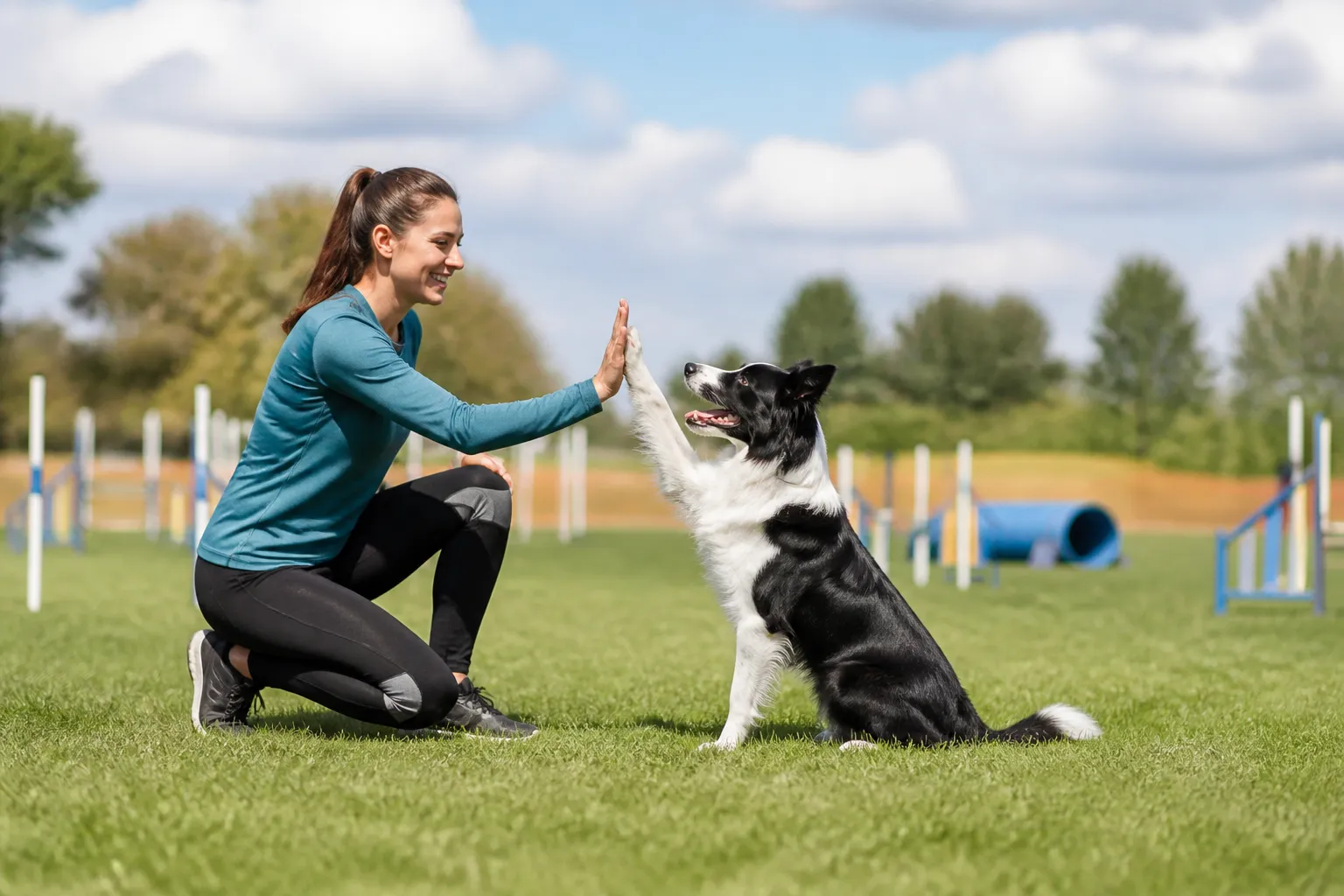
Try introductory classes before purchasing extensive equipment. A responsible instructor should explain risks, demonstrate humane methods, and welcome questions. Observe whether dogs appear relaxed, engaged, and physically comfortable. Avoid trainers who promise rapid results, rely on intimidation, ignore pain signals, or pressure handlers to continue when a dog is distressed.
Matching Motivation to Sport
Identify what your dog finds rewarding. Food motivation supports many precision and scent activities. Toys can make retrieving, agility, and flyball exciting. Social interaction may be enough for obedience or freestyle. Some dogs work for movement itself, while others need frequent reinforcement. A good coach helps you build motivation without creating frantic behavior.
Also assess environmental tolerance. A dog that struggles around crowds may begin with private lessons, quiet practice, or online instruction followed by controlled exposure. A dog that becomes overexcited near other animals may need distance, barriers, and carefully planned greetings. Sports should develop confidence, not force a dog into an overwhelming setting.
Agility
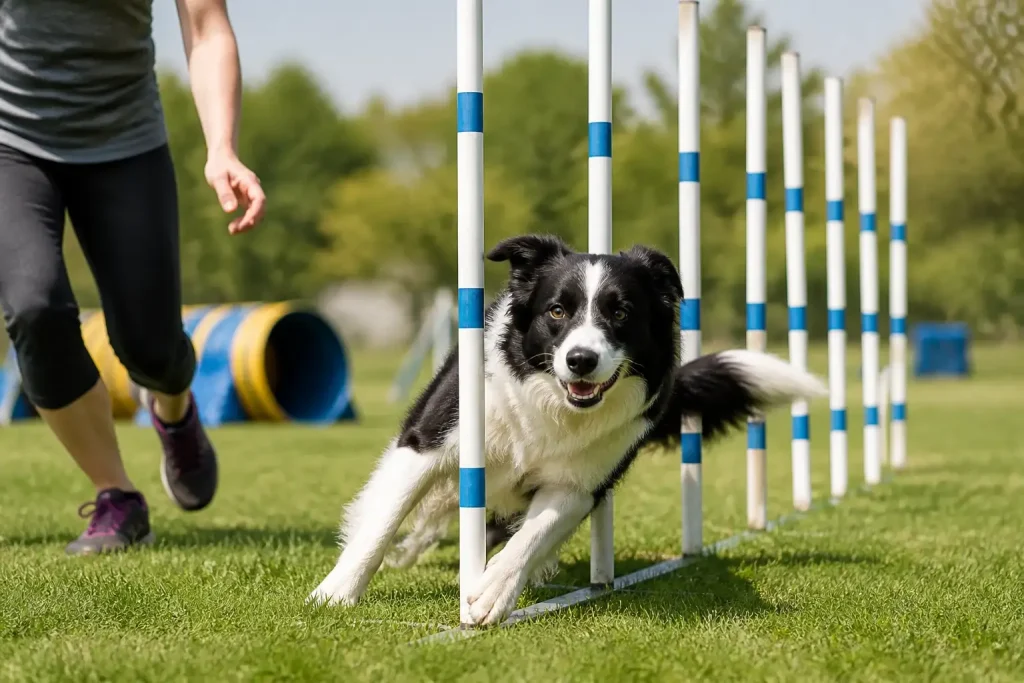
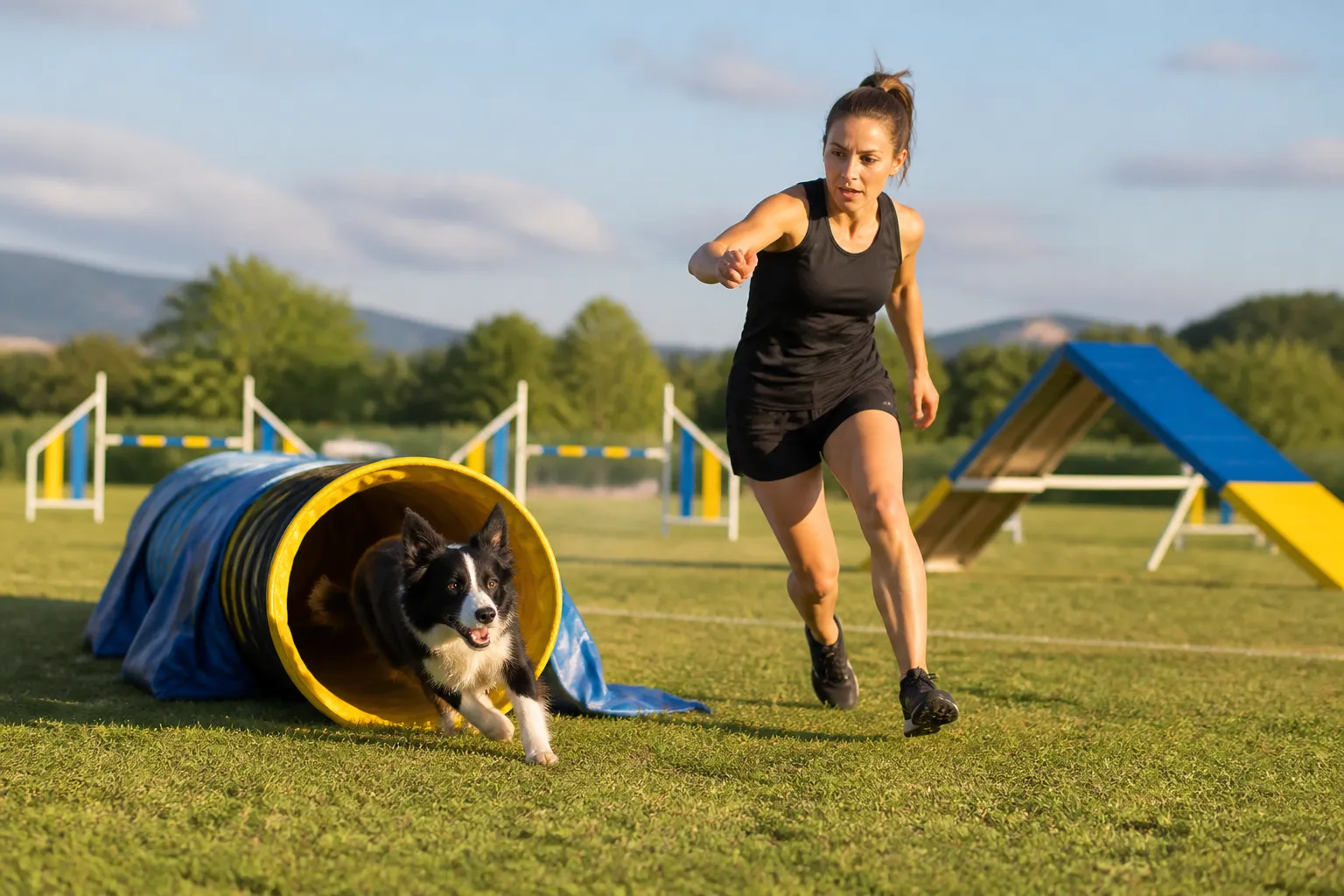
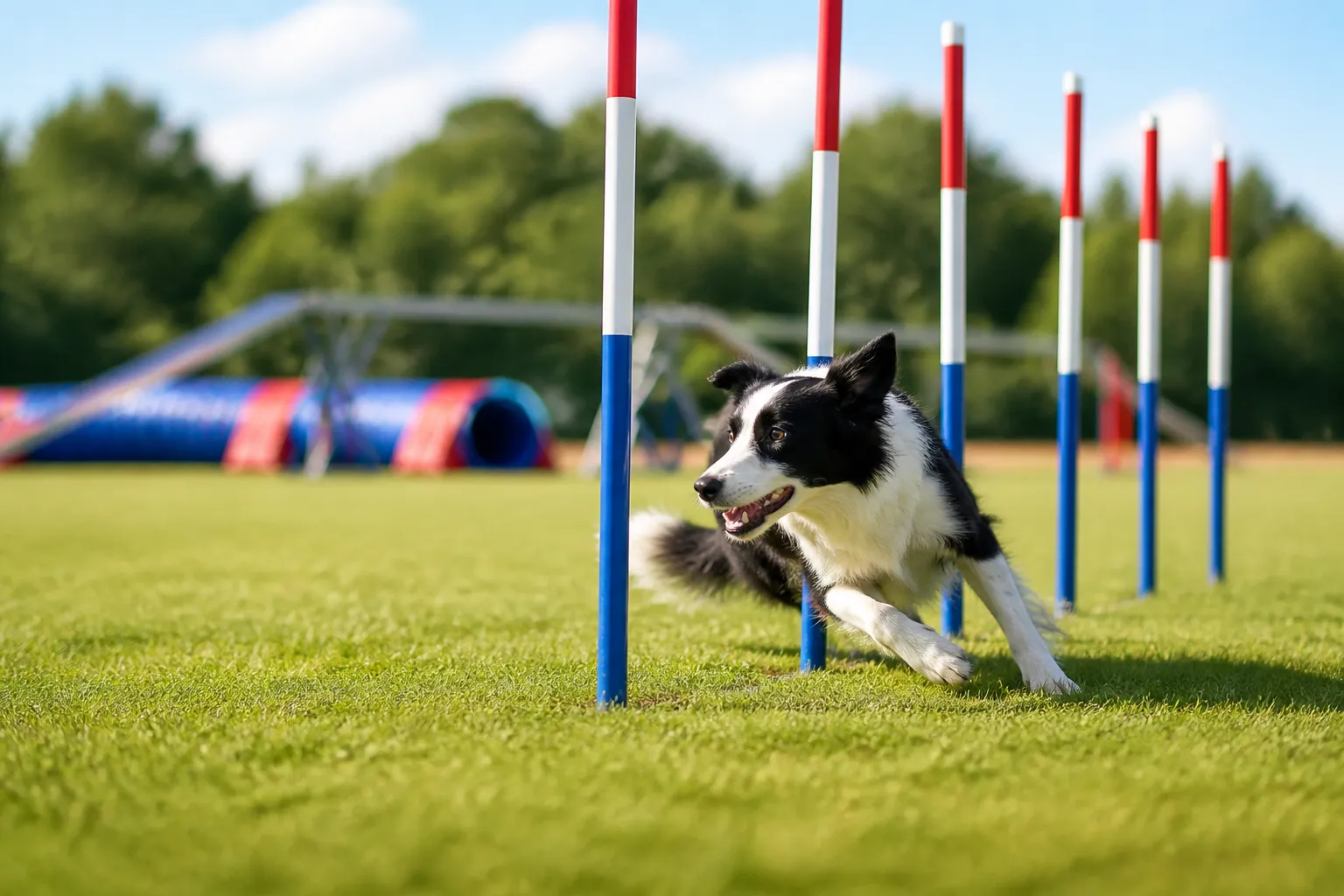
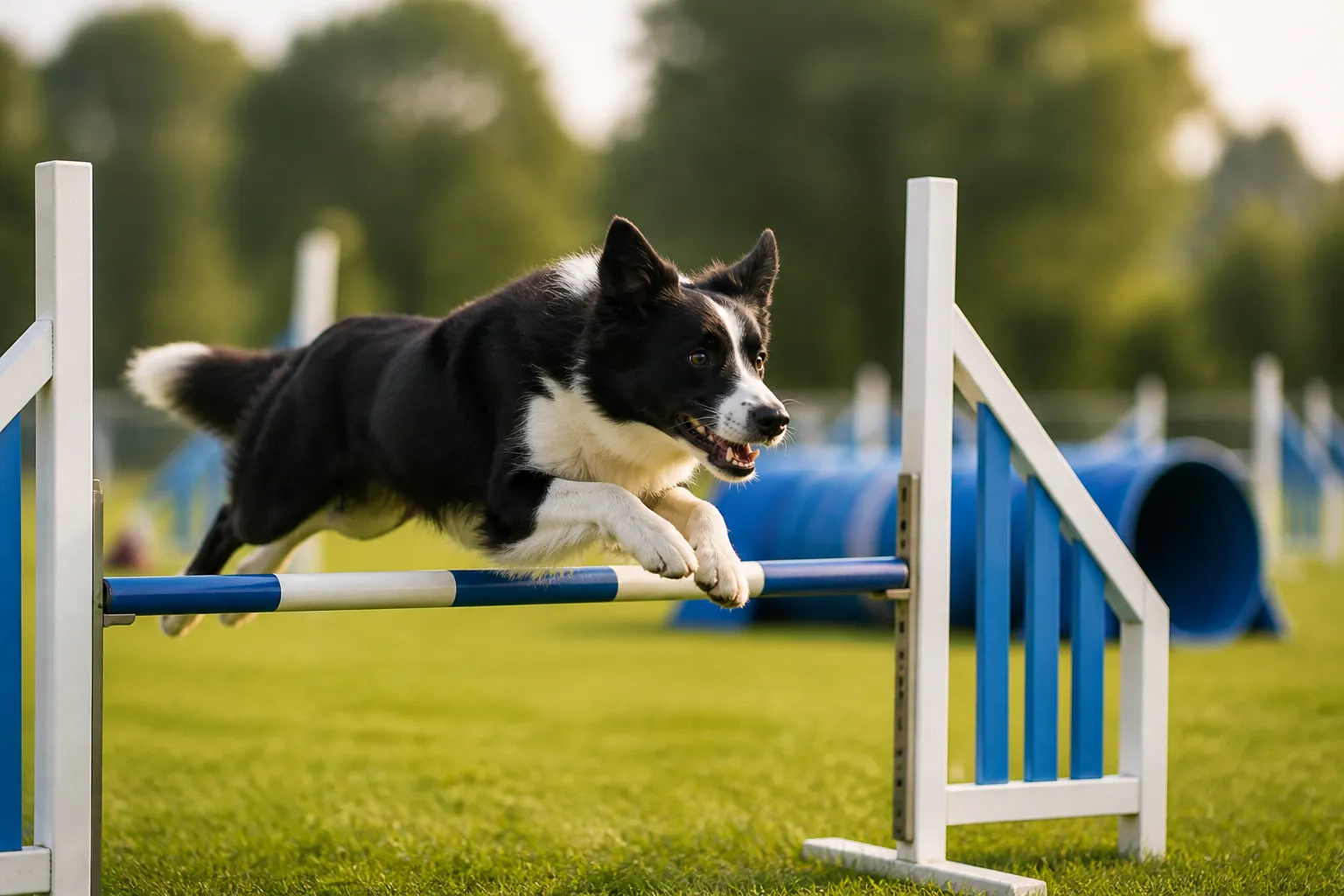
Agility involves navigating jumps, tunnels, contact obstacles, weave poles, and other challenges according to a course design. It can deliver vigorous exercise and precise teamwork. The handler directs the dog through body language, verbal cues, position, and timing. Because errors often arise from unclear communication, agility encourages close observation and thoughtful practice.
Begin with foundations rather than full-height obstacles. Teach attention, hand targeting, directional movement, starting manners, recalls, and safe approaches. Low platforms and ground poles can introduce body awareness without demanding large leaps. An instructor should adjust obstacle height and surface to the individual dog. Repetitive jumping, slippery footing, abrupt turns, and excessive drilling can increase injury risk.
A strong agility session is short and varied. Practice one skill, reward success, change the exercise, and finish while enthusiasm remains high. Fitness should include strengthening, balance, flexibility, and controlled movement away from the obstacle course. Agility is exciting, but speed should never replace accuracy or safety.
Scent Work and Tracking
Scent sports allow dogs to use their extraordinary ability to investigate odors. In scent work, a dog searches designated containers, rooms, exterior areas, or vehicles for a target odor, depending on the program. Tracking asks a dog to follow a ground disturbance or human scent over a route. Both activities emphasize concentration and independent problem solving.
Scent work is especially useful for dogs that dislike high-impact exercise or become overwhelmed by noisy environments. Searching can be physically tiring without requiring repeated jumping. It may also build confidence in cautious dogs because the animal controls much of the investigation. Handlers must learn to trust the dog’s indications rather than constantly directing every movement.
Training should begin with a clear association between a chosen odor and a reward. Keep searches simple, prevent accidental access to rewarding distractions, and raise difficulty gradually. Wind, temperature, surface, odor placement, and competing smells affect performance. A dog may appear inconsistent when the real challenge has changed significantly.
Tracking requires attention to line handling, terrain, weather, and the dog’s pace. Do not drag a dog through a track or punish pauses. The handler’s responsibility is to support the search while allowing the nose to lead.
Obedience and Rally
Traditional obedience emphasizes reliable responses to formal cues, including heeling, recalls, stays, retrieves, and position changes. Rally uses a course of signs that instruct the team to perform different behaviors while moving together. Both activities reward communication, precision, and control, but rally often feels more flexible and accessible for beginners.
These sports can improve practical manners when training remains relevant to daily life. A well-taught stay can support safe door routines, while a practiced recall may help during emergencies. Nevertheless, a competition behavior is not automatically reliable in every real-world situation. Generalize skills across locations, distractions, surfaces, handlers, and emotional states.
Reward-based teaching usually produces clearer learning and protects the dog’s willingness to participate. Reinforcers can include food, toys, praise, access to sniffing, or movement. Fade rewards thoughtfully rather than removing them abruptly. A dog should understand the behavior before distractions become difficult.
Handlers should distinguish lack of understanding from lack of compliance. If a dog fails, reduce difficulty, improve timing, or check for discomfort. Repeating a cue louder rarely solves the underlying problem.
Dock Diving, Retrieving, and Swimming
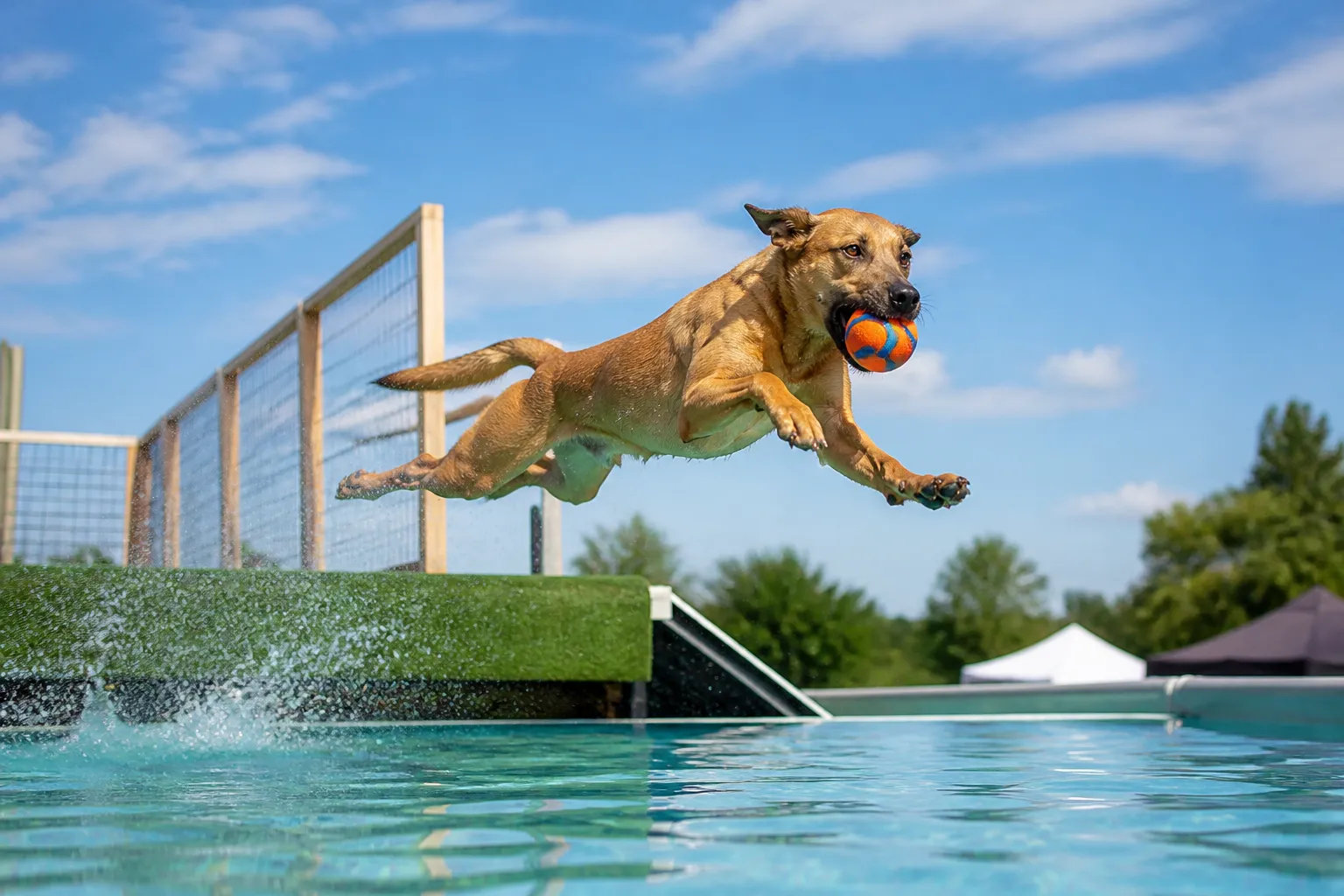
Dock diving combines a running approach, a jump from a platform, and a water landing. Retrieving games can be simpler, requiring only a safe object and suitable space. Swimming provides low-impact movement for many dogs, but it is not automatically safe for every dog. Body shape, fear, fatigue, currents, water temperature, and entry and exit points all matter.
Introduce water gradually. Never throw a reluctant dog into a pool, lake, or river. Use a properly fitted flotation device near open water, even for capable swimmers, and provide a ramp or shallow exit. Supervise continuously. Dogs can become exhausted before handlers recognize the signs, particularly when repeatedly chasing a toy.
Inspect retrieving toys for damage and choose sizes that reduce choking risk. Avoid frantic, nonstop repetition, especially with sharp turns and sudden stops. Ask a veterinarian about conditioning if dock diving or intensive retrieving will become regular training. Cooling down, drying ears and coat, and checking paws after outdoor sessions are sensible routine precautions.
Flyball and High-Energy Team Sports
Flyball is a relay activity in which teams of dogs race over jumps, trigger a box, retrieve a ball, and return. It offers speed, excitement, and social connection. Dogs need reliable recalls, toy interest, start-line control, and comfort working near other dogs. Because acceleration, jumping, and rapid turns are demanding, conditioning and technical coaching are essential.
Begin with individual foundations. Build calm waiting, straight recalls, safe jumping, and controlled toy exchanges before adding racing pressure. Practice on appropriate surfaces and monitor breathing, gait, and recovery. A dog that repeatedly slips, refuses a jump, or changes movement deserves a break and possibly veterinary evaluation.
Team sports can strengthen community, but group expectations should never override an individual dog’s welfare. A dog may need a slower role, fewer repetitions, or a different activity. Good teammates respect those decisions.
Herding, Freestyle, and Specialized Options
Herding activities channel natural movement and control around livestock under skilled supervision. They require careful assessment because chasing, gripping, or intense eye contact can create safety concerns. Beginners need instructors who prioritize stock welfare, dog control, and appropriate instinct testing. Not every herding-bred dog should work livestock, and not every dog enjoys it.
Canine freestyle combines obedience behaviors, movement, music, and creative choreography. It suits dogs and handlers who enjoy performance without demanding maximum speed. Routines can be adapted for small spaces and varied physical abilities. Avoid repeated spins, extended standing, or awkward postures, particularly for dogs with orthopedic concerns.
Other options include barn hunt, lure coursing, disc dog, weight pull, carting, terrier racing, and water rescue training. Each has distinct rules and hazards. Research the governing organization, observe a class, and ask how dogs are screened, conditioned, rested, and rewarded before enrolling.
Building a Safe Training Plan
A useful plan balances workload, recovery, skill development, and enjoyment. Schedule several brief practices rather than one exhausting session. Include warm-up movements such as walking, gentle changes of direction, and simple engagement exercises. After demanding work, allow a gradual cool-down and access to water. Recovery may require quiet time, sleep, and a rest day.
Track what your dog does. Note duration, repetitions, surface, weather, enthusiasm, appetite, gait, and next-day behavior. A dog that seems fine during training but is stiff afterward may have exceeded a safe workload. Stop and seek professional advice if limping, persistent coughing, unusual fatigue, collapse, pain, or behavioral withdrawal occurs.
Use equipment that fits and is maintained. Check collars, harnesses, leads, jumps, mats, ramps, pools, and crates regularly. Remove damaged items. Training areas should be enclosed or managed so a loose dog cannot run into traffic, livestock, unsafe water, or another dog.
Nutrition should support the dog’s overall needs rather than chasing unverified performance promises. Maintain a healthy body condition, provide appropriate hydration, and discuss supplements or major dietary changes with a veterinarian. Supplements are not substitutes for conditioning, rest, or diagnosis.
Training Methods and Communication
Effective instruction is clear, timely, and adaptable. Mark the behavior you want, deliver a meaningful reward, and change only one difficulty factor at a time. If the dog is confused, simplify. If the dog is bored, add variety or improve reinforcement. If the dog is overstimulated, increase distance, lower intensity, or end the session.
Observe more than obedience. Loose movement, exploratory sniffing, soft facial expression, normal breathing, and willingness to reengage often indicate comfort. Lip licking, freezing, avoidance, tucked posture, frantic scanning, repeated shaking, or sudden loss of interest may indicate stress. These signals deserve attention, not punishment.
A clicker, verbal marker, target, long line, or harness can support learning when introduced properly. Equipment should guide or manage behavior without causing pain or fear. Avoid methods that depend on intimidation, physical corrections, or deliberately overwhelming an animal. Ethical training is not permissive; it is structured, consistent, and attentive to consequences.
Preparing for Events
If competition interests you, attend a trial as an observer first. Learn registration procedures, equipment rules, classes, warm-up arrangements, and conduct expectations. Practice waiting, crate relaxation, toileting, hydration, and brief engagement between runs. Many dogs struggle not with the sport itself but with the surrounding noise and inactivity.
Set process goals. Examples include entering calmly, responding to the first cue, maintaining a loose lead, or recovering quickly after an error. Scores and placements depend on many variables, including course design, other competitors, and judging. Process goals keep training constructive.
Bring familiar water, food, a mat, cleanup supplies, weather protection, identification, required records, and a first-aid kit appropriate for routine needs. Plan an exit strategy if the environment becomes too stressful. Leaving early is responsible handling, not failure.
Equipment and Costs
Every sport has basic requirements, but expensive equipment is not always necessary at the beginning. A secure harness, suitable lead, rewards, toy, water container, mat, and storage bag support many activities. Specialized gear should follow instruction, not replace it.
Consider durability, fit, cleaning, portability, and safety. A harness that restricts shoulder movement may be unsuitable for running. A toy that is too small may be dangerous. Home agility equipment must be stable, visible, and appropriate for the dog’s size. Improvised obstacles can collapse or create sharp edges.
Costs vary with lessons, facility rental, travel, memberships, entry fees, equipment, grooming, and veterinary care. Create a realistic budget and leave room for unexpected needs. A low-cost scent game or rally practice may offer substantial value without a major investment.
Benefits and Limitations
Canine sports can improve fitness, engagement, confidence, communication, and social opportunities. They may help owners notice subtle physical or emotional changes earlier. Shared training often strengthens trust because the dog learns that the handler provides understandable information and worthwhile outcomes.
Benefits are not guaranteed. Excessive repetition can produce injury. Competitive pressure can reduce enjoyment. A dog may become fixated on a toy, reactive around teammates, or anxious in crowded venues. Humans can also overtrain, compare unfairly, or interpret a refusal as stubbornness instead of communication.
Choose flexibility over identity. Your dog does not need to be a champion to benefit. If an activity stops being enjoyable or becomes medically unsuitable, change it. A retired sport dog can still enjoy scent games, trick training, gentle walks, swimming, or relaxed exploration.
Frequently Asked Questions
What is the best canine sport for beginners?
There is no universal best choice. Rally, scent work, basic obedience, trick training, and controlled retrieving are often approachable because they can begin with simple skills and modest equipment. Choose according to your dog’s health, motivation, confidence, and access to qualified instruction. Attend an introductory session before committing.
Can puppies participate in canine sports?
Puppies can learn foundations, body awareness, attention, recalls, handling, and calm observation. However, repetitive jumping, forced running, sharp turns, and strenuous conditioning may be inappropriate during growth. Ask your veterinarian and instructor to design age suitable activities. Protect sleep, free exploration, and positive socialization.
How often should a dog train?
Frequency depends on intensity, age, health, and recovery. Several short sessions are generally easier to manage than one long session. Demanding work requires more rest than gentle scent games or basic cues. Monitor next-day movement and enthusiasm, and adjust the plan when signs of fatigue appear.
Is competition necessary?
No. Competition can provide structure and community, but recreational practice offers the same fundamental enrichment without event pressure. Some dogs enjoy trials; others prefer private games or quiet classes. Measure success by welfare, learning, communication, and enjoyment rather than public results.
What if my dog loses interest?
First check for pain, heat, fatigue, fear, confusing cues, weak reinforcement, or excessive distraction. Stop if the change is sudden or persistent and consult a veterinarian when appropriate. Otherwise, lower difficulty, shorten the session, use a better reward, or try another activity. Interest is information.
Can sports solve behavioral problems?
Sports may provide useful outlets and improve training skills, but they do not automatically resolve anxiety, aggression, guarding, or serious reactivity. A qualified behavior professional can create an individualized plan. Choose environments that do not intensify the problem, and never use sport as forced exposure.
How can I find a responsible instructor?
Look for transparent methods, relevant experience, safe facilities, clear class policies, and respect for canine body language. Ask how the instructor handles fear, mistakes, injury concerns, and dogs who need breaks. Observe a class if possible. Walk away from anyone who guarantees results or dismisses welfare questions.
Conclusion
Canine sports are most successful when they serve the dog, not the other way around. Begin with health, temperament, practical resources, and a willingness to progress gradually. Explore several activities, reward communication, protect recovery, and treat every behavioral or physical signal as valuable information. Agility may suit a fast, confident dog; scent work may suit a thoughtful investigator; rally may fit a team that enjoys precision; swimming or freestyle may offer satisfying alternatives for different bodies and interests.
The strongest partnership is built through small successes. A calm start, a focused search, a safe recall, or a joyful game can matter more than a medal. With humane coaching and realistic expectations, canine sports become an adaptable form of enrichment that supports fitness, learning, confidence, and companionship throughout a dog’s life. Choose thoughtfully, train kindly, and let enjoyment guide the next step.