

Common Dog Health Issues Every Owner Should Know
Most dogs stay healthy when they receive balanced nutrition, preventive veterinary care, exercise, safe surroundings, and daily observation. Still, illness can develop quietly, and many problems become harder to treat when early warning signs are dismissed. The most useful habit is to know your dog’s normal appetite, energy, bathroom routine, breathing, skin, and behavior. Changes from that baseline deserve attention, especially when several signs appear together.
This guide explains common dog health issues, what owners may notice, what can be done at home safely, and when professional care is important. It is educational rather than diagnostic. A veterinarian should evaluate persistent, severe, or unusual symptoms, because similar signs can come from very different causes.
Preventive Care Comes First
Routine examinations help veterinarians detect dental disease, parasites, weight problems, heart abnormalities, arthritis, and other concerns before they become obvious. Vaccination and parasite prevention should be selected according to a dog’s age, lifestyle, location, travel, and exposure to other animals. A city apartment dog and a hunting dog do not face identical risks.
Keep records of vaccines, medications, allergies, previous illnesses, and changes in weight. Ask the veterinary team which screenings are suitable for your dog’s age and breed. Never give human pain relievers, cold medicines, or leftover prescriptions without veterinary direction. Some common household drugs can seriously harm dogs.
A simple home check can include looking at the gums, paws, ears, coat, eyes, and teeth; noticing new lumps; and recording appetite, water intake, stool, urine, and activity. Calm handling makes these checks less stressful and may reveal changes early.
Skin Allergies and Itching
Itching is one of the most frequent reasons dogs need veterinary attention. Causes include fleas, environmental allergens, food reactions, contact irritation, mites, bacterial infections, and yeast overgrowth. Dogs may scratch, lick paws, rub the face, chew the tail base, or develop red skin, hair loss, scabs, odor, or recurrent ear problems.
Flea allergy can cause intense irritation even when owners see few or no fleas. Environmental triggers may be seasonal or persistent. Food-related reactions are possible, but changing foods repeatedly without a structured veterinary plan can make the problem confusing. A veterinarian may recommend parasite control, skin testing, a carefully managed elimination diet, medication, or treatment for secondary infection.
Avoid essential oils, harsh shampoos, and improvised creams. Keep bedding clean, prevent self-trauma with appropriate guidance, and use only products labeled for dogs and approved for the animal’s age and weight. Seek prompt care if itching is severe, skin is bleeding, swelling develops, or your dog seems painful or unwell.
Ear Infections
Ear disease often causes head shaking, scratching, redness, odor, discharge, or sensitivity when the ear is touched. Floppy ears, allergies, moisture, foreign material, parasites, and narrow ear canals can increase risk. Repeated infections usually require investigation of the underlying cause rather than repeated cleaning alone.
Do not insert cotton swabs deep into the ear, pour household substances inside, or use old medication. The eardrum may be damaged, and some treatments are unsafe when its condition is unknown. A veterinarian can examine the canal, identify yeast, bacteria, mites, or other problems, and prescribe suitable medication. Complete the treatment for the recommended duration, even if signs improve quickly.
Dental Disease
Bad breath is not simply a normal feature of being a dog. Plaque can harden into tartar, irritate the gums, and contribute to painful periodontal disease. Signs include red or bleeding gums, chewing on one side, dropping food, reluctance to eat, excessive drooling, loose teeth, facial swelling, or a sudden change in behavior.
Daily brushing with dog toothpaste is the most effective home routine, but introduce it gradually. Human toothpaste may contain ingredients dogs should not swallow. Dental diets, chews, and water additives can support oral care, but they do not replace veterinary examinations or professional cleaning when disease is established. Choose chews carefully because very hard items can fracture teeth, while poorly chosen products may cause choking or digestive obstruction.
Gastrointestinal Upsets
Vomiting and diarrhea may result from dietary indiscretion, sudden food changes, parasites, infection, stress, toxins, pancreatitis, or an intestinal blockage. A single mild episode in an otherwise bright adult dog may resolve, but repeated symptoms deserve advice. Puppies, elderly dogs, pregnant dogs, and animals with chronic disease can deteriorate faster.
Contact a veterinarian promptly if vomiting or diarrhea persists, blood appears, the abdomen is painful or swollen, water cannot be kept down, gums are pale or tacky, weakness develops, or your dog may have swallowed a foreign object or toxin. Do not induce vomiting unless a professional specifically instructs you. Do not force food or water into a distressed animal.
If veterinary guidance supports home monitoring, provide access to fresh water and follow feeding instructions carefully. Avoid rich treats, bones, table scraps, and sudden dietary changes. Save unusual material from vomit or stool, if safe, and note timing, frequency, and possible exposures.
Obesity and Nutritional Problems
Excess weight increases strain on joints, breathing, mobility, and metabolic health. Owners may underestimate body condition, particularly in heavily coated dogs. A veterinarian can assess body condition, muscle mass, calorie needs, and an appropriate weight goal. Weight reduction should be gradual and monitored rather than based on severe food restriction.
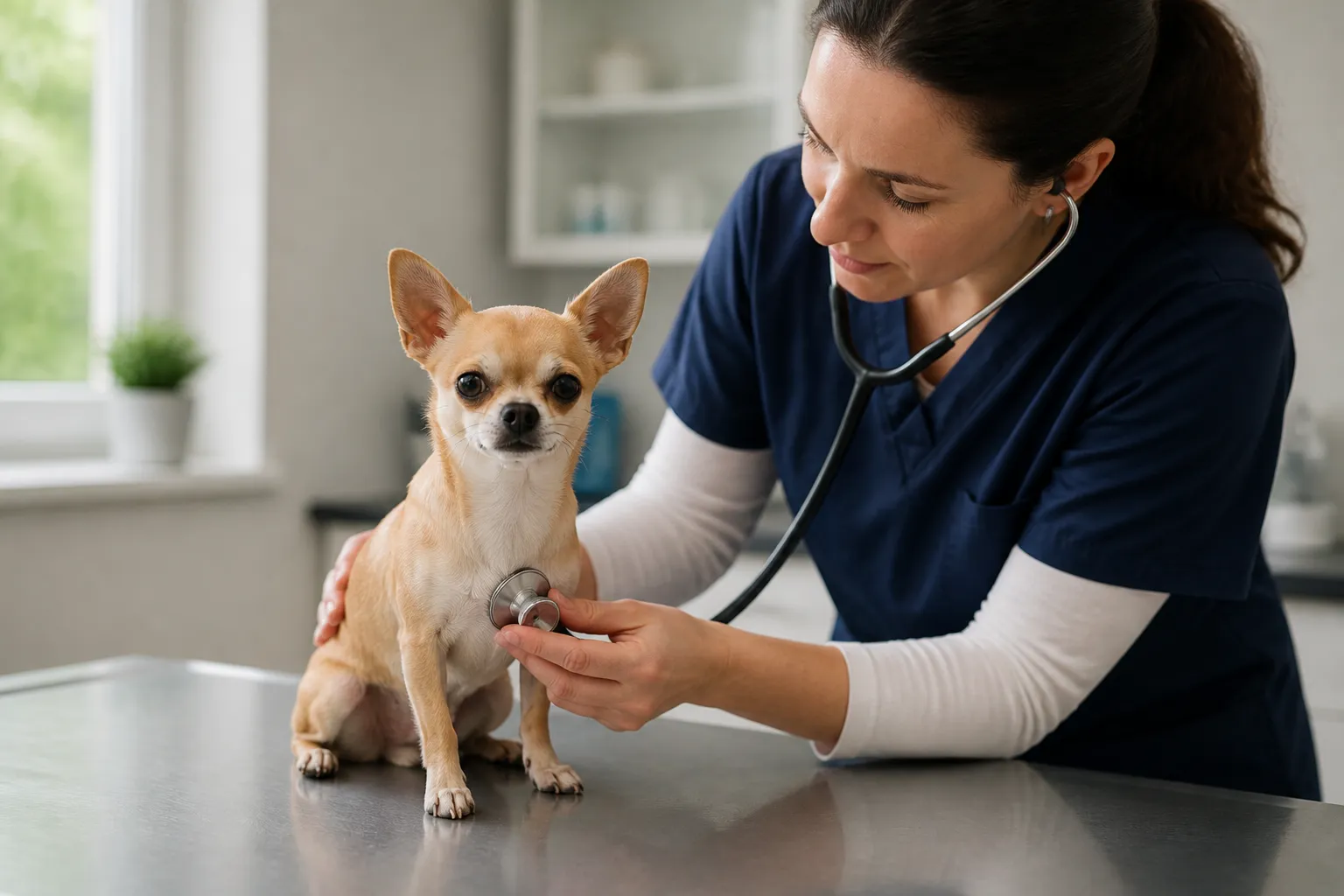
Measure meals, count treats, and include snacks, dental products, and human food in the daily total. Exercise should match age, fitness, breed characteristics, heat, and existing medical conditions. A sudden intense exercise program may injure an overweight or unfit dog. Nutritional supplements are not automatically beneficial; some interact with medications or provide excessive nutrients.
Puppies, pregnant dogs, working dogs, and dogs with kidney, liver, intestinal, or endocrine disease have specialized dietary needs. Select a complete diet appropriate for the life stage, and discuss major changes with a veterinary professional.
Parasites
Internal parasites, including roundworms, hookworms, whipworms, and tapeworms, may cause diarrhea, poor growth, weight loss, anemia, or a dull coat. Some infected dogs show no obvious signs. External parasites such as fleas, ticks, and mites can cause irritation and may transmit disease.
Prevention should reflect regional risks and the dog’s lifestyle. Puppies often need a carefully scheduled deworming and testing plan. Pick up feces promptly, wash hands after handling waste, and prevent dogs from eating unknown animal remains or feces. Ask a veterinarian about safe products, because species, weight, age, pregnancy, and health status affect product choice.
A tick attached to a dog should be removed promptly with suitable technique, without crushing it or applying irritating substances. Veterinary advice is appropriate if the bite area becomes swollen, the dog develops fever, weakness, lameness, appetite loss, or other unusual signs.
Arthritis and Mobility Problems
Arthritis commonly affects older dogs, but injury, abnormal joint development, excess weight, and some diseases can cause pain at any age. Warning signs include stiffness after rest, reluctance to climb stairs, difficulty rising, reduced play, limping, irritability, or licking a joint. Dogs may hide pain, so subtle changes matter.
Treatment can include weight management, controlled exercise, physical rehabilitation, environmental adjustments, prescription medication, and other approaches selected by a veterinarian. Provide nonslip flooring, ramps where appropriate, supportive bedding, and easy access to food and water. Do not give ibuprofen, naproxen, acetaminophen, or other human painkillers unless a veterinarian explicitly directs it; unsupervised use can be dangerous.
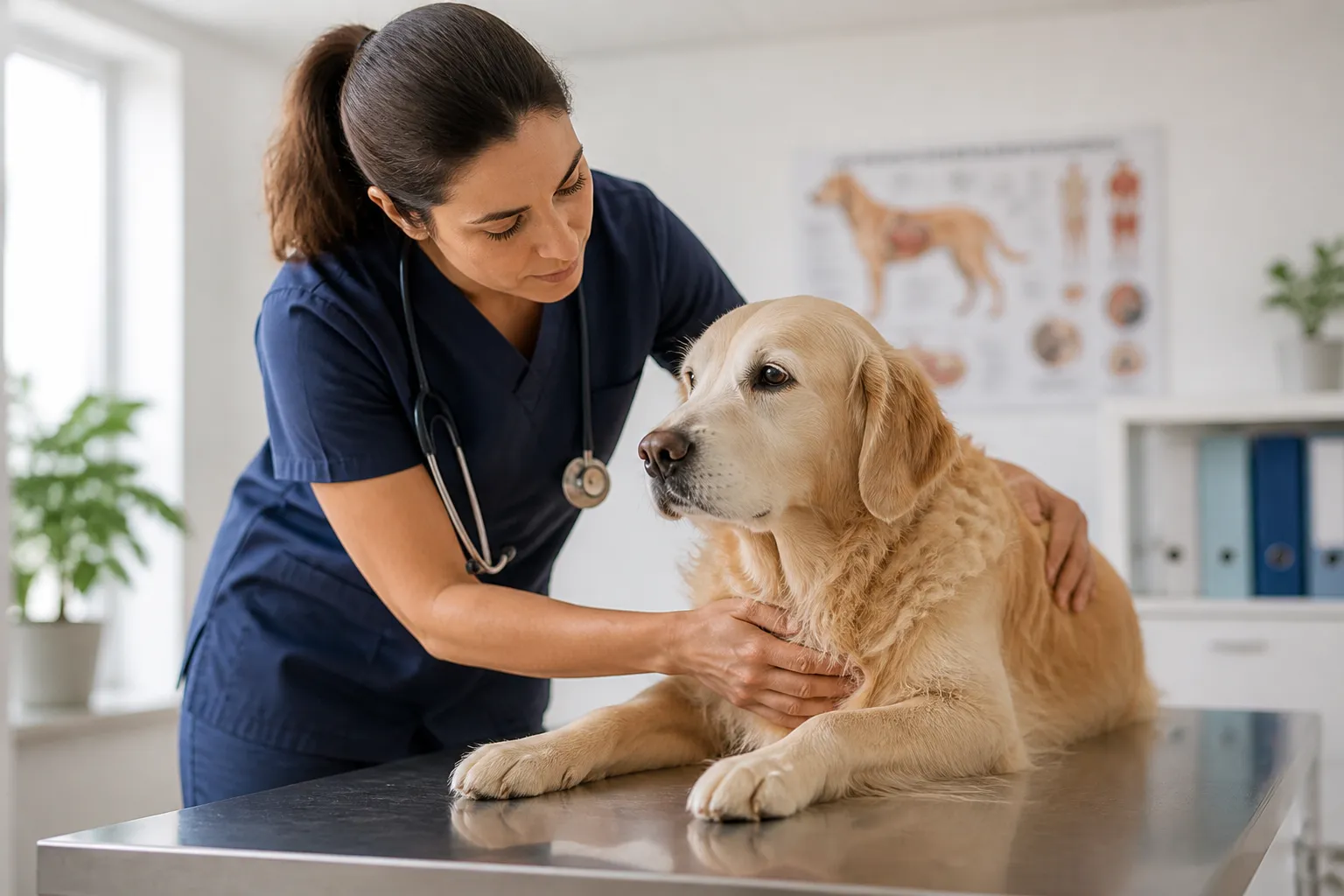
A sudden inability to bear weight, severe pain, a visibly deformed limb, or trauma requires urgent assessment. Photographing an intermittent limp can help a veterinarian understand what happens at home.
Respiratory and Heart Concerns
Coughing can arise from infection, airway irritation, parasites, heart disease, collapsing airways, or other conditions. Breathing difficulty is more urgent than an occasional mild cough. Signs include rapid breathing at rest, open-mouth breathing unrelated to normal heat or exercise, blue or gray gums, pronounced abdominal effort, weakness, collapse, or inability to settle.
Move a distressed dog away from heat and exertion, keep the environment calm, and seek emergency veterinary care. Do not force food, water, or medication. For chronic coughing, record when it occurs, whether it follows activity or sleep, and whether appetite and energy have changed.
Heart disease may cause reduced stamina, fainting, coughing, abdominal enlargement, or breathing changes, but symptoms overlap with many other disorders. Regular examinations are especially important for senior dogs and breeds known to have inherited risks, without assuming that every cough is cardiac.
Urinary Problems
Frequent urination, straining, accidents, blood in urine, strong odor, genital licking, or increased thirst can indicate infection, stones, kidney disease, diabetes, hormonal disorders, or other conditions. A dog that repeatedly strains and produces little or no urine may have a life-threatening obstruction, particularly if male; this requires immediate care.
Do not rely on leftover antibiotics or human medication. Testing urine helps distinguish infection from other causes and guides treatment. Encourage normal access to fresh water, but do not force excessive amounts. Note drinking, urination frequency, urine appearance, accidents, and changes in appetite or energy.
Sudden inability to urinate, vomiting with urinary signs, severe pain, collapse, or marked lethargy is an emergency. Earlier evaluation is valuable because untreated urinary disease can damage the kidneys or cause serious systemic illness.
Diabetes and Hormonal Disease
Diabetes may cause increased thirst, frequent urination, increased hunger, weight loss, weakness, or cloudy eyes. Other endocrine disorders can produce changes in appetite, coat, weight, thirst, activity, or tolerance of heat. These signs are not specific, so diagnosis requires veterinary examination and testing.
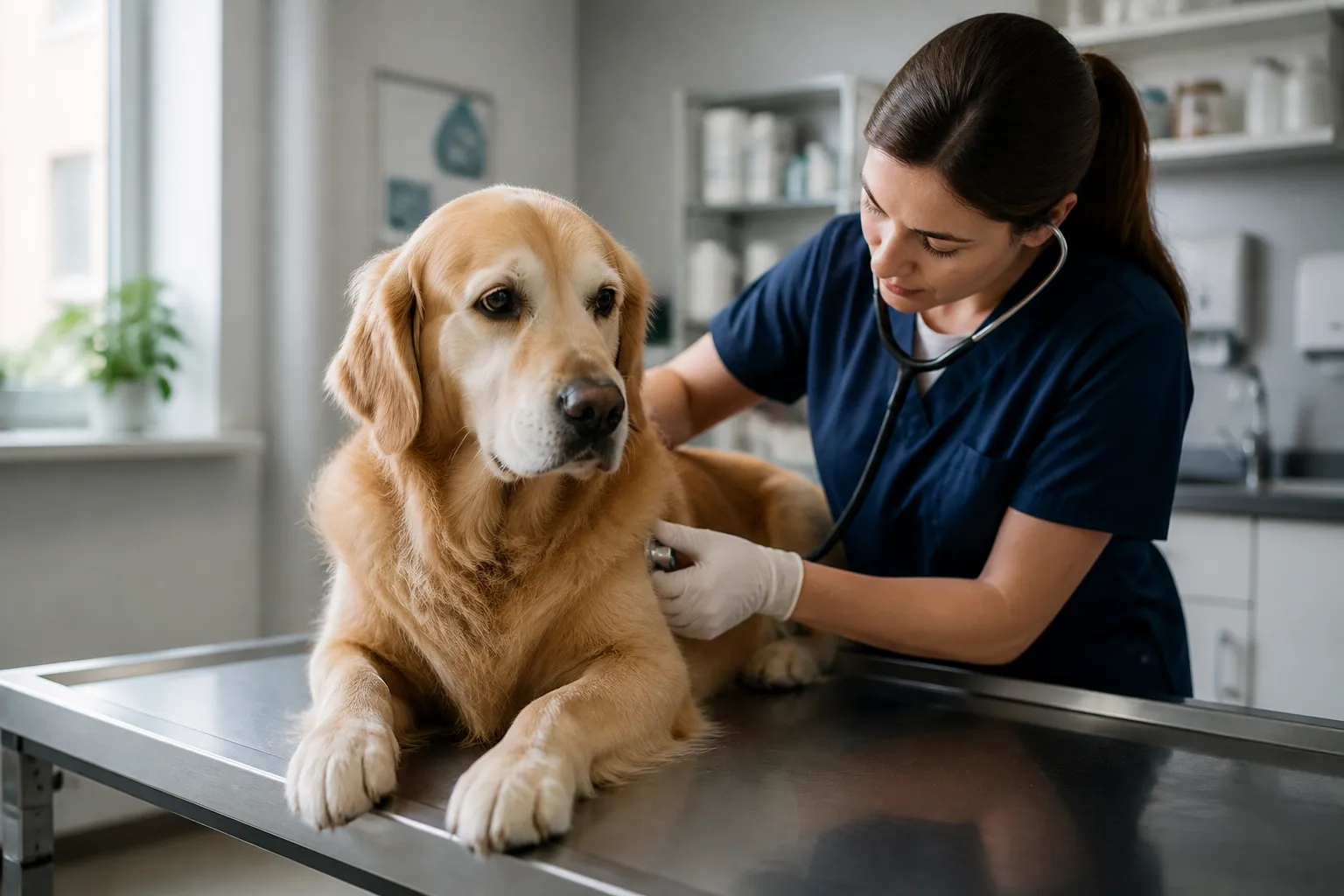
If diabetes is diagnosed, consistent meals, prescribed insulin, monitoring, and scheduled follow-up are essential. Never change insulin dosage independently. Weakness, trembling, confusion, seizures, collapse, or unusual sleepiness may indicate a dangerous blood sugar problem and requires immediate professional advice. Ask the veterinary team how to recognize and respond to treatment-related emergencies.
Eye Problems
Redness, squinting, tearing, discharge, cloudiness, swelling, a visible injury, or rubbing the face should not be ignored. Eye conditions can worsen quickly, and a painful eye may represent an ulcer, foreign material, inflammation, glaucoma, trauma, or infection.
Prevent rubbing if possible and seek veterinary care promptly. Do not use human eye drops or leftover medication unless directed. Some products can worsen certain conditions or delay appropriate treatment. Sudden vision loss, a bulging eye, severe pain, or chemical exposure demands emergency attention. If a chemical enters the eye, follow immediate veterinary or poison-control guidance rather than improvising.
Lumps, Wounds, and Cancer Concerns
Many lumps are harmless, but appearance alone cannot reliably identify them. Record a lump’s location, size, texture, color, and date noticed. Photographing it beside a ruler can help track change. Arrange an examination if it grows, bleeds, ulcerates, becomes painful, or changes texture, and have new masses assessed rather than waiting for them to disappear.
Clean minor superficial wounds only according to veterinary guidance. Deep punctures, bites, persistent bleeding, exposed tissue, burns, and wounds near the eye, chest, or abdomen need prompt care. Prevent licking with an appropriate protective device when advised. Avoid hydrogen peroxide, alcohol, and irritating home remedies unless specifically instructed.
Cancer is not one disease, and early signs vary. Unexplained weight loss, persistent swelling, chronic vomiting, ongoing lameness, appetite changes, or unusual fatigue deserve evaluation, though they can also have noncancerous causes.
Poisoning and Emergencies
Common hazards include medications, rodenticides, insecticides, chocolate, xylitol-containing products, grapes and raisins, certain plants, cleaning chemicals, batteries, and antifreeze. Risk depends on the substance, amount, timing, and dog’s size. If exposure is possible, remove the dog from the source, preserve packaging, and contact a veterinarian or appropriate animal poison service immediately.
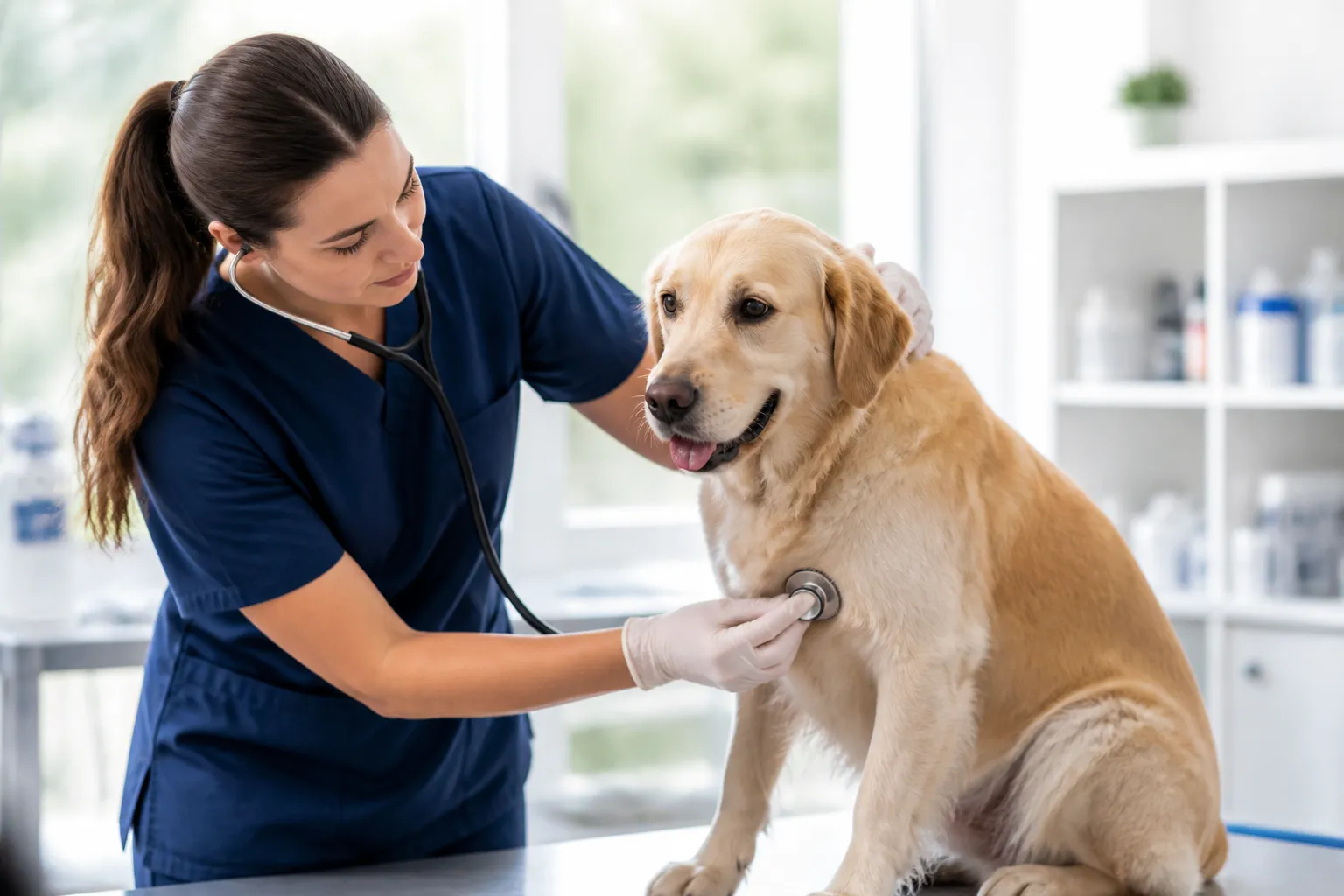
Do not wait for symptoms and do not induce vomiting unless instructed. Bring packaging or a photograph of the label if traveling for care. Emergency signs include collapse, seizures, severe breathing difficulty, repeated vomiting, uncontrolled bleeding, extreme weakness, pale or blue gums, a swollen painful abdomen, and suspected heatstroke.
During travel, keep a first-aid kit, medication list, leash, carrier or restraint, water, and emergency contacts accessible. First aid is temporary support, not a substitute for veterinary treatment.
How to Monitor Your Dog
Create a simple weekly routine. Weigh your dog when practical, inspect the coat and paws, look at the gums and teeth, check for new lumps, and notice movement, mood, appetite, thirst, stool, urine, and sleep. Record changes instead of relying on memory. Videos of coughing, limping, unusual breathing, or odd episodes can be useful during an appointment.
Learn your dog’s normal resting breathing pattern, but ask a veterinarian how to interpret it rather than applying an arbitrary number. Consider age, breed, climate, and medical history. A small change that persists may matter more than one isolated irregularity.
Handle ears, paws, mouth, and grooming tools gradually using rewards. Cooperative care reduces fear and makes future examinations safer. Never punish a dog for hiding, vomiting, having an accident, or showing pain; punishment can conceal signs and damage trust.
Choosing Helpful Care Products
Useful supplies include a properly fitted collar or harness, identification, a digital thermometer used only with veterinary instruction, grooming tools, dog-safe dental products, parasite prevention prescribed or selected appropriately, waste bags, and a basic first-aid kit. Product quality matters less than correct fit, safe ingredients, proper storage, and suitability for the individual dog.
Read labels carefully. Never assume a product safe for cats, people, horses, or another dog is safe for your pet. Keep medicines and chemicals secured, and check expiration dates. Ask a veterinary professional before using supplements, calming products, special diets, flea treatments, or shampoos when your dog is young, elderly, pregnant, medicated, or chronically ill.
Frequently Asked Questions
When should I call a veterinarian?
Call when symptoms are persistent, recurrent, worsening, painful, or accompanied by appetite loss, weakness, fever, dehydration, unusual behavior, or breathing changes. Emergency services are appropriate for collapse, severe respiratory distress, poisoning, seizures, uncontrolled bleeding, a swollen abdomen, or inability to urinate.
Can I treat mild vomiting or diarrhea at home?
Sometimes, but only after considering age, health history, frequency, hydration, possible toxins, and foreign objects. Ask your veterinarian for guidance, especially for puppies, seniors, or dogs with chronic disease. Never assume a mild start guarantees a mild outcome.
How often does my dog need a checkup?
The schedule depends on age, health, breed, and risk. Puppies and seniors may need more frequent assessments than healthy adults. Your veterinary team can recommend an individualized interval and preventive plan.
Are supplements necessary?
Not automatically. A complete, appropriate diet generally supplies essential nutrients, while supplements may be useful for specific diagnosed needs. They can also interact with medications or create excesses. Discuss any supplement before starting it.
How can I prevent dental disease?
Brush gradually with dog toothpaste, provide suitable dental products, manage diet and weight, and arrange professional examinations when recommended. Chews alone cannot correct established tartar, infected gums, or painful dental disease.
Why is my dog suddenly drinking more?
Increased thirst can follow heat, exercise, or diet, but persistent change may signal urinary, kidney, endocrine, medication-related, or other illness. Measure intake when possible and arrange veterinary advice rather than restricting water.
Should I change food when my dog has diarrhea?
Not automatically. Sudden changes can worsen digestive upset, and the correct approach depends on the cause. Follow veterinary feeding instructions and transition diets gradually unless urgent medical advice says otherwise.
Conclusion
Common dog health issues are easier to manage when owners notice changes early and respond thoughtfully. Preventive examinations, vaccination, parasite control, dental care, measured nutrition, safe exercise, and regular home observation form a strong foundation. No checklist replaces professional assessment, particularly when symptoms are severe, persistent, or unusual.
Trust your knowledge of your dog’s normal behavior, but avoid guessing at a diagnosis or sharing human medication. Record what you observe, contact the veterinary team promptly, and follow treatment instructions carefully. Attentive everyday care does not guarantee that illness will never occur; it gives your dog a better chance of receiving timely, appropriate help and enjoying a comfortable, active life.