
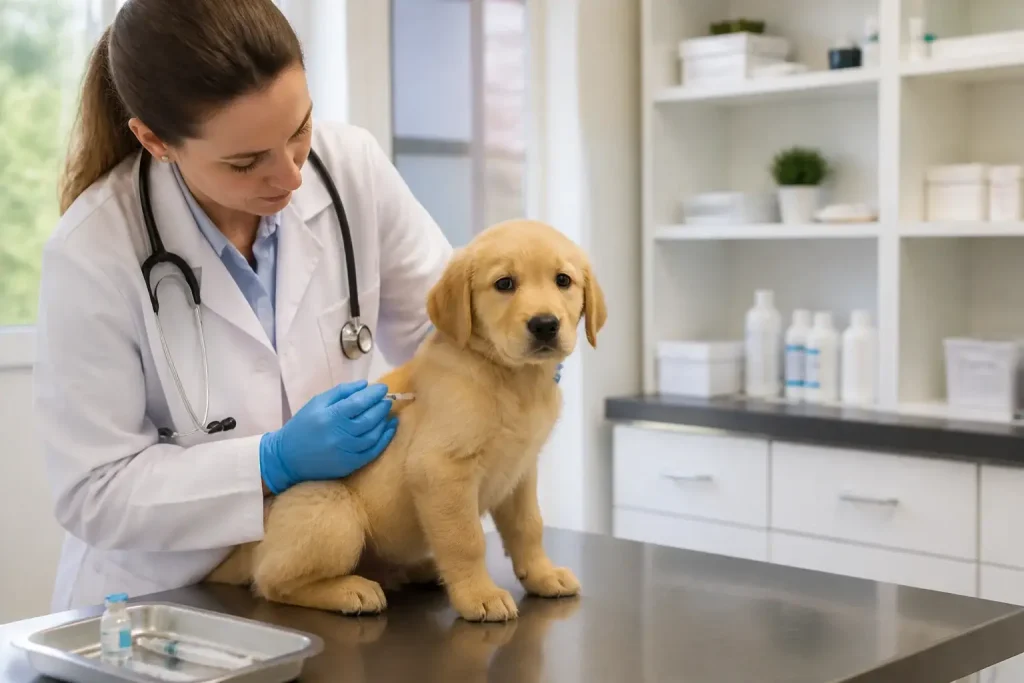
Dog vaccination schedule: the essential guide
A dog vaccination schedule protects puppies and adult dogs from preventable infections, while also helping protect other animals and people in the community. The correct plan is not a single universal calendar. It depends on age, previous records, lifestyle, local disease risks, vaccine type, health status, and legal requirements. Your veterinarian should create the final schedule, but understanding the usual pattern helps you ask useful questions, prepare for appointments, and avoid missed protection.
Puppies are especially vulnerable because antibodies received from their mother gradually decline, yet those antibodies can temporarily interfere with vaccination. For that reason, puppy vaccines are usually given as a series rather than one injection. Adult dogs then need booster doses at intervals recommended by the vaccine manufacturer, veterinary guidance, and local regulations. Some vaccines are commonly required by law, while others are selected according to exposure risk.
Vaccination is preventive care, not a guarantee that illness is impossible. A properly vaccinated dog can still become sick, particularly if exposure occurs before the series is complete or if an individual responds incompletely. Nevertheless, vaccination substantially improves preparedness against serious disease and is one of the most practical ways to reduce avoidable risk.
What vaccines do
Vaccines introduce the immune system to a safe form or component of a disease-causing organism. This exposure teaches immune defenses to recognize the threat without causing the full illness associated with natural infection. Later, if the dog encounters the organism, the immune response may act faster and more effectively.
Vaccines are often grouped into core and non-core categories. Core vaccines protect against diseases considered important because they are severe, widespread, readily transmitted, legally relevant, or capable of affecting many dogs. Non-core vaccines are chosen after considering geography, boarding, travel, wildlife contact, kenneling, daycare, hunting, swimming, and other activities.
A vaccine appointment is also a health assessment. The veterinarian may check weight, temperature, hydration, teeth, skin, heart, lungs, and general development. Tell the clinic about coughing, vomiting, diarrhea, fever, medication use, previous reactions, pregnancy, chronic illness, and recent exposure to sick animals. A dog that is unwell may need examination or delayed vaccination, depending on the circumstances.
Why timing matters
Vaccination timing balances two competing needs. The puppy must be protected as maternal antibodies fade, but injections given too early can be less effective if those antibodies block the vaccine response. Repeated doses increase the opportunity for a successful response during this changing period.
A series is not permission for unrestricted exposure. Until a veterinarian confirms adequate protection, avoid high-risk environments such as areas contaminated by unknown dogs, unclean communal bowls, or locations where infectious disease is common. Carefully controlled socialization can still be valuable. Ask your veterinarian how to expose a young dog safely without unnecessary contact with contaminated ground or unvaccinated animals.
Typical puppy vaccination schedule
The following outline is a general educational framework, not a replacement for veterinary instructions. Exact timing varies by product label, regional recommendations, shelter protocols, and the puppy’s medical history. Keep every appointment, because missing a dose may require the veterinarian to revise the plan.
Six to eight weeks
Many puppies receive their first combination vaccine during this period. It commonly targets distemper, adenovirus, and parvovirus, with other components included in some products. The first injection begins the immune-training process, but it does not mean the puppy is fully protected.
The veterinarian may also discuss deworming, parasite prevention, nutrition, identification, sterilization timing, and safe socialization. Puppies from shelters, rescue organizations, breeders, or uncertain backgrounds may arrive with incomplete, unclear, or inconsistent records. Bring all paperwork to the appointment. When records cannot be verified, the veterinarian may recommend treating the dog as unvaccinated rather than assuming protection.
Ten to twelve weeks
A second combination vaccination is commonly given several weeks after the first. This dose strengthens the response and covers the period when maternal antibodies may be declining. Depending on risk and local practice, the veterinarian may introduce a non-core vaccine, such as protection against Bordetella bronchiseptica or leptospirosis.
These choices should be individualized. A dog attending daycare, boarding frequently, traveling, visiting training classes, or living near wildlife may face different risks from a dog with limited outdoor contact. Limited contact does not eliminate risk, because pathogens can travel on shoes, clothing, equipment, rodents, or contaminated environments.
Fourteen to sixteen weeks
A final puppy combination dose is often administered around this age, though some plans continue later. This dose is important because maternal antibodies may have interfered with an earlier injection. The veterinarian will assess whether the puppy’s risk profile calls for additional vaccines, including rabies where legally required.
Protection should not be judged solely by how energetic a puppy appears or by the absence of visible illness. Many infected dogs can shed organisms before obvious signs develop. Continue sensible precautions until the veterinary team confirms that the primary series and required waiting periods are complete.
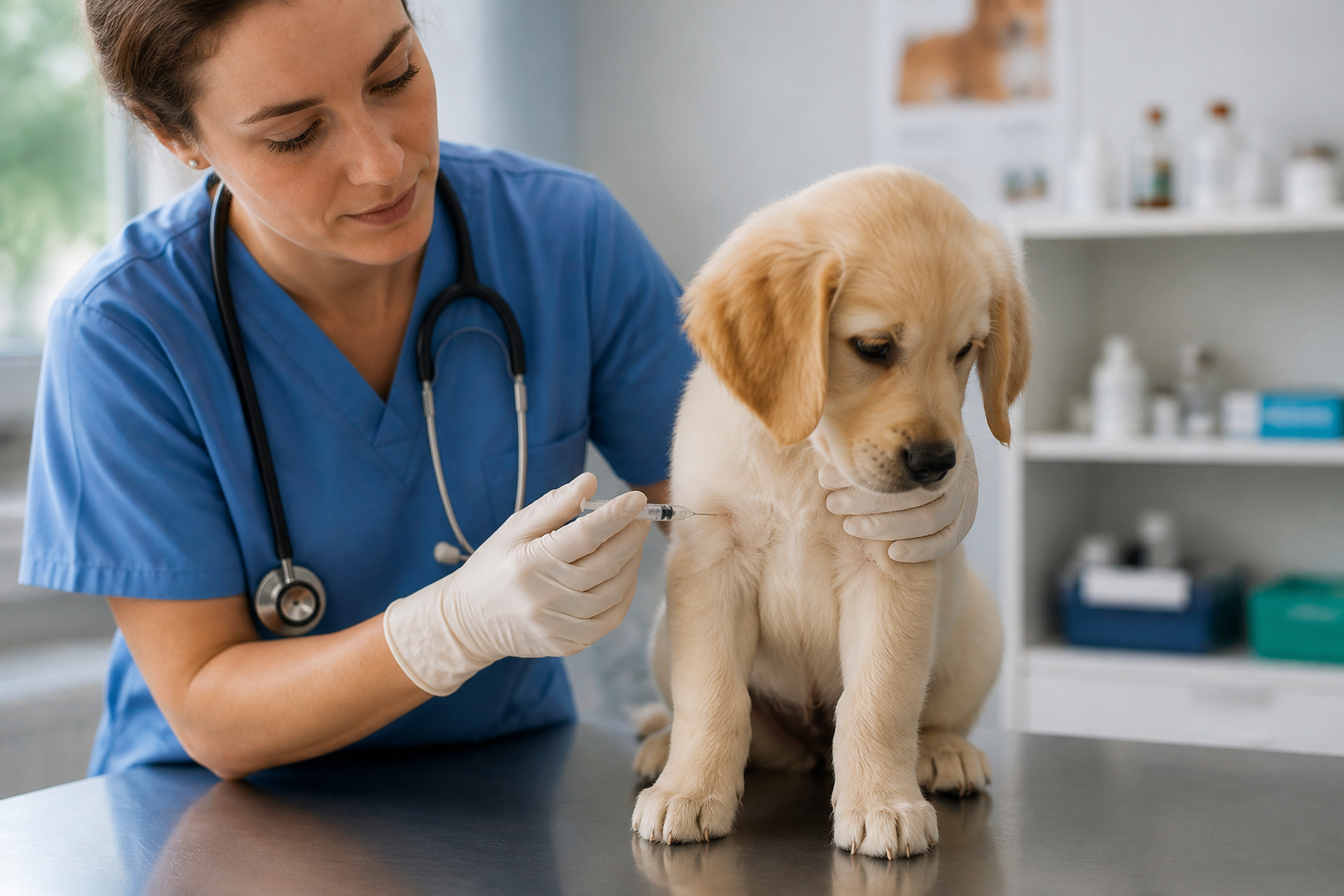
Around one year
A booster is commonly recommended approximately one year after the puppy series, although the exact interval depends on the vaccine and professional guidance. This visit may also include a physical examination, parasite review, dental assessment, behavioral discussion, and planning for future boosters.
Rabies timing is controlled by local law and the licensed product used. In some places, an initial rabies vaccination is followed by a booster after a specified interval, then later revaccination at an interval permitted by law. Never rely on a generic online calendar for rabies compliance. Keep the certificate, tag information, and clinic records together.
Adult dog vaccination schedule
Adult vaccination begins after the primary puppy series or after a veterinarian establishes a catch-up plan. Core vaccines may be boosted according to product labeling and current veterinary recommendations, rather than automatically repeating every injection at every visit. Some products are intended for different intervals, so the record must identify what was administered.
Rabies vaccination should follow the law in your jurisdiction. Requirements may apply even when a dog rarely leaves home, because unexpected bites, wildlife encounters, boarding, or travel can create legal and public-health consequences. If a dog’s rabies history is unknown, contact a veterinarian promptly instead of guessing.
Non-core boosters depend on continuing exposure. A dog that stops boarding may no longer need the same Bordetella plan, while a dog that begins hunting, swimming, daycare, or travel may need a new risk assessment. Vaccination decisions should be reviewed whenever the dog’s routine changes.
Dogs with incomplete records
Do not postpone veterinary care indefinitely because records are missing. A clinic can evaluate the dog and design a safe catch-up schedule. Depending on age, product history, and local rules, this may involve one or more doses. The veterinarian may also discuss antibody testing, sometimes called serology, when it is relevant to a particular vaccine and decision.
Antibody results do not replace every legal requirement and may not predict complete protection in every situation. Testing can be useful in selected circumstances, but its value depends on the disease, test quality, timing, and the decision being made. Ask what action a result would change before paying for testing.
Core and lifestyle vaccines
Core protection
Core protection commonly includes vaccination against canine distemper virus, canine adenovirus, and canine parvovirus. These diseases can be severe, highly contagious, or difficult to manage once infection occurs. The combination is often delivered in one injection, but product names and included components vary.
Rabies is also treated as a core concern in many regions because it is fatal after clinical signs develop and can affect people. The legal schedule matters as much as the medical recommendation. A veterinarian can explain the approved product, due date, grace periods if any, and documentation required for travel or official reporting.
Non-core protection
Non-core vaccines may address Bordetella, leptospirosis, canine influenza, Lyme disease, or other regionally relevant threats. “Non-core” does not mean unnecessary. It means the benefit depends more strongly on the individual dog’s exposure and local epidemiology.
Leptospirosis deserves careful discussion because exposure can occur through contaminated water or soil and may involve wildlife or rodents. Lyme vaccination may be considered in areas where infected ticks are established, especially alongside reliable tick prevention. Bordetella and canine influenza decisions often relate to congregate settings, outbreaks, and facility policies.
Ask three practical questions: What exposure does this vaccine address? How likely is my dog to encounter that exposure? What are the product’s recommended doses and boosters? Clear answers make a personalized plan easier to understand than a fixed list copied from another dog.
Preparing for the appointment
Bring vaccination records, medication details, insurance or registration information if relevant, and a list of questions. Tell the clinic about travel plans, boarding, daycare, training, dog shows, grooming, hunting, swimming, hiking, tick exposure, wildlife contact, and contact with immune-compromised household members. These details can change recommendations.
Schedule the appointment when you can observe your dog afterward. Most dogs continue normal activities, but temporary soreness, tiredness, reduced appetite, or a mild fever may occur. Keep the dog comfortable, provide water, and avoid unusually strenuous exercise if the injection site is tender.

Do not give human pain medication unless a veterinarian specifically instructs you. Several common human medicines can be dangerous to dogs. If your dog has previously reacted to a vaccine, report exactly what happened, how soon it began, and how it was treated. The veterinarian may alter timing, monitor longer, separate injections, or select an alternative product when appropriate.
Recognizing and responding to reactions
Mild reactions can include sleepiness, localized swelling, tenderness, and reduced appetite. These effects often resolve without treatment, but you should follow the clinic’s instructions and call if they worsen, persist, or concern you.
Seek urgent veterinary help for difficulty breathing, facial swelling, widespread hives, collapse, repeated vomiting, severe weakness, pale gums, or other rapidly developing signs after vaccination. These may indicate a serious reaction requiring prompt care. A small lump at the injection site can occur, but tell your veterinarian about a lump that grows, remains painful, or does not improve as expected.
The safest response is neither panic nor dismissal. Monitor carefully, record the timing and symptoms, and contact the veterinary team for guidance. Future vaccination should not be abandoned automatically after a suspected reaction; instead, the clinician can weigh disease risk against reaction risk and create a safer approach.
Special circumstances
Rescue dogs and shelter puppies
Shelters may vaccinate animals on intake because exposure risk can be high and histories may be unknown. That initial shelter dose may be valuable, but it does not necessarily complete a puppy series. Arrange a private veterinary examination and provide shelter paperwork. The veterinarian may recommend additional doses, testing, isolation precautions, or treatment for parasites and other conditions.
Pregnant, nursing, or chronically ill dogs
Vaccination during pregnancy, lactation, immunosuppressive treatment, or significant illness requires individualized advice. Do not assume that a product is appropriate simply because it was suitable previously. Discuss breeding plans before mating, because preventive care is easier to plan before pregnancy begins.
Dogs receiving corticosteroids, chemotherapy, or other immune-affecting medicines may need adjusted timing. A chronic condition does not automatically prohibit vaccination, but the veterinarian should consider disease stability, product type, exposure risk, and the consequences of delaying protection.
Travel and boarding
Start planning well before travel or boarding. Facilities may require specific vaccines, forms, waiting periods, or recent examinations. International travel can involve destination-specific certificates, laboratory testing, parasite measures, and government rules. Requirements change, and an internet summary may be outdated, so confirm details with the veterinarian and relevant authorities.
Keeping a reliable record
Maintain a paper and digital copy of every vaccination certificate. Record the date, product name, manufacturer, lot information when supplied, injection site if documented, veterinarian, next due date, and any reaction. Photographing labels and certificates can help when changing clinics, booking boarding, or crossing borders.
Use calendar reminders, but treat them as prompts to contact the clinic rather than proof that a vaccine is automatically due. Ask whether a reminder refers to a legal rabies deadline, a product-specific booster, a lifestyle vaccine, or an examination. Those categories may have different timing and consequences.
If your dog is overdue, call rather than restarting the entire schedule without advice. The appropriate response depends on the vaccine, the length of delay, the dog’s age, and local requirements. Keep the dog away from high-risk exposures until the veterinarian confirms the most sensible next step.
A practical decision checklist
Before leaving the clinic, confirm which vaccines were given, which diseases they target, and when protection is expected to develop. Ask when the next dose is due and whether the dog should avoid particular environments during the waiting period. Verify whether boarding, daycare, travel, or licensing creates additional requirements.
Ask how to recognize a normal reaction and which symptoms require urgent attention. Confirm the clinic’s after-hours contact process. If your dog has a medical condition or previous reaction, ask whether future injections should be separated or administered under observation.
At home, update your records immediately. Use a visible calendar reminder, but also review the plan whenever your dog’s lifestyle changes. A reliable schedule is a continuing conversation, not a one-time form.
Frequently asked questions
How many vaccines does a puppy need?
Most puppies need several combination vaccine doses spaced over multiple weeks, followed by a later booster. The number depends on starting age, maternal antibodies, product instructions, health, and regional recommendations. Your veterinarian may extend or modify the series when risk or records justify it.
Can my puppy meet other dogs before finishing vaccines?
Avoid uncontrolled contact with unknown or unvaccinated dogs and contaminated places. However, complete isolation can create behavioral costs. Ask your veterinarian about controlled socialization with healthy, vaccinated dogs in clean settings, and follow local disease conditions. The goal is managed exposure, not reckless exposure or unnecessary confinement.
Is vaccination safe for every dog?
Vaccines are widely used, but no medical intervention is risk-free. Most reactions are mild, while serious reactions are uncommon but possible. The veterinarian should consider age, health, previous reactions, medication, pregnancy, and exposure risk. A personalized plan is safer than automatically copying another dog’s schedule.
What if I miss a booster?
Contact the veterinary clinic. Do not assume protection has vanished instantly, and do not assume the missed dose is irrelevant. The required response depends on the vaccine, delay, legal rules, and records. Until clarified, reduce high-risk exposure and keep documentation available.
Are vaccine titers always a substitute?
No. Antibody testing may help in selected cases, but it does not universally replace vaccination or satisfy rabies laws. The usefulness of a result depends on the disease and the decision involved. Discuss the purpose, limitations, cost, and likely next step before testing.
Can vaccines cause the disease they prevent?
Many modern vaccines use inactivated organisms, purified components, or modified forms designed to stimulate immunity without causing the natural disease. Temporary signs after vaccination can resemble illness, but they are not automatically an infection. Call the veterinarian if signs are severe, unusual, or persistent.
Does an indoor dog need vaccines?
Usually, indoor living reduces some exposures but does not eliminate them. Dogs can encounter pathogens through veterinary visits, visitors, insects, wildlife, escaped animals, contaminated objects, or emergencies requiring evacuation. Core and legally required vaccination should be discussed even for dogs that spend most time indoors.
Should every dog receive every available vaccine?
No. More vaccination is not automatically better when it does not address a realistic exposure. Conversely, avoiding a useful non-core vaccine solely because it is optional can leave a high-risk dog unprotected. The best plan matches the dog’s environment, activities, health, and local disease patterns.
Can I vaccinate my dog myself?
Use a licensed veterinary professional for individualized assessment, proper storage and handling, accurate records, reaction management, and legal compliance. Products may have specific administration requirements, and an injection alone does not replace examination or risk assessment.
When should I call after vaccination?
Call for any sign that alarms you. Seek immediate help for breathing difficulty, facial swelling, collapse, severe weakness, or repeated vomiting. For mild soreness or tiredness, follow the clinic’s instructions, monitor the dog, and call if symptoms worsen or fail to improve as expected.
Conclusion
A dependable dog vaccination schedule combines a puppy series, legally compliant rabies protection, appropriate adult boosters, and lifestyle-based decisions about non-core vaccines. The calendar is important, but the reasoning behind it matters more. Age, records, health, geography, exposure, product instructions, and changing routines should all shape the plan.
Keep accurate certificates, attend examinations, report previous reactions, and contact your veterinarian when a dose is late or circumstances change. Protect puppies from high-risk exposure while allowing carefully managed socialization, and seek prompt help for severe post-vaccination signs. With organized records and professional guidance, vaccination becomes a practical, understandable part of lifelong preventive care rather than a confusing list of dates.