
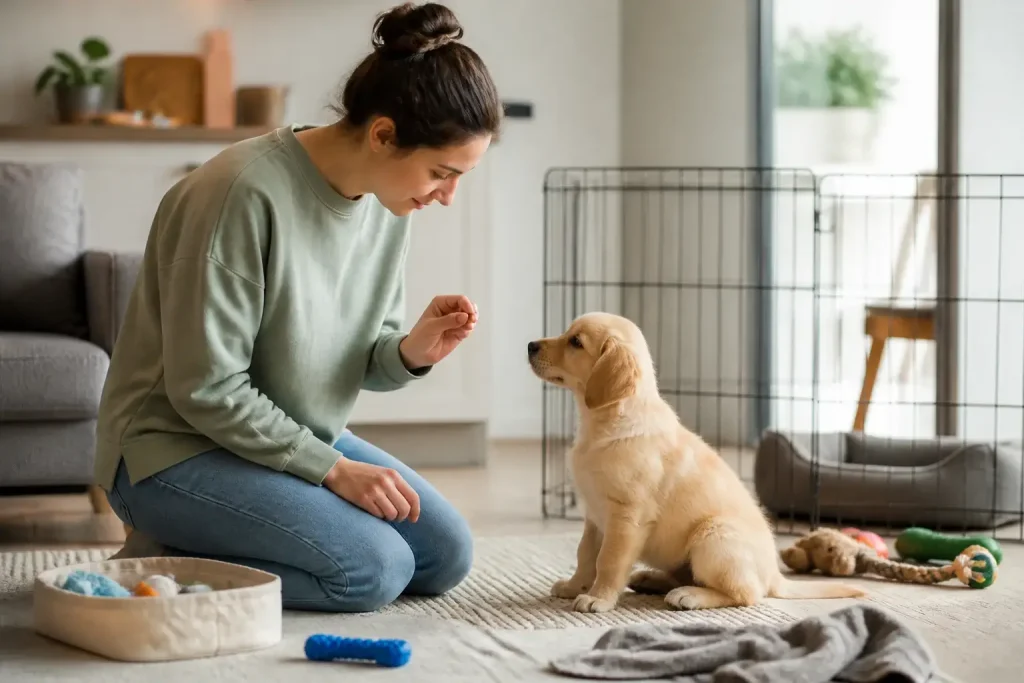
Puppy behavior management is the practical process of teaching a young dog how to live safely, calmly, and cooperatively with people. It includes prevention, communication, training, enrichment, supervision, and thoughtful responses to unwanted behavior. The goal is not to suppress normal puppy behavior or demand instant obedience. It is to guide developing habits before they become difficult patterns, while protecting trust and supporting healthy emotional development.
A puppy may chew furniture, mouth hands, bark, jump, eliminate indoors, steal objects, or struggle to settle. These behaviors are common, but common does not mean they should be ignored. Each behavior offers information about the puppy’s needs, arousal level, learning history, and environment. Effective management reduces opportunities for mistakes, rewards desirable choices, and teaches an acceptable alternative.
The most persuasive reason to begin early is not perfection. It is prevention. Small, consistent lessons can make daily life easier, reduce household conflict, and help a puppy become a resilient companion. Training should remain kind, realistic, and appropriate for the puppy’s age, health, temperament, and previous experiences. When behavior changes suddenly, seems extreme, or includes fear or aggression, consult a veterinarian and a qualified reward based behavior professional.
What Puppy Behavior Management Includes
Management differs from punishment. Management changes the environment so a puppy is less likely to rehearse unwanted behavior. For example, closing a bathroom door prevents access to towels, while placing a chew toy nearby gives the puppy a suitable option. Training then teaches what to do when the relevant situation occurs.
A useful plan contains four parts. First, identify the trigger or context. Does biting happen during energetic play, handling, evening excitement, or frustration? Second, meet basic needs, including sleep, food, movement, toileting, exploration, and social contact. Third, arrange the environment to prevent predictable errors. Fourth, reinforce the behavior you want repeated.
Keep expectations developmentally appropriate. Puppies have limited impulse control and short attention spans. A young dog may understand a cue in a quiet room but fail when visitors arrive. That is not stubbornness; it means the behavior has not generalized. Increase difficulty gradually, practice in several safe settings, and reward generously when the puppy succeeds.
Creating a Supportive Home
Use Management Tools
A puppy proofed home is an important training tool. Secure electrical cords, medications, cleaning products, toxic plants, small objects, and unsafe foods. Use gates, a pen, or a crate when direct supervision is impossible, but never use confinement as a substitute for exercise, companionship, or teaching.
A crate should be introduced as a comfortable resting area. Feed meals nearby or inside it, provide safe enrichment, and allow the puppy to enter voluntarily whenever possible. Avoid forcing a frightened puppy into confinement or leaving one distressed for prolonged periods. Some puppies prefer a pen or gated room, and a flexible approach is often more effective.
Keep legal chewing options available in several locations. Choose items appropriate for the puppy’s size and chewing style, inspect them regularly, and remove damaged pieces. Rotate toys so they remain interesting. If the puppy grabs a forbidden object, calmly exchange it for a reward or toy rather than chasing, scolding, or pulling forcefully.

Protect Sleep and Recovery
Puppies often need substantial sleep, although exact requirements vary with age and individual development. Over tired puppies may become mouthy, frantic, noisy, or unable to settle. A predictable rhythm of toileting, eating, gentle activity, training, and rest can prevent many difficult episodes.
Observe early signs of fatigue: wandering, repeated biting, sudden barking, clumsy movement, or loss of interest in food. Guide the puppy toward a quiet area before arousal becomes overwhelming. Rest should be peaceful rather than punitive. Children should learn not to disturb a sleeping dog, and adults should provide a retreat where the puppy can disengage.
Teaching Essential Household Skills
Toilet Training
Successful toilet training relies on timing and supervision. Take the puppy outside after waking, eating, drinking, playing, and exciting activity, and offer additional trips according to the puppy’s age and individual pattern. Stay present, wait quietly, and reward immediately after elimination in the correct place.
Indoor accidents are information, not moral failures. Clean the area thoroughly with an appropriate enzymatic cleaner, review the schedule, and supervise more closely. If you find an accident later, punishment will not connect your response to the earlier action. Persistent accidents, straining, unusual thirst, diarrhea, or regression warrant veterinary advice because medical problems can affect elimination.
Biting and Mouthing
Puppies explore with their mouths, and teething can increase chewing. Teach bite inhibition through calm, consistent responses. When teeth touch skin, pause the game, move hands away, and offer a toy. If the puppy remains highly aroused, end interaction briefly and help the puppy settle. Avoid yelling, hitting, holding the muzzle, or rough wrestling that encourages harder biting.
Reward gentle contact, four paws on the floor, and choosing a toy. Wear sturdy clothing temporarily, provide appropriate chews, and avoid games that repeatedly invite grabbing hands. Children should not be expected to manage biting alone. Adult supervision and clear instructions are essential.
Jumping and Greeting
Jumping is often rewarded accidentally because people speak, touch, or make eye contact. Teach an alternative, such as standing, sitting, or keeping four paws on the floor. Ask visitors to wait quietly, turn away from jumping, and greet only when the puppy is calmer. Begin with low excitement and increase difficulty gradually.
A leash or barrier can prevent rehearsal without jerking or dragging the puppy. Reward the behavior you want before the greeting, not only after a failed attempt. If the puppy becomes fearful or excessively excited around people, reduce intensity and seek professional guidance rather than forcing interaction.
Barking and Vocalization
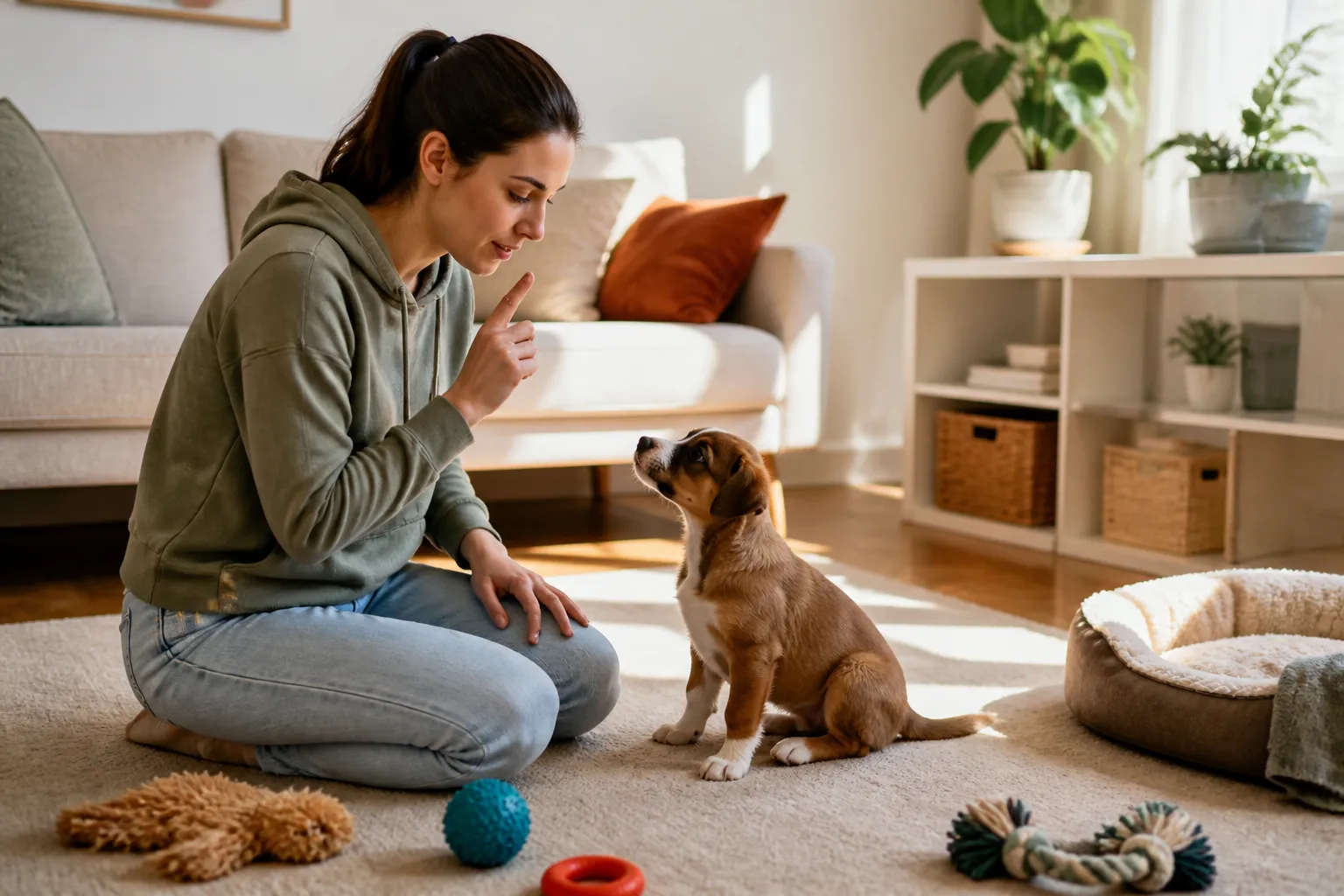
Barking can communicate excitement, fear, frustration, alertness, discomfort, or a desire for attention. Listen to the context before choosing a response. Block the view of passing stimuli, add distance, provide a quiet activity, and reward moments of silence. Teach a calm response to a predictable sound at a low intensity.
Do not punish fear based barking with shouting or aversive equipment. Such methods may suppress sound while increasing anxiety. If barking is sudden, relentless, associated with pain, or directed toward people or animals with threatening body language, consult a veterinarian or behavior professional.
Building Focus and Emotional Skills
Reward Based Learning
Reward based training means delivering something the puppy values after a desired behavior. Food is often efficient, but play, praise, access to sniffing, or a chance to greet can also function as rewards. Timing matters: deliver the reward immediately enough for the puppy to connect action and consequence.
Use short sessions, simple criteria, and frequent success. Teach a name response, hand target, recall, sit, down, leave it, drop, settle, and polite leash movement. These skills are most useful when practiced as everyday cooperation, not only in formal sessions.
Avoid demanding cues repeatedly. If the puppy does not respond, make the environment easier, improve the reward, check distractions, or teach the behavior more clearly. Repetition without success can weaken communication and create frustration for both of you.
Socialization Without Overload
Socialization is not forcing a puppy to meet everyone. It is carefully introducing varied people, surfaces, sounds, environments, handling experiences, and friendly animals while preserving safety and emotional comfort. The puppy should be able to observe, investigate, retreat, and recover.
Pair new experiences with food, distance, play, or calm praise. Watch body language such as tucked posture, lip licking, freezing, hiding, frantic pulling, or refusal of food. These signs suggest the experience is too intense. Increase distance, shorten exposure, and try again later.
Discuss vaccination timing and safe social opportunities with your veterinarian. Controlled classes led by qualified instructors can provide useful practice, but crowded or poorly supervised settings may overwhelm a young dog. Social confidence grows through repeated successful experiences, not forced exposure.
Handling and Cooperative Care
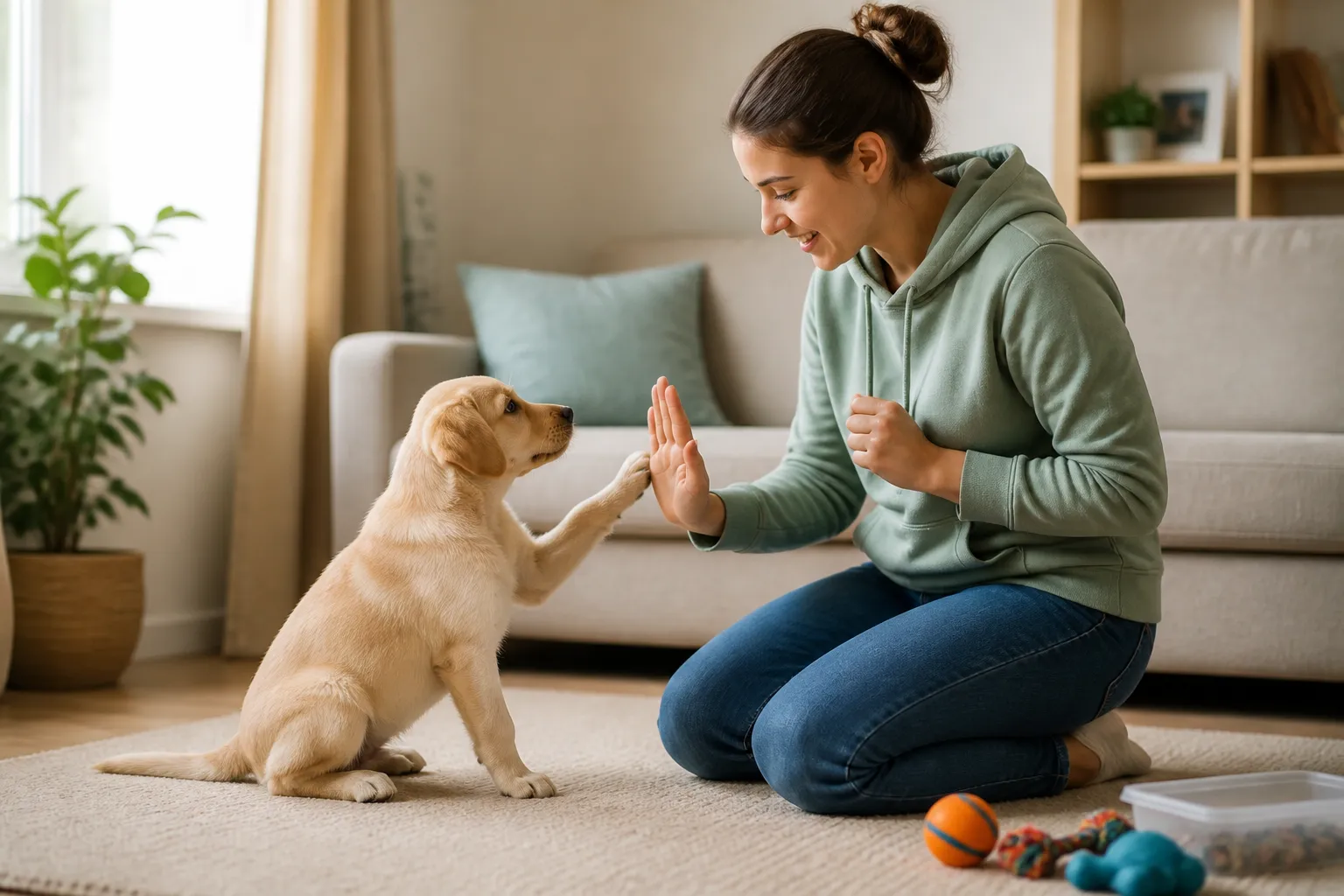
Gently teach the puppy that paws, ears, mouth, collar, and body can be handled safely. Touch briefly, deliver a reward, and stop before the puppy struggles. Build duration and complexity slowly. Practice with grooming tools, towel drying, nail equipment, and a collar or harness.
Never pin a puppy down to force compliance. If handling already causes panic, snapping, or intense resistance, obtain professional help and ask a veterinarian to rule out pain. Cooperative care protects future grooming and medical visits because the puppy learns that signals are predictable and escape is possible through calm cooperation.
Exercise, Enrichment, and Leash Habits
Physical activity matters, but more exercise is not always the answer. Excessive impact or forced endurance may be unsuitable for growing bodies, and relentless activity can create a puppy who struggles to rest. Favor age appropriate movement, sniffing, free play on safe surfaces, and brief training.
Mental enrichment can be equally valuable. Offer food puzzles, scatter feeding, scent games, safe shredding activities, simple shaping exercises, and supervised exploration. Rotate options and observe whether an activity calms or overstimulates. Enrichment should challenge without causing frustration that the puppy cannot resolve.
For leash training, begin indoors or in a quiet area. Reward the puppy for noticing the leash, following gentle movement, and returning attention to you. Do not expect a loose leash in a busy park immediately. Use a comfortable, properly fitted harness or collar, avoid sudden corrections, and prioritize safety around traffic and unfamiliar dogs.
Responding to Problem Behavior
When unwanted behavior occurs, pause before reacting. Ask what happened immediately beforehand, what the puppy gained or avoided, and what change would prevent repetition. This simple review turns frustration into a training plan.
If a puppy steals an item, trade rather than chase. If barking begins at the window, alter the view and offer a quiet activity. If jumping occurs, remove attention and reinforce standing. If biting escalates during play, end interaction and provide rest. The response should be calm, brief, and consistent.
Punishment can create fear, avoidance, defensive behavior, or confusion, especially when the puppy cannot understand which action caused the consequence. This does not mean boundaries are unnecessary. Clear limits, environmental control, and predictable rewards teach effectively without intimidation.
Aggression, guarding, repeated fear, severe separation distress, self injury, and behavior that risks harm deserve prompt professional attention. A veterinarian can investigate pain or illness, while a qualified behavior consultant can create a tailored plan. Do not test a potentially dangerous situation or rely on internet advice alone.
A Practical Daily Routine
A routine does not need to be rigid. On waking, provide a toilet opportunity, food, gentle interaction, and a short learning session. Follow with supervised exploration or play, then quiet rest. Repeat this cycle throughout the day, adjusting for age, appetite, household demands, and the puppy’s signals.
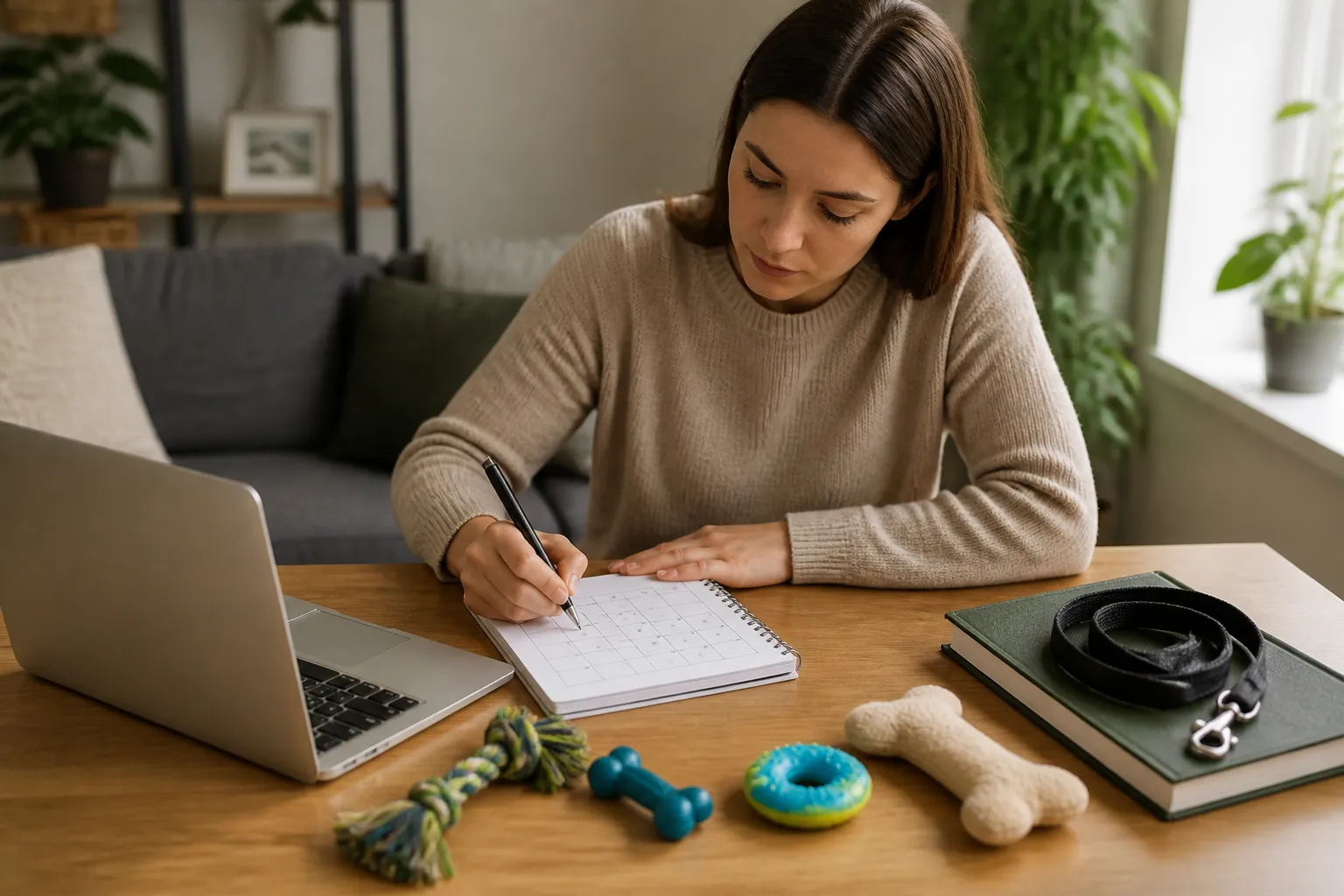
Record useful observations for several days: sleep, meals, elimination, activity, triggers, successful rewards, and difficult periods. Patterns often appear quickly. Perhaps biting increases before dinner, accidents follow exciting visitors, or barking occurs when the puppy lacks a nap. Adjusting timing may solve more than adding commands.
Involve every household member. Agree on words, rules, greeting procedures, feeding practices, and responses to biting or stealing. Inconsistency does not make a puppy bad, but it makes learning slower. Children can help scatter treats, practice simple cues with an adult, and respect rest areas, while adults retain responsibility for safety and supervision.
Choosing Helpful Training Resources
Look for instructors who explain learning clearly, welcome questions, manage class intensity, and use humane, reward based methods. Be cautious of anyone promising instant results, claiming dominance explains every problem, or recommending fear, pain, or forced submission. A good professional considers welfare, environment, health, and individual temperament.
Puppy classes can support social learning and provide coaching, but class attendance alone will not establish household habits. Practice at home in tiny sessions. If a course uses equipment or techniques you do not understand, ask for an explanation and consider whether the method improves safety and trust.
A veterinarian should be part of the puppy’s support team. Health checks, nutrition discussions, parasite prevention, vaccination planning, and pain assessment all influence behavior. Behavior is not separate from physical wellbeing; a puppy who cannot hear, digest food comfortably, sleep, or move without pain may behave differently.
Frequently Asked Questions
How long should puppy training sessions last?
Use brief sessions that end while the puppy is still successful and interested. The right duration varies by age, temperament, task, and environment. Several small practices usually work better than one demanding lesson. Stop when concentration drops, frustration rises, or the puppy needs sleep.
Is crate training necessary?
No single management tool is mandatory. A crate can help with safe transport, rest, and prevention, but a pen, gated room, or supervised tether may suit a particular puppy better. Any confinement area should be introduced gradually, remain comfortable, and never be used to punish distress.
How do I stop my puppy from chewing furniture?
Prevent access, provide appealing legal chews, supervise closely, and reward the puppy for choosing them. If chewing suddenly increases, review teething, boredom, stress, sleep, and exercise. Medical discomfort or anxiety may also contribute, so persistent or unusual chewing merits professional advice.
Should I use treats for everything?
Treats are useful, especially when teaching new behavior, but they are not the only reward. Gradually vary rewards with play, praise, access to sniffing, toys, or life opportunities. Food portions should fit the puppy’s overall diet, and training rewards should not replace balanced nutrition.
What should I do if my puppy growls?
Do not punish the growl. Treat it as communication that the puppy feels uncomfortable, worried, protective, or overexcited. Stop the interaction, create distance, and identify the trigger. Because growling can precede a bite, seek qualified guidance, particularly if it occurs around food, objects, handling, children, or strangers.
When should I seek professional help?
Seek help promptly for biting that breaks skin, aggression, intense fear, guarding, separation distress, dangerous chasing, self injury, or rapid behavior change. Early guidance is often easier and safer than waiting. Choose a veterinarian and behavior professional who use humane, evidence informed practices.
Conclusion
Puppy behavior management works best when it combines prevention, patience, communication, and purposeful reinforcement. Protect the puppy from rehearsing dangerous habits, meet basic needs, teach practical alternatives, and make desirable behavior worthwhile. Provide sleep, enrichment, safe socialization, and respectful handling rather than expecting obedience through pressure.
Progress will not be perfectly linear. Developmental changes, exciting environments, illness, teething, and tiredness can temporarily affect performance. Measure improvement by recovery, communication, and growing cooperation, not by whether every day is effortless. When a plan is not working, change the setup and seek informed help instead of escalating punishment.
A well-managed puppy is not a robot. It is a young learner whose behavior reflects biology, experience, surroundings, and relationships. By responding thoughtfully, you build more than manners. You create a foundation of safety and trust that supports learning throughout the dog’s life. The most effective investment is consistent guidance delivered with kindness, clear boundaries, and realistic expectations every day.