
Why Distraction Proofing Matters
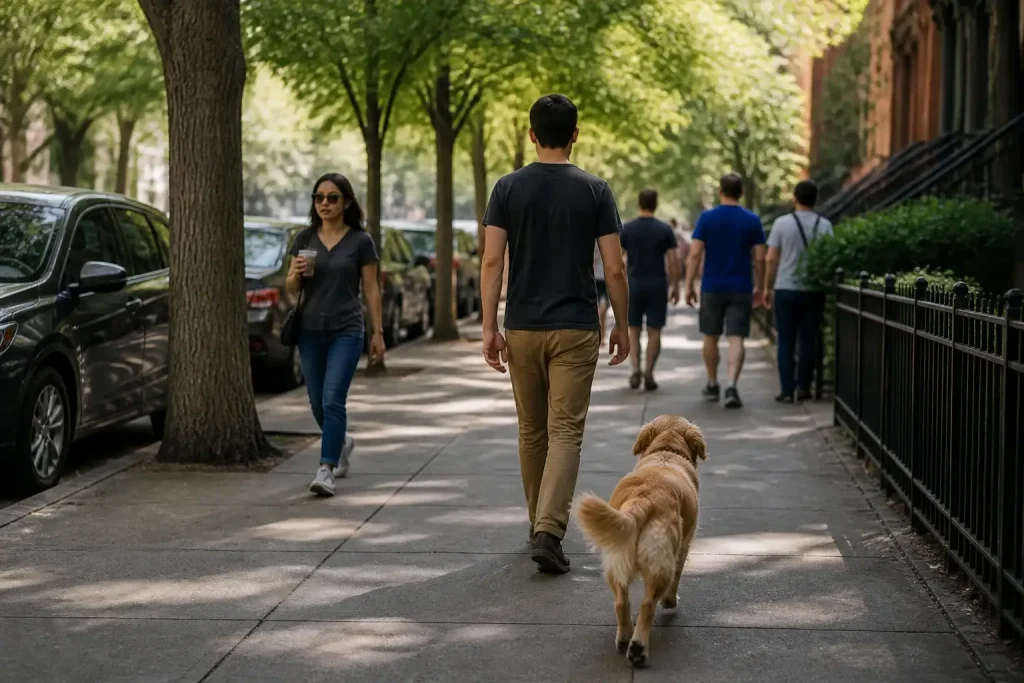
A reliable recall is more than a dog turning toward its handler in a quiet room. It is the ability to stop an interesting activity, orient to a cue, travel toward the handler, and remain responsive despite competing sights, sounds, scents, movement, or social opportunities. Advanced training develops that reliability gradually. It does not create an automatic guarantee, and no recall should replace sensible management in unsafe environments.
Distraction proofing means teaching the dog that responding remains worthwhile when the environment becomes difficult. The goal is not to overwhelm the dog until it gives in. The goal is to arrange challenges carefully, reinforce successful choices, and build a history in which returning predicts safety, access to rewards, and continued cooperation.
A useful training plan balances three factors: the value of the distraction, the distance from it, and the dog’s current arousal. If any one factor is too intense, the dog may be unable to learn. Begin where the dog can notice the distraction and still eat, think, and respond. Then increase difficulty in small, observable steps.
Establish a Recall That Can Be Proofed
Before working around major distractions, choose a consistent recall cue. A word, whistle, or other signal should have one meaning: immediately orient and move toward the handler. Avoid repeating it when the dog is unlikely to respond. Repetition can teach the dog that the cue is background noise.
Build the cue in easy settings first. Say it once, use an inviting body position, and reward the dog when it reaches you. Rewards may include food, a toy, praise, touch, permission to resume an activity, or a combination. The best reward depends on the individual dog and the situation.
Practice several short recalls rather than one long session. After each successful response, release the dog back to exploration when safe. This prevents recall from becoming a signal that all enjoyable activity ends. A dog that repeatedly loses freedom after responding may begin avoiding the handler, even if food is offered.
Reinforce the Entire Response
A complete recall has several parts: noticing the cue, turning away from the distraction, moving continuously, arriving close enough to be safely controlled, and allowing a collar or harness hold if needed. Reinforce the behavior you require in real life.
For example, if the dog must be leashed after returning, practice gently holding the harness, feeding, and releasing again. If the dog must sit while a gate opens, teach that separate skill before adding strong distractions. Do not assume that arriving near you automatically means the dog will tolerate restraint.
Use generous reinforcement for difficult successes. Reinforcement does not bribe a dog; it explains which behavior earns valuable consequences. Over time, rewards can become varied, delayed briefly, or delivered through access to the environment, but they should not disappear merely because the dog has improved.
Create a Distraction Ladder
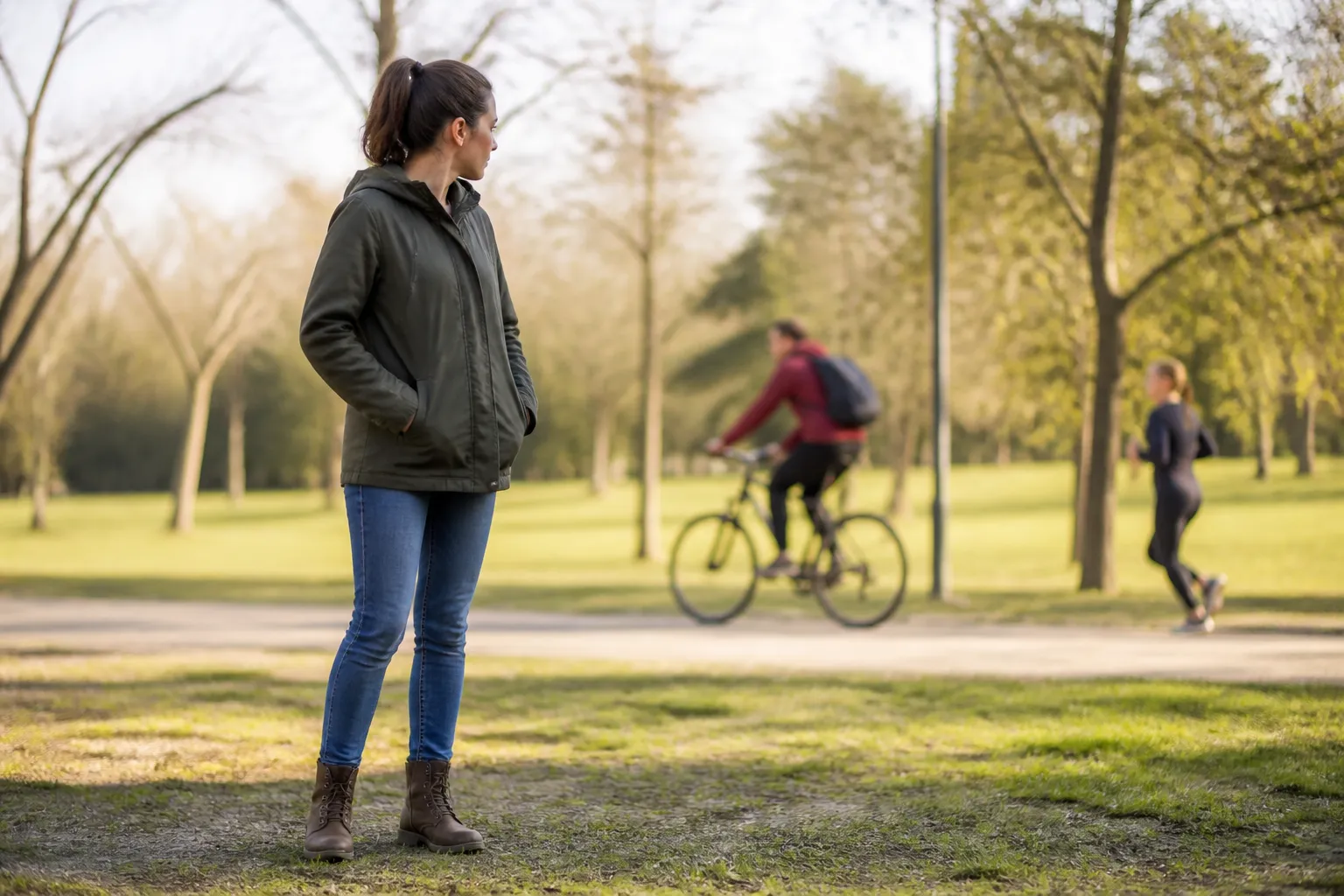
A distraction ladder ranks situations from easy to difficult. It may begin with a toy lying several feet away, progress to a person walking past, and eventually include moving animals or a busy public setting. The exact order should reflect your dog’s triggers, history, temperament, and safety needs.
Change one major variable at a time. If you add distance from the dog, use a familiar distraction. If you introduce movement, work closer to home. If you train near other dogs, reduce duration and increase reward value. Changing location, distance, movement, noise, and social pressure simultaneously makes failure difficult to interpret.
Record simple observations after sessions. Note the distraction, distance, response latency, reward used, and whether the dog recovered quickly. This information reveals patterns. A dog may respond well to bicycles at a distance but struggle with running children, or recall from food but not from a familiar dog.
Use Threshold as a Training Guide
Threshold is the point at which emotional arousal interferes with useful learning. A dog below threshold can usually orient, take food, and perform known behaviors. Near threshold, responses become slower and less precise. Above threshold, the dog may stare, lunge, vocalize, freeze, or ignore familiar cues.
Threshold is not a fixed distance. It changes with sleep, pain, stress, weather, previous activity, and the attractiveness of the distraction. Begin farther away than you think necessary. If the dog struggles, increase distance, reduce movement, lower the distraction’s value, or end the exercise calmly.
Avoid interpreting a failed response as stubbornness. A dog that cannot disengage may need less intensity, more distance, or a different reinforcement plan. Repeatedly calling through overwhelming stimulation can weaken the cue and increase frustration for both partners.
Progress Through Controlled Setups
Controlled setups allow you to practice without relying on luck. A helper can walk, jog, toss a toy, or stand at a distance while you manage the dog on a long line. Start when the dog is calm. Let the dog observe the distraction, then cue recall before attention becomes locked onto it.
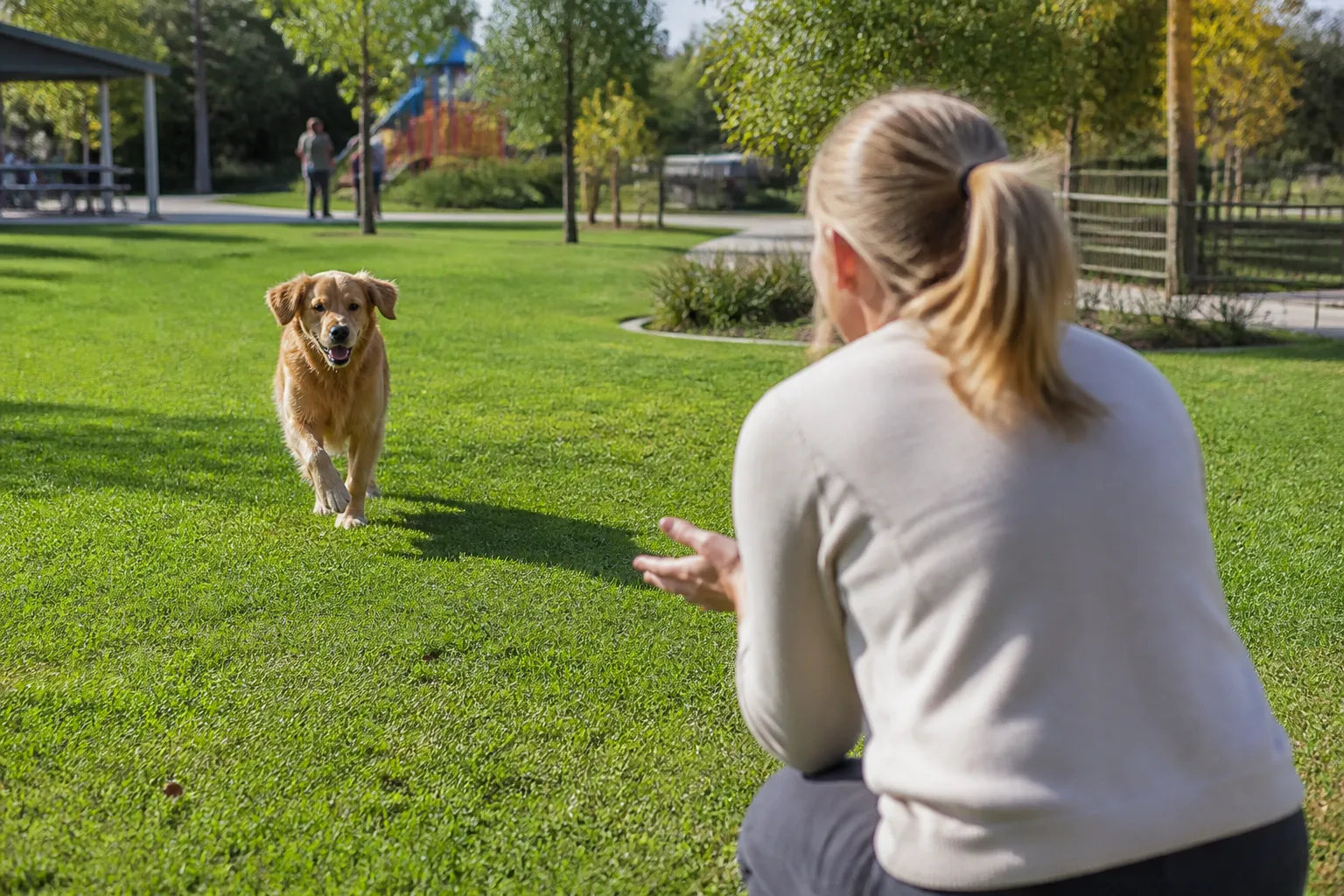
Reward orientation immediately, even before the dog reaches you, if that helps maintain movement. Continue reinforcing as the dog approaches. When the dog arrives, offer a high-value reward and, when safe, release it to look again. This teaches that disengaging does not always mean permanent loss.
Increase only one aspect of difficulty after several successful repetitions. You might move the helper closer, add motion, increase the dog’s freedom, or reduce the reward’s frequency. If performance drops sharply, return to the previous level rather than pushing through repeated failure.
Use Long Lines Safely
A long line provides a margin of safety while allowing natural movement. Attach it to a well-fitted harness designed for the activity, or use equipment recommended by a qualified trainer. Avoid wrapping the line around hands, legs, trees, or other people. Gloves and open areas can reduce injury risk.
Do not use the line to drag the dog toward you. If the dog does not respond, prevent access to the distraction without adding painful pressure, then create an easier repetition. The line is management, not a substitute for training.
Keep enough distance to prevent sudden acceleration. A dog running at the end of a line can injure itself or the handler. Watch the surface, nearby obstacles, and other animals. In public places, comply with local leash requirements and choose areas where the setup will not inconvenience others.
Make Rewards Functional
Food is often powerful, but advanced recall benefits from a broad reinforcement menu. A dog may value chasing a tossed toy, sniffing a hedge, greeting a known person, or continuing a walk. These rewards can be delivered strategically when they are safe and appropriate.
Premack’s principle describes using a likely behavior to reinforce a less likely behavior. After the dog recalls, you might say a release cue and allow sniffing. After a calm response near a toy, you might permit a short game. The permission must follow the recall, not replace it.
Match reward quality to difficulty. Ordinary kibble may work in a quiet yard, while roast meat or a favorite toy may be necessary near an exciting movement trigger. This is not a permanent escalation. As skills improve, reinforcement can become less predictable, but challenging environments still deserve meaningful payment.
Avoid showing the reward only after the dog ignores the first cue. Instead, arrange the environment so success is likely, cue once, and deliver the consequence promptly. If a dog repeatedly hears a cue before the reward appears, the cue may lose clarity.

Teach Disengagement Separately
Recall is easier when the dog already knows how to shift attention. Train a name response, hand target, “look” behavior, or orientation to a whistle in low-distraction locations. Reinforce the instant the dog turns toward you.
A release cue is equally important. It tells the dog when the exercise is finished and reduces uncertainty. Many dogs work better when they know they can return to exploration after responding. Keep the release distinct from the recall cue.
You can also teach an emergency recall with a special signal used only for serious situations. Condition it with unusually valuable rewards in easy settings, then maintain it periodically. Never test it casually, and do not use it for routine situations that ordinary training can handle.
Generalize Across Environments
Dogs do not automatically transfer a behavior from one location to another. A recall learned in a kitchen may be less reliable in a garden, field, car park, or wooded trail. Generalization requires practice across surfaces, weather, times of day, distances, and distraction types.
Change locations gradually. Begin in a familiar area, then visit a quiet new place while using a long line. Keep early sessions brief and reward generously. When the dog succeeds, introduce modest environmental complexity rather than jumping directly to a crowded park.
Practice with realistic distractions, but do not rehearse unsafe scenarios. If the dog chases wildlife, keep it leashed in areas where wildlife may appear. If the dog is reactive toward dogs, use distance and qualified professional support. A reliable recall is valuable, but management remains essential.
Troubleshoot Common Problems
If the dog comes slowly, examine the entire sequence. Was the cue repeated? Was the handler moving away? Was the reward less valuable than the distraction? Did the dog expect confinement afterward? Improve the setup before adding pressure.
If the dog comes close but avoids being caught, reinforce collar touches, harness grabs, and brief holds separately. Feed, release, and repeat. Never turn every arrival into a struggle. A dog must learn that being caught is predictable and safe.

If the dog stops responding outdoors, return to easier locations and use more management. Outdoor failure often reflects a large jump in difficulty, not a lack of understanding. Reduce distance from the handler, lower distraction intensity, and rebuild.
If the dog runs away during practice, do not chase unless safety requires it. Chasing may become an exciting game. Move away, crouch, use the trained signal, or scatter food if appropriate. Once the dog is recovered, analyze how the escape occurred and prevent a repeat through better equipment and planning.
Build Reliability Without Overtesting
Testing is different from training. Training arranges conditions for success; testing exposes the behavior to uncertainty. Frequent tests can produce failures that weaken the cue. Instead, continue teaching while occasionally assessing performance under carefully controlled conditions.
Vary reinforcement, but retain a strong reinforcement history. Some recalls may earn food, others a toy, praise, or environmental access. Difficult responses should still receive better consequences than easy ones. Intermittent reinforcement does not mean random neglect.
End sessions after a few successful repetitions, especially when distractions are intense. Fatigue reduces impulse control and may make the dog more reactive. A short, successful practice is usually more useful than a long session that deteriorates.
Safety and Ethical Boundaries
Never use an unverified recall near traffic, cliffs, aggressive animals, open water, or other hazards. Use a leash, secure fencing, and appropriate equipment. Training plans should account for the dog’s physical health, age, sensory abilities, and emotional history.
Punishing a dog for finally returning can create dangerous hesitation. Even if the dog has made a poor choice, reinforce arrival first, secure the dog, and address management later. If the recall is unreliable around a specific trigger, consult a qualified force-free trainer or veterinary behavior professional.
Recall training cannot eliminate every instinct or environmental risk. Some dogs should remain on leash in particular locations. Responsible freedom means matching access to demonstrated skill, not assuming that advanced exercises make every situation safe.
Frequently Asked Questions
How long does distraction proofing take?
There is no universal schedule. Progress depends on learning history, genetics, reinforcement, environment, and the difficulty of the distractions. Several brief practices each week may produce steady improvement, but reliability develops through many successful repetitions rather than a fixed number of days.
Should I repeat the recall cue?
Usually, no. Say it once, then help the dog succeed through distance, movement, a long line, or reduced distraction. Repeated cues teach the dog that responding to the first signal is optional. If you accidentally repeat it, avoid turning the moment into conflict; simply make the next repetition easier.
What if my dog ignores food outdoors?
Use a more valuable reward, reduce arousal, or offer functional reinforcement such as sniffing or toy play. If the dog cannot eat, the environment may be too difficult. Increase distance and train orientation before demanding a full recall.
Can I practice around other dogs?
Yes, with careful management. Use calm, known helper dogs, sufficient distance, and secure equipment. Do not call a dog away from an unfamiliar dog off leash unless you can control the situation. For fear, frustration, or aggression, seek professional guidance.
Is an emergency recall necessary?
It is useful for many dogs, but it requires special conditioning and maintenance. Choose a distinctive signal, pair it with exceptional rewards, and practice only in controlled settings. Continue using ordinary recall for routine needs so the emergency signal retains its special meaning.
When can I stop using a long line?
Reduce reliance only after the dog succeeds repeatedly at the same distraction level and location, then assess a slightly harder setting. Keep a line available during transition. Freedom should expand gradually, and local leash laws still apply.
Conclusion
Proofing recall around distractions is a process of carefully increasing difficulty while protecting the dog’s ability to succeed. Build a clear cue, reinforce the full return, teach disengagement, use a distraction ladder, and manage distance with a long line when appropriate. Let rewards reflect the challenge, and practice in varied environments rather than assuming skills transfer automatically.
The strongest recall is supported by preparation, not by force or wishful testing. Observe arousal, adjust the setup, and treat each response as information. When a dog struggles, make the next repetition easier. When it succeeds, reward generously and sometimes return it to the activity it left.
Advanced training should expand safe choices while respecting individual limits. With consistent practice, thoughtful reinforcement, and responsible management, many dogs can become far more responsive around real-world distractions without being placed in unnecessary danger.