

A senior dog diet plan should protect muscle, support comfortable movement, maintain an appropriate body condition, and accommodate changing digestion, teeth, appetite, and medical needs. The best plan is not automatically the food labeled “senior.” It is a practical feeding strategy built around your dog’s age, size, activity, body condition, health history, and veterinary advice. Older dogs vary widely: one may need fewer calories after becoming less active, while another may need concentrated nutrition because illness or muscle loss has reduced appetite.
Use this guide to create a safer, more useful routine. It explains what to feed, how to compare products, how to adjust portions, and which warning signs deserve professional attention. Because kidney disease, diabetes, heart disease, cancer, pancreatitis, arthritis, allergies, and dental problems can change dietary requirements, consult your veterinarian before making major changes, especially if your dog takes medication or is losing weight.
Senior Dog Diet Plan: What Changes as Dogs Age
Aging often brings lower activity, reduced muscle mass, altered metabolism, and slower recovery from illness. Some dogs gain weight because they burn fewer calories, whereas others become thin because chewing is difficult, smell is weaker, or disease affects appetite. Senior dogs may also drink or urinate differently, develop constipation, or become less tolerant of rich treats.
These changes make body condition more useful than age alone. A healthy dog generally has ribs that can be felt under a thin layer of fat, a visible waist when viewed from above, and an abdominal tuck from the side. Prominent ribs, spine, or hip bones may indicate insufficient energy or muscle. A missing waist and heavy fat covering may indicate excess weight. Ask your veterinarian to assess both body fat and muscle condition, since a dog can carry fat while quietly losing muscle.
Food should be adjusted gradually and evaluated repeatedly. Record your dog’s weight, appetite, stool quality, activity, and water intake. Small trends are easier to correct than dramatic changes.
Building the Daily Diet
Choose Complete, Balanced Nutrition
Select a food identified as complete and balanced for your dog’s life stage or suitable for all life stages, according to the nutritional adequacy statement on the label. A senior formula can be convenient, but the word “senior” does not guarantee suitability. Compare the formula’s calories, protein, fat, fiber, minerals, and feeding guidance, then consider your dog’s individual needs.
Ingredients matter, but they should not be judged in isolation. A recognizable ingredient list does not prove that a diet is nutritionally adequate, and an unfamiliar ingredient is not automatically harmful. Look for a manufacturer that provides clear nutritional information, quality control details, and access to knowledgeable customer support. Your veterinarian can help interpret labels when your dog has a diagnosed condition.
Commercial dry food, canned food, gently cooked food, or a combination may work. Dry food is convenient and often energy dense. Canned food contains more water and may be easier to chew. Mixed feeding can improve acceptance, but count calories from every source. Homemade diets require careful formulation, usually with veterinary nutrition guidance, because ordinary recipes can lack essential nutrients or contain unsafe proportions of minerals.
Prioritize Adequate Protein
Protein supplies amino acids needed for muscles, skin, enzymes, immune function, and repair. Healthy older dogs do not automatically need protein restricted simply because they are old. In many cases, maintaining high-quality, digestible protein helps preserve lean tissue. However, dogs with certain kidney or liver disorders may need a carefully designed therapeutic diet. Do not restrict protein without professional guidance.
Evaluate the whole formula rather than focusing on a single meat ingredient. Digestibility, amino acid balance, calorie density, and your dog’s tolerance all matter. If a senior dog is losing muscle, discuss examination, bloodwork, pain control, and an appropriate protein and calorie strategy with your veterinarian instead of adding random supplements.
Manage Calories and Fat
Calories should match body condition and activity. Feeding the package’s suggested amount is a starting point, not a guarantee. Instructions may not reflect your dog’s metabolism, neuter status, exercise, or treats. Measure food with a standard measuring cup at minimum; a kitchen scale offers greater accuracy, especially for small dogs.
If your dog is overweight, reduce calories cautiously and preserve nutritional completeness. Replace some treats with small pieces of the regular diet, or use low-calorie options approved by your veterinarian. Avoid severe restriction, which can worsen hunger and reduce nutrient intake. If your dog is underweight, simply adding fatty table scraps may trigger digestive upset or pancreatitis. A more calorie-dense complete food, smaller frequent meals, and investigation of the underlying cause are safer approaches.
Fat provides energy and supports absorption of certain vitamins, but very rich diets may be unsuitable for dogs prone to pancreatitis or gastrointestinal problems. Ask for individualized advice before increasing fat.
Include Useful Fiber and Moisture
Fiber can support stool regularity and satiety, yet excessive or poorly tolerated fiber may reduce energy density or cause gas. Dogs with constipation, diarrhea, obesity, or colitis need different approaches. Introduce fiber gradually and monitor stool quality.
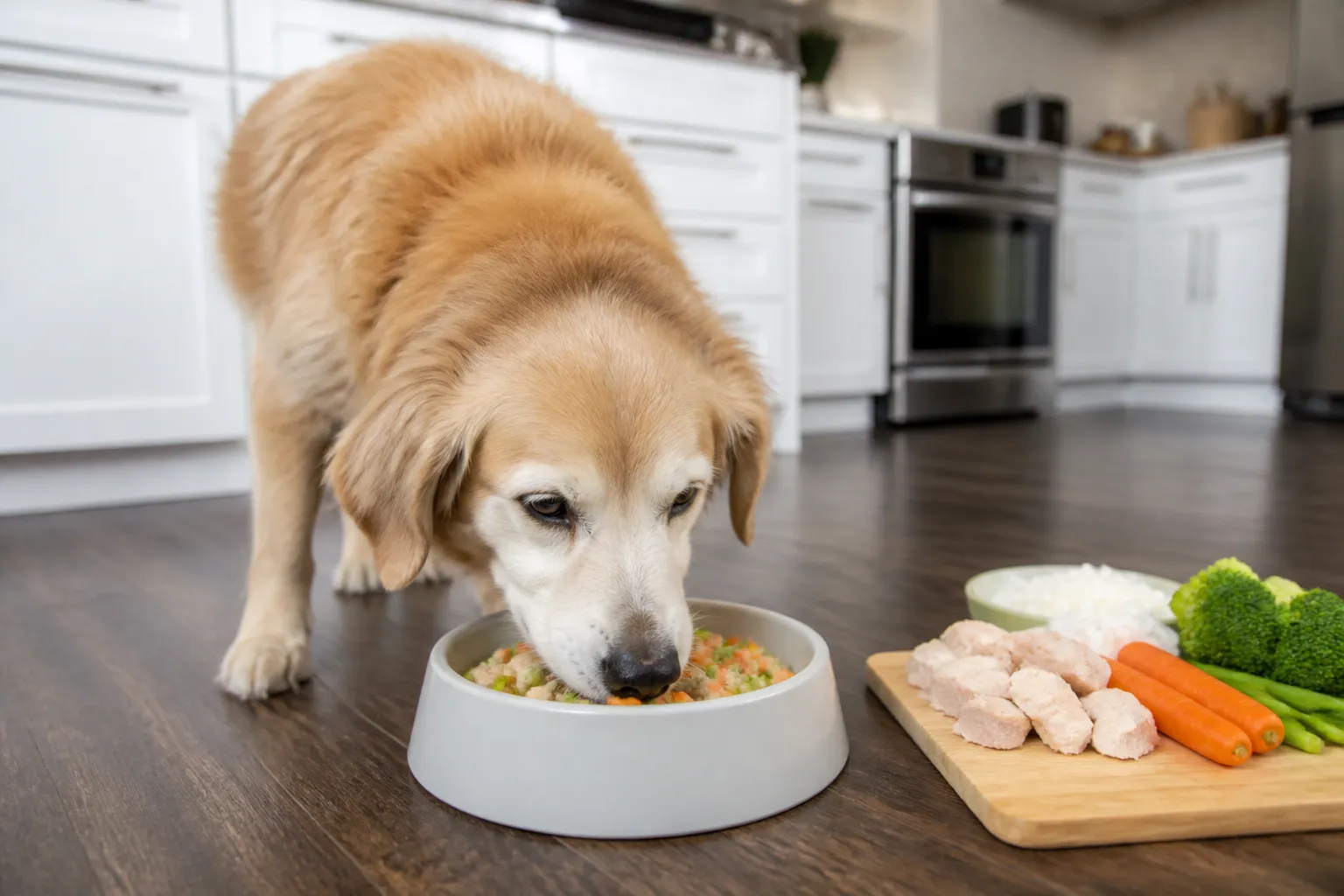
Water is equally important. Provide fresh water at all times and consider adding water to dry food or offering canned food if your veterinarian agrees. Increased thirst can be normal in some circumstances but may also signal disease. A notable change in drinking or urination warrants veterinary discussion rather than dietary experimentation.
Choosing Food Formats and Products
Dry Food
Dry diets are easy to portion, store, and use in puzzle feeders. Their compact energy content can help dogs with small appetites, but some senior dogs find kibble difficult to chew. Soaking kibble in warm water can soften it and release aroma. Discard moistened food that sits out for a prolonged period, particularly in warm conditions, and follow storage directions.
Canned Food
Canned food may help a dog with missing teeth, oral pain, or reduced appetite because it is soft and aromatic. It usually contains more water, so compare calories by can or gram rather than by visual volume. Once opened, refrigerate it as directed and serve appropriate portions. A dog that suddenly refuses hard food should receive a dental examination rather than merely being switched to soft food.
Gently Cooked and Fresh Products
Refrigerated or gently cooked commercial foods can be appealing, but confirm that the product is complete and balanced for your dog’s needs. Check storage, handling, and feeding instructions carefully. Fresh appearance does not substitute for nutritional adequacy.
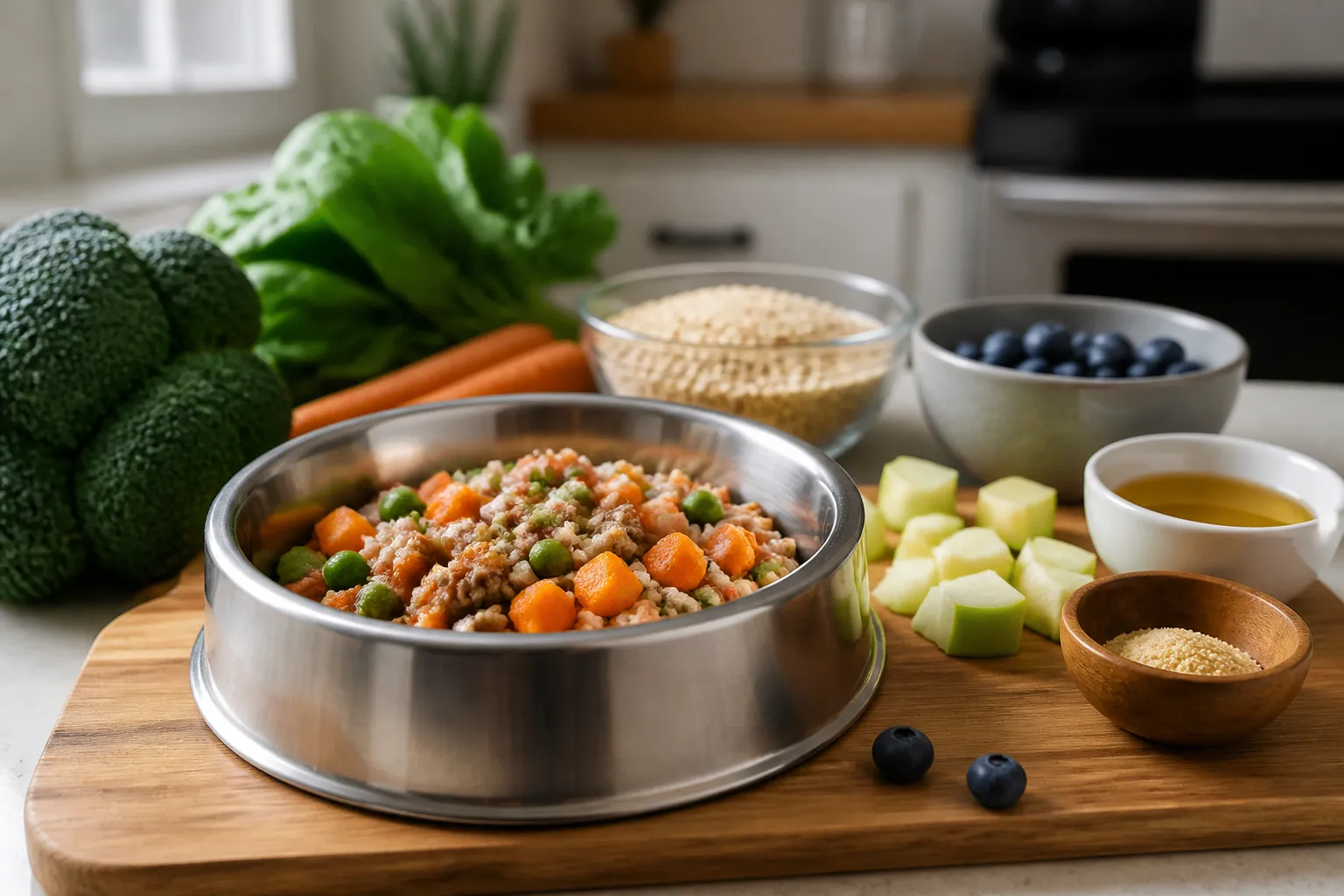
Homemade meals can be appropriate when formulated for the individual dog, but meat, rice, vegetables, and supplements do not automatically create a balanced diet. Calcium, essential fatty acids, trace minerals, and vitamins are common areas of error. Use a recipe prepared by a qualified veterinary nutrition professional, and follow it precisely; substitutions can change nutrient levels.
Treats, Toppers, and Supplements
Treats should remain a modest part of daily intake. Dental chews, biscuits, training rewards, table scraps, toppers, and supplements all count. Choose small portions and avoid toxic foods such as chocolate, grapes, raisins, onions, garlic, alcohol, and products containing xylitol. Bones, very hard chews, and fatty leftovers can cause dental fractures, choking, obstruction, or digestive illness.
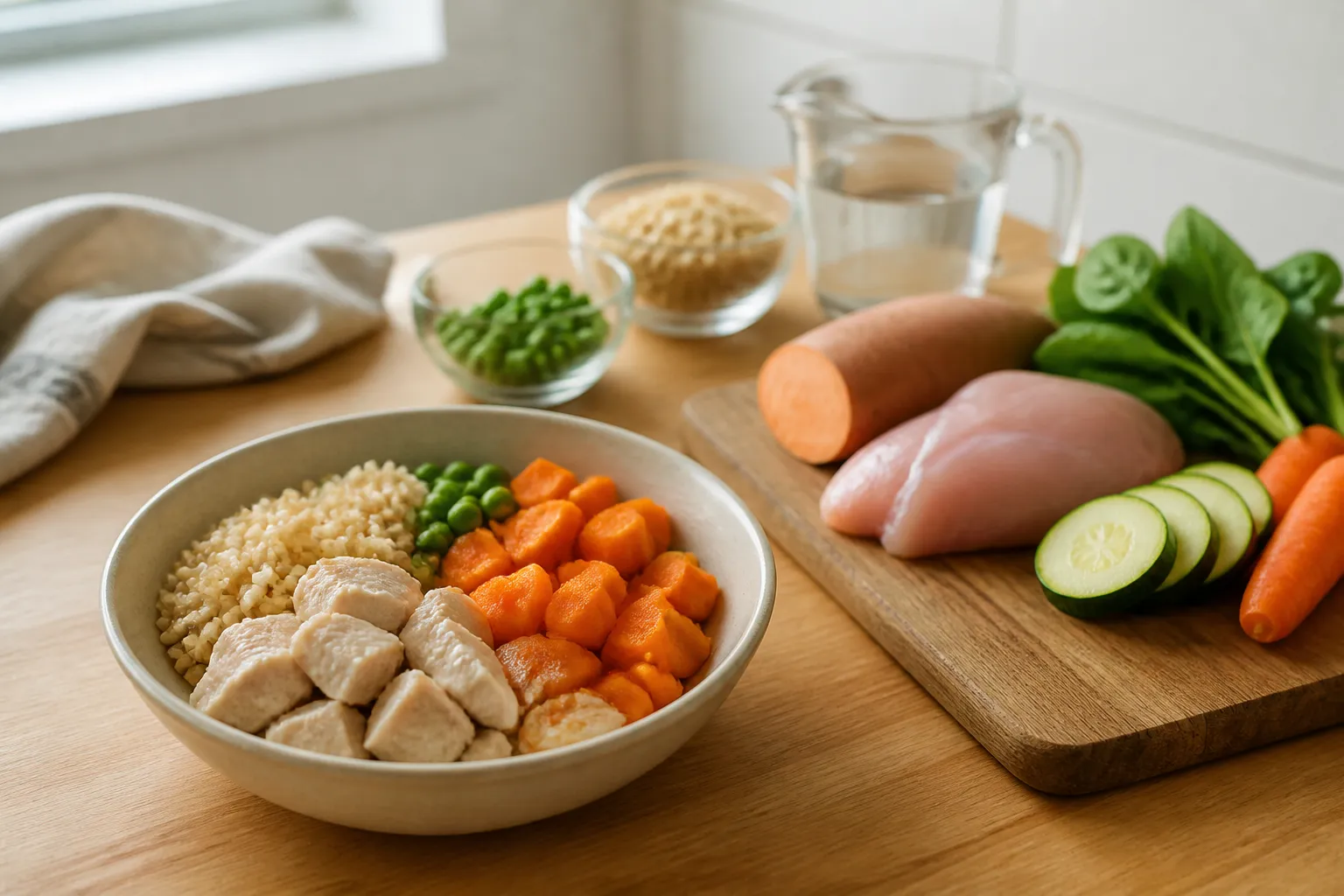
Supplements are not harmless by default. Joint products, fish oil, vitamins, probiotics, and herbal products vary in quality and can interact with medication or add calories. Discuss the product, dose, and purpose with your veterinarian. A supplement should address a specific need, not compensate for an inadequate base diet.
A Practical Feeding Schedule
Divide the daily ration according to your dog’s appetite, digestion, and household routine. Two meals suit many seniors. Three or four smaller meals may help dogs with poor appetite, reflux, nausea, or difficulty eating a large portion. Consistency makes changes easier to notice and can support medication schedules.
Feed in a quiet location where the dog can eat without competition. Raised bowls are not automatically better and may be inappropriate for some dogs; ask your veterinarian if mobility or swallowing is a concern. Use nonslip mats and shallow dishes for dogs with weakness or neck discomfort. A slow feeder can help a dog that gulps, but it should not frustrate a dog with vision, cognitive, or mobility limitations.
Measure the complete day’s food in the morning, then divide it into meals. This prevents accidental double feeding when several family members are involved. Keep a simple record of treats, toppers, medications hidden in food, weight, stools, and appetite.
Introduce a new diet over about a week or longer if your dog is sensitive. Begin with a small proportion of new food mixed into the old, gradually increasing the new portion while reducing the old. If vomiting, persistent diarrhea, refusal to eat, or marked lethargy occurs, stop the transition and contact your veterinarian. Dogs with a medical condition may need a more controlled change.
Adapting the Plan to Common Needs
Weight Gain
Unplanned weight loss deserves investigation. Dental disease, nausea, pain, parasites, endocrine disease, organ dysfunction, cancer, and medication effects can all reduce body weight or muscle. Offer highly palatable complete food in small meals, but do not mask a serious problem with treats. Record weekly weight under similar conditions and arrange a veterinary examination.
Weight Loss
Weight reduction should be gradual and supervised. A veterinarian can estimate an appropriate calorie target, check joints and mobility, and distinguish fat loss from muscle loss. Improve exercise only within the dog’s physical limits. Food puzzles and gentle walks may increase activity, but pain should be addressed first.
Kidney Concerns
Dogs with kidney disease may benefit from a therapeutic diet with controlled nutrients, but the correct formulation depends on laboratory findings and disease stage. Do not apply kidney-disease restrictions to a healthy dog merely because it is old. Encourage eating and hydration according to veterinary guidance, since refusal can quickly become concerning.
Diabetes
Diabetic dogs benefit from predictable meal timing and consistent calorie intake. Dietary composition and insulin requirements must be coordinated by a veterinarian. Avoid changing food, treats, or meal timing casually, because these changes can affect blood glucose and medication needs.
Arthritis and Mobility Problems
A healthy body weight reduces mechanical strain on joints. Some diets and supplements may support joint management, but they do not replace veterinary assessment, pain treatment, safe exercise, and home modifications. Omega-3 fatty acids may be useful for some dogs, yet dose and product quality matter.
Dental Disease
Bad breath, dropping food, chewing on one side, pawing at the mouth, or reluctance to eat can indicate oral pain. Soft food may improve comfort temporarily, but it does not treat dental disease. Arrange professional evaluation and follow home-care recommendations. Never force a painful dog to chew hard treats.
Sensitive Digestion
Repeated vomiting, chronic diarrhea, mucus, blood, gas, or appetite changes should not be managed indefinitely by switching foods. A bland diet may be recommended briefly in specific situations, but prolonged homemade bland meals are usually incomplete. Veterinary examination can identify parasites, inflammation, intolerance, or systemic disease.
Product Description: What a Good Senior Diet Provides
A thoughtfully selected senior dog food should deliver complete nutrition in a form your dog will willingly eat and digest. Its practical value comes from balance: sufficient protein for lean tissue, appropriate calories for body condition, digestible ingredients, suitable fat, useful fiber, and adequate moisture when needed. The right product also has clear feeding directions and a reliable storage routine.
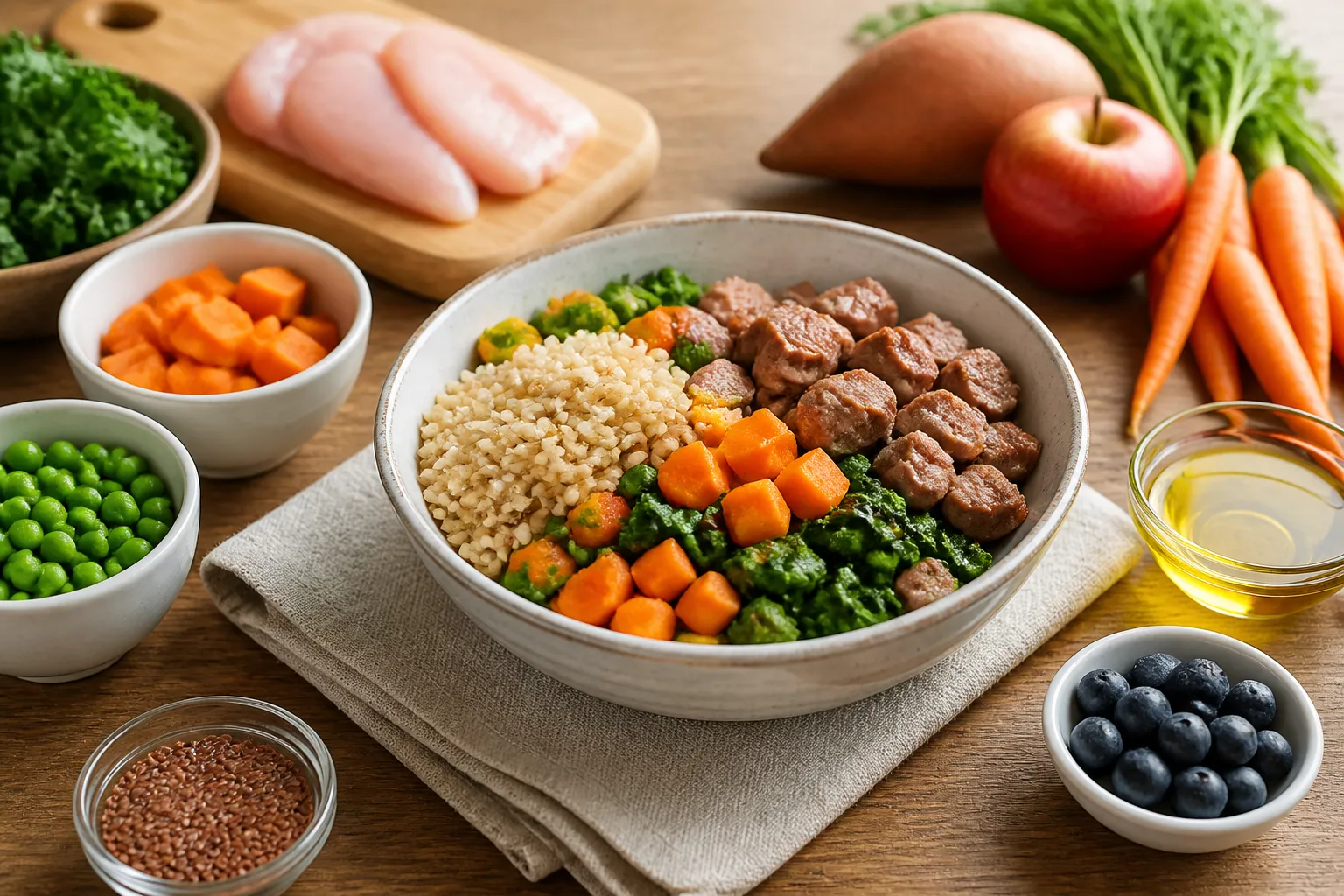
No single product is ideal for every older dog. A healthy, active senior may need an energy-dense formula, while a sedentary dog may need controlled calories. A dog with diagnosed disease may require a veterinary therapeutic diet rather than a general senior recipe. Texture, scent, kibble size, and serving method can determine whether excellent nutrition is actually consumed.
When comparing products, inspect the adequacy statement, calorie information, intended life stage, guaranteed analysis, feeding instructions, and manufacturer contact details. Ask whether the diet fits your dog’s health plan, not whether its marketing sounds attractive. Choose a product your dog accepts consistently, then monitor outcomes and review the plan when weight, appetite, activity, stool, or medical status changes.
Monitoring and Troubleshooting
A diet plan is successful when it produces stable, observable results. Weigh your dog regularly using the same scale when possible. Take occasional photographs from above and from the side, and note muscle over the spine, hips, and thighs. Track appetite, stool, vomiting, thirst, urination, energy, coat condition, and ease of movement.
Contact your veterinarian promptly for persistent appetite loss, repeated vomiting, bloody or black stool, severe diarrhea, abdominal pain, collapse, difficulty breathing, marked thirst, sudden urination changes, or rapid weight loss. An older dog can become dehydrated or weak faster than expected.
If stool softens after a food change, slow the transition and review treats, chews, and scavenged food. If your dog refuses a new diet, first confirm that pain, nausea, dental disease, or illness is not responsible. Warming food slightly, adding water, or trying a different texture may help, but do not repeatedly rotate foods without a plan. Frequent changes make it difficult to identify intolerance and may encourage selective eating.
If weight rises, measure portions, include every extra calorie, and reassess activity. If weight falls, calculate actual intake and seek examination rather than increasing treats alone. Recheck the plan after any diagnosis, medication change, surgery, or major activity change.
Frequently Asked Questions
Should every older dog eat senior food?
No. Senior formulas can be useful, but age alone does not determine nutrient needs. A healthy dog may do well on its current complete diet if body condition, muscle, digestion, and laboratory monitoring are satisfactory. Change food when a clear nutritional or medical reason exists.
How much should a senior dog eat?
There is no universal portion. Start with label guidance, calculate calories from all foods, and adjust according to body condition and veterinary advice. Measure portions consistently and review them as activity or health changes.
Is wet food better than dry food?
Neither is universally superior. Wet food supplies moisture and may be easier to chew, while dry food is convenient and energy dense. A mixed approach can work when total nutrition and calories remain appropriate.
Can older dogs eat homemade food?
They can, but ordinary homemade meals are often incomplete. Use a professionally formulated recipe, weigh ingredients accurately, include prescribed supplements, and avoid unapproved substitutions. Discuss the plan with your veterinarian.
Should I add vitamins?
Usually not unless a deficiency or specific indication has been identified. Complete diets already contain required nutrients, and excess vitamins or minerals can cause harm. Ask before supplementing.
How can I help a picky senior dog?
Check for dental pain, nausea, medication effects, and illness first. Then try smaller meals, a quiet feeding area, softened food, modest warming, or a different complete texture. Avoid rewarding refusal with an endless sequence of rich alternatives.
Are grain-free diets necessary?
Not for most dogs. Grain avoidance should have a clear veterinary reason, such as a confirmed dietary issue. Ingredient exclusions can make a diet less balanced if chosen casually. Discuss persistent itching or digestive signs with a professional.
When should the diet change?
Change when body condition, appetite, stool, mobility, laboratory results, or diagnosis indicates a need. Make transitions gradually unless a veterinarian instructs otherwise. Reevaluate rather than assuming one food will remain suitable forever.
Conclusion
A strong senior dog diet plan is individualized, measured, and monitored. Start with complete, balanced nutrition; protect muscle with adequate protein; match calories to body condition; provide water; control extras; and choose a texture your dog can comfortably eat. Treat “senior” labeling as a starting point, not a guarantee. Veterinary guidance becomes essential when weight changes, appetite declines, dental pain appears, or a chronic condition is present.
Feed consistently, record meaningful changes, and respond early to warning signs. The most persuasive food label cannot replace observation, examination, and adjustment. With careful portions, appropriate products, and regular professional review, nutrition can help an older dog remain comfortable, nourished, engaged, and better prepared for each stage of aging.