
A healthy dog diet is not one universal recipe. The right plan depends on age, size, activity, body condition, health history, food preferences, and the nutritional adequacy of the chosen food. The most reliable approach is to provide a complete and balanced diet in appropriate portions, offer clean water, monitor body condition, and adjust feeding with guidance from a veterinarian when circumstances change.
This guide explains how to evaluate dog food, build practical meals, manage treats, avoid common hazards, and recognize when professional advice is needed. It is designed to help owners make informed decisions rather than chase fashionable ingredients or unsupported promises.
What a Healthy Dog Diet Should Provide
Dogs need energy, protein, fats, carbohydrates, vitamins, minerals, and water. These nutrients work together. Protein supports muscles, skin, hair, enzymes, and immune function. Fat supplies concentrated energy and helps the body use certain vitamins. Carbohydrates can provide energy and fiber, although dogs vary in how much they tolerate and need. Vitamins and minerals support bones, blood, nerves, metabolism, and many other body processes.
A food labeled complete and balanced for the appropriate life stage is usually the simplest foundation. The wording indicates that the diet is intended to supply required nutrients when fed as directed. Check whether the food is intended for puppies, adult maintenance, reproduction, growth, or all life stages. These categories are not interchangeable. Puppies, pregnant dogs, and nursing mothers generally have different nutritional demands from healthy adult dogs.
A balanced diet also means balance over time. One unusual meal rarely determines nutritional health, but a homemade menu built from meat and rice alone can become deficient if fed regularly. Likewise, adding numerous supplements to a complete food may create excesses rather than improve nutrition.
Energy and Body Condition
Calories should match the dog’s needs, not merely the serving suggestion on a package. Labels provide a starting point, while body condition, weight trends, activity, and veterinary assessment reveal whether the amount is suitable. A highly active working dog may need substantially more energy than a sedentary companion of similar size. Neutered dogs, older dogs, and dogs with certain medical conditions may need less.
Learn to assess body condition rather than relying on appearance alone. In a dog at a generally healthy condition, ribs should be easy to feel beneath a thin layer of fat, a waist should be visible from above, and the abdomen should tuck upward behind the rib cage when viewed from the side. Prominent ribs, a hanging abdomen, or difficulty feeling the ribs can signal that portions need review. Breed shape matters, so ask a veterinary professional to demonstrate an appropriate target.
Choosing Commercial Dog Food
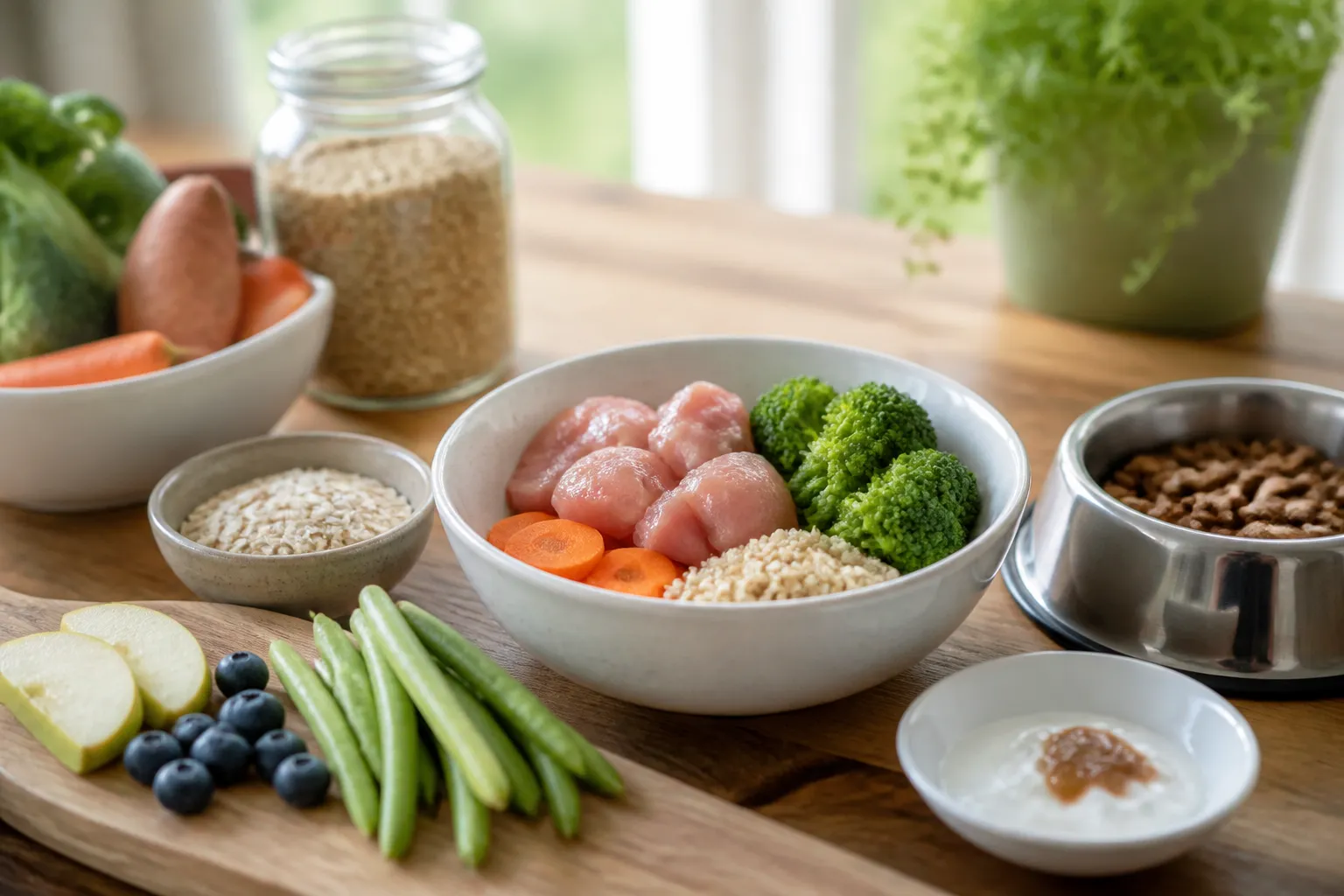
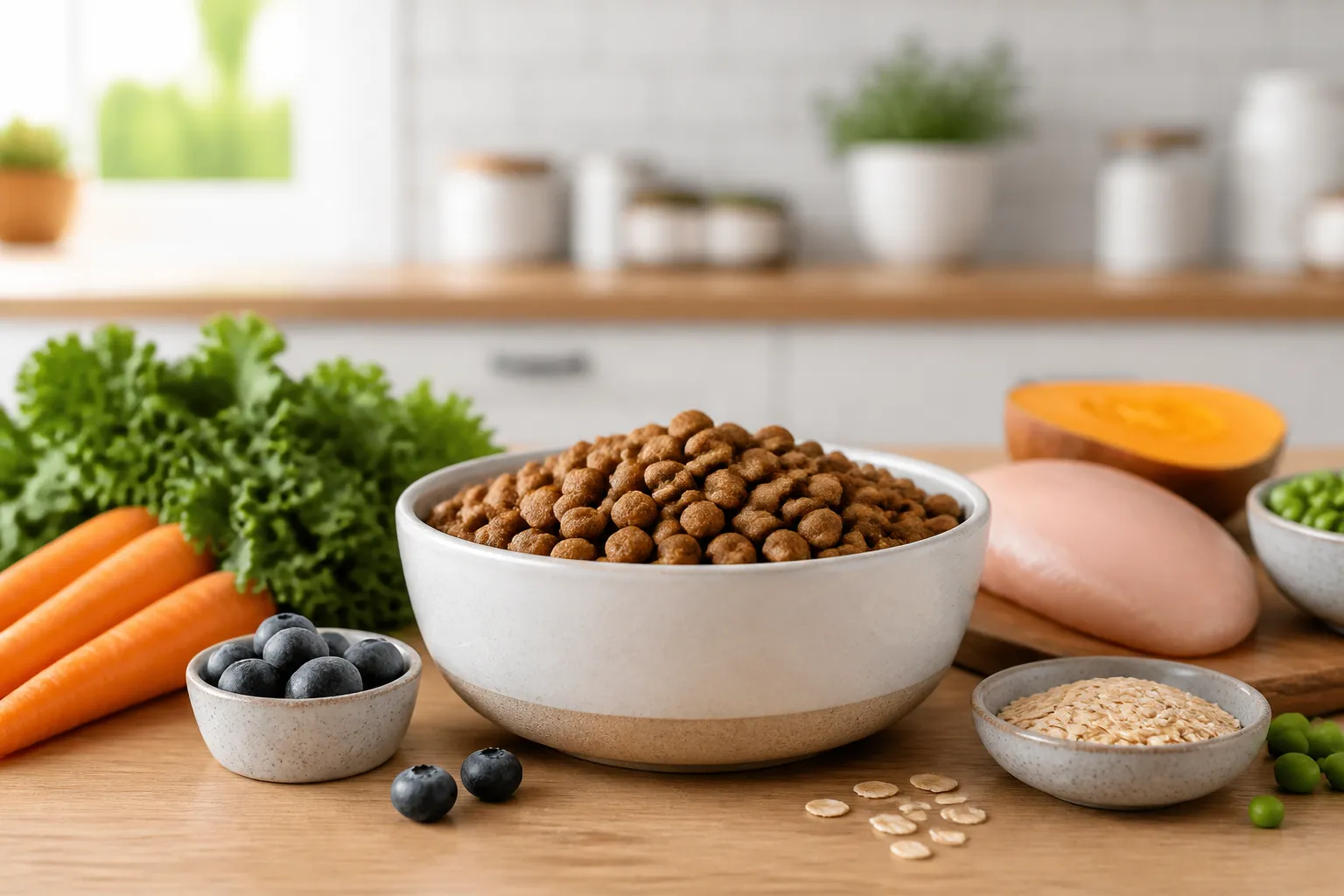
Commercial diets can be dry, canned, refrigerated, freeze-dried, or otherwise prepared. No single format is automatically best for every dog. Dry food is convenient, easy to measure, and often economical. Canned food provides substantial moisture and may appeal to dogs with reduced appetite or dental discomfort. Combining formats can work if total calories remain appropriate.
Read the nutritional adequacy statement before being persuaded by front-label language. Terms such as natural, premium, ancestral, or holistic may not tell you whether a food meets the dog’s nutritional needs. Ingredient lists are useful for identifying components and potential allergens, but they cannot independently prove that a diet is balanced. Ingredients are listed by weight, and water content affects their order.
Look for clear feeding directions, calorie information when available, manufacturer contact details, lot identification, and storage instructions. A company that provides transparent information about formulation, quality control, and feeding trials is easier to evaluate than one that relies mainly on dramatic claims. If your dog has a medical condition, choose a therapeutic diet only with veterinary direction; these foods are designed for specific nutritional goals and may not be appropriate for healthy pets.
Dry, Wet, and Fresh Options
Dry diets generally contain less water than wet diets, so dogs eating them should always have access to fresh drinking water. Wet food can help increase water intake, though it may spoil more quickly after opening. Fresh or gently prepared products vary greatly in formulation, storage, and nutritional completeness. Refrigeration, expiration dates, and careful portioning are especially important for perishable food.
Raw diets require particular caution. Raw animal products can carry pathogens, and homemade raw menus may lack or overprovide essential nutrients. Freezing does not eliminate every safety concern. Children, older adults, pregnant people, and anyone with reduced immunity may be more vulnerable to foodborne illness. If considering raw feeding, discuss both nutritional adequacy and household hygiene with a veterinarian.
Protein, Fat, Fiber, and Moisture
Protein quality is not judged simply by choosing the ingredient with the most appealing name. Dogs digest and use many animal and plant proteins, provided the overall amino acid profile and nutrient balance are appropriate. Dogs with kidney, liver, intestinal, or other diseases may need specially adjusted protein levels or sources, so do not make therapeutic changes without professional advice.
Fat improves taste and supplies energy, but excessive fat can promote weight gain and may be unsuitable for some dogs, particularly those with a history of digestive problems. Essential fatty acids contribute to skin and coat health, yet adding oils casually increases calories. A supplement should have a clear purpose, a reliable label, and veterinary approval when the dog already eats a complete diet or takes medication.
Fiber supports stool quality, intestinal movement, and satiety. Soluble and insoluble fibers behave differently, and an abrupt increase may cause gas or loose stools. Some dogs benefit from carefully selected fiber, while others with particular bowel conditions need a customized plan. Fresh water remains essential because fiber changes the amount of water held in intestinal contents.
Moisture is often overlooked. Dogs can obtain water from drinking and food, but needs rise with heat, exercise, fever, vomiting, diarrhea, lactation, or certain diseases. Monitor drinking and urination patterns. A sudden change may require veterinary evaluation rather than a simple diet adjustment.
Portion Control and Feeding Routine
Portion control is one of the strongest tools for protecting long-term health. Measure food with a standard measuring cup for ordinary amounts, or use a kitchen scale when precision matters. Feeding directly from a full bowl makes gradual overfeeding easy to miss, especially when several household members participate.
Divide the daily amount into one or more meals according to the dog’s age, routine, appetite, and veterinary advice. Puppies often need more frequent meals than adults. Some adult dogs do well with two meals, while others have medical or behavioral reasons for a different schedule. Large, deep-chested dogs may need individualized guidance concerning meal size, exercise timing, and risks associated with stomach emergencies.
Use a written household plan. Record the main food, daily quantity, treats, supplements, and who is responsible for feeding. Recheck the dog’s weight and body condition regularly. If weight changes, adjust gradually and investigate possible causes, including reduced activity, medication, illness, or unnoticed treats. Rapid restriction is inappropriate for growing puppies and may be unsafe for dogs with disease.
Treats and Human Foods
Treats should complement, not replace, balanced meals. Keep them modest and account for their calories. Small pieces of the dog’s regular food can serve as training rewards. Other options may include suitable vegetables or plain cooked foods, but any addition should be introduced gradually and remain a limited part of intake.
Avoid foods known to be dangerous, including chocolate, grapes and raisins, onions, garlic, alcohol, caffeine, and products containing xylitol. Cooked bones can splinter, and raw bones can cause dental, intestinal, or infectious problems. High-fat leftovers, heavily seasoned foods, and foods containing excessive salt may also cause trouble. Never assume that a food is safe because another dog tolerated it.
If a dog eats a potentially toxic substance, contact a veterinarian or an appropriate animal poison service promptly. Do not induce vomiting unless a professional specifically instructs you. Save the packaging, estimate the amount consumed, and note the time. These details can make emergency guidance more effective.
Homemade Diets and Supplements
Home-prepared diets can be useful in selected situations, including carefully managed food trials or dogs with preferences that complicate feeding. However, a recipe found online, a meal made from intuition, or a bowl of meat with vegetables is not automatically complete. Nutrient deficiencies may take months to become obvious, while excesses can damage bones, organs, or growth.
For a long-term homemade diet, work with a veterinarian who has appropriate nutrition expertise. The formulation should specify ingredients, cooking methods, exact quantities, supplements, and substitutions. Do not replace ingredients casually; a change in a low-calorie vegetable may matter less than a change in an organ meat, oil, mineral source, or concentrated supplement.
Supplements deserve the same scrutiny. Joint products, vitamins, probiotics, fish oils, and herbal products differ in quality and evidence. Some interact with medications or provide nutrients already present in adequate amounts. More is not better. Ask what problem the product addresses, how success will be measured, and whether a safer or better-supported option exists.
Changing Food Safely
Change foods over several days, mixing increasing amounts of the new diet with decreasing amounts of the old one. Sensitive dogs may need a slower transition. Watch appetite, stool consistency, vomiting, itching, energy, and weight. Mild temporary stool changes can occur, but persistent diarrhea, repeated vomiting, refusal to eat, weakness, blood in stool, or dehydration warrants veterinary contact.
A food intolerance and a food allergy are not identical. Digestive upset may reflect intolerance, excessive fat, abrupt change, or another illness. Allergic disease can involve skin or gastrointestinal signs, but those signs have many possible causes. Avoid cycling through foods without a structured plan. A veterinarian may recommend a properly controlled elimination diet and a planned rechallenge to investigate suspected ingredients.
Nutrition Through Life Stages
Puppies need food formulated for growth, with special attention to safe calcium, phosphorus, energy, and other nutrient relationships. Rapid growth is not always desirable, particularly in large-breed puppies. Overfeeding can strain developing joints and bones. Follow a growth-appropriate feeding plan and monitor body condition rather than encouraging maximum size.
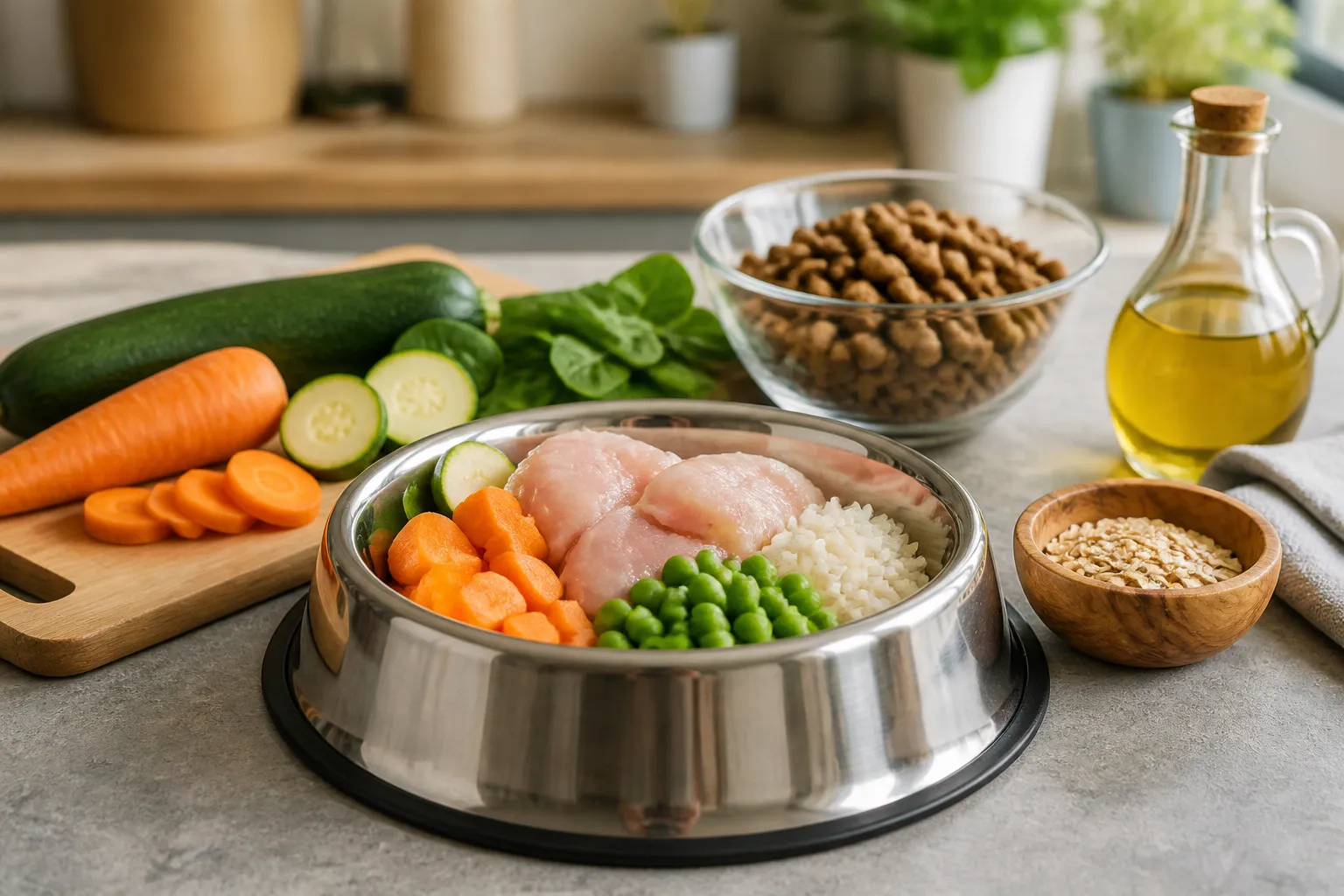
Adult dogs need maintenance nutrition and consistent energy control. Activity can change with seasons, injury, age, work, or household routine. Recalculate portions when those factors change. A dog that receives daily training treats, dental chews, or table food may need less food from the bowl.
Senior dogs do not all require the same diet. Some remain healthy on an adult maintenance food, while others develop dental, kidney, heart, endocrine, or mobility concerns that alter nutritional priorities. Age alone is not a diagnosis. Regular examinations and appropriate testing help determine whether a diet should change.
Pregnancy and nursing increase nutritional demands and require specialized guidance. Food intake may vary across stages, and some diets suitable for ordinary adult maintenance are not adequate for reproduction. Consult a veterinarian before breeding and throughout pregnancy, especially if appetite, weight, or milk production changes.
Food Safety and Storage
Store dry food in a cool, dry place, preferably in its original bag placed inside a clean, closable container. The original packaging preserves the lot information and ingredient details needed if a problem occurs. Wash and dry containers between bags rather than continually topping them up, which can leave old oils and crumbs behind.
Refrigerate opened wet food according to label instructions and use clean utensils. Do not leave perishable food at room temperature longer than recommended. Wash hands, bowls, preparation surfaces, and measuring tools. Keep pet food separate from medications and household chemicals, and prevent dogs from accessing bags, bins, and compost.
Inspect food before serving. An unusual odor, mold, swollen packaging, pests, damaged seals, or changes in texture justify discarding it. When introducing a new batch, retain the packaging until the food has been consumed and the dog is doing well. Report suspected product problems through appropriate local channels and contact the manufacturer.
Building a Practical Daily Plan
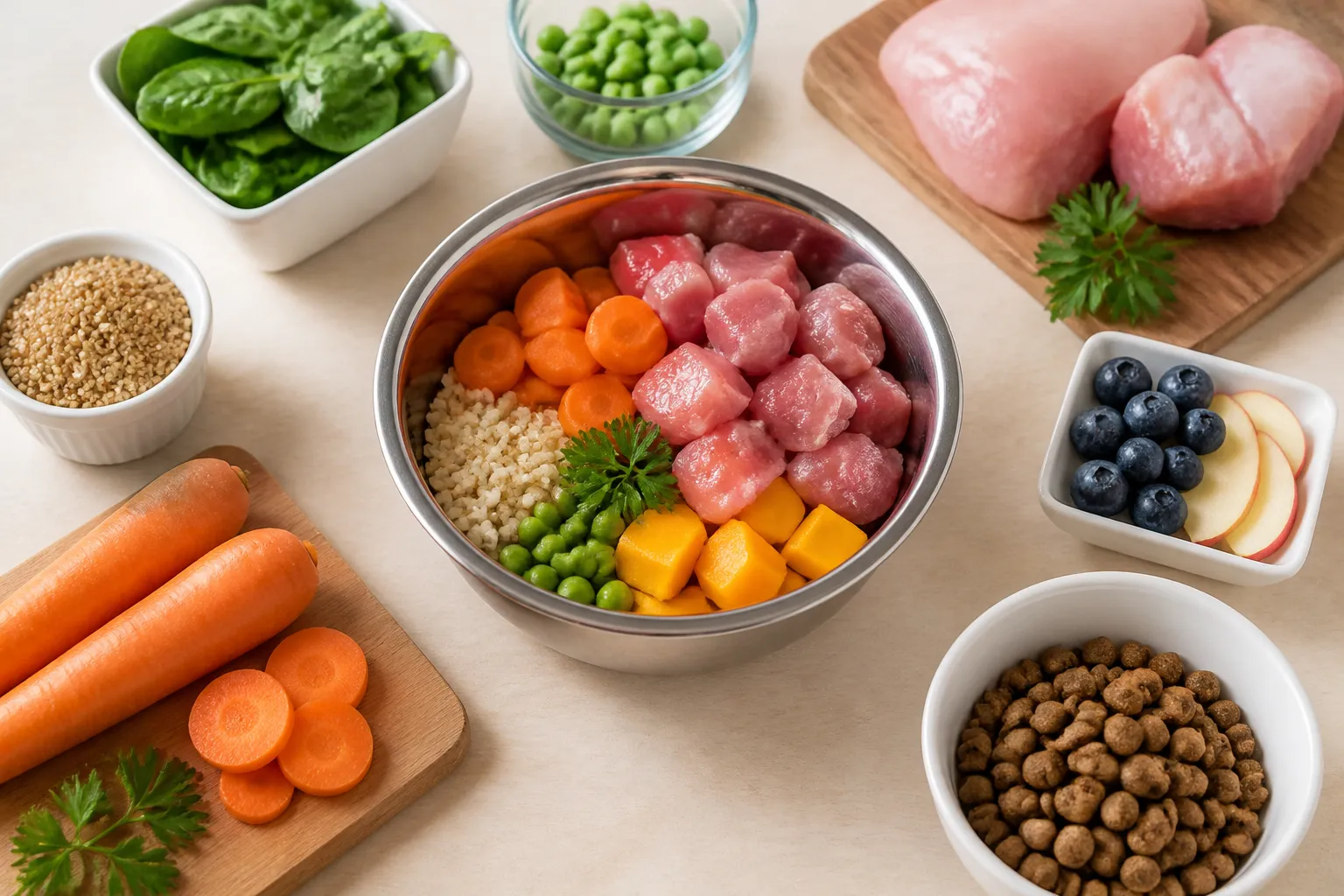
Start by identifying the dog’s life stage, current weight, body condition, activity, medical diagnoses, medications, and existing food. Choose a complete and balanced product suited to those facts. Calculate the daily portion from calorie information when available, then divide it into meals. Include every treat, chew, topper, supplement, and shared snack in the plan.
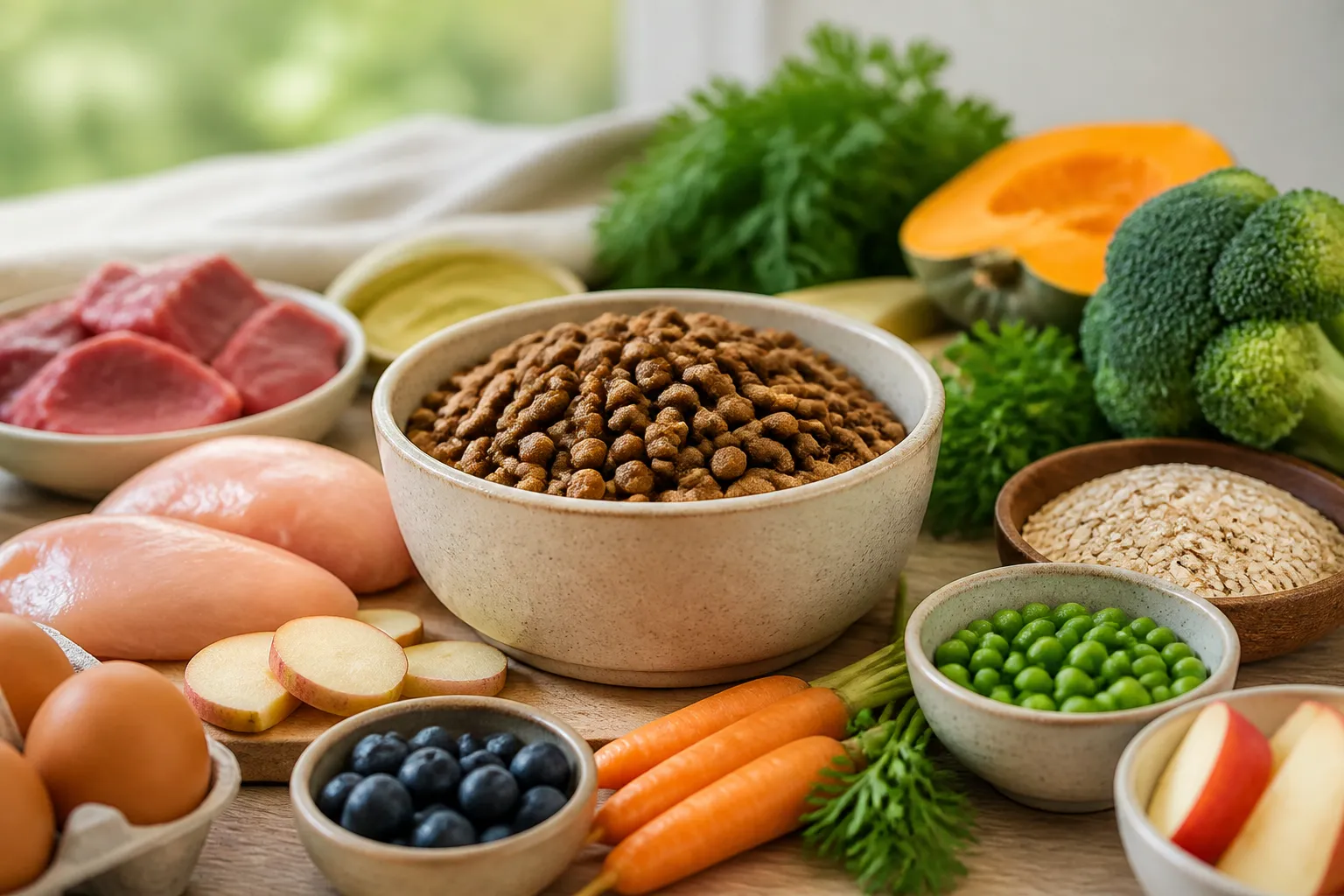
Next, establish a monitoring routine. Weigh the dog periodically under similar conditions, observe body condition, and record changes in appetite, stool, thirst, energy, coat, and behavior. Keep notes during food transitions. This information helps distinguish a temporary adjustment from a persistent problem and gives your veterinarian a clearer picture.
Make the plan convenient enough to follow. Premeasure daily portions, use puzzle feeders if they suit the dog, and reserve part of the meal for training. Store treats where every family member can see the daily allowance. A theoretically excellent diet fails if inconsistent portions, unsafe leftovers, or repeated unauthorized snacks undermine it.
Common Mistakes to Avoid
One common mistake is choosing food based only on a short ingredient list or an attractive package. Another is assuming grain-free, raw, homemade, or meat-heavy automatically means healthier. Nutritional adequacy, safety, digestibility, suitability, and portion control matter more than a fashionable label.
A second mistake is changing several variables at once. If you introduce a new food, treats, supplement, and chew together, you cannot identify the cause of digestive or skin changes. Change one major factor at a time when practical, and allow enough observation for meaningful assessment.
A third mistake is treating supplements as insurance. Nutrients have useful ranges, not unlimited benefits. Excess vitamin or mineral intake can be harmful, and oils add energy. Use products for a defined reason, verify their contents, and discuss them with a professional.
Finally, do not ignore behavior and dental health. Rapid eating, guarding food, chewing inappropriate objects, or refusing meals can indicate stress, pain, disease, or feeding-management problems. Dental discomfort may make dry food difficult, while some dogs swallow treats without chewing. Choose feeding methods that are safe for the individual dog.
FAQ
How do I know whether a dog food is balanced?
Look for a clear nutritional adequacy statement indicating that the food is complete and balanced for your dog’s life stage. Then confirm that the product suits the dog’s medical needs and that feeding amounts maintain a healthy body condition. When uncertain, ask your veterinarian to review the label and feeding plan.
Is homemade food healthier than commercial food?
Not automatically. Homemade food can be appropriate when precisely formulated, prepared safely, and monitored. Without professional formulation, it may lack essential nutrients or contain excessive amounts of others. A reputable complete commercial diet is often a simpler and safer foundation for a healthy dog.
Can dogs eat vegetables?
Many dogs can eat small portions of plain, appropriately prepared vegetables, but vegetables should not displace balanced food. Avoid seasoned preparations, toxic ingredients, and large sudden servings. Introduce one item at a time and stop if vomiting, diarrhea, itching, or other concerning signs develop.
Should dogs eat grains?
Some dogs digest grains well, and grains can supply energy, nutrients, and fiber in a balanced diet. A grain-free diet is not automatically superior. If a veterinarian suspects a dietary problem, follow a structured evaluation rather than removing ingredients based solely on marketing or online anecdotes.
How much water should a dog drink?
Water needs vary with food moisture, temperature, exercise, health, and life stage. Provide clean water continuously and monitor meaningful changes in drinking or urination. Marked thirst, reduced drinking, repeated vomiting, or signs of dehydration should prompt veterinary advice.
What if my dog refuses a new food?
Check the transition speed, freshness, storage, dental comfort, stress, and overall health. Offer the new diet gradually rather than forcing a sudden change. Persistent refusal, weakness, vomiting, diarrhea, or refusal in a very young, elderly, or medically fragile dog deserves prompt professional attention.
Conclusion
A healthy dog diet is a practical system, not a trendy ingredient list. Choose complete and balanced nutrition for the correct life stage, match portions to body condition and activity, provide fresh water, manage treats, introduce changes gradually, and store food safely. Homemade meals, raw diets, therapeutic foods, and supplements require additional care because nutritional imbalance and safety risks are possible.
The best plan is measurable and adaptable. Review the dog’s weight, appetite, stool, energy, skin, coat, and health history, then adjust with qualified veterinary guidance when needed. By combining sound food selection with portion control and regular observation, you can support steady energy, comfortable digestion, healthy growth, and a better quality of life throughout your dog’s years.