Dog Health & Nutrition: Dog Health & Nutrition: Building a Healthier, Happier Dog
Dog health and nutrition are closely connected. Food supplies energy, supports muscles and organs, strengthens immune defenses, and influences digestion, skin, coat, and body weight. Yet a healthy routine involves more than choosing a bag labeled complete. Exercise, preventive veterinary care, dental hygiene, mental stimulation, safe housing, and loving observation all contribute to a dog’s quality of life.
Every dog is an individual. Age, size, breed tendencies, activity level, reproductive status, medical history, allergies, and climate can change nutritional needs. A growing puppy requires different proportions and feeding frequency from a senior dog. A working animal may need more energy than a companion who spends most of the day resting. The most useful approach is therefore practical and flexible: learn general principles, monitor your dog, and ask a veterinarian when circumstances change.
This guide explains how to evaluate food, manage portions, recognize warning signs, and create habits that support long-term wellbeing. It is educational information, not a substitute for professional diagnosis or a personalized feeding plan.
Choosing a Complete and Balanced Diet
A suitable everyday food should be labeled complete and balanced for the dog’s life stage. That statement indicates the food is intended to provide required nutrients when fed as directed. Puppies, adults, pregnant or nursing dogs, and seniors can have different needs, so select a formula appropriate for the correct stage. Large-breed puppies may also require specialized guidance because excessive or unbalanced growth can stress developing bones.
Read the feeding label, but treat its recommendation as a starting point rather than an exact prescription. Labels usually estimate calories and portions for broad weight ranges. Your dog’s body condition, activity, and weight trend provide better evidence of whether the amount is appropriate. If weight rises steadily, reduce portions gradually or review treats. If weight falls unexpectedly, investigate rather than simply adding food.
Understanding Nutrients
Protein supplies amino acids needed for tissue repair, enzymes, hormones, immune function, and muscle maintenance. Animal and plant ingredients can both contribute amino acids, provided the overall recipe is properly formulated. Fat is a concentrated energy source and helps the body use certain vitamins. Essential fatty acids also support skin, coat, and normal cellular function.
Carbohydrates can provide energy and fiber. Fiber may help stool quality and satiety, although the ideal amount varies. Vitamins and minerals support bones, blood, nerves, metabolism, and many other processes. Water is equally important. Fresh, clean water should be available at all times, with extra attention during hot weather, exercise, illness, or a transition to dry food.
Ingredient lists can be useful, but they should not be interpreted in isolation. The first ingredient does not tell the whole nutritional story, and unfamiliar names are not automatically harmful. Look for a reputable manufacturer with transparent quality control, appropriate formulation expertise, and clear contact information. A veterinarian can help compare diets when your dog has a condition such as kidney disease, diabetes, food intolerance, or urinary problems.
Portion Control and Body Condition
Overfeeding is common because food is an easy expression of affection. Extra calories from treats, chews, table scraps, supplements, and flavored medications can quietly accumulate. Excess body fat increases strain on joints and may worsen breathing, mobility, heat tolerance, and metabolic health. Portion control is one of the simplest ways to protect comfort and longevity.
Measure meals with a standard measuring cup for ordinary use, or a kitchen scale when precision matters. Divide the daily amount into two meals if that suits your dog, and follow veterinary advice for puppies, dogs with medical conditions, or animals prone to stomach problems. Keep a written record during diet changes. Include food brand, quantity, treats, stool quality, appetite, and weight observations.
Body condition is more informative than appearance alone. From above, a healthy dog generally has a visible waist behind the ribs. From the side, the abdomen should usually rise toward the hind legs rather than hanging level with the chest. Ribs should be easy to feel beneath a thin layer of fat, but they should not be sharply visible in most dogs. Thick coats can hide changes, so hands-on checks matter.
If your dog is gaining weight, make one controlled adjustment at a time. Reduce treats first, substitute low-calorie rewards such as small pieces of approved vegetables if suitable, and increase activity gradually. Sudden restriction is inappropriate for some dogs and can create distress. If weight loss occurs without an obvious explanation, seek veterinary advice promptly.
Treats, Human Foods, and Supplements
Treats are useful for training, bonding, enrichment, and medication. They should remain a modest part of daily calories, especially for small dogs. Break larger treats into tiny pieces so rewards can be frequent without becoming meals. Use praise, play, sniffing opportunities, or access to a favorite toy as additional rewards.
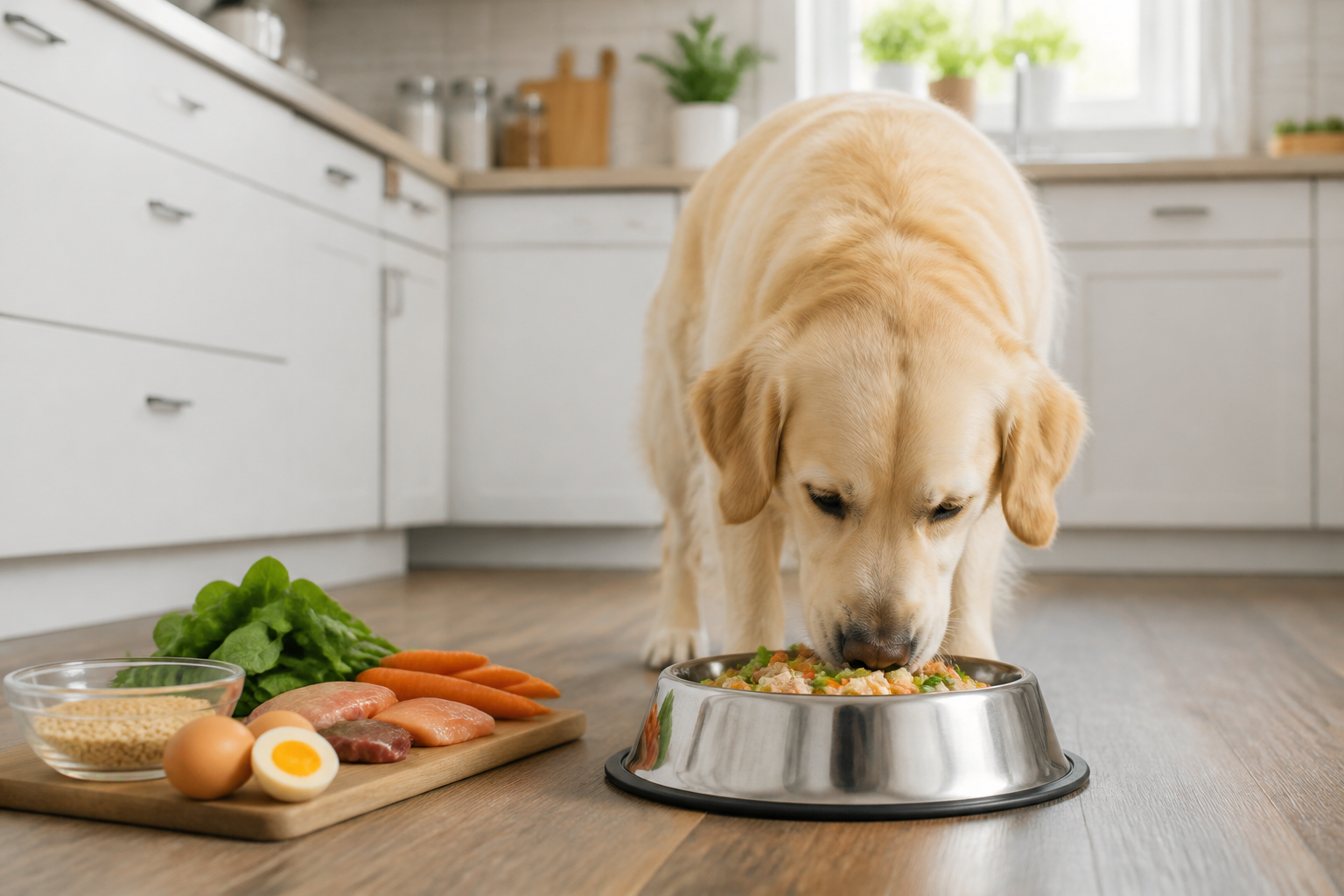
Many ordinary foods are safe in small, plain portions, but safety depends on preparation and the individual dog. Unseasoned cooked lean meat, some vegetables, and certain fruits may be acceptable for dogs that tolerate them. Avoid foods known to be dangerous, including chocolate, grapes and raisins, onions, garlic, products containing xylitol, alcohol, and excessive fatty or heavily seasoned foods. Bones can fracture, splinter, obstruct, or injure the digestive tract, whether cooked or sometimes raw. Ask a veterinarian before offering them.
Supplements are not automatically beneficial. Calcium, vitamins, oils, herbal products, and joint formulas can interact with medications, provide excessive nutrients, or distract from an incomplete diagnosis. A complete diet generally does not need routine vitamin supplementation unless a professional identifies a specific reason. Never use human medications or supplements without veterinary direction.
Feeding Puppies, Adults, and Seniors
Puppies need energy and nutrients for growth, but more food is not always better. Feed a puppy formula suited to expected adult size, establish regular meals, and monitor growth with veterinary guidance. Young puppies may need several meals each day. Training rewards should come from the planned daily ration when possible. Avoid rapid diet changes, because immature digestive systems can be sensitive.
Adult dogs commonly thrive on consistent meals, adequate exercise, and periodic body-condition checks. Activity can change with seasons, household routines, age, or illness, so portions should change accordingly. A highly active dog may need more energy, while a neutered or less active dog may require less. Do not assume that the same quantity remains correct for years.
Senior dogs can experience reduced activity, dental pain, altered senses, muscle loss, or diseases affecting appetite and metabolism. Aging alone does not require a particular diet, but a senior health examination can identify needs that do. Some older dogs benefit from softer textures, smaller meals, adjusted calories, or therapeutic nutrition. Persistent appetite changes, increased thirst, vomiting, diarrhea, weakness, or weight loss deserve medical attention rather than being dismissed as normal aging.
Safe Diet Transitions and Food Handling
Change foods gradually over approximately a week when practical. Begin with mostly the familiar food and a small amount of the new diet, then increase the new proportion step by step. A slower transition may be appropriate for dogs with sensitive digestion. If vomiting, severe diarrhea, marked lethargy, or refusal to drink develops, stop experimenting and contact a veterinarian.
Store food in a cool, dry place, preferably in its original bag inside a clean, sealed container. Record opening dates and check expiration information. Wash bowls regularly, especially after wet food. Do not leave perishable food at room temperature for extended periods. Keep food, treats, and supplements away from children and animals that might open containers.
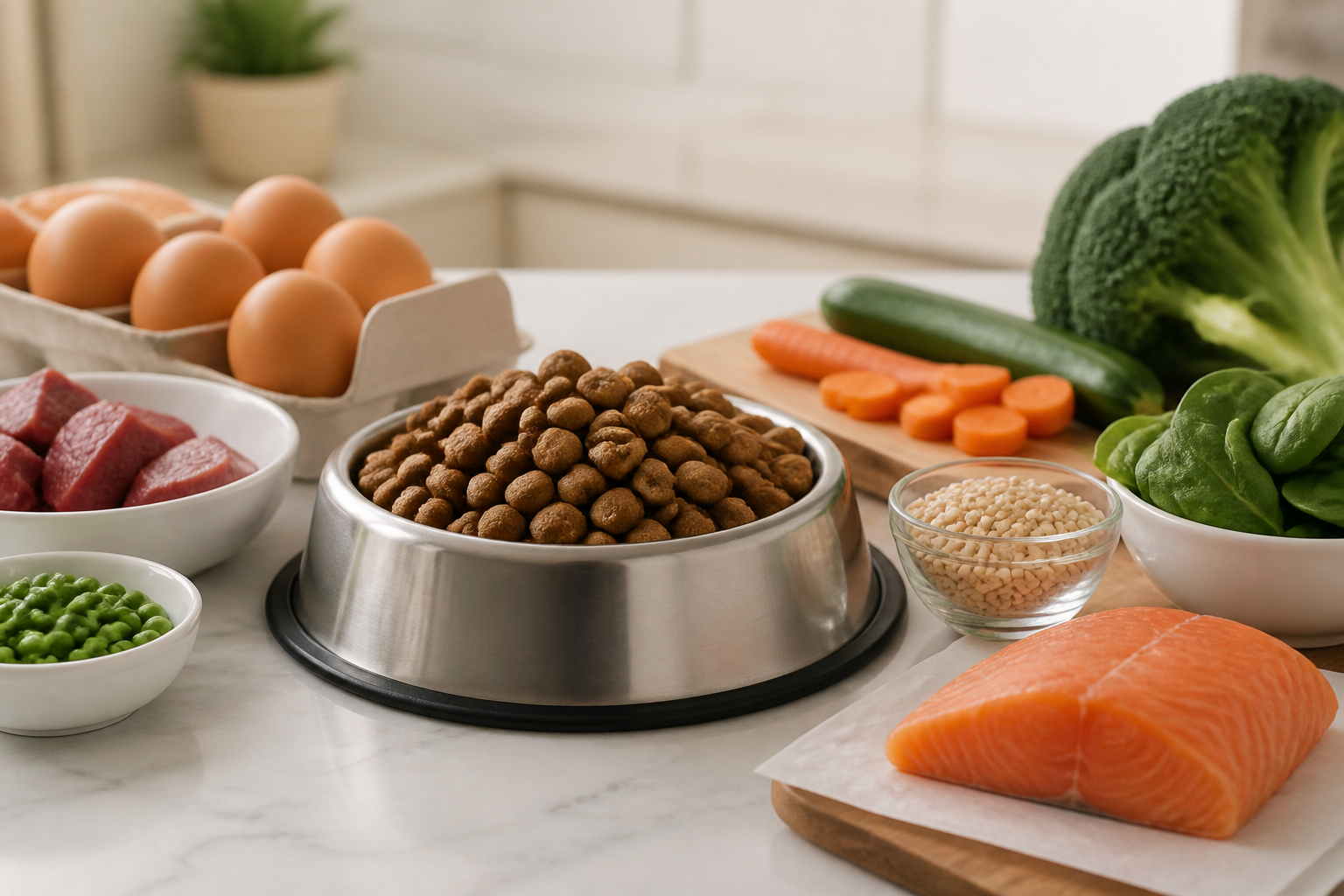
Food puzzles and slow feeders can make meals more engaging, but choose equipment that is durable, appropriately sized, and easy to clean. Supervise new enrichment items. If your dog guards food, eats aggressively, or becomes distressed around feeding, avoid punishment and seek help from a qualified behavior professional.
Exercise, Enrichment, and Everyday Prevention
Nutrition works best alongside movement. Exercise supports muscles, joints, cardiovascular fitness, digestion, and emotional balance. Match activity to age, breed traits, body condition, weather, and medical status. Several moderate walks may suit one dog, while another benefits from sniffing games, controlled swimming, or short training sessions. Increase intensity gradually, and avoid strenuous activity during dangerous heat.
Mental enrichment is health care too. Simple scent searches, food puzzles, trick training, safe chewing, and varied walks allow dogs to use natural behaviors. Rotate activities so they remain interesting. Rest is also essential; puppies and older dogs often need substantial quiet time, and every dog benefits from a predictable place to sleep.
Preventive care includes vaccinations, parasite control, dental assessment, grooming, nail care, and routine examinations. Parasite products should be selected with a veterinarian because regional risks, species, age, weight, and health conditions matter. Brush teeth with dog-safe toothpaste and an appropriate brush; human toothpaste may contain unsafe ingredients. Introduce brushing gradually, rewarding calm cooperation.
Regularly inspect paws, ears, skin, eyes, and mouth. Early changes are easier to address. Keep identification current, secure toxic substances, use a harness or collar safely, and provide shade and water outdoors. Never leave a dog in a parked vehicle, even when the weather seems mild.
Recognizing Warning Signs
Some symptoms require prompt professional assessment. Contact a veterinarian about repeated vomiting or diarrhea, blood in stool or urine, difficulty breathing, collapse, seizures, severe pain, sudden weakness, inability to urinate, abdominal swelling, or suspected toxin ingestion. A swollen abdomen combined with retching is an emergency. Do not induce vomiting unless specifically instructed by a veterinary professional or poison service.
Changes that are less dramatic can still matter. Increased thirst or urination, persistent itching, chronic ear problems, bad breath, coughing, limping, reduced stamina, altered appetite, and gradual weight change may signal disease. Keep notes about onset, frequency, possible triggers, and what your dog has eaten. Videos can help a veterinarian evaluate coughing, unusual movement, or episodic behavior.
Never wait for a routine appointment if your dog appears severely unwell. When calling, provide the dog’s age, weight, medications, diet, symptoms, timing, and access to possible hazards. Clear information supports faster triage and safer advice.
A Practical Daily Routine
A manageable routine can prevent small problems from becoming large ones. In the morning, provide measured food, fresh water, medication if prescribed, and a brief observation of appetite, energy, stool, and movement. During the day, offer appropriate exercise, training, and rest. In the evening, serve the planned meal, inspect the mouth or paws when suitable, and refresh water and bedding.
Once each week, check body condition, weigh your dog when practical, wash bowls, inspect food storage, and review treat use. Once each month, examine nails, coat, ears, and supplies. At veterinary visits, bring the food label, supplement list, medication list, and questions. This information helps identify patterns and supports individualized recommendations.
A Simple Decision Framework
When considering a food, ask five questions. Is it complete and balanced for the right life stage? Does the manufacturer provide credible quality information? Does the dog maintain healthy body condition on a measured portion? Are digestion, coat, energy, and stool generally satisfactory? Has a veterinarian recommended a different diet because of a medical need?
When considering a new treat, ask whether it is safe, appropriately sized, easy to count, and worth the calories. When considering a supplement, ask what problem it addresses, what evidence or professional rationale supports it, whether it can interact with treatment, and how success will be measured. These questions reduce impulsive purchases and keep decisions focused on the dog.
Frequently Asked Questions
How often should a dog eat?
Many adult dogs do well with two measured meals daily. Some individuals need a different schedule because of age, medical conditions, medication timing, or digestive sensitivity. Puppies commonly need more frequent meals. Establish a schedule that supports stable appetite and comfortable digestion, then confirm adjustments with a veterinarian.
Is homemade food healthier than commercial food?
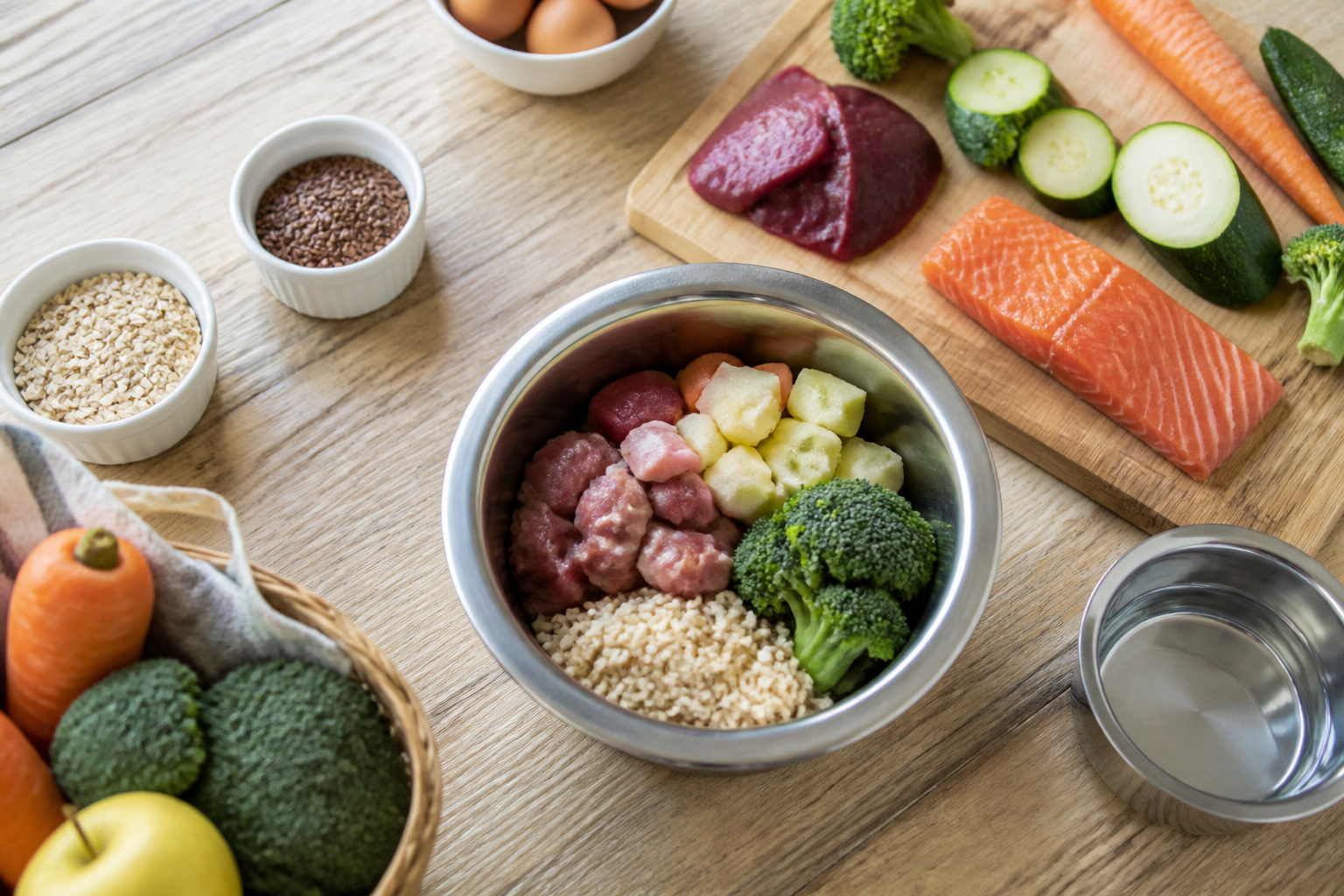
Not automatically. A homemade recipe can be nutritious, but it must provide appropriate calories, protein, fatty acids, vitamins, and minerals in the correct proportions. Casual substitutions can create deficiencies or excesses. If homemade feeding is important, ask a veterinary nutrition professional to formulate and review the recipe, and follow it consistently.
Can dogs eat a raw diet?
Raw feeding carries potential risks involving bacterial contamination, nutrient imbalance, bones, and transmission to people or other animals. Claims about universal benefits are not established for every dog. Dogs with certain health conditions, children, older adults, or immunocompromised household members may face additional concerns. Discuss the plan with a veterinarian before changing diets.
How do I know whether a food allergy is present?
Itching, ear disease, vomiting, or diarrhea can have many causes, so symptoms alone cannot identify an allergy. A veterinarian may recommend a carefully controlled elimination diet followed by a structured rechallenge. Avoid adding treats, flavored medications, or supplements during such a trial unless approved, because they can invalidate the results.
Should I change food when my dog is neutered?
Neutering can coincide with changes in energy needs, but a new food is not automatically required. Monitor body condition and adjust measured calories, treats, and activity. If weight increases despite careful management, ask about a suitable diet and rule out other contributors.
What should I do if my dog refuses food?
Consider whether there are other symptoms, whether food is spoiled, and whether recent stress or a diet change occurred. A single missed meal may not be urgent in an otherwise well adult, but puppies, diabetic dogs, and medically fragile animals need prompt advice. Persistent refusal, vomiting, pain, weakness, or unusual behavior warrants veterinary contact.
Are grain-free diets better?
Grain-free is not synonymous with superior nutrition. Grains can supply useful nutrients, and avoiding them is unnecessary for many dogs. If you suspect an intolerance or need a therapeutic diet, make the decision with veterinary guidance rather than relying on marketing claims.
How much water should my dog drink?
Water needs vary with size, diet, activity, temperature, and health. Provide free access and observe changes from your dog’s normal pattern. Sudden excessive drinking, especially with increased urination, weight loss, vomiting, or lethargy, should be discussed with a veterinarian.
Can supplements improve joint health?
Some products may help particular dogs, but quality, ingredients, dosing, and evidence vary. A supplement cannot replace weight control, appropriate exercise, pain assessment, or treatment of underlying disease. Ask your veterinarian before starting one, especially if your dog takes other medication.
Conclusion
Supporting dog health and nutrition is less about finding one perfect product and more about building reliable habits. Choose a complete diet appropriate to life stage, measure portions, limit extras, provide fresh water, and monitor body condition. Pair nutrition with exercise, enrichment, dental care, parasite prevention, safe food handling, and regular veterinary visits.
Observe your dog as an individual. Appetite, stool, energy, coat, mobility, and weight provide useful clues, while sudden or persistent changes deserve professional attention. Small, consistent decisions can protect comfort and help reveal problems earlier. With informed feeding, thoughtful routines, and responsive care, nutrition becomes a practical foundation for a longer, more active, and happier life together.