

Dog Health & Nutrition: Dog Health & Nutrition: Dog Health and Nutrition: A Practical Guide
A healthy dog needs more than a full bowl. Good health depends on suitable food, appropriate portions, regular activity, preventive veterinary care, dental attention, safe surroundings, and careful observation. Nutrition supplies energy and building materials, while daily habits influence weight, digestion, muscles, skin, immunity, and emotional wellbeing. The best plan is individual: a growing puppy, an athletic adult, a senior, and a dog with kidney disease cannot all be fed identically.
Choose a complete and balanced food appropriate for your dog’s life stage, then adjust the amount according to body condition, activity, health, and treats. Provide clean water at all times. Introduce dietary changes gradually, avoid dangerous foods, and ask a veterinarian before using supplements or making therapeutic changes. These simple principles provide a sound foundation, but they work best when paired with regular assessment rather than a rigid routine.
Understanding a Balanced Canine Diet
Dogs require water, protein, fats, carbohydrates, vitamins, and minerals. Protein supports muscles, organs, enzymes, hormones, skin, and coat. Fat is a concentrated energy source and helps the body use certain vitamins; essential fatty acids also contribute to skin and coat health. Carbohydrates can provide energy and fiber, although the ideal amount varies among foods and individuals. Vitamins and minerals must be present in suitable proportions. More is not automatically better, because excessive supplementation can cause harm.
A commercial food labeled complete and balanced for the correct life stage is designed to provide required nutrients when fed as directed. Read the nutritional adequacy statement, feeding instructions, ingredient list, and calorie information. Ingredients are useful context, but the list alone does not reveal digestibility, nutrient balance, manufacturing controls, or whether a food suits a particular medical condition. If you prepare meals at home, consult a veterinary nutrition professional. Improvised recipes frequently lack essential nutrients even when they contain wholesome ingredients.
Selecting Food Carefully
Consider your dog’s age, size, reproductive status, activity, body condition, and known illnesses. Puppy diets generally support growth, while adult maintenance foods support stable energy needs. Large-breed puppies may need carefully controlled growth nutrition, so seek veterinary guidance rather than adding calcium independently. Pregnant, nursing, highly active, or underweight dogs may require different energy provision.
Wet, dry, and combination feeding can each work. Dry food is convenient and easy to measure; wet food can add moisture and may help some dogs eat more willingly. Neither format is universally superior. Examine the food’s calorie density, storage requirements, expiration date, and your dog’s response. A shiny coat does not prove nutritional adequacy, and a premium price does not guarantee suitability.
Portion Control and Healthy Weight
Overfeeding is one of the most common nutrition problems. Excess body fat increases strain on joints and may worsen mobility, breathing, heat tolerance, and metabolic health. Underfeeding, however, can cause weight loss, weakness, poor coat quality, and inadequate nourishment. Use package guidance as a starting point, not an unchangeable prescription. Dogs of the same weight can have very different energy needs.
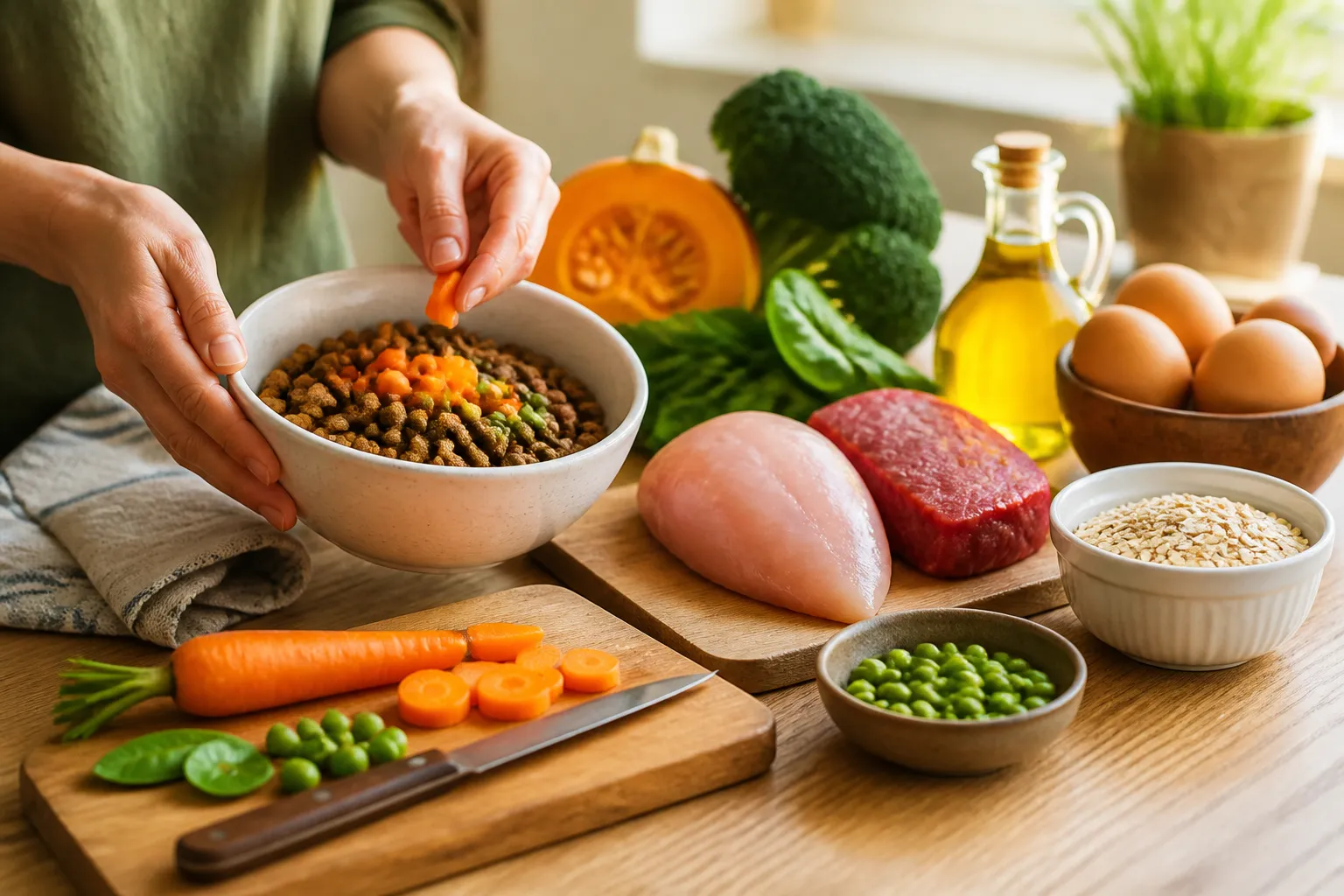
Measure meals with a standard measuring cup or, more precisely, a kitchen scale. Divide daily food into one or two meals according to your dog’s needs and household routine. Count treats, chews, table scraps, toppers, and food used for training as part of total intake. Keep treats modest, and choose small pieces so rewards do not quietly become a large calorie source. Fresh vegetables may be appropriate for some dogs, but ask before offering unfamiliar foods.
Assess body condition by looking and feeling. From above, a healthy dog usually has a visible waist behind the ribs. From the side, the abdomen commonly rises toward the hind legs. Ribs should be easy to feel beneath a thin layer of fat, without being sharply prominent. Thick coats can hide changes, so hands are more reliable than appearance alone. Record weight periodically and discuss gradual adjustments with a veterinarian.
Weight reduction should be deliberate, not abrupt. Do not simply cut food severely, because that may reduce essential nutrient intake and encourage hunger. A veterinarian can calculate a suitable calorie target, identify medical contributors to weight change, and recommend low-calorie enrichment.
Water, Digestion, and Feeding Routine
Fresh water should be available throughout the day. Dogs may drink more after exercise, in hot weather, or while eating dry food. Increased thirst or urination can also accompany illness, medication effects, or hormonal problems. A noticeable change deserves veterinary discussion, particularly when it occurs with vomiting, diarrhea, appetite loss, lethargy, or weight change.
Feed in a quiet, predictable place. Some dogs digest better with smaller, more frequent meals. Rapid eating can lead to vomiting and discomfort, so food puzzles, slow-feeding bowls, scattering kibble safely, or dividing meals may help. Introduce any new food over several days by gradually increasing the new food while decreasing the old. Sensitive dogs may need a slower transition. If persistent diarrhea, repeated vomiting, blood, abdominal pain, or dehydration appears, contact a veterinarian promptly.
Avoid sudden access to large quantities of food, especially after strenuous activity. Rest periods around meals may be sensible for dogs prone to digestive distress, but individual risk varies. A veterinarian can explain precautions for dogs with particular body shapes, previous stomach problems, or other relevant conditions.

Safe Foods and Dangerous Foods
Many ordinary human foods are unsuitable for dogs. Chocolate, products containing xylitol or other dangerous sweeteners, grapes and raisins, onions, garlic, alcohol, caffeine, and macadamia nuts can be hazardous. Cooked bones can splinter, while raw bones and raw animal products carry injury and contamination risks. Fatty scraps may trigger digestive upset and can contribute to pancreatitis in susceptible dogs. Moldy food, compost, medications, and household chemicals also require secure storage.
Never assume that a small amount is harmless. Risk depends on the substance, quantity, dog’s size, and health. If ingestion may have occurred, remove access, preserve packaging if available, and contact a veterinarian or an appropriate animal poison service promptly. Do not induce vomiting or give home remedies unless a professional specifically directs you. Early advice is often safer than waiting for symptoms.
Exercise, Enrichment, and Rest
Nutrition works alongside movement. Daily walks, play, controlled running, swimming where safe, and age-appropriate training support cardiovascular fitness, muscle strength, coordination, and healthy weight. Begin gradually with dogs that are sedentary, overweight, elderly, or recovering from illness. Avoid intense exercise in extreme heat, watch for fatigue, and provide water and shade.
Mental activity matters too. Sniffing walks, food puzzles, scent games, short training sessions, and safe chewing opportunities can reduce boredom and encourage natural behaviors. Enrichment should match the dog’s size, chewing style, and supervision needs. Inspect toys regularly and remove damaged pieces.
Sleep and quiet time are equally important. Puppies and older dogs often need substantial rest. A comfortable, clean sleeping area helps recovery and may reveal changes in wellbeing: a dog that suddenly cannot settle, rises repeatedly, or avoids movement may be uncomfortable and should be evaluated.
Preventive Health Care
Routine veterinary examinations allow early assessment of weight, teeth, heart, lungs, skin, mobility, and behavior. Preventive plans commonly include vaccinations, parasite control, dental care, and screening suited to age, location, lifestyle, and medical history. Puppies, senior dogs, and animals with chronic disease may need more frequent monitoring.

Dental disease can cause pain and interfere with eating. Brushing with pet toothpaste is generally more useful than relying solely on treats or chews, but training should be gradual and positive. Never use human toothpaste unless a veterinary professional confirms it is safe, because some products contain harmful ingredients. Ask about dental examinations and safe chew choices.
Parasites can affect nutrition, skin, blood, and general condition. Use products selected for your dog’s species, weight, age, and health, following professional guidance. Do not combine products casually or use a product intended for another animal.
Life Stage and Special Needs
Puppies need controlled growth, frequent meals, social learning, safe exercise, and vaccination guidance. Their nutritional requirements differ from adults, and rapid growth can stress developing bones. Feed an appropriate puppy formula and monitor body condition rather than encouraging maximal size.
Adult dogs need maintenance nutrition and consistent activity. Working or highly active dogs may require more calories, while neutered or sedentary dogs may need less. Adjust portions when routine, season, or exercise changes.
Senior dogs are not automatically ill, but aging can alter muscle mass, appetite, digestion, teeth, mobility, and kidney or liver function. A senior diet may be useful in some cases, but there is no single ideal formula for every older dog. Veterinary assessment should guide changes, especially when thirst, urination, weight, appetite, or behavior shifts.
Dogs with allergies, urinary disease, diabetes, kidney disease, gastrointestinal disorders, or other conditions may require a therapeutic diet. These foods are designed for specific purposes and should not be replaced with informal alternatives without professional advice. Supplements may interact with medicines or provide excessive nutrients. Discuss fish oil, joint products, vitamins, probiotics, and herbal preparations before use.

Reading Health Signals
Appetite, stool quality, weight, energy, coat condition, thirst, and behavior provide useful clues. A temporary mild variation may follow stress or a routine change, but persistent or marked changes deserve attention. Keep a simple record of meals, treats, vomiting, diarrhea, medications, activity, and weight when concerns arise. Accurate details help a veterinarian identify patterns.
Seek prompt professional care for breathing difficulty, collapse, seizures, severe pain, repeated vomiting, bloody diarrhea, suspected poisoning, inability to urinate, pale gums, heat illness, or sudden extreme weakness. For less urgent concerns, arrange an appointment rather than experimenting with multiple foods or supplements. Human medicines can be dangerous, and delayed treatment may complicate manageable problems.
Practical Product Guidance
A useful dog health and nutrition plan should make healthy choices easy. Select food with a clear life-stage adequacy statement, reliable feeding directions, intact packaging, and storage instructions. Buy an amount that can be used while fresh, and seal dry food against moisture and pests. Store wet food as directed and clean bowls daily.
Choose bowls that are stable, easy to wash, and suitable for your dog’s size. A food scale supports accurate portions. Puzzle feeders can provide enrichment, but supervise initial use. For treats, favor small, simple options and keep a written daily limit. Dental products should be designed for dogs, appropriately sized, and used according to instructions. No chew is risk-free; discard pieces that become small enough to swallow or show dangerous breakage.
When comparing products, prioritize nutritional purpose, suitability, tolerability, safety, and professional guidance over packaging claims. A product can be useful without being necessary. If your dog refuses food, reacts poorly, or develops symptoms after a change, stop and seek advice rather than repeatedly switching diets.
Frequently Asked Questions
How much should my dog eat?
Start with the package’s calorie or portion guidance, then adjust for body condition, activity, age, and health. Weigh food when possible and include treats in the daily total. Ask a veterinarian for a personalized target if weight is changing or disease is present.
Is homemade food healthier?
Homemade food is not automatically healthier. Balanced recipes require appropriate ingredients, quantities, preparation, and supplements. A veterinary nutrition professional should formulate the recipe, and it should be reviewed when the dog’s life stage or health changes.
Should dogs eat raw food?
Raw feeding can introduce nutritional imbalance, choking or injury hazards, and contamination risks. Claims of universal superiority are not established simply because food is raw. Discuss the plan with a veterinarian, especially if children, older adults, pregnant people, or immunocompromised individuals live in the household.
Are supplements necessary?
Most dogs eating a complete, balanced diet do not need routine vitamin supplementation. Supplements may be appropriate for a diagnosed need, but quality and dosage vary. Veterinary advice is important because excess nutrients and drug interactions can cause problems.
Why is my dog gaining weight?
Common contributors include oversized portions, frequent treats, reduced activity, food stealing, and metabolic or medication-related issues. Measure intake and schedule an examination if weight gain is unexplained, rapid, or accompanied by thirst, appetite, or energy changes.
Can I change food suddenly?
A gradual transition often reduces digestive upset. Mix increasing amounts of the new food with decreasing amounts of the old over several days, extending the process for sensitive dogs. Stop and seek advice if significant symptoms develop.
How can I improve dental health?
Begin slowly with handling and brushing using pet toothpaste. Use a suitable brush and ask a veterinarian to assess existing disease. Chews and dental diets may help some dogs, but they do not replace professional evaluation or a brushing routine.
Conclusion
Dog health and nutrition are built through consistent, informed choices rather than one perfect food or supplement. Feed a complete diet suited to the individual, measure portions, maintain hydration, provide safe activity and enrichment, protect dental health, and schedule preventive care. Watch body condition and everyday behavior, because small changes can offer early clues. Avoid dangerous foods and home treatments, and obtain professional guidance when disease, poisoning, persistent digestive signs, or unexplained weight changes are involved.
A practical plan should be flexible. Reassess it when your dog grows, ages, becomes more or less active, starts medication, or receives a diagnosis. By combining sound nutrition with observation, exercise, rest, safety, and veterinary partnership, you give your dog a stronger foundation for comfort, vitality, and a happier life.
Pingback: Healthy Dog Diet Plans for Every Breed and Life Stage