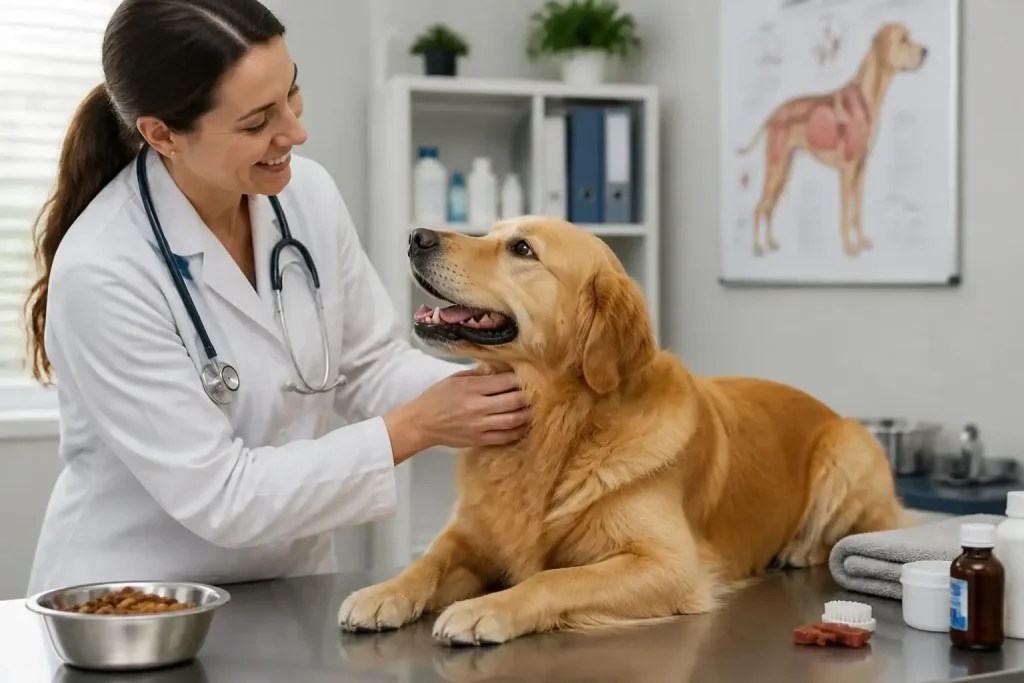
Good dog health depends less on occasional heroic efforts than on steady, informed care. Nutritious food, preventive veterinary visits, safe exercise, dental attention, parasite control, and patient observation work together to protect comfort and longevity. Because every dog differs by age, breed, size, temperament, and medical history, use these tips as practical guidance rather than a diagnosis or substitute for professional veterinary advice. When a change seems sudden, severe, or unexplained, contact a veterinarian promptly.
Dog Health Tips: Build a Strong Daily Foundation
Feed for the Individual Dog
Choose a complete, balanced food appropriate for your dog’s life stage, size, and specific needs. Puppies, adults, seniors, pregnant dogs, and animals with diagnosed conditions may require different nutritional profiles. Read feeding guidance as a starting point, then adjust with veterinary advice according to body condition, activity, and weight trends. Fresh water should always be available, indoors and outdoors.
Measure meals rather than relying on an overflowing bowl. Treats, dental chews, table scraps, and food used for training contribute calories, so include them in the daily total. Safe rewards can support learning, but excessive treats can quietly cause weight gain. Avoid foods known to be dangerous to dogs, including chocolate, grapes and raisins, onions, garlic, xylitol, alcohol, and cooked bones. If your dog eats something potentially toxic, contact a veterinarian or animal poison service immediately rather than waiting for symptoms.
Change foods gradually over several days. A sudden switch may produce vomiting, loose stool, or refusal to eat. Persistent digestive problems, repeated itching, poor coat quality, or unexplained weight change deserve professional assessment because they can reflect illness, intolerance, or an unsuitable diet.
Maintain a Healthy Body Condition
Weight is not merely cosmetic. Excess body fat can increase strain on joints, reduce stamina, complicate anesthesia, and worsen some existing problems. Feel your dog’s ribs regularly: they should be easy to locate without being sharply prominent, while the abdomen should generally tuck upward behind the rib cage. Breed structure varies, so ask your veterinarian to demonstrate an appropriate condition score.
Weigh small dogs on a household scale when practical, and use a veterinary scale for larger animals. Record changes instead of depending on memory. If weight loss is the goal, reduce calories carefully and preserve adequate nutrients; never impose a crash diet without veterinary supervision. A slow, sustainable plan is more likely to protect muscle and encourage lasting habits.
Routine examinations help identify problems before they become obvious emergencies. During a visit, your veterinarian may assess teeth, eyes, ears, skin, heart, lungs, joints, body condition, and behavior. The appropriate frequency depends on age and health. Puppies and senior dogs often need closer monitoring than healthy adults.
Keep vaccination records current and discuss which vaccines suit your location, lifestyle, travel plans, boarding exposure, and contact with other animals. Vaccination schedules are individualized; do not assume every dog requires an identical plan. Ask about boosters, possible reactions, and what signs should prompt a call.
Preventive care may also include screening blood tests, urine testing, blood pressure measurement, or other investigations when age, breed, symptoms, or medication history makes them useful. Early testing cannot prevent every illness, but it can establish baseline information and reveal changes that physical examination alone might miss.
Control Parasites Consistently
Fleas, ticks, mosquitoes, and intestinal parasites can irritate skin, spread disease, or cause serious complications. Risk depends on geography, season, outdoor access, household animals, and travel. Your veterinarian can recommend an appropriate product and schedule. Use only medication labeled for dogs and for the correct weight range. Never apply a product intended for another species unless a veterinary professional specifically confirms its safety.
Follow instructions precisely, especially regarding age restrictions, pregnancy, bathing, and combining products. Store treatments securely, prevent children from handling them, and monitor for unusual reactions after application. Check your dog’s coat and skin after outdoor activities, even when preventive treatment is used. Prevention lowers risk but does not make inspection unnecessary.
Protect Dental Health
Dental disease often progresses quietly. Bad breath, red gums, chewing difficulty, dropping food, pawing at the mouth, or reluctance to eat can indicate pain, although some dogs show few outward signs. Brush with dog toothpaste and a suitable brush, introducing the routine gradually. Human toothpaste may contain ingredients that are unsafe when swallowed.
A veterinary dental examination can determine whether professional cleaning or treatment is needed. Dental chews and specially designed diets may help reduce buildup for some dogs, but they do not replace brushing or clinical evaluation. Avoid extremely hard objects that can fracture teeth. Ask your veterinarian to inspect any persistent mouth odor or bleeding.
Support Movement, Muscles, and Mental Wellbeing
Exercise Safely
Exercise should match age, breed tendencies, fitness, weather, and medical status. Walking provides physical activity and opportunities to sniff, which can also support mental stimulation. Play, training games, swimming where safe, and controlled exploration offer variety. Increase intensity gradually, particularly after illness, surgery, winter inactivity, or weight gain.
Watch for excessive panting, weakness, limping, confusion, vomiting, or reluctance to continue. Stop activity, move your dog to a comfortable environment, offer small amounts of water, and seek veterinary guidance if signs are severe or do not resolve. Hot pavement can burn paw pads, while heat and humidity can contribute to dangerous overheating. Exercise during cooler periods and never leave a dog unattended in a parked vehicle.
Puppies need opportunities to move, but repetitive high-impact activity can be inappropriate while bones and joints develop. Conversely, older dogs may benefit from frequent, gentle walks rather than one demanding outing. A veterinarian can suggest modifications for arthritis, heart disease, obesity, or other limitations.
Enrich the Mind and Manage Behavior
Mental health is part of physical health. Food puzzles, scent games, reward-based training, safe chewing, and calm social experiences can reduce boredom and help dogs feel secure. Rotate toys to maintain interest, inspect them for damage, and remove pieces that could be swallowed.
Avoid punishment-based methods that create fear or suppress warning signals. Reward desired behavior, establish predictable routines, and provide a quiet resting area. Sudden aggression, withdrawal, pacing, house-soiling, excessive vocalization, or compulsive licking may reflect pain, anxiety, neurological disease, or another medical issue. Start with a veterinary assessment before assuming the problem is simply disobedience. A qualified behavior professional can then help create a safe plan.
Practice Everyday Safety and Hygiene
Inspect Ears, Skin, Paws, and Coat
Brief weekly checks can reveal changes early. Look for redness, swelling, odor, discharge, parasites, lumps, wounds, cracked pads, broken nails, or persistent scratching. Grooming needs vary widely: long, dense coats may mat quickly, while folded ears or skin wrinkles may require careful monitoring. Use gentle, species-appropriate products and avoid inserting cotton swabs deeply into ears.
After walks, inspect paws for thorns, grit, ice-melting chemicals, or cuts. Rinse and dry them when needed. Trim nails gradually, taking care not to cut the sensitive inner tissue. If a nail splits, bleeding continues, or a wound is deep, obtain veterinary advice rather than improvising with irritating substances.
Prevent Accidents and Prepare for Emergencies
Secure medications, cleaning products, pesticides, electrical cords, small objects, and unsafe foods. Use gates, leashes, secure fencing, and appropriate restraints in vehicles. Identification tags and a registered microchip improve the chance of reunion if a dog escapes; keep contact details updated after moving or changing telephone numbers.
Create a basic first-aid kit containing gauze, clean cloths, bandage material, saline suitable for rinsing, disposable gloves, and a digital thermometer if your veterinarian recommends using one. Learn where the nearest emergency clinic is and save relevant telephone numbers. Do not induce vomiting, give human painkillers, or apply home remedies unless a veterinary professional directs you. Human medications can be dangerous even in small amounts.
Recognize urgent warning signs: difficulty breathing, collapse, seizures, uncontrolled bleeding, repeated vomiting, a swollen abdomen with retching, inability to urinate, suspected poisoning, heat illness, severe pain, or sudden inability to use a limb. These situations warrant immediate professional advice.
Observe Changes and Communicate Clearly
You know your dog’s normal habits, so your observations are valuable. Track appetite, water consumption, urination, stool, sleep, energy, mobility, coughing, skin changes, and behavior. A short video of unusual movement, breathing, or a seizure can help a veterinarian assess an episode that is not occurring during the appointment. Record when a symptom began, what makes it better or worse, and any recent food, medication, travel, injury, or environmental change.
Do not wait indefinitely because a symptom appears mild. Persistent changes may be easier to treat when addressed early. At the same time, avoid panic over every variation: appetite can change briefly with stress, activity, or temperature. Context, duration, severity, and your dog’s overall condition matter. When uncertain, a telephone consultation can help determine whether home monitoring, a scheduled visit, or emergency care is appropriate.
Use Medication Responsibly
Give prescriptions exactly as directed, and complete or adjust a course only after speaking with the prescriber. Ask what the medication treats, how it should be stored, whether it should accompany food, and which side effects require attention. Maintain a written list of medicines, supplements, doses, allergies, and previous reactions.
Supplements are not automatically harmless or necessary. Some interact with medications, vary in quality, or create risks for dogs with kidney, liver, bleeding, or gastrointestinal problems. Discuss every supplement with your veterinarian. Never share leftover prescriptions between animals, and never assume a human dose translates safely to a dog.
Choosing Useful Health Products
A practical canine wellness collection might include complete food selected for your dog, measured feeding tools, a sturdy collar or harness, identification tags, a leash, parasite prevention prescribed or recommended for the animal, dog-safe toothbrush supplies, grooming tools, enrichment toys, and a secure travel restraint. Choose products for fit, durability, supervision requirements, and your dog’s behavior rather than appearance alone.
For food and treats, review the label, feeding instructions, ingredients, storage directions, and expiration information. For chews and toys, match size and firmness to the dog, inspect frequently, and discard damaged items. A harness should permit comfortable breathing and natural movement; check for rubbing beneath the legs. A crate, pen, or bed should provide a clean, quiet retreat, never serve as punishment, and allow comfortable posture.
No product replaces examination, vaccination, balanced nutrition, training, or attentive observation. Be cautious of dramatic claims that a powder, gadget, or special diet can prevent or cure multiple diseases. Ask what evidence supports the claim, whether it is appropriate for your dog’s condition, and whether a veterinarian agrees. The most valuable “health product” is often a reliable routine supported by informed decisions.
Frequently Asked Questions
How often should my dog visit a veterinarian?
There is no single schedule for every dog. Puppies, seniors, animals taking medication, and dogs with chronic conditions commonly need more frequent reviews. Healthy adults still benefit from regular preventive examinations. Ask your veterinarian to recommend an interval based on age, risk, lifestyle, and local disease concerns.
Should I feed homemade food?
Homemade diets can be appropriate in selected circumstances, but balancing protein, fat, minerals, vitamins, and calories is challenging. Recipes found casually online may be incomplete or unsuitable for long-term feeding. If you want a home-prepared diet, involve a veterinarian with nutrition expertise and follow a carefully formulated plan. Do not change food abruptly.
How can I tell whether exercise is too much?
Look for persistent heavy panting, weakness, stumbling, limping, reluctance, vomiting, confusion, or delayed recovery. Stop and cool your dog safely when warning signs appear. A dog with heart, respiratory, joint, or other disease may require a tailored exercise plan. Seek urgent care for collapse, breathing difficulty, or severe overheating.
Is bad breath normal?
Mild odor can occur, but persistent unpleasant breath is not something to dismiss. Dental disease is common, yet mouth infections, foreign material, or other medical problems can also contribute. Arrange an examination, particularly if your dog has bleeding gums, difficulty eating, drooling, facial swelling, or appetite loss.
When should I seek emergency help?
Contact an emergency service immediately for breathing difficulty, collapse, seizures, uncontrolled bleeding, suspected poisoning, severe trauma, a distended abdomen with unsuccessful retching, sudden profound weakness, or inability to urinate. If you are unsure, call a veterinary clinic and describe the signs rather than waiting for deterioration.
Conclusion
Healthy dogs benefit from consistent basics: appropriate nutrition, clean water, suitable movement, mental enrichment, dental care, parasite prevention, grooming, safety planning, and regular veterinary oversight. The best routine is realistic enough to follow every day and flexible enough to change as your dog ages or develops new needs.
Start by choosing one improvement, such as measuring meals, brushing teeth, checking paws, recording medications, or arranging a preventive appointment. Observe your dog, document meaningful changes, and seek qualified advice when something seems wrong. These practical habits do not guarantee that illness will never occur, but they improve comfort, reveal problems sooner, and give your companion a stronger foundation for a longer, happier life.